
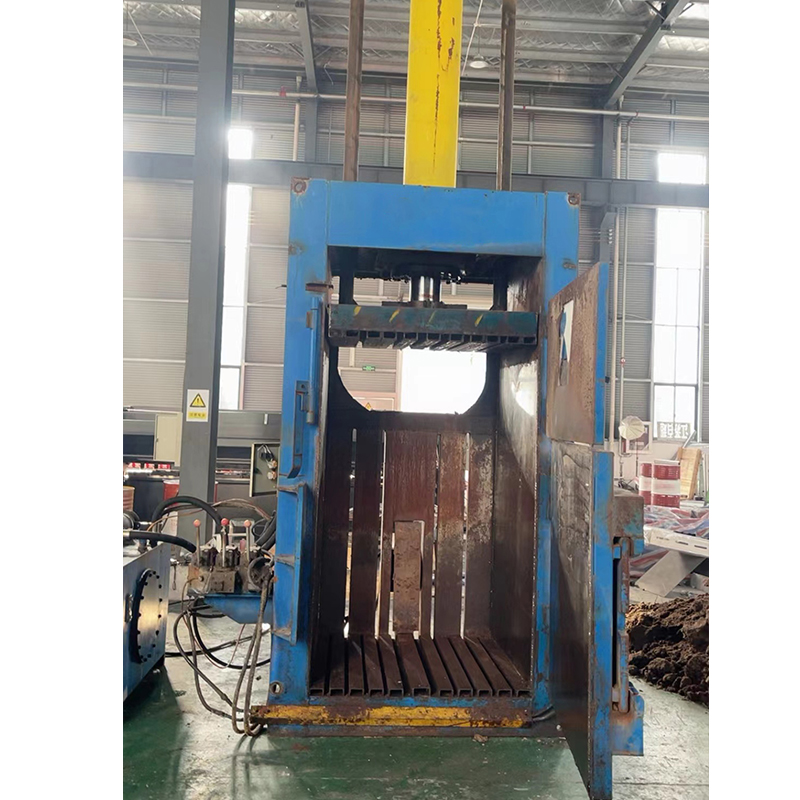
Recycling machines play a crucial role in the global waste-management ecosystem, and among them, the single-cylinder vertical hydraulic baler stands out as one of the most widely used and cost-effective solutions for compressing waste materials. When it comes to affordability and practicality, the used single-cylinder vertical hydraulic baler has become increasingly popular among small-to-medium-sized recycling plants, warehouses, manufacturing companies, supermarkets, and logistic centers.
The demand for used vertical balers has grown significantly in recent years due to rising raw material prices, increasing environmental regulations, and the pressure on companies to improve waste-handling efficiency while minimizing capital investment. A used baler can provide excellent performance at a fraction of the price of a new one, making it a smart choice for businesses that want to reduce costs without compromising operational capability.
This article provides a complete, in-depth, and highly detailed guide—approximately 9000 words in total—covering everything you need to know about used single-cylinder vertical hydraulic balers: how they work, what they are used for, their advantages, structural components, maintenance requirements, purchasing advice, common problems, safety guidelines, market trends, and comparison with other types of balers.
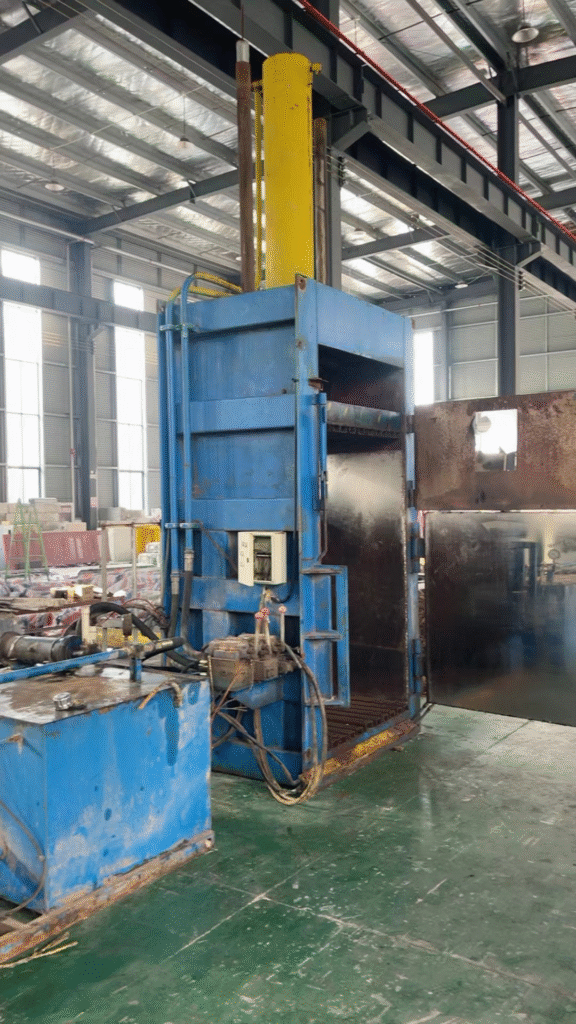
2. What Is a Single-Cylinder Vertical Hydraulic Baler?
A single-cylinder vertical hydraulic baler is a compression machine designed to compact recyclable materials such as cardboard, OCC, waste paper, textile waste, plastics, and light metallic scraps into uniform, high-density bales. The machine uses a single hydraulic cylinder positioned vertically to apply downward pressure on the material.
Compared with multi-cylinder or horizontal models, the single-cylinder vertical baler is:
-
simpler in structure
-
easier to maintain
-
smaller in footprint
-
more affordable
-
suitable for lower-to-medium processing volumes
When the machine is used (second-hand), its cost is even more attractive, making it an ideal entry-level baler for companies starting a recycling program or handling moderate amounts of waste.
3. How a Single-Cylinder Vertical Hydraulic Baler Works
Although the design is straightforward, the working process involves several coordinated steps:
1. Loading Material
The operator manually loads cardboard, plastics, textiles, or other materials into the baling chamber.
2. Door Closing and Locking
Once filled, the front door is closed and securely locked. Safety interlocks prevent the machine from operating unless the door is locked.
3. Hydraulic Compression
The cylinder activates and drives the pressing plate downward, compressing the material with strong hydraulic force.
4. Layer-by-Layer Compression
For bulky materials like film or clothing, multiple compression cycles may be required.
5. Wire or Strap Binding
After compression, the operator inserts steel wires or plastic straps through tying channels to secure the bale.
6. Ejection
The compression plate lifts, and the bale is ejected using an automatic bale ejector or manual system.
7. Cycle Repeats
The machine is ready for the next batch.
Because the process involves manual feeding and manual tying, vertical balers are slower but extremely economical and reliable.
4. Why Choose a Used Single-Cylinder Vertical Hydraulic Baler?
1. Lower Investment Cost
A used baler typically costs 20–60% of the price of a new one, making it a cost-effective option.
2. Proven Reliability
Most balers are built with heavy-duty steel and durable hydraulic systems, capable of functioning for many years.
3. Easy to Repair and Maintain
Their structure is simple, with accessible components and widely available spare parts.
4. Ideal for Small to Medium Businesses
Warehouses, small recycling centers, supermarkets, and factories benefit from affordable baling solutions.
5. Fast Installation and Low Requirements
Requires only basic power supply and minimal workshop space.
6. Environmentally Friendly
Refurbishing and reusing machines reduce industrial waste and environmental impact.
5. Typical Applications
The used single-cylinder vertical hydraulic baler is widely used in:
-
Cardboard & OCC recycling
-
Waste paper and newspaper baling
-
Textile and clothing recycling
-
Plastic film, PE bags, PP woven bags
-
PET bottles (lightly compacted)
-
Foam and sponge
-
Light scrap metals (thin cans, aluminum profiles)
-
Agricultural waste
Its versatility makes it suitable across various industries.
6. Structural Components
A complete vertical baler generally contains the following components:
1. Hydraulic Cylinder
The main power unit generating downward compression force.
2. Pressing Plate
Connected to the cylinder, it presses materials inside the chamber.
3. Baling Chamber
The reinforced steel box where materials are loaded.
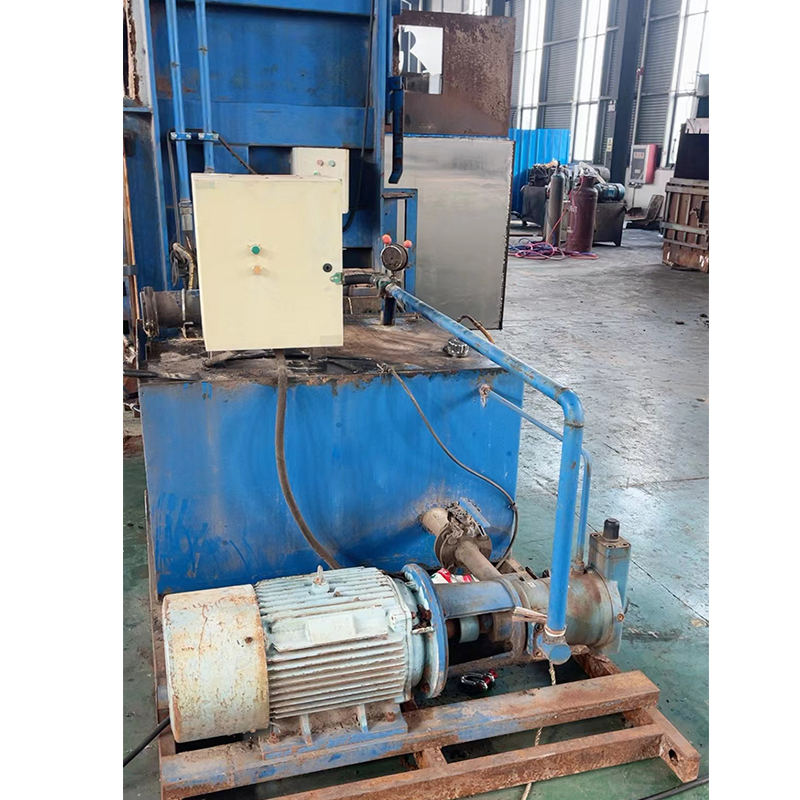
4. Hydraulic Pump and Motor
Provide the hydraulic pressure necessary for compression.
5. Control Panel
For operating the machine—start, stop, emergency stop.
6. Bale Ejector System
Either chain-type, plate-type, or manual ejection.
7. Door and Locking System
Ensures safety during operation.
8. Wire Slots / Tying Holes
Used to thread baling wires.
9. Base Frame
Supports the machine’s load and stabilizes the structure.