
In today’s recycling and waste-management industry, efficiency, reliability, and material-handling performance are more important than ever. As global waste volumes rise and material recovery standards continue to increase, the demand for high-performance shredding equipment is rapidly expanding. Among all shredding technologies, the Single Shaft Shredder Machine has become one of the most widely used and versatile solutions for processing plastics, rubber, textiles, wood, paper, metals, and more.
This comprehensive guide explains what a Single Shaft Shredder is, why it is essential, how it works, and how to select the right model for your factory or recycling project. If you are exploring shredding equipment for the first time—or if you need a professional reference for buying decisions—this article will help you fully understand the machine and its real value.
What Is A Single Shaft Shredder Machine?
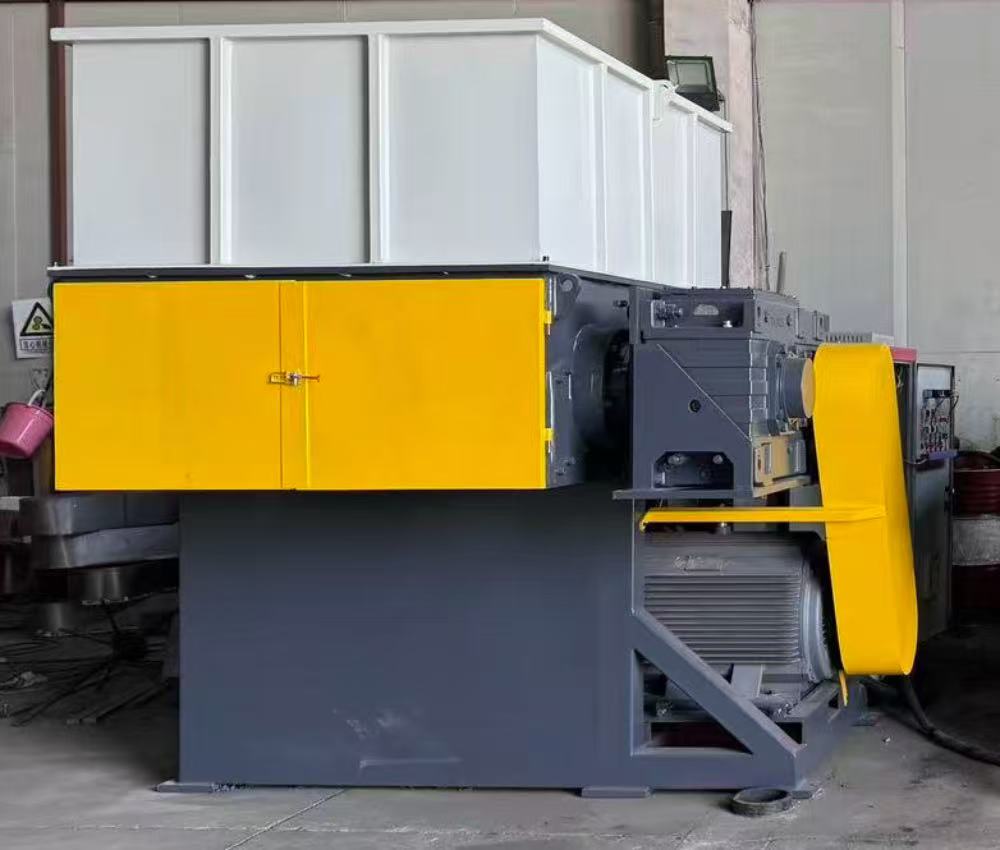
A Single Shaft Shredder Machine is an industrial shredding equipment featuring one rotating shaft fitted with blades or cutters. As material enters the shredding chamber, it is gripped by the rotating shaft, pushed against the fixed counter-knife, and shredded into smaller particles.
Key Components Include:
-
Rotor / Shaft: Driven by a motor and gearbox, equipped with rotary knives.
-
Fixed Blades: Assist with cutting action during shredding.
-
Hydraulic Pusher: Forces materials toward the rotor to ensure continuous shredding.
-
Screen Mesh: Controls the final particle size.
-
Motor & Gearbox: Provide the torque needed for heavy-duty shredding.
Core Function
A single shaft shredder reduces bulky materials into uniform, manageable pieces for:
-
Recycling
-
Volume reduction
-
Secondary crushing
-
Reprocessing or granulation
Its design focuses on precision cutting, low noise, stable operation, and high throughput, making it ideal for both recycling plants and manufacturing facilities.
Why Single Shaft Shredders Are Essential For Modern Recycling
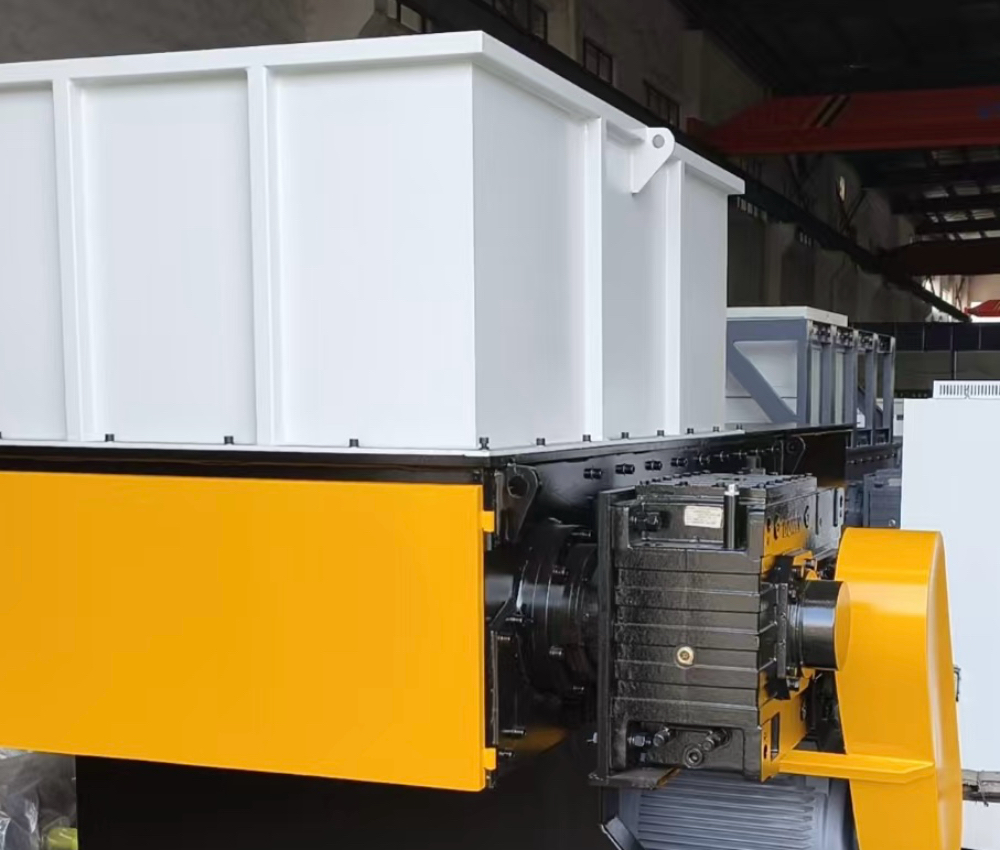
Single shaft shredders have become the preferred choice for many industries because of their balance of power, control, and versatility. Here’s why they are considered a must-have machine:
1. High Versatility Across Materials
They can process a wide range of materials, including:
-
Plastic lumps, pipes, films, injection waste
-
Rubber and tires
-
Wood pallets and furniture waste
-
Textile waste and fabric rolls
-
E-waste and cables
-
Aluminum profiles and soft metals
-
Paper, cardboard, and packaging waste
No matter your industry, a single shaft shredder can handle it.
2. Consistent And Controlled Output Size
With the help of replaceable screen meshes, users can achieve uniform shredded particle sizes—a key requirement for high-quality recycling and downstream processing.
3. Energy-Efficient And Cost-Effective
Single shaft shredders consume less power than double-shaft machines while still providing strong cutting force—making them highly cost-effective for long-term operation.
4. Safe And Easy To Maintain
The hydraulic pusher ensures safe feeding without human intervention. Meanwhile, the modular cutting system, replaceable knives, and accessible chamber design make maintenance fast and efficient.
5. Ideal For Pre-Shredding And Secondary Reduction
They can be used as:
-
Primary shredder for general waste
-
Secondary shredder after twin-shaft shredding
-
Pre-crusher for granulator systems
This flexibility allows facilities to increase throughput and adapt to different workflow requirements.
How A Single Shaft Shredder Machine Works
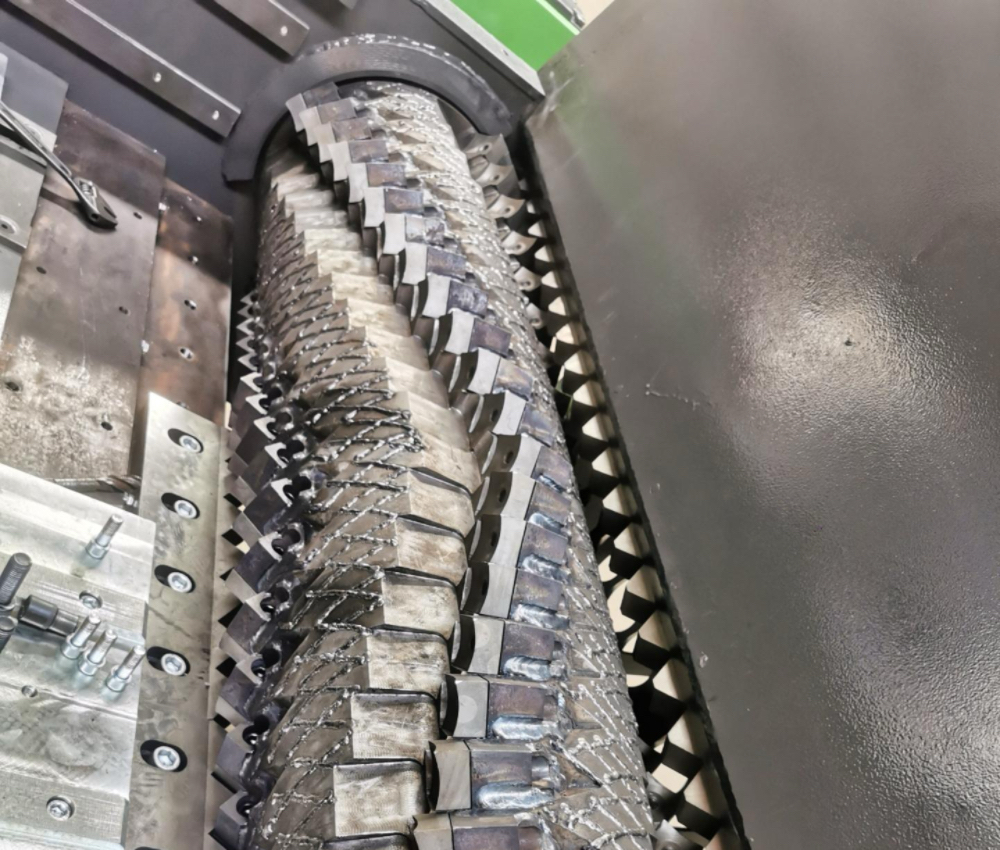
Understanding the working principle will help operators achieve better results and reduce maintenance costs.
Step 1: Material Feeding
Materials are usually placed into the hopper manually or via a conveyor. The hydraulic ram pushes the material toward the rotor.
Step 2: Cutting And Shredding
The rotating knives cut against the fixed knives. The combination of shearing force, rotational torque, and hydraulic pressure gradually breaks down the material.
Step 3: Size Control Through Screen Mesh
Only particles smaller than the screen holes can pass through. Larger pieces remain in the chamber until they are shredded to the required size.
Step 4: Discharge
Finished material falls onto a conveyor or collection bin for further processing or packaging.
How To Use A Single Shaft Shredder Machine Safely And Effectively
Although the machine is simple to operate, proper usage ensures longer service life and better performance.
1. Start With Pre-Inspection
Check:
-
Blade sharpness
-
Hydraulic system pressure
-
Motor and electrical connections
-
Screen condition
2. Feed Materials Properly
-
Avoid overloading the hopper
-
Do not mix extremely hard objects unless the machine is designed for metals
-
Ensure materials are free from stones or foreign objects that may damage blades
3. Monitor Operating Parameters
-
Rotor speed
-
Hydraulic pushing force
-
Discharge rate
-
Load current
Abnormal noise or vibration indicates maintenance is needed.
4. Maintain Blade Sharpness
Dull blades increase load and reduce shredding quality. Regular sharpening or replacement will keep efficiency high.
5. Clean The Inside Chamber Regularly
Especially when shredding sticky materials such as rubber, PP film, or textile waste.
Common Applications Of Single Shaft Shredder Machines
Plastic Recycling Industry
For PE/PP lumps, washing line waste, injection sprues, PET bottles, film rolls, etc.
Metal Recycling
For soft aluminum, copper wires, cables, light metal profiles.
Wood Processing
Wood pallets, furniture waste, MDF boards, construction scraps.
Textile And Fabric Industry
Clothes waste, fabric rolls, carpets, fibers.
Paper & Cardboard
Corrugated cartons, office paper, printing waste.
How To Choose The Right Single Shaft Shredder Model
Selecting the right shredder is crucial for achieving good output and maximizing cost savings. Consider the factors below when determining the correct model.
1. Material Type
Ask yourself:
-
Is it plastic? metal? wood? paper?
-
Is the material soft or hard?
-
Is it clean or contaminated?
Hard materials require stronger torque and thicker knives, while soft materials require high cutting speed.
2. Material Size And Shape
Large lumps or thick pipes need:
-
Larger hopper
-
Stronger hydraulic pushing force
-
Bigger rotor diameter
Light materials like films need:
-
Fast cutting
-
Anti-wrapping rotor design
3. Desired Output Size
Choose the screen size based on the required final particle dimensions:
-
20–40 mm for recycling
-
50–80 mm for volume reduction
-
Custom screens for specialized applications
4. Capacity Requirements
Typical capacities range from 300 kg/h to 3000 kg/h depending on:
-
Motor power
-
Rotor length
-
Feeding method
-
Material density
5. Motor Power And Gearbox
More torque means:
-
Better cutting force
-
Longer continuous operation
-
Stable shredding of tough materials
6. Maintenance Convenience
Look for:
-
Quick-change blades
-
Accessible chamber
-
Separate bearing design to prevent dust entering
7. Budget And Long-Term Cost
A higher-quality machine reduces:
-
Downtime
-
Blade replacement costs
-
Energy consumption
Investing in a reliable shredder ensures long-term profit and stable operation.
Conclusion: Why A Single Shaft Shredder Is A Smart Investment
A Single Shaft Shredder Machine is an essential piece of equipment for modern recycling and waste-processing operations. Its versatility, consistent output, low energy consumption, and safety features make it suitable for nearly all industries—from plastics and wood to textiles and light metals.