
As global metal recycling continues to grow, companies are increasingly looking for cost-effective, space-saving, and reliable recycling equipment. Among the various options available, the vertical metal baler has become a popular choice for factories, workshops, warehouses, and small recycling centers. Thanks to its compact design and efficient hydraulic performance, it offers an ideal solution for handling light to medium metal scrap.
What Is a Vertical Metal Baler?
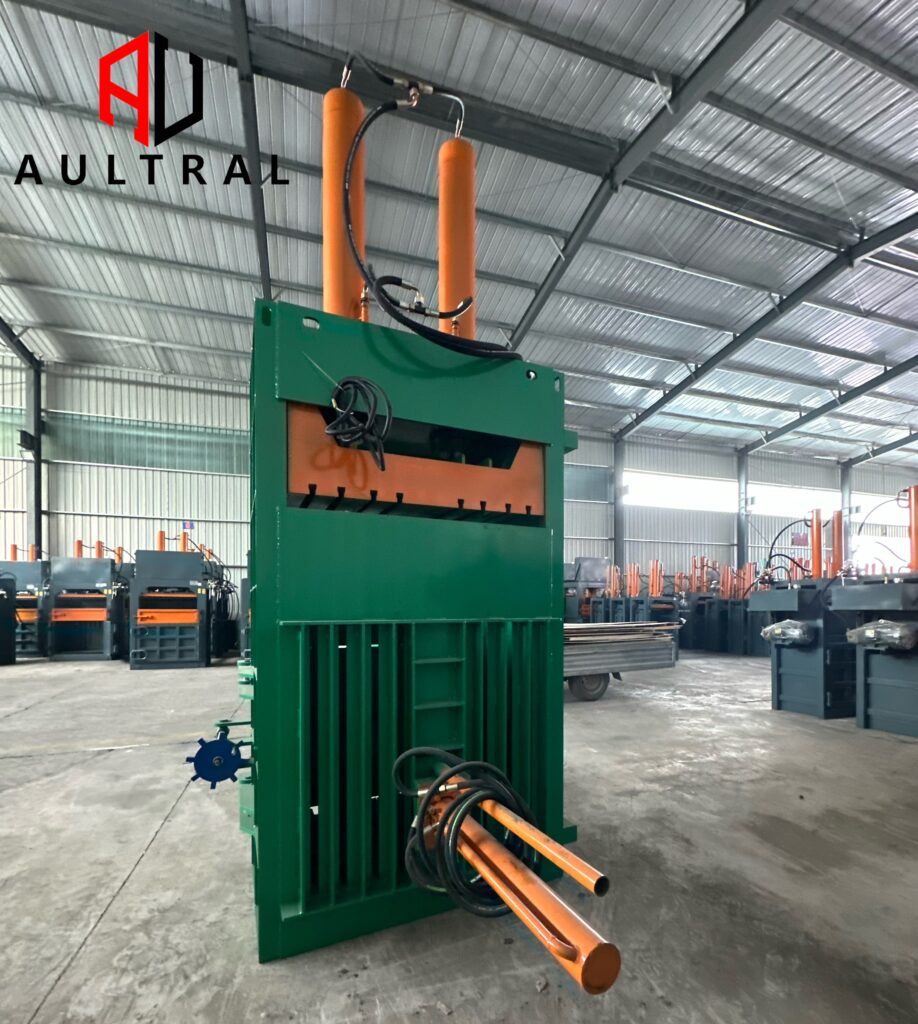
A vertical metal baler is a hydraulic recycling machine designed to compress loose metal waste into dense, manageable bales. Unlike horizontal balers, vertical balers operate with a top-down compression structure, making them especially suitable for locations with limited floor space.
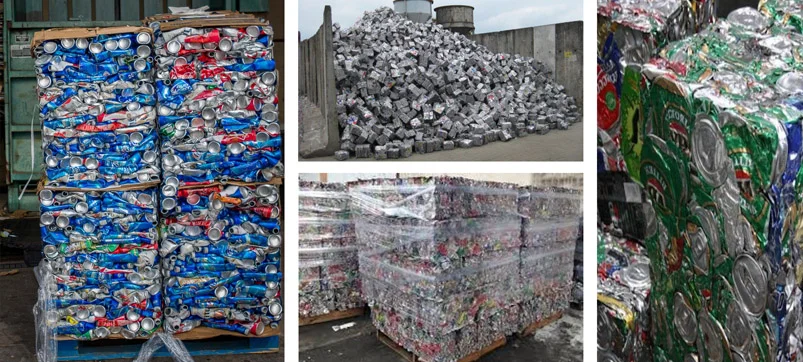
Vertical metal balers are commonly used to process aluminum cans, metal shavings, copper scrap, thin steel scrap, metal offcuts, and light industrial metal waste. By reducing material volume, these machines help improve storage efficiency, lower transportation costs, and enhance recycling value.
How Does a Vertical Metal Baler Work?
The working principle of a vertical metal baler is simple and efficient. Metal scrap is loaded into the compression chamber from the front or top opening. Once the chamber is filled, the hydraulic cylinder drives the pressing plate downward, applying strong pressure to compress the material.
After reaching the preset pressure, the bale is formed and secured manually or semi-automatically using steel wires or strapping. The compressed bale is then ejected by opening the chamber door, ready for storage or transportation.
This straightforward process makes vertical metal balers easy to operate, maintain, and integrate into existing recycling workflows.
Key Advantages of Vertical Metal Balers
1. Compact Design and Space Saving
One of the biggest advantages of a vertical metal baler is its small footprint. The vertical structure allows efficient compression without requiring a large installation area, making it ideal for workshops and factories with limited space.
2. Cost-Effective Investment
Compared with large horizontal balers, vertical metal balers usually require lower initial investment and operating costs. This makes them especially attractive for small and medium-sized businesses entering the metal recycling market.
3. Easy Operation and Maintenance
Most vertical metal balers feature simple manual or semi-automatic controls, allowing operators to quickly learn how to use the machine. Fewer moving parts also mean lower maintenance requirements and longer service life.
4. Versatile Applications
Vertical metal balers can handle a wide range of materials, including aluminum, copper, steel, and mixed light metal scrap. This versatility makes them suitable for various industries, from manufacturing plants to recycling stations.
5. Improved Recycling Efficiency
By compressing loose metal waste into dense bales, vertical metal balers significantly reduce material volume. This leads to lower storage needs, reduced transport costs, and higher scrap resale value.
Common Applications of Vertical Metal Balers
Vertical metal balers are widely used across different industries and recycling scenarios, including:
-
Metal processing workshops
-
CNC machining factories
-
Automotive repair and manufacturing plants
-
Warehouses and logistics centers
-
Small and medium recycling facilities
-
Aluminum can and metal container recycling points
Their flexibility and ease of use make them a practical solution for businesses looking to improve waste management efficiency.
|
|
|||
|
Model
|
Bale size(mm)
|
Bale weight(kg)
|
Power(KW)
|
|
Y82T-120
|
1600*1000*1000
|
≥1000
|
15
|
|
Y82T-160
|
1600*1000*1000
|
≥1300
|
22
|
|
Y82T-200
|
1800*1100*1000
|
≥1500
|
30
|
|
|
1600*1000*1000
|
|
|
|
Y82T-250
|
2100*1100*1000
|
≥1500
|
22*2
|
|
|
2000*1100*1000
|
|
|
|
Y82T-315
|
2100*1100*1000
|
≥1500
|
22*2
|
|
Y82T-400
|
2500*1100*1600
|
|
|
Vertical vs. Horizontal Metal Balers
While both vertical and horizontal metal balers serve the same purpose, they are designed for different operational needs. Vertical metal balers are best suited for low to medium throughput, limited space, and budget-conscious operations. They typically require manual or semi-automatic handling.
On the other hand, horizontal metal balers are designed for high-volume, continuous processing and often feature automatic feeding and bale tying systems. Choosing the right type depends on material volume, available space, and production requirements.
Key Factors to Consider When Choosing a Vertical Metal Baler
When selecting a vertical metal baler, several factors should be taken into account:
-
Pressing force (tonnage): Common models range from 30T to 60T or higher, depending on material type
-
Chamber size: Determines the bale size and material capacity
-
Material type: Aluminum cans, metal shavings, copper scrap, or mixed metals
-
Power supply: Voltage and phase compatibility with your facility
-
Safety features: Interlocks, emergency stop buttons, and protective doors
Choosing the right configuration ensures optimal performance and long-term reliability.
A vertical metal baler is a practical, efficient, and economical solution for businesses handling light to medium metal scrap. With its compact design, easy operation, and versatile applications, it plays an important role in modern metal recycling systems.
Whether you are a small recycling center, a manufacturing factory, or a workshop aiming to reduce waste volume and improve recycling efficiency, investing in a vertical metal baler can bring significant operational and economic benefits. As recycling standards continue to rise worldwide, vertical metal balers remain a smart choice for sustainable and efficient metal waste management.