
With the rapid growth of packaging, logistics, and e-commerce industries, waste paper recycling has become increasingly important. To improve efficiency, reduce labor costs, and optimize transportation, recycling companies rely heavily on professional baling equipment. Among all available options, the horizontal waste paper baler has become one of the most popular and effective solutions for large-scale paper recycling operations.
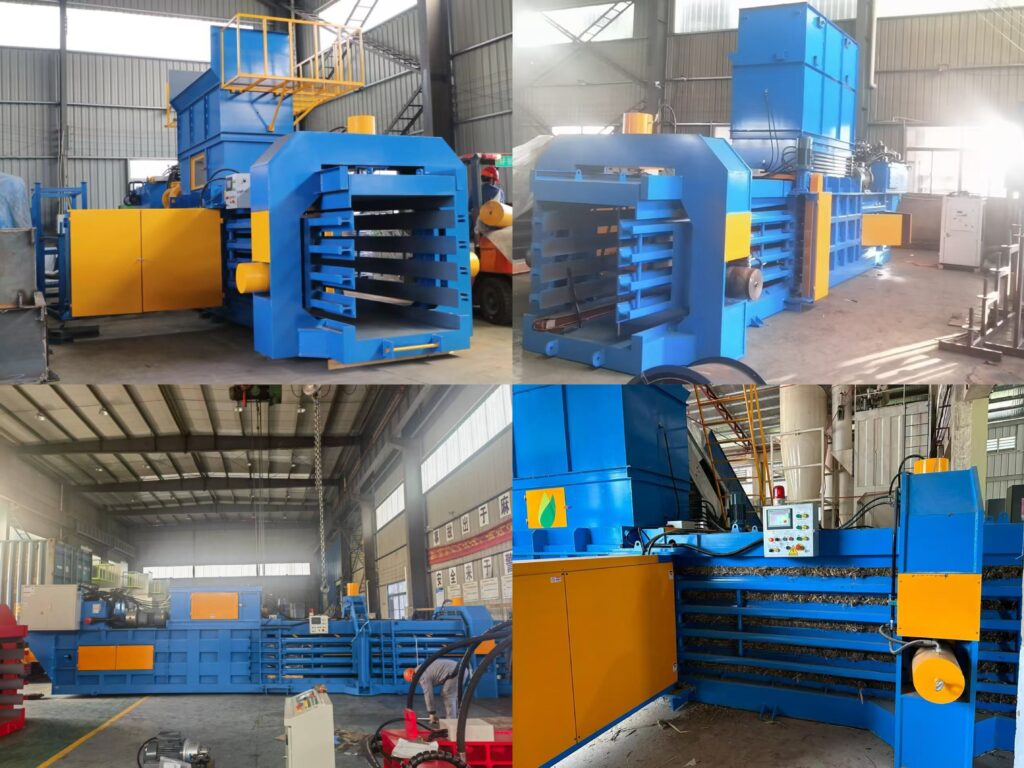
What Is a Horizontal Waste Paper Baler?
A horizontal waste paper baler is a hydraulic machine designed to compress loose waste paper into dense, uniform bales using horizontal compression force. Unlike vertical balers, horizontal balers allow continuous feeding and automatic operation, making them ideal for high-volume recycling environments.
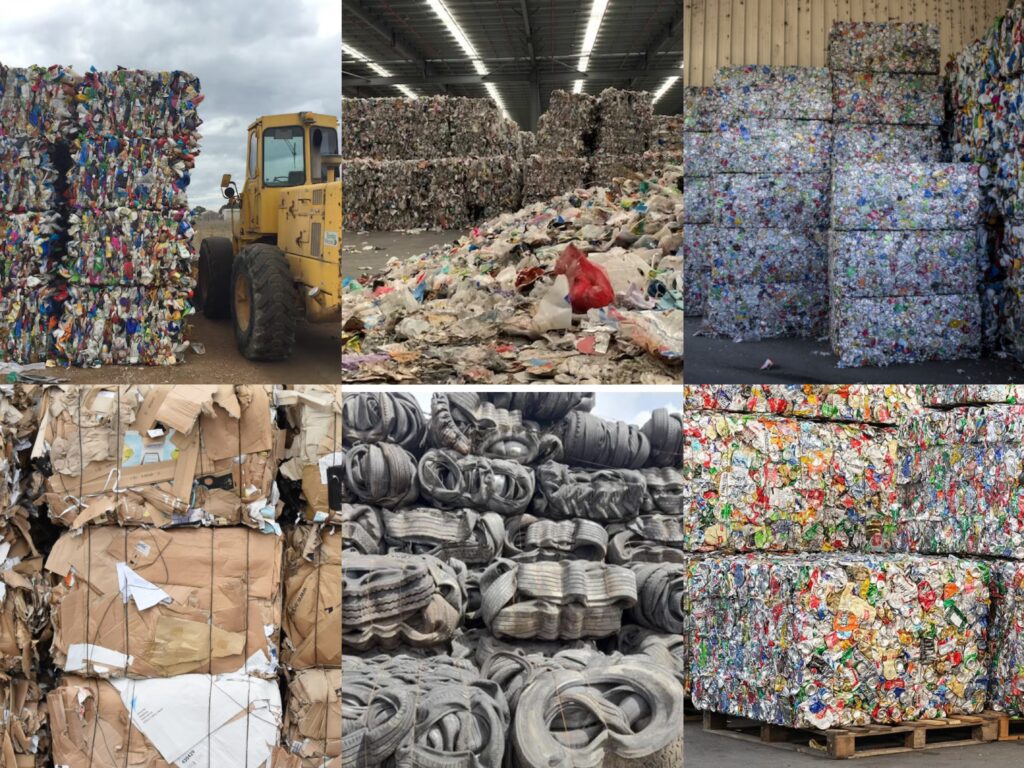
These machines are widely used to bale materials such as cardboard (OCC), cartons, newspapers, magazines, mixed paper, and office waste paper. By compressing waste paper into compact bales, a horizontal waste paper baler significantly reduces storage space and transportation costs.
How Does a Horizontal Waste Paper Baler Work?
The working process of a horizontal waste paper baler is straightforward and efficient. Waste paper is fed into the feeding chamber manually, via conveyor belt, or by air conveying systems. A powerful hydraulic ram then pushes the material horizontally into the compression chamber, where it is compacted into a dense bale.
Once the preset bale size or weight is reached, the machine automatically ties the bale using wire or strapping and ejects it from the discharge end. This continuous operation allows recycling facilities to handle large volumes of waste paper with minimal downtime.
Key Advantages of Horizontal Waste Paper Balers
1. High Efficiency and Continuous Operation
One of the biggest advantages of a horizontal waste paper baler is its ability to operate continuously. Automatic feeding, compression, tying, and bale discharge greatly improve productivity compared to vertical balers.
2. Reduced Labor Costs
With a high level of automation, horizontal waste paper balers require fewer operators. This makes them especially suitable for recycling plants, distribution centers, and factories facing rising labor costs.
3. Dense and Uniform Bales
Horizontal balers produce highly compact and consistent bales, which are easier to stack, store, and transport. Higher bale density also increases recycling value and reduces logistics expenses.
4. Versatile Material Handling
A horizontal waste paper baler can process a wide range of paper materials, including:
-
OCC cardboard
-
Cartons and boxes
-
Newspapers and magazines
-
Mixed waste paper
-
Printing and office paper
This versatility makes it an essential machine in modern paper recycling systems.
5. Stable and Durable Design
Built with heavy-duty steel structures, high-quality hydraulic components, and wear-resistant cylinders, horizontal waste paper balers are designed for long-term industrial use with low maintenance requirements.
Common Applications of Horizontal Waste Paper Balers
Horizontal waste paper balers are widely used in:
-
Waste paper recycling plants
-
Paper mills and printing factories
-
Logistics and distribution centers
-
Supermarkets and shopping malls
-
E-commerce warehouses
They are often integrated into complete recycling lines, working together with conveyors, shredders, and sorting systems to achieve maximum efficiency.
Horizontal Waste Paper Baler vs. Vertical Baler
Compared with vertical balers, horizontal waste paper balers offer several key advantages:
-
Higher processing capacity
-
Automatic and continuous operation
-
Larger bale size and higher density
-
Better suitability for large-scale recycling
While vertical balers are suitable for small businesses with limited space and low output, a horizontal waste paper baler is the preferred choice for medium to large recycling operations.
Key Factors to Consider When Choosing a Horizontal Waste Paper Baler
When selecting a horizontal waste paper baler, buyers should carefully evaluate:
-
Baling force and motor power
-
Daily or hourly processing capacity
-
Bale size and bale weight requirements
-
Level of automation (semi-automatic or fully automatic)
-
Power supply and installation conditions
It is also important to choose a reliable manufacturer that offers strong technical support, spare parts availability, and after-sales service.
Environmental and Economic Benefits
Using a horizontal waste paper baler not only improves operational efficiency but also contributes to environmental protection. By recycling waste paper effectively, businesses can reduce landfill waste, save natural resources, and lower carbon emissions.
From an economic perspective, compact bales reduce transportation frequency and costs, while improved material quality increases resale value. This makes the horizontal waste paper baler a cost-effective and environmentally responsible investment.
Future Trends in Horizontal Waste Paper Balers
As recycling standards continue to rise, horizontal waste paper balers are evolving toward:
-
Higher automation and intelligent control systems
-
Energy-saving hydraulic technology
-
Remote monitoring and fault diagnosis
-
Integration with smart recycling production lines
These innovations further enhance efficiency, safety, and sustainability.
The horizontal waste paper baler is a powerful and efficient solution for modern paper recycling operations. With its high capacity, automated operation, durable design, and wide application range, it plays a crucial role in improving recycling efficiency and reducing costs. For businesses seeking long-term productivity and sustainable development, investing in a high-quality horizontal waste paper baler is a smart and future-proof choice.