
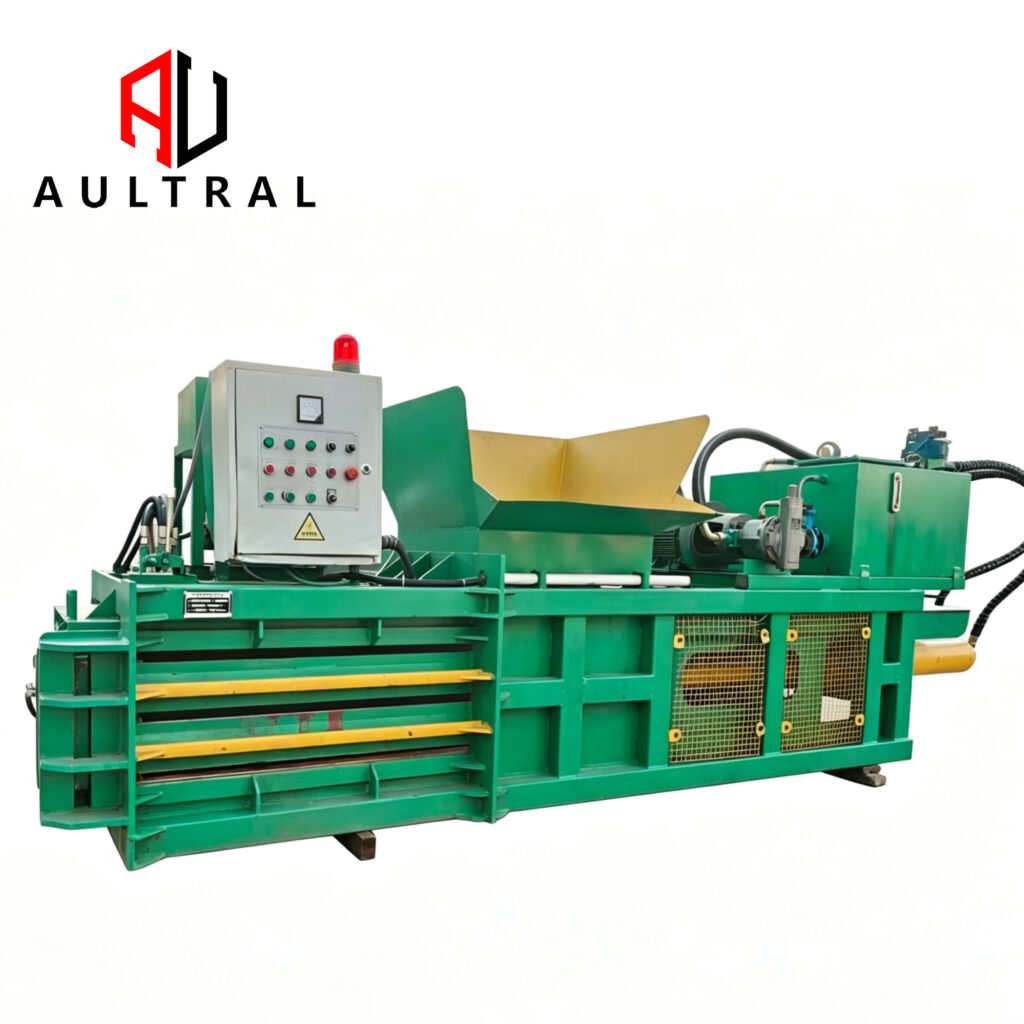
What Is a Horizontal Hydraulic Baler?
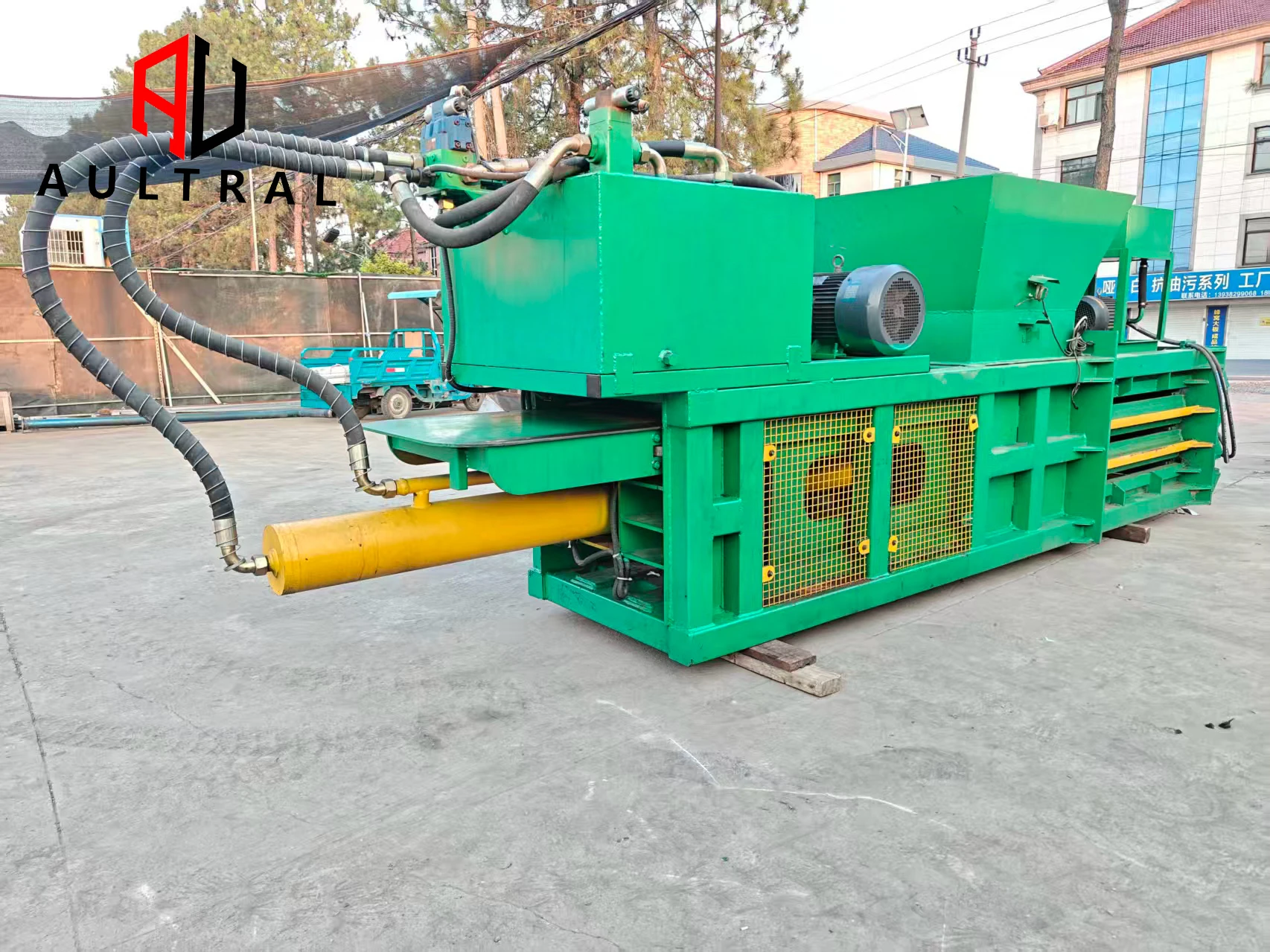
A Horizontal Hydraulic Baler is a powerful recycling machine designed to compress recyclable materials into compact, high-density bales. It is widely used in recycling centers, waste management facilities, warehouses, paper mills, and manufacturing plants.
By reducing the volume of waste materials, a horizontal baler helps businesses save storage space, lower transportation costs, and improve recycling efficiency.
Materials Processed by Horizontal Hydraulic Balers
Horizontal hydraulic balers can handle a wide range of recyclable materials, including:
- Waste cardboard and OCC paper
- Plastic bottles (PET)
- Plastic film and LDPE
- Aluminum cans
- Textile waste and clothing
- Agricultural waste
- Foam and packaging materials
- Municipal solid waste (MSW)
The versatility of these machines makes them an essential part of modern recycling operations.
Key Advantages of Horizontal Hydraulic Balers
1. High Compression Efficiency
Equipped with a powerful hydraulic system, horizontal balers generate strong pressing force to produce dense and uniform bales.
2. Reduced Transportation Costs
Compressed materials occupy significantly less space, allowing more material to be transported in a single load.
3. Continuous Feeding Operation
Unlike vertical balers, horizontal hydraulic balers support continuous feeding, greatly increasing productivity and reducing labor requirements.
4. Automatic Bale Tying
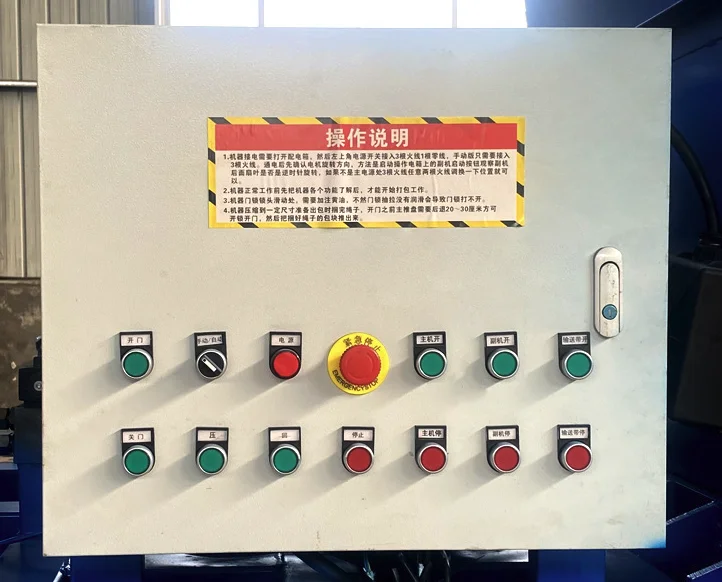
Many modern horizontal balers feature automatic tying systems, which improve operational efficiency and minimize manual intervention.
5. Lower Storage Requirements
Compressed bales require less warehouse space, helping facilities maintain cleaner and more organized working environments.
Applications of Horizontal Hydraulic Balers
Horizontal balers are commonly used in:
- Recycling plants
- Waste processing centers
- Distribution warehouses
- Supermarkets and retail chains
- Packaging factories
- Printing and paper mills
- Plastic recycling facilities
These industries rely on horizontal balers to streamline waste handling and maximize recycling value.
How Does a Horizontal Hydraulic Baler Work?
The operation process is simple and efficient:
- Recyclable materials are fed into the hopper.
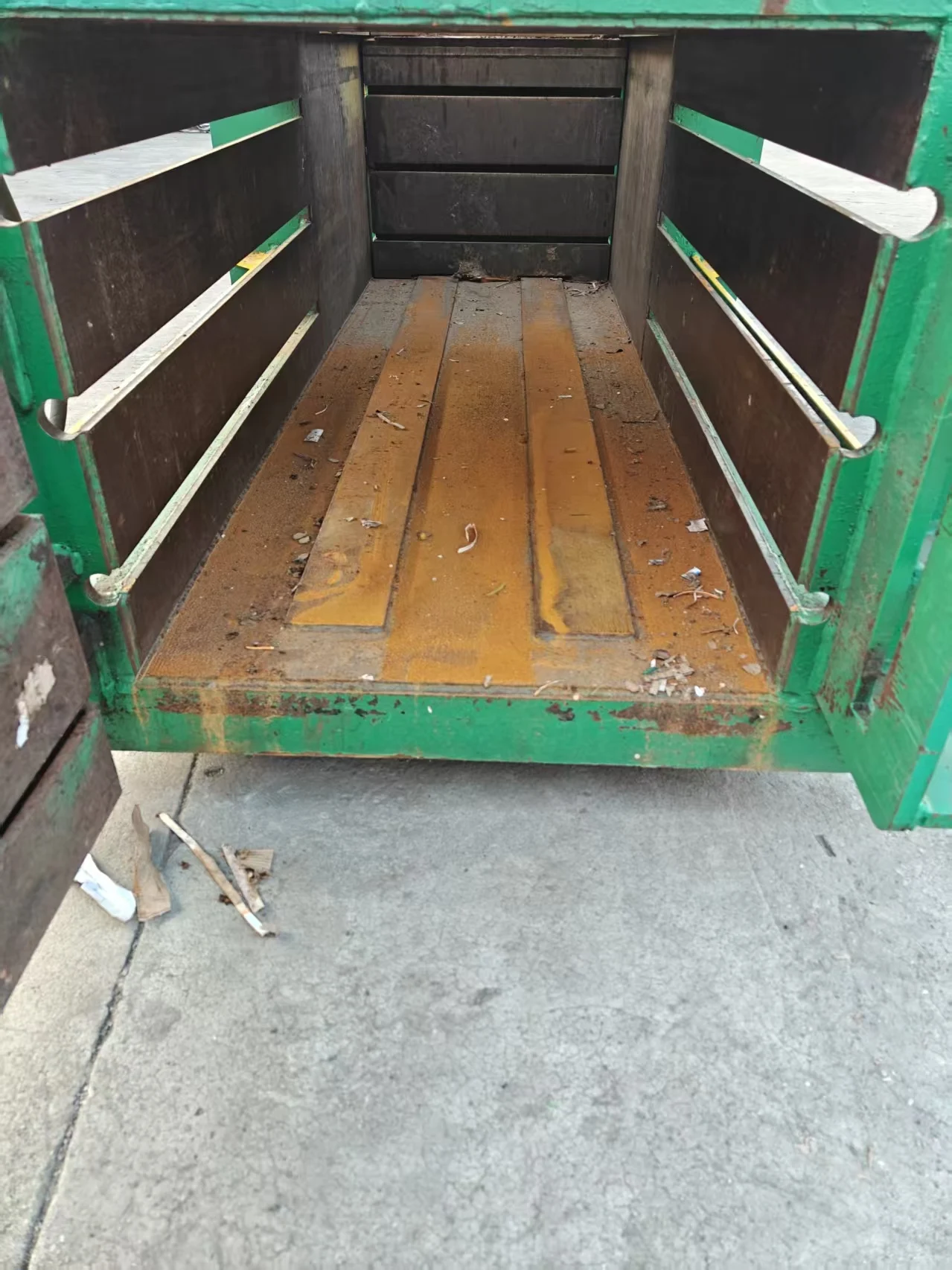
- The hydraulic ram compresses the material.
- Multiple compression cycles increase bale density.
- The bale is tied automatically or manually.
- The finished bale is ejected for storage or transportation.
This automated workflow ensures consistent bale quality and high production output.
Choosing the Right Horizontal Hydraulic Baler
When selecting a horizontal baler, consider the following factors:
Material Type
Different materials require different compression forces and chamber sizes.
Processing Capacity
Evaluate the amount of waste generated daily to determine the required machine capacity.
Bale Size
Choose a baler that produces bale dimensions suitable for transportation and downstream recycling processes.
Automation Level
Fully automatic horizontal balers offer higher efficiency and lower labor costs, while semi-automatic models provide a cost-effective solution for smaller operations.
Why Invest in a Horizontal Hydraulic Baler?
Investing in a horizontal hydraulic baler delivers long-term benefits:
- Increased recycling profits
- Reduced labor costs
- Improved workplace efficiency
- Lower transportation expenses
- Enhanced environmental sustainability
As recycling regulations become stricter and waste volumes continue to grow, horizontal hydraulic balers have become indispensable equipment for businesses seeking efficient waste management solutions.
A Horizontal Hydraulic Baler is one of the most effective machines for processing recyclable materials. With its high compression force, continuous operation capability, and automated functions, it helps businesses optimize recycling operations while reducing costs.