
In today’s fast-paced recycling and waste management industry, efficiency and productivity are key. Among all the machines designed to compress and manage recyclable materials, the horizontal baling machine stands out as one of the most efficient and cost-effective solutions. Whether you are handling waste paper, plastic, cardboard, or other materials, this machine can help streamline your recycling operations and reduce storage and transportation costs.
This article will walk you through what a horizontal baling machine is, why it’s important, how it works, and how to choose the right model for your business.
What Is A Horizontal Baling Machine?
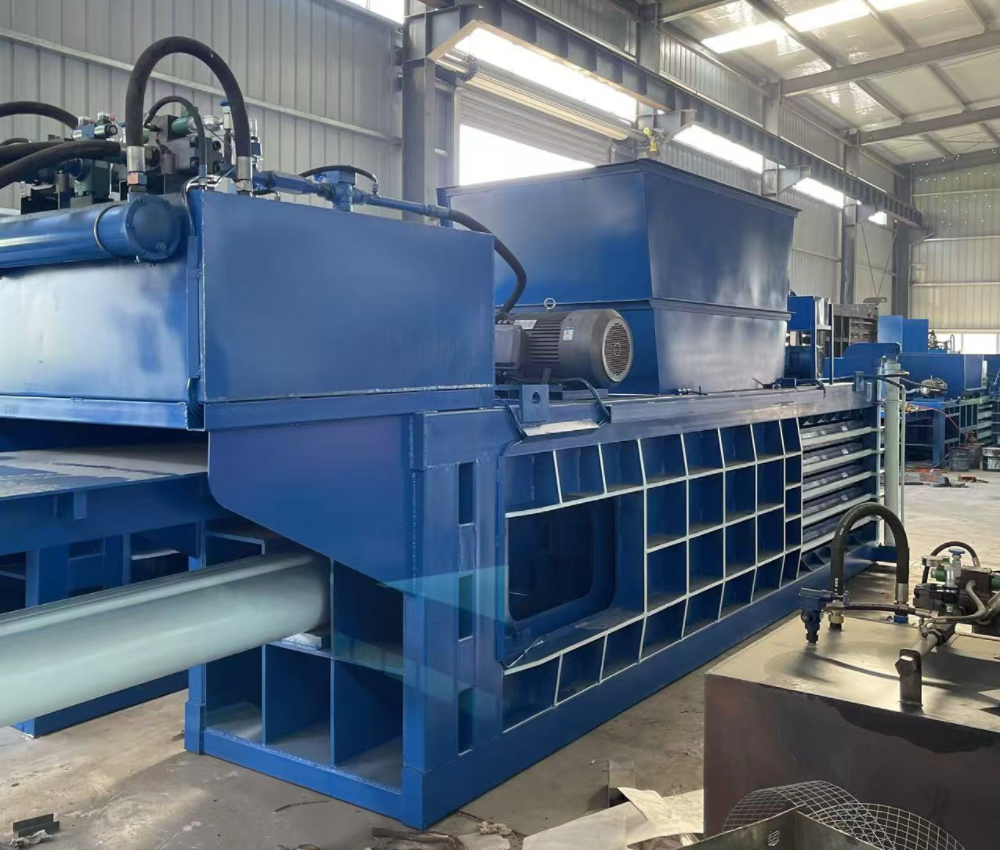
A horizontal baling machine, also known as a horizontal baler, is a piece of industrial equipment designed to compress recyclable materials into dense, manageable bales. Unlike a vertical baler that compresses materials from top to bottom, a horizontal baler compresses materials from the sides, allowing for continuous feeding and higher output capacity.
These machines are widely used in recycling centers, manufacturing plants, packaging facilities, warehouses, and paper mills. They are ideal for handling large volumes of materials such as:
-
Waste paper and cardboard
-
PET bottles and plastic films
-
Textile and fabric scraps
-
Aluminum cans and light metals
Horizontal balers can be categorized into semi-automatic and fully automatic types.
-
Semi-automatic balers require manual strapping and bale ejection.
-
Fully automatic balers feature automatic feeding, compressing, tying, and bale ejection, making them suitable for high-volume, continuous operations.
Why Choose A Horizontal Baling Machine?
1. High Efficiency And Productivity
One of the main advantages of horizontal balers is their ability to process a large amount of recyclable material in a short period. The continuous feeding system allows for uninterrupted operation, making them perfect for high-throughput facilities.
2. Space Saving And Cost Reduction
By compressing bulky materials into compact bales, you can save significant storage space and reduce transportation costs. A tightly packed bale means fewer trips and lower fuel consumption during transportation.
3. Improved Material Handling
The machine helps keep the workspace clean and organized. Instead of loose waste spread across the floor, you’ll have neat, stackable bales that are easy to handle, store, or ship.
4. Environmental Benefits
Using a horizontal baler supports sustainable waste management. It promotes recycling and reduces landfill waste, helping your company align with environmental regulations and green business goals.
5. Labor Saving And Automation
Fully automatic models minimize manual labor requirements. Operators only need to monitor the machine, which handles feeding, compressing, tying, and ejecting automatically.
How Does A Horizontal Baling Machine Work?
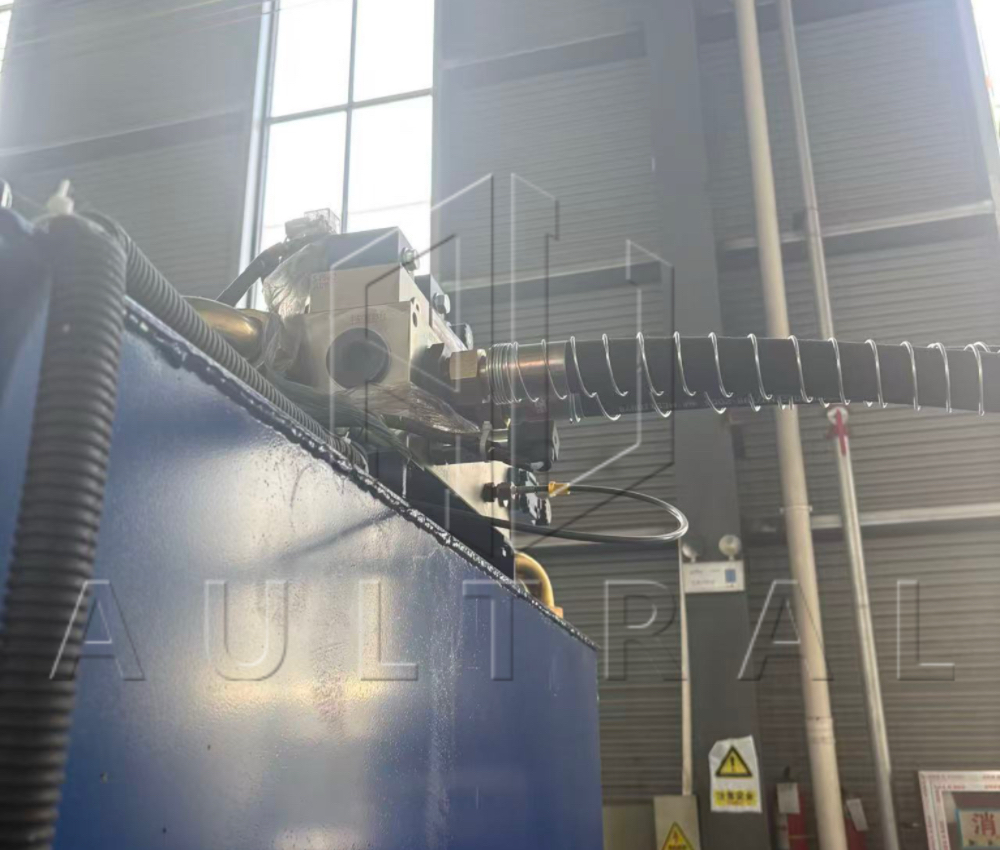
Understanding the working process of a horizontal baler helps operators achieve optimal results and longer machine life. Generally, the baling process consists of the following steps:
1. Feeding
Materials are fed into the hopper either manually, through a conveyor, or via an air cyclone system. Continuous feeding is possible, which greatly improves efficiency.
2. Compressing
Once the feeding chamber is full, the hydraulic cylinder pushes the ram horizontally to compress the materials against the wall or previous bale, forming a dense block.
3. Tying Or Strapping
In semi-automatic models, operators manually tie the compressed bale with wires or plastic straps. In fully automatic balers, the machine performs the strapping automatically using an integrated tying system.
4. Bale Ejection
After tying, the completed bale is automatically pushed out of the baling chamber. The cycle then repeats with new material being fed into the hopper.
How To Use A Horizontal Baling Machine
Operating a horizontal baler is simple when following the correct steps:
-
Power On The Machine – Ensure the hydraulic and electrical systems are functioning properly.
-
Feed The Material – Use a conveyor or manually load materials into the feeding hopper.
-
Start The Compression Cycle – Press the operation button; the hydraulic cylinder will automatically compress the material.
-
Tie The Bale – Depending on your model, tie the bale manually or let the automatic system complete the process.
-
Eject The Bale – Once tied, the machine ejects the bale for collection.
-
Repeat The Process – Continue feeding new materials for the next cycle.
Always remember to follow the manufacturer’s safety guidelines and wear proper protective equipment when operating the machine.
How To Choose The Right Horizontal Baling Machine
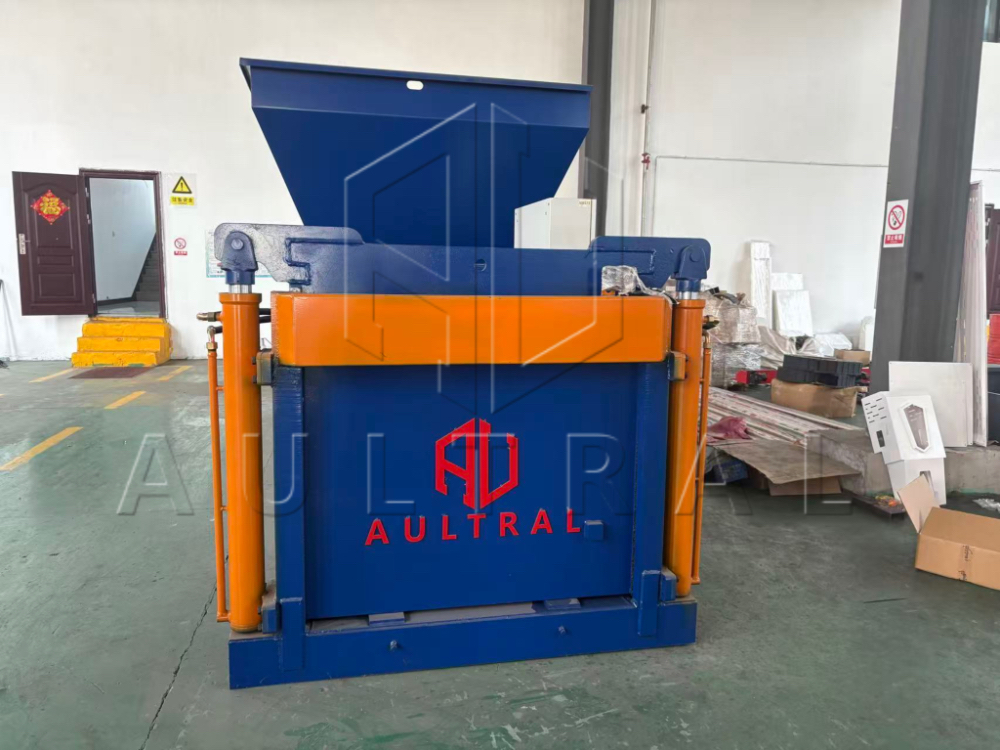
Selecting the right model is crucial to meet your specific business needs. Here are the main factors to consider:
1. Type Of Material
Different materials require different compression forces.
-
Paper and cardboard → lower pressure (60–100 tons)
-
Plastic bottles and films → medium pressure (100–150 tons)
-
Textiles or metals → high pressure (150–200 tons or more)
2. Production Capacity
Estimate how much material you need to process per hour or per day. Higher capacity machines cost more but provide better long-term efficiency.
3. Bale Size And Weight
Choose a machine that produces bale sizes suitable for your storage and transport requirements. Standard bale sizes are often 1100×750mm or 1500×1100mm, but custom options are available.
4. Level Of Automation
If you handle large volumes daily, a fully automatic baler is ideal. Smaller facilities may prefer a semi-automatic model for cost efficiency.
5. Feeding Method
You can feed materials via a conveyor, air cyclone, or manual loading, depending on your plant layout and workflow.
6. Power Supply
Ensure that your facility’s voltage and phase match the machine’s requirements. Most industrial balers operate on 380V, 50Hz three-phase power.
7. After-Sales Support And Spare Parts
Choose a reliable manufacturer that provides good technical support, spare parts availability, and installation guidance. Quality after-sales service ensures your baler’s long-term performance.
Maintenance Tips For Longer Machine Life
-
Regularly check the hydraulic oil level and replace it every 6–12 months.
-
Inspect the hydraulic cylinder and hoses for any leaks or wear.
-
Clean the feeding chamber to prevent material buildup.
-
Lubricate moving parts such as the ram and guiding rails.
-
Monitor the control system for any abnormal signals or alarms.
A well-maintained baler can operate efficiently for more than 10 years.
Conclusion: A Smart Investment For Sustainable Recycling
A horizontal baling machine is not just a piece of equipment—it’s a strategic investment that helps businesses handle waste efficiently, reduce costs, and support environmental sustainability. Whether you’re managing paper, plastic, or metal waste, choosing the right horizontal baler will optimize your operations and boost productivity.
If you’re looking for a durable, CE and ISO-certified baling solution, Shanghai Aultral Machinery Co., Ltd offers a complete range of semi-automatic and fully automatic horizontal balers designed for various materials and capacities. Our machines are built for high performance, low maintenance, and long service life.
Contact us today to get a customized solution that perfectly fits your recycling and waste management needs!