
What Is A Used Horizontal Metal Baler Machine?
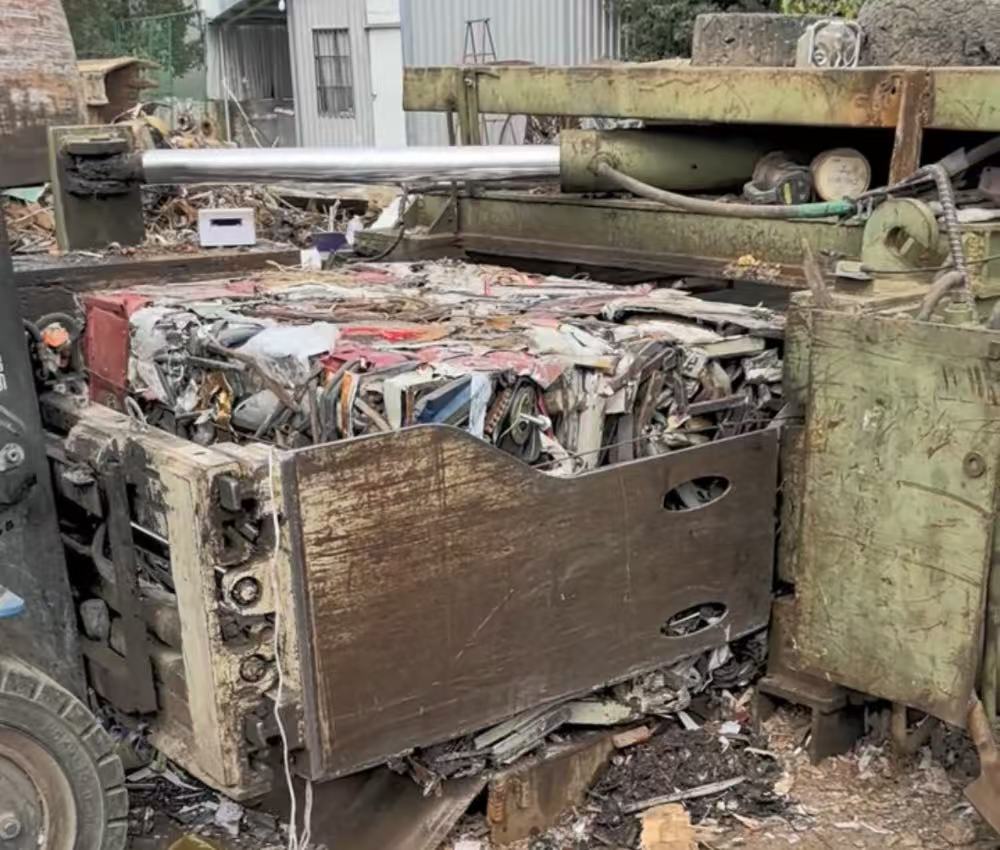
A used horizontal metal baler machine is a second-hand hydraulic recycling machine designed to compress scrap metals such as aluminum, copper, steel, and stainless steel into dense rectangular bales. These compacted bales are easy to store, transport, and resell to recycling plants.
Unlike vertical balers, the horizontal type features a side-loading structure and a continuous feeding system, which makes it ideal for handling large quantities of scrap material. Even though it is pre-owned, a properly maintained horizontal baler can still provide reliable performance at a much lower cost compared to a brand-new one.
Common materials that can be processed include:
-
Scrap iron and steel
-
Aluminum cans and profiles
-
Copper wire and brass
-
Stainless steel scraps
-
Metal chips and turnings
By reducing the metal volume, these machines help recyclers, metal dealers, and manufacturing plants save on logistics, storage space, and labor costs.
Why Choose A Used Horizontal Metal Baler?
Investing in a used metal baler is a cost-effective solution for businesses looking to expand recycling capacity without breaking the budget. Here are the main benefits:
1. Cost Savings
A new horizontal baler can be expensive. A used one typically costs 30–60% less, depending on the brand, condition, and specifications. This makes it an affordable option for startups or small recycling yards.
2. Proven Reliability
Many second-hand balers come from reputable brands and have already been tested in real industrial environments. When refurbished by a qualified manufacturer, they can perform almost like new machines.
3. Faster Delivery Time
While new machines often require several weeks or months for production, a used baler can be shipped immediately after inspection and testing.
4. Environmentally Friendly
Buying second-hand equipment supports the idea of circular economy — giving old machines a second life while reducing the need for new production resources.
5. Easy Maintenance And Operation
Most used balers are already field-proven, meaning spare parts are widely available and technicians are familiar with their operation.
How Does A Used Horizontal Metal Baler Work?
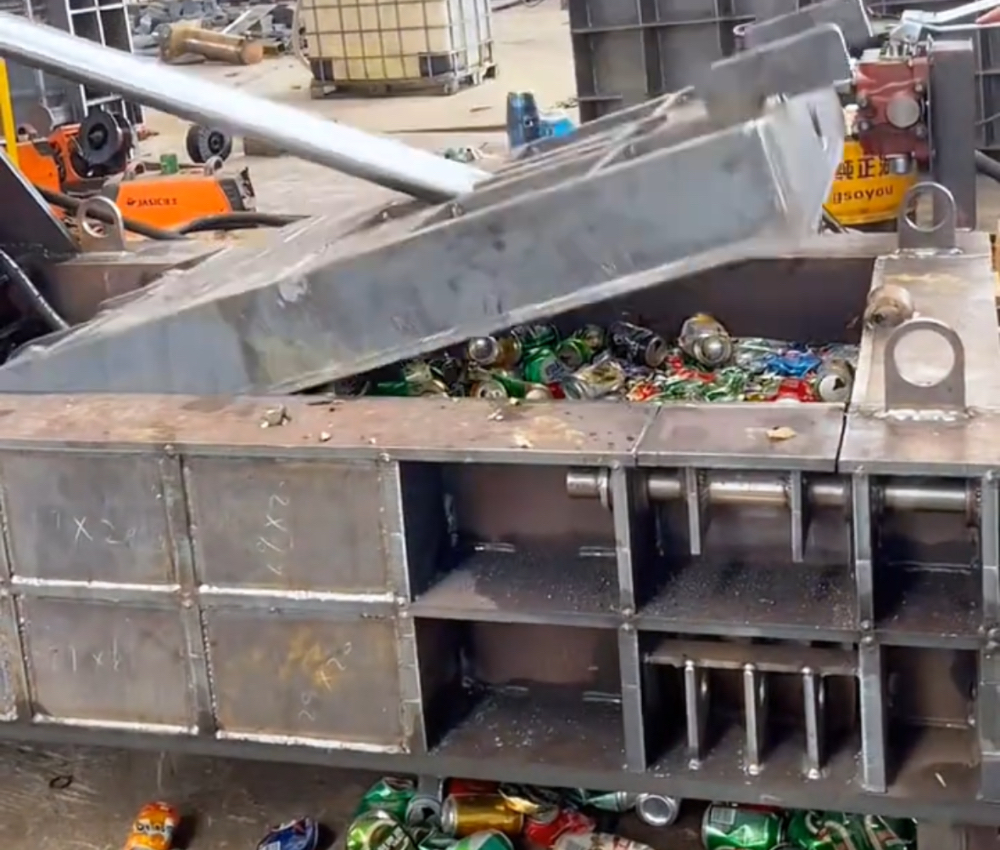
The working process of a horizontal metal baler is simple yet powerful, using hydraulic pressure to compact loose metal materials into solid bales. Below is a general workflow:
-
Feeding The Material
Scrap metal is fed into the hopper or conveyor system manually or automatically. -
Compressing
The hydraulic cylinders apply strong pressure from multiple sides — pushing and compressing the material into a rectangular chamber. -
Forming The Bale
Once the desired density is reached, the baling chamber closes, shaping the metal into a compact block. -
Ejection
The finished bale is automatically pushed out through a side door or ejection system, ready for stacking or transportation. -
Tying (Optional)
Some machines include an automatic strapping system that ties the bales with steel wires for easier handling.
Used horizontal metal balers retain these essential working steps, providing efficient metal compaction without compromising productivity.
Applications Of Used Horizontal Metal Baler Machines
Used horizontal balers are suitable for a wide range of industries, including:
-
Scrap metal recycling centers
-
Steel processing plants
-
Foundries and casting workshops
-
Metal manufacturing factories
-
Waste management companies
These machines are particularly efficient for recycling non-ferrous metals like aluminum and copper, which have high resale value in international markets.
How To Operate A Used Horizontal Metal Baler Safely
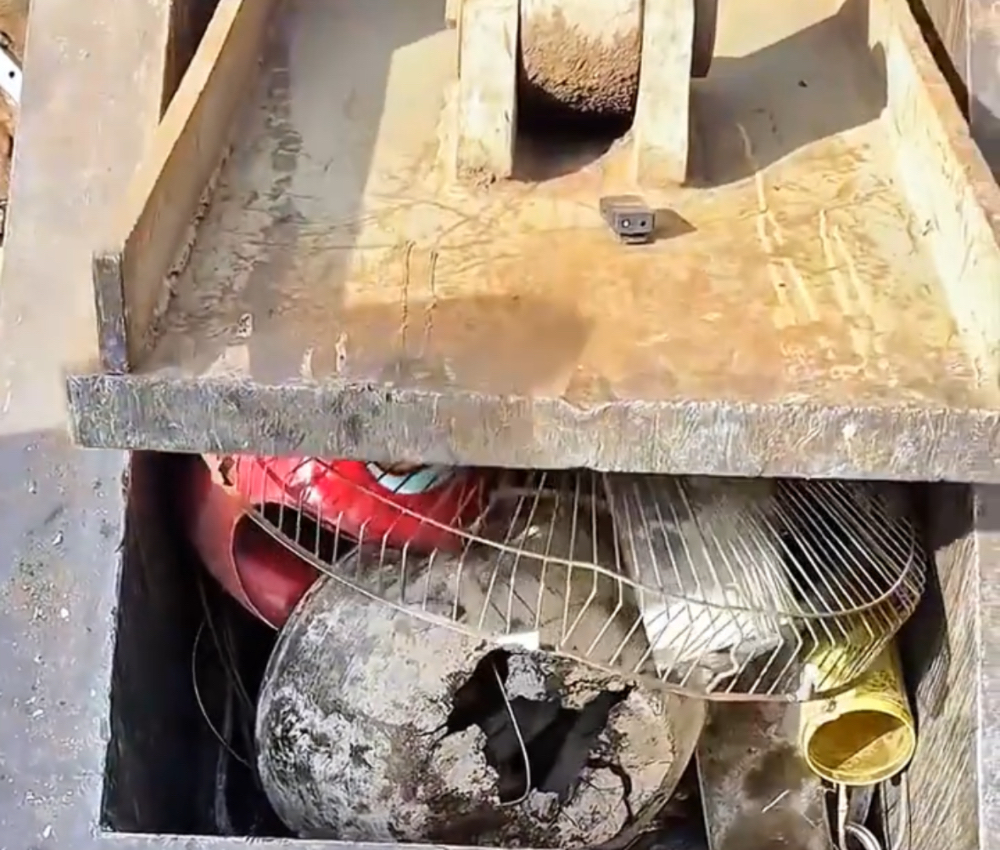
Even for a used machine, safety and correct operation are essential. Below are key operation steps and precautions:
Step 1: Inspection Before Use
Check the hydraulic oil level, pressure hoses, and control valves. Make sure all components are free from leaks or cracks.
Step 2: Start The Power System
Turn on the main power supply and run the hydraulic pump for a few minutes to warm up the system.
Step 3: Load The Scrap
Feed scrap metals into the hopper evenly. Avoid overloading to prevent damage to hydraulic cylinders.
Step 4: Start Compression
Activate the control panel or remote system to begin compression. Most modern balers use automatic cycles for easy operation.
Step 5: Eject The Bale
Once the cycle finishes, the machine will automatically eject the compressed bale. Stack it using a forklift or conveyor.
Step 6: Maintenance After Operation
Clean the chamber, check the oil temperature, and inspect the pressure gauge regularly. Replace seals and filters as needed.
How To Choose The Right Used Horizontal Metal Baler Model
Selecting the proper model is crucial to match your production scale and material type. Here are some practical guidelines:
1. Determine The Type Of Metal
Different metals require different pressures. For light metals like aluminum, a medium-pressure baler is sufficient; for hard steel and heavy scrap, choose a high-pressure model (up to 1250–2000 kN).
2. Check Bale Size And Density
If you plan to transport bales in containers, choose a machine that produces standard bale sizes (for example, 300×300mm or 400×400mm). Higher density means more efficient logistics.
3. Consider Feeding Method
Used balers can have manual feeding, hopper feeding, or conveyor feeding. Choose based on your material flow and site layout.
4. Hydraulic Power And Motor Capacity
Verify that the hydraulic system and motor (usually 18–45 kW) are in good condition and provide stable pressure.
5. Automation Level
Some used models include automatic feeding, bale ejection, or PLC control. If you want to reduce labor cost, look for these upgraded versions.
6. Inspection And Testing
Before purchasing, always request a video test run or onsite inspection to check oil leakage, compression speed, and bale quality.
7. After-Sales Support
Choose a reliable supplier who offers technical support, spare parts, and installation guidance. Even for used equipment, professional service is essential for long-term stability.
Tips For Maintaining A Used Metal Baler
-
Replace hydraulic oil every 3–6 months.
-
Lubricate moving parts weekly.
-
Check pressure gauges and safety valves regularly.
-
Clean the chamber after each working shift.
-
Store the machine in a dry environment to prevent rust.
Proper maintenance extends the service life and keeps your used baler performing efficiently for years.
Conclusion
A used horizontal metal baler machine is a smart investment for any recycling business that needs to increase productivity at a lower cost. It provides powerful hydraulic compression, reliable performance, and environmental benefits — all while saving significant capital.
Whether you handle aluminum, copper, or steel scrap, a high-quality used baler can deliver the same performance as new equipment when purchased from a trusted supplier.
Before buying, carefully evaluate your metal type, production capacity, and automation needs to choose the right model. With the right machine, your recycling operation can achieve higher efficiency, lower costs, and sustainable profit growth.