
Introduction: Smarter Recycling Starts Here
In today’s recycling and waste management industry, efficiency, consistency, and labor savings are no longer optional—they are essential. As recycling volumes grow and labor costs rise, businesses are looking for equipment that can process large amounts of recyclable materials quickly, safely, and with minimal manual intervention. This is where the Fully Automatic Horizontal Baler becomes a game-changer.
A fully automatic horizontal baler is designed for continuous, high-volume operations. It compresses loose recyclable materials into dense, uniform bales that are easy to store, transport, and sell. Whether you are running a recycling center, distribution warehouse, printing plant, paper mill, or waste transfer station, this machine can significantly improve your operational efficiency and profitability.
In this article, we will clearly explain what a fully automatic horizontal baler is, why it is worth investing in, how it works, and how to choose the right model for your specific needs.
What Is A Fully Automatic Horizontal Baler?
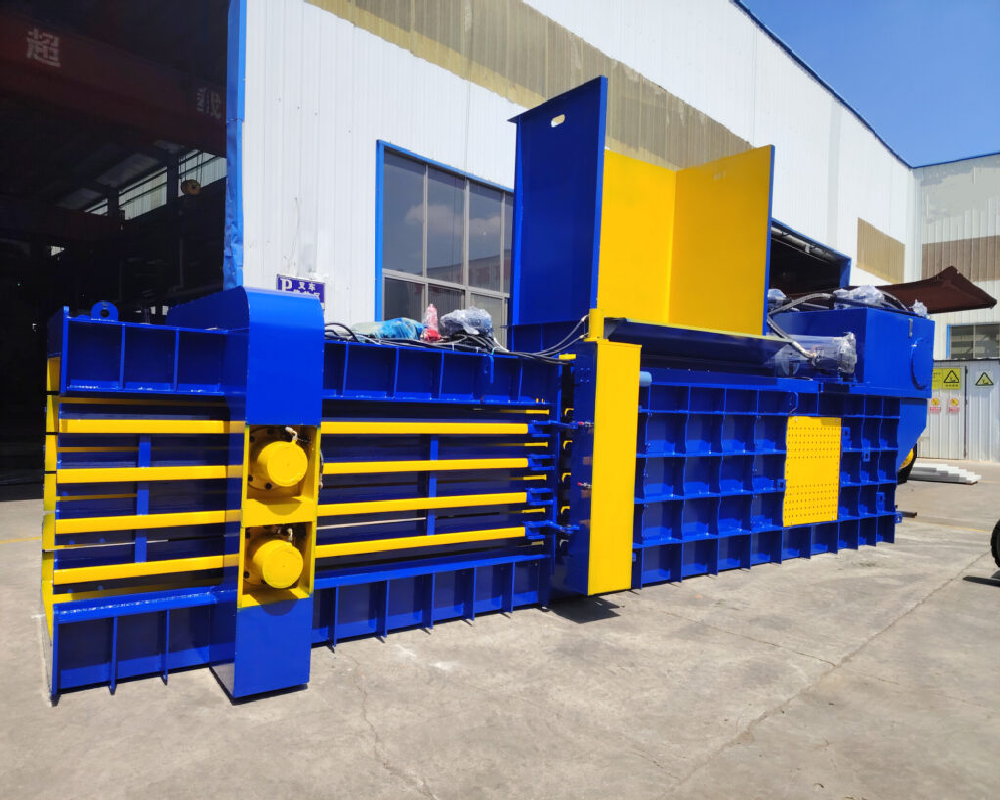
A Fully Automatic Horizontal Baler is an industrial hydraulic machine used to compress recyclable materials into compact rectangular bales. Unlike vertical balers, materials are fed horizontally, making it ideal for continuous and automated feeding systems such as conveyors, air blowers, or sorting lines.
The term “fully automatic” means that the entire baling process—material feeding, compression, bale length control, wire tying, and bale discharge—is completed automatically without manual intervention. Once the machine is running, operators mainly monitor performance rather than physically handling materials or tying wires.
Key Materials Processed
Fully automatic horizontal balers are widely used to process:
- Waste paper and cardboard (OCC, ONP, mixed paper)
- Plastic bottles (PET), plastic films, and rigid plastics (HDPE, PP)
- Aluminum cans and light metal scrap
- Textile waste and soft packaging materials
Because of their high throughput and stable bale quality, these machines are a core component in modern recycling lines.
Why Choose A Fully Automatic Horizontal Baler?
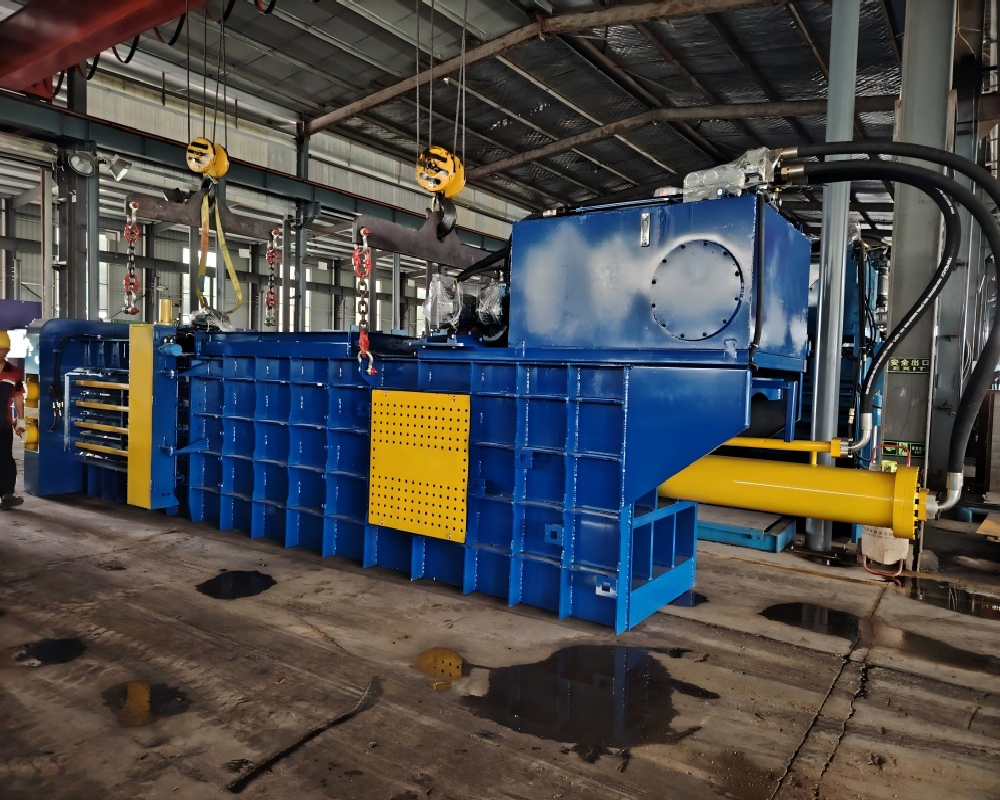
High Efficiency And Continuous Operation
One of the biggest advantages of a fully automatic horizontal baler is its ability to work continuously. Materials can be fed non-stop, allowing the machine to produce bales around the clock. This dramatically increases output compared to semi-automatic or vertical balers.
For facilities handling several tons of material per hour, automation is not just convenient—it is essential.
Significant Labor Cost Reduction
Traditional baling methods often require multiple workers for feeding, tying, and unloading bales. A fully automatic horizontal baler reduces labor needs to a minimum. One operator can supervise the entire system, resulting in long-term savings on labor costs.
Consistent Bale Size And Weight
Uniform bales are easier to stack, transport, and sell. Fully automatic balers use sensors and programmable logic control (PLC) systems to ensure consistent bale length, density, and weight. This consistency is especially important when selling recyclables to mills or exporters with strict specifications.
Improved Safety And Clean Operation
Automation reduces direct human contact with moving parts and compressed materials. Safety interlocks, emergency stop systems, and enclosed compression chambers help create a safer working environment. In addition, a clean and organized baling system improves overall plant management.
Lower Transportation And Storage Costs
Densely compressed bales take up less space, reducing storage area requirements and transportation costs. Higher bale density also means more material can be loaded into each container or truck, maximizing logistics efficiency.
How Does A Fully Automatic Horizontal Baler Work?
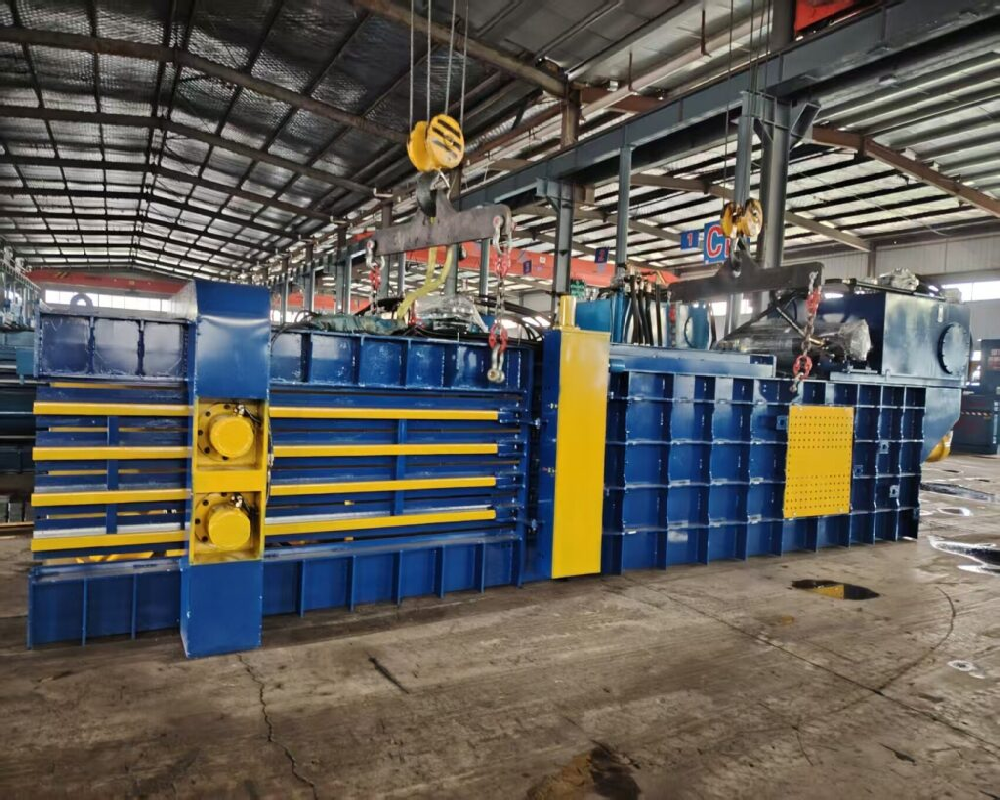
Understanding the working process helps operators and buyers better evaluate the machine’s value.
Step 1: Automatic Feeding
Materials are fed into the baler through a conveyor belt, hopper, or air system. This allows seamless integration with sorting lines, shredders, or crushers.
Step 2: Hydraulic Compression
A powerful hydraulic ram pushes materials into the compression chamber. The ram applies high pressure, compacting the material layer by layer to achieve maximum density.
Step 3: Automatic Bale Length Control
Sensors monitor the compression cycles and automatically determine when the bale has reached the preset length. This ensures consistent bale size without manual adjustment.
Step 4: Automatic Wire Tying
Once the bale reaches the desired length, the machine automatically feeds steel wire or plastic strapping through the bale and ties it securely. This step is fully automated and synchronized with the baling cycle.
Step 5: Bale Discharge
After tying, the finished bale is automatically pushed out of the chamber and ready for storage or transport. The baler then immediately continues with the next bale, ensuring uninterrupted operation.
Main Components Of A Fully Automatic Horizontal Baler
A high-quality fully automatic horizontal baler typically includes:
- Heavy-duty steel frame for long-term durability
- High-pressure hydraulic system with reliable pumps and cylinders
- PLC control system with touch screen interface
- Automatic wire tying system
- Wear-resistant compression chamber and ram
- Safety protection and emergency stop devices
Each component plays a critical role in ensuring stable performance, high efficiency, and long service life.
How To Choose The Right Fully Automatic Horizontal Baler
Selecting the correct model is crucial for maximizing return on investment. Below are key factors to consider.
Material Type And Characteristics
Different materials have different compression behaviors. For example, cardboard requires less pressure than plastic bottles, while film plastics may need special feeding or anti-wrapping designs. Always choose a baler specifically designed for your primary materials.
Required Throughput Capacity
Evaluate how many tons per hour you need to process. Fully automatic horizontal balers range from small models processing 2–3 tons per hour to large industrial units exceeding 20 tons per hour. Choosing the right capacity avoids underperformance or unnecessary overspending.
Bale Size And Weight Requirements
Consider the bale specifications required by your buyers or transport partners. Bale width, height, length, and weight should match market and logistics standards.
Level Of Automation
Some applications require full automation with automatic feeding and tying, while others may only need automatic tying. Clarify your automation needs based on labor availability and production scale.
Power Supply And Installation Space
Check your available power supply, voltage, and frequency. Also ensure your facility has sufficient space for machine installation, maintenance access, and bale handling.
After-Sales Service And Spare Parts
A fully automatic horizontal baler is a long-term investment. Reliable technical support, spare parts availability, and clear maintenance guidance are essential for minimizing downtime.
Typical Applications And Industries
Fully automatic horizontal balers are widely used in:
- Recycling plants and material recovery facilities (MRFs)
- Paper mills and printing factories
- Logistics centers and distribution warehouses
- Supermarkets and large retail chains
- Plastic recycling and reprocessing plants
Their flexibility and scalability make them suitable for both growing businesses and large industrial operations.
Conclusion: A Smart Investment For Long-Term Growth
A Fully Automatic Horizontal Baler is more than just a piece of recycling equipment—it is a strategic investment in efficiency, safety, and sustainability. By automating the baling process, businesses can reduce labor costs, increase throughput, improve bale quality, and optimize logistics.
If your operation handles large volumes of recyclable materials and demands consistent, high-efficiency output, a fully automatic horizontal baler is the ideal solution. Choosing the right model based on your materials, capacity needs, and operational conditions will ensure strong performance and long-term returns.
As recycling standards continue to rise worldwide, investing in advanced baling technology today will help your business stay competitive tomorrow.