
Introduction To Metal Briquetting Machines
Ametal briquetting machine, also known as a metal briquette press, is an industrial machine designed to compress loose metal scraps into dense, compact briquettes. These briquettes are easier to store, transport, recycle, and remelt, making briquetting machines essential equipment in metal processing plants, machining workshops, and recycling facilities.
One of the most critical factors in selecting the right metal briquetting machine is pressure. Insufficient pressure will result in loose, fragile briquettes, while excessive pressure may increase costs unnecessarily. Understanding how to calculate and evaluate the required pressure helps users choose a machine that is both efficient and cost-effective.
What Is Briquetting Pressure
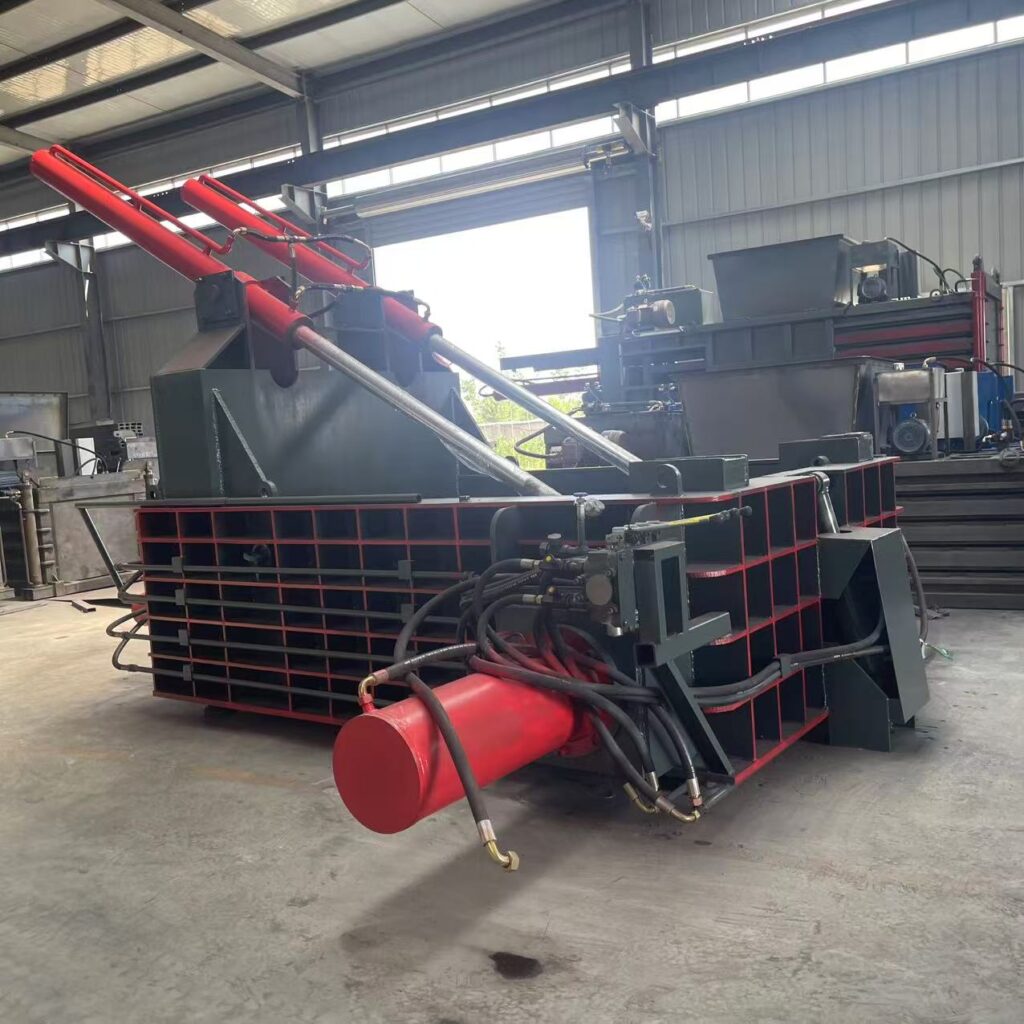
Briquetting pressure refers to the hydraulic force applied by the main cylinder to compress metal chips or scraps inside the pressing chamber. It is usually measured in tons (e.g., 80 tons, 100 tons, 160 tons).
This pressure determines how tightly the metal material is compacted and how solid the final briquette becomes.
Why Pressure Matters In Metal Briquetting
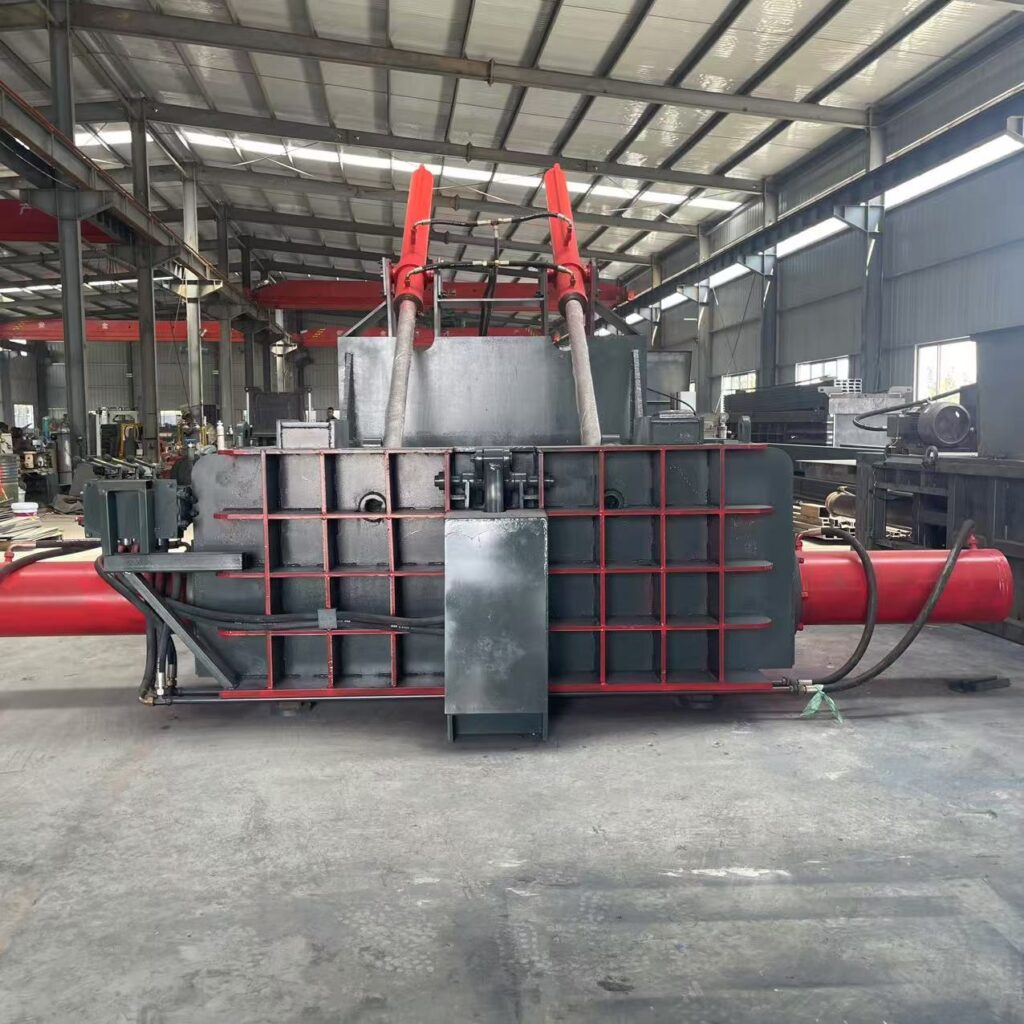
ressure is the core working force of a metal briquetting machine. It directly affects:
-
Briquette density and strength
-
Moisture and oil removal efficiency
-
Machine stability and service life
-
Final recycling and remelting performance
Different metal materials require different compression forces. Choosing the correct pressure ensures the briquettes meet recycling standards while avoiding equipment overcapacity.
Understanding Pressure In A Metal Briquetting Machine
What Is Briquetting Pressure
Briquetting pressure refers to the hydraulic force applied by the main cylinder to compress metal chips or scraps inside the pressing chamber. It is usually measured in tons (e.g., 80 tons, 100 tons, 160 tons).
This pressure determines how tightly the metal material is compacted and how solid the final briquette becomes.
Hydraulic Pressure Vs. Pressing Force
It is important to distinguish between:
-
Hydraulic Pressure (MPa or bar) – pressure inside the hydraulic system
-
Pressing Force (Tons) – actual force applied to the material
Customers usually focus on pressing force, as it is easier to understand and compare between machines.
Key Factors That Determine Required Pressure
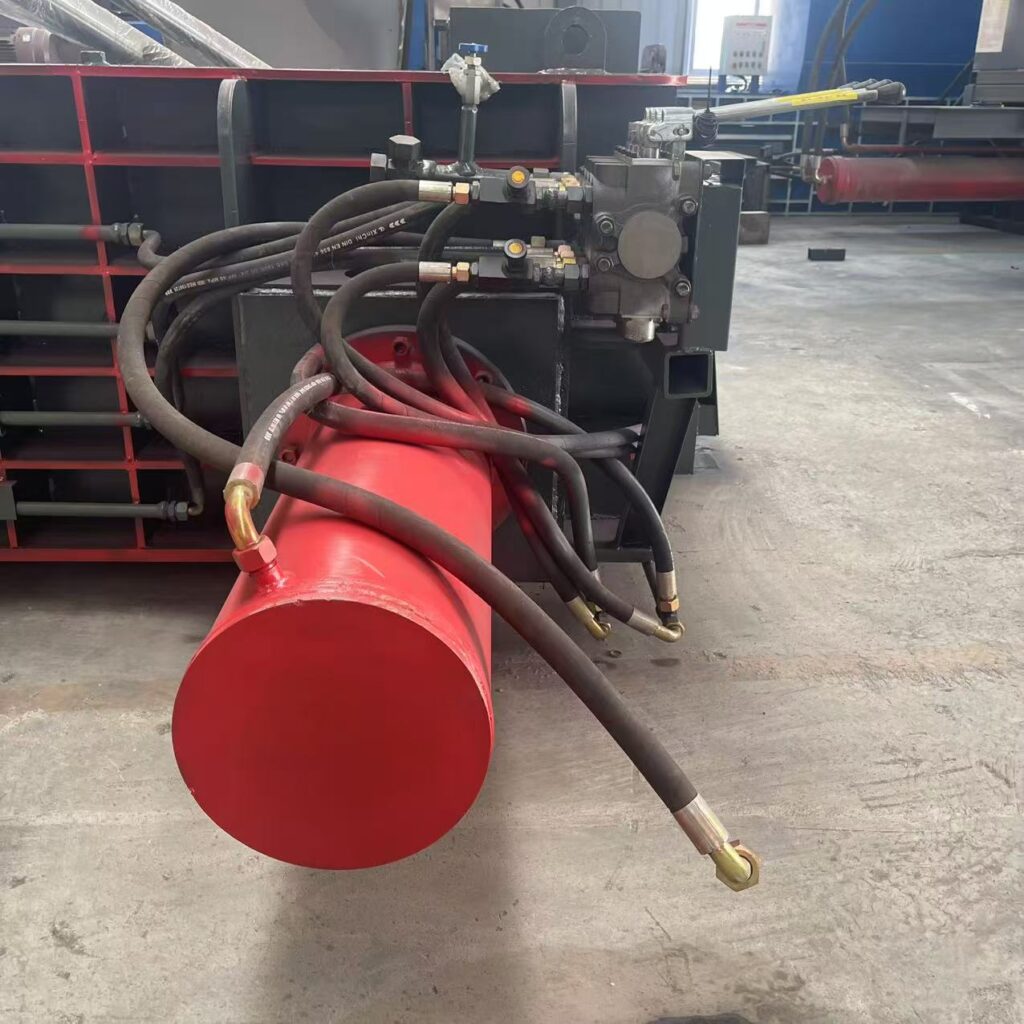
Type Of Metal Material
Different metals have different hardness and compressibility.
-
Aluminum chips: low to medium pressure
-
Copper chips: medium pressure
-
Steel chips: high pressure
-
Stainless steel chips: very high pressure
Harder metals require higher pressing force to achieve the same briquette density.
Shape And Size Of Metal Scraps
Metal scraps can appear as:
-
Turning chips
-
Milling chips
-
Powder-like fines
-
Long and curly shavings
Long and loose chips usually need higher pressure to form stable briquettes, while fine chips can be compacted with lower force.
Moisture And Oil Content
If metal chips contain cutting oil or coolant:
-
Higher pressure helps squeeze out liquids
-
Insufficient pressure leads to wet and unstable briquettes
For oily materials, pressure must be calculated together with oil drainage design.
Required Briquette Density
Different recycling applications require different briquette densities:
-
Storage and transportation: medium density
-
Furnace charging: high density
-
Direct remelting: very high density
The higher the density requirement, the higher the pressure needed.
How To Calculate The Required Briquetting Pressure
Step One: Identify The Metal Material
Start by confirming the exact metal type, such as:
-
Aluminum alloy
-
Mild steel
-
Stainless steel
-
Copper or brass
Each material has a general recommended pressure range based on industry experience.
Step Two: Determine Desired Briquette Size
Bigger briquettes require higher pressure to ensure internal strength. Common briquette diameters include:
-
60 mm
-
70 mm
-
90 mm
Larger briquettes need more force to maintain shape integrity.
Step Three: Estimate Target Density
Target density is usually defined as a percentage of solid metal density. For example:
-
Aluminum briquettes: 1.8–2.3 g/cm³
-
Steel briquettes: 5.5–6.5 g/cm³
Higher target density directly increases pressure requirements.
Step Four: Apply Industry Reference Pressure Values
Below is a general reference (for guidance only):
-
Aluminum chips: 60–100 tons
-
Copper chips: 80–120 tons
-
Steel chips: 100–160 tons
-
Stainless steel chips: 160–200 tons
These values help narrow down machine selection quickly.
Matching Pressure With Machine Models
Small Capacity Briquetting Machines
Small machines usually offer:
-
Pressing force: 60–80 tons
-
Suitable for aluminum or soft metals
-
Low power consumption
-
Ideal for small workshops
They are cost-effective but limited in material flexibility.
Medium Capacity Briquetting Machines
Medium machines typically provide:
-
Pressing force: 100–130 tons
-
Suitable for steel and mixed metal chips
-
Balanced efficiency and cost
-
Most popular choice for factories
This category covers the majority of industrial needs.
High Capacity Briquetting Machines
High-pressure machines offer:
-
Pressing force: 160–200 tons or more
-
Designed for stainless steel and hard alloys
-
High density briquettes
-
Heavy-duty hydraulic systems
These machines are ideal for large-scale recycling operations.
Common Mistakes When Choosing Briquetting Pressure
Choosing Too Low Pressure
Low pressure results in:
-
Cracked or loose briquettes
-
Difficult handling and transportation
-
Poor furnace performance
This leads to lower recycling value.
Choosing Excessively High Pressure
Too much pressure may cause:
-
Higher machine cost
-
Increased energy consumption
-
Unnecessary wear on components
Proper calculation avoids overinvestment.
Additional Factors Beyond Pressure
Hydraulic System Quality
A stable hydraulic system ensures consistent pressure output and long-term reliability.
Mold And Chamber Design
Good mold design improves briquette quality even with moderate pressure.
Automation Level
Fully automatic feeding and discharge systems improve efficiency and reduce labor costs.
Practical Recommendation For Buyers
When selecting a metal briquetting machine:
-
Confirm metal type and chip form
-
Define desired briquette size and density
-
Match pressure range to real application
-
Choose a machine with some pressure margin
-
Work with an experienced manufacturer
A professional supplier can help calculate pressure accurately based on real materials.
How Testing Material Samples Improves Pressure Selection Accuracy
One of the most effective ways to determine the correct pressure for a metal briquetting machine is through material sample testing. Instead of relying only on theoretical calculations, real material testing provides direct and reliable data.
By testing actual metal chips from the customer’s production line, manufacturers can observe how the material behaves under different pressure levels. Factors such as elasticity, rebound after compression, and liquid release become clearly visible during testing. This allows engineers to fine-tune the pressure settings and recommend the most appropriate machine model.
Sample testing is especially important when dealing with mixed metal chips, coated materials, or scraps with high oil content. These materials often behave differently from standard references and may require pressure adjustments beyond normal ranges.
Why Working With An Experienced Manufacturer Matters
Selecting a metal briquetting machine is not only about numbers and specifications. An experienced manufacturer brings practical knowledge gained from hundreds of real-world applications.
Professional suppliers can quickly identify whether a customer needs higher pressure, a different mold design, or additional pre-treatment equipment. They can also recommend future-proof solutions, ensuring the machine can handle production increases or material changes later on.
In addition, experienced manufacturers provide better after-sales support, including pressure adjustment guidance, hydraulic system maintenance, and mold replacement advice. This long-term technical support helps customers maintain stable briquetting performance and maximize return on investment.
Final Thoughts On Pressure Calculation And Machine Selection
Accurate pressure calculation, combined with practical experience and proper machine design, is the key to successful metal briquetting. By evaluating materials carefully and working with a reliable supplier, users can ensure consistent briquette quality, efficient recycling, and long-term operational stability.
Conclusion
Calculating the correct pressure for a metal briquetting machine is essential for producing high-quality briquettes and maximizing recycling efficiency. By understanding material properties, briquette requirements, and machine capabilities, buyers can confidently choose the most suitable model without overspending.
Selecting the right pressure is not about choosing the biggest machine, but about choosing the right machine for your specific application.