
Introduction To Horizontal Non Metal Balers
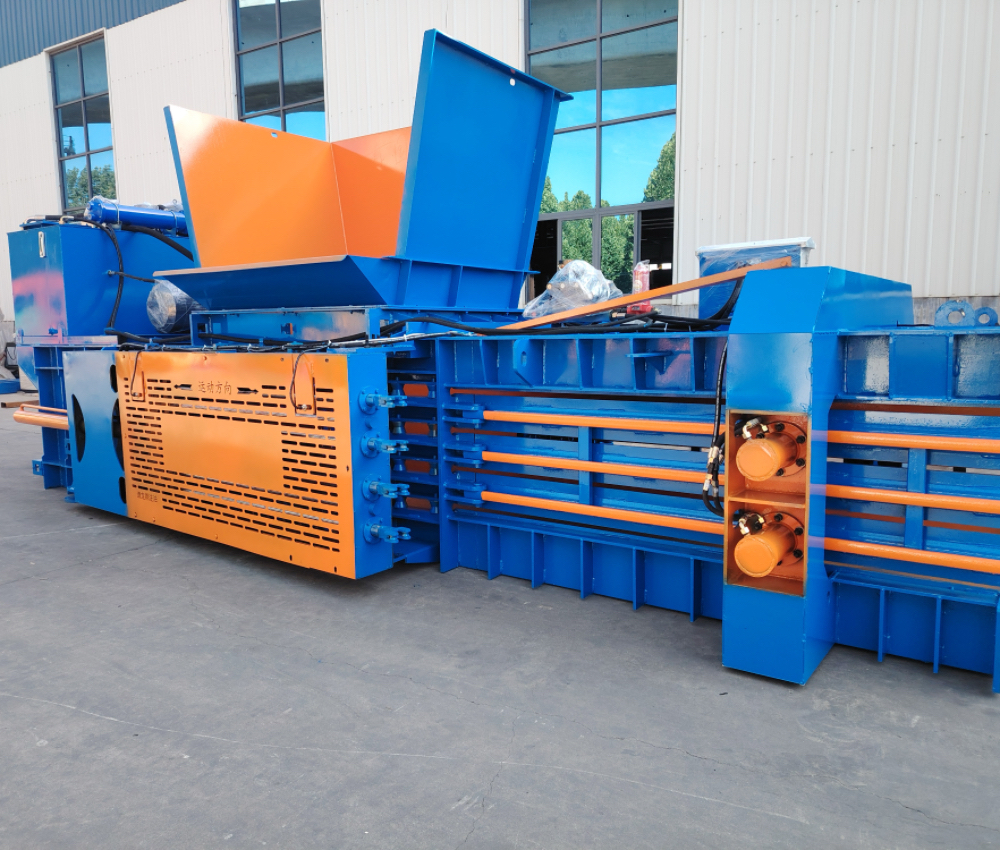
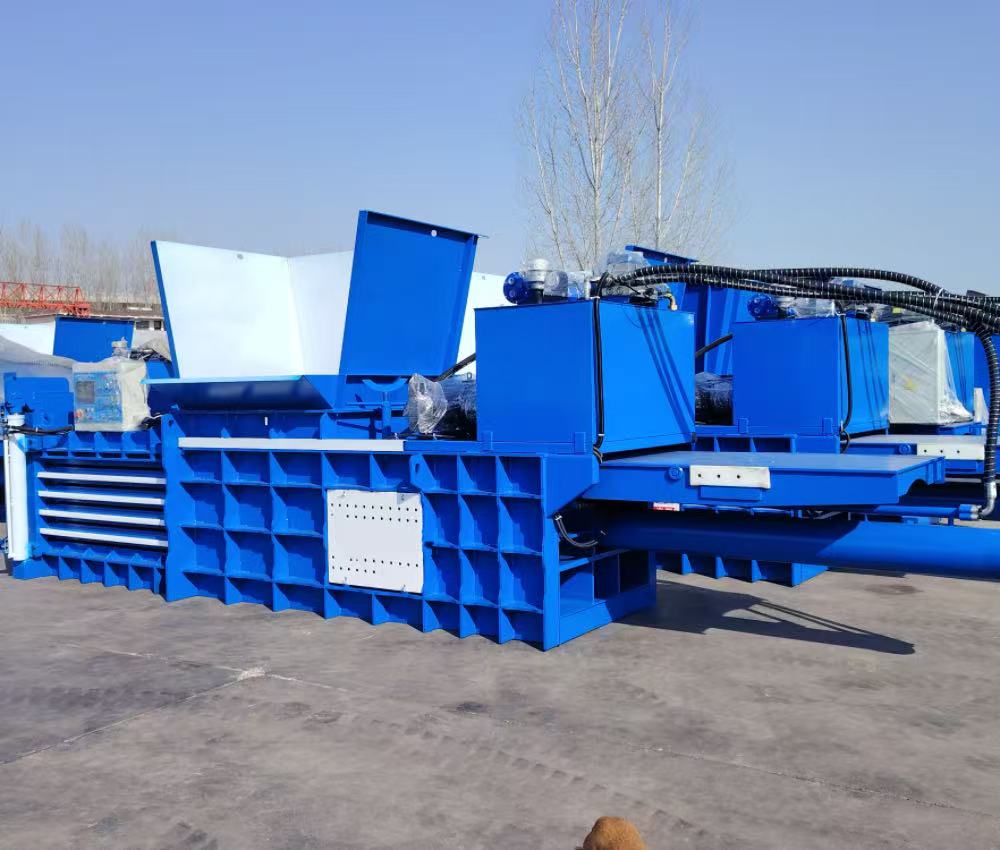
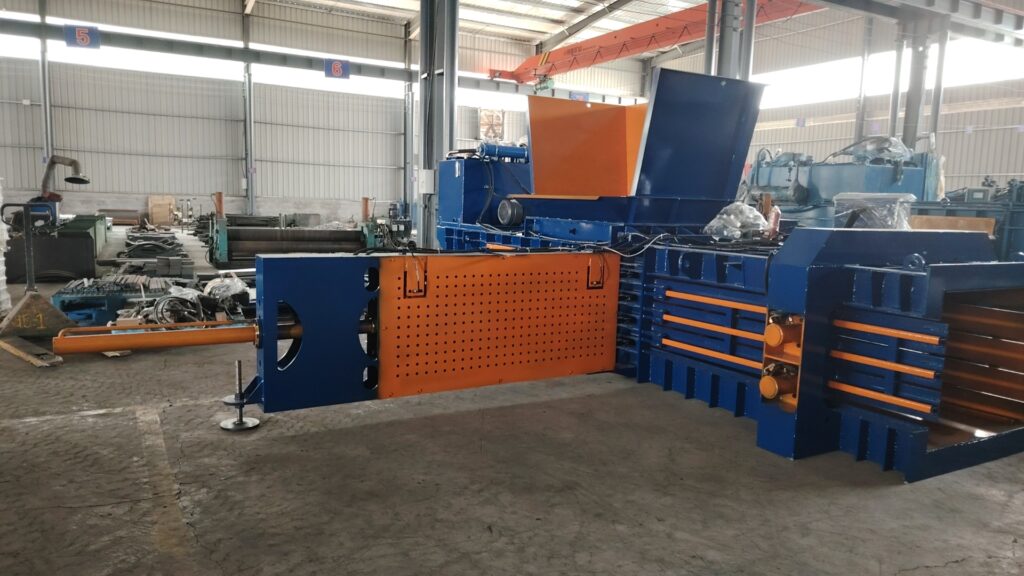
A horizontal non metal baler is a widely used recycling machine designed to compress loose, lightweight materials into dense and uniform bales. Common materials include cardboard, paper, plastic bottles, plastic film, woven bags, textile waste, and other non-metal recyclable materials.
Compared with vertical balers, horizontal balers are more suitable for continuous feeding, high output, and automated recycling lines. One of the most important factors when selecting a horizontal non metal baler is pressing pressure, as it directly affects bale density, bale weight, operating efficiency, and transportation cost.
Understanding how to calculate the required pressure and how to match it with the right machine model helps users avoid underperforming equipment or unnecessary overinvestment.
Why Pressure Is Critical In Horizontal Non Metal Baling
-
Stable and compact bale shape
-
Higher bale density and weight
-
Reduced transportation and storage costs
-
Improved loading efficiency
-
Better compatibility with downstream recycling processes
If the pressure is too low, bales may be loose and unstable. If the pressure is too high, it may increase machine cost, energy consumption, and wear on hydraulic components.
Understanding Pressure In A Horizontal Non Metal Baler
What Pressing Pressure Means
In a horizontal baler, pressing pressure refers to the force generated by the main hydraulic cylinder to compress materials inside the compression chamber. It is usually expressed in tons, such as 80 tons, 100 tons, 120 tons, or higher.
This force determines how much resistance the material can overcome during compression.
Difference Between System Pressure And Pressing Force
It is important to distinguish between:
-
Hydraulic System Pressure (MPa or bar)
-
Actual Pressing Force (Tons)
For machine selection, pressing force is the more practical reference, as it directly reflects baling capability.
Key Factors That Affect Required Baling Pressure
Type Of Non Metal Material
Different materials have very different compressibility characteristics.
-
Cardboard and OCC: medium pressure
-
Mixed paper: medium to high pressure
-
Plastic bottles (PET): high pressure
-
Plastic film and soft plastics: lower pressure
-
Textile and clothing waste: medium pressure
Harder or more elastic materials generally require higher pressure to achieve stable bale density.
Material Elasticity And Rebound
Elastic materials such as plastic film, plastic straps, and textiles tend to rebound after compression. This rebound effect means that higher pressure is required to maintain bale shape after tying.
Materials with strong rebound characteristics are a key reason why pressure calculation is important.
Feeding Method And Continuity
Continuous feeding systems place higher demands on pressure stability. If the machine feeds material continuously, the baler must maintain sufficient pressure to ensure consistent bale density throughout the entire cycle.
Desired Bale Weight And Size
Bale specifications vary depending on customer requirements and logistics conditions. Common bale weights range from:
-
300–500 kg for cardboard
-
400–800 kg for plastic bottles
-
200–400 kg for plastic film
Higher bale weight and larger bale size require higher pressing force.
How To Calculate The Required Pressure Step By Step
Step One: Identify The Main Material Type
The first step is to clearly define the primary material to be processed. If multiple materials are involved, pressure calculation should be based on the hardest or most elastic material.
For example, if both cardboard and plastic bottles are processed, the pressure should be calculated based on plastic bottles.
Step Two: Define Target Bale Density
Bale density is a key indicator of baling quality. Typical density ranges include:
-
Cardboard: 350–450 kg/m³
-
Plastic bottles: 450–650 kg/m³
-
Plastic film: 200–300 kg/m³
Higher density requires higher pressure and longer compression time.
Step Three: Determine Bale Chamber Size
A larger bale chamber produces larger bales, but also requires greater force to compress the same material volume. Chamber width, height, and length all influence the required pressure.
Step Four: Use Industry Reference Pressure Ranges
Below are commonly used reference values:
-
Cardboard and paper: 80–100 tons
-
Plastic bottles (PET): 100–120 tons
-
Mixed plastics: 120–150 tons
-
Textile waste: 80–120 tons
These values provide a reliable starting point for machine selection.
Choosing The Right Horizontal Non Metal Baler Model
Small And Medium Output Balers
These machines usually feature:
-
Pressing force: 80–100 tons
-
Semi-automatic or automatic operation
-
Suitable for small recycling centers and warehouses
-
Lower investment cost
They are ideal for users with limited space or moderate output requirements.
Medium And High Output Balers
Medium to high output balers typically offer:
-
Pressing force: 100–120 tons
-
Continuous feeding capability
-
Automatic bale length control
-
Stable bale density
This category is the most popular choice for professional recycling facilities.
Heavy Duty Horizontal Balers
Heavy duty models are designed for demanding applications:
-
Pressing force: 120–150 tons or higher
-
Large bale chambers
-
Strong hydraulic and frame structure
-
Designed for plastics and high rebound materials
These machines are suitable for large recycling plants and export-oriented operations.
Common Mistakes When Selecting Baling Pressure
Selecting Too Low Pressure
Low pressure leads to:
-
Loose and unstable bales
-
Increased transportation costs
-
Difficulty in stacking and loading
This reduces overall recycling efficiency.
Selecting Excessively High Pressure
Excessive pressure may result in:
-
Higher machine purchase cost
-
Increased energy consumption
-
Faster wear of hydraulic components
Correct calculation helps balance performance and cost.
Other Important Factors Beyond Pressure
Hydraulic System Quality
A high-quality hydraulic system ensures stable pressure output and long service life.
Bale Tying System
Reliable tying systems help maintain bale shape even when processing elastic materials.
Automation And Control System
Advanced control systems improve efficiency, reduce labor requirements, and ensure consistent bale quality.
Practical Advice For Buyers
When choosing a horizontal non metal baler:
-
Clearly define material type and output
-
Determine desired bale size and weight
-
Calculate pressure based on real application
-
Choose a machine with reasonable pressure margin
-
Work with an experienced manufacturer
Professional suppliers can help optimize pressure selection based on real operating conditions.
Conclusion
Calculating the correct pressure for a horizontal non metal baler is essential for efficient recycling operations. By understanding material characteristics, bale requirements, and machine capabilities, users can confidently select the most suitable baler.
The right pressure ensures high-quality bales, lower operating costs, and long-term machine reliability. Choosing the right machine is not about selecting the highest pressure, but about selecting the most appropriate pressure for your specific recycling needs.