
What Is A Single Shaft Shredder
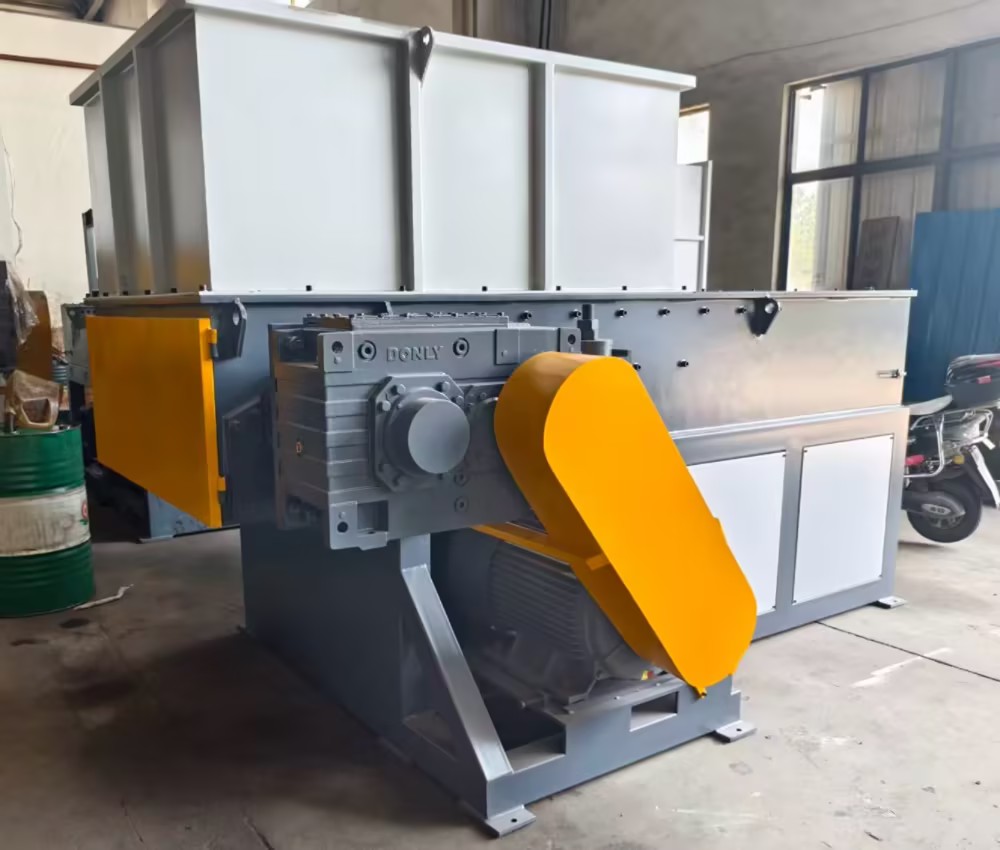
A Single Shaft Shredder Is An Industrial Size Reduction Machine Designed To Cut, Tear, And Shear Various Materials Into Uniform Pieces Using One Rotating Shaft. The Shaft Is Equipped With Multiple Cutting Knives That Work Together With A Stationary Counter Knife. Material Is Pushed Toward The Rotor By A Hydraulic Ram Or Pusher, Ensuring Stable, Controlled, And Continuous Shredding.
Unlike Dual Shaft Or Four Shaft Shredders, A Single Shaft Shredder Focuses On Precision And Consistency. The Output Size Can Be Accurately Controlled By A Screen Installed Under The Rotor, Making It Ideal For Applications Where Uniform Particle Size Is Required.
Single Shaft Shredders Are Widely Used In Recycling Plants, Manufacturing Facilities, And Waste Processing Centers. Typical Materials Include Plastics, Rubber, Wood, Paper, Light Metals, Electronic Waste, Textile Waste, And Production Scrap.
Core Structure And Working Principle
A Single Shaft Shredder Is Mainly Composed Of The Following Parts:
- Rotor Shaft With Replaceable Knives
- Fixed Counter Knife
- Hydraulic Or Electric Pusher System
- Screen For Output Size Control
- Gearbox And Motor Drive System
- Electrical Control System
During Operation, Material Is Fed Into The Hopper. The Pusher Gradually Presses The Material Toward The Rotating Shaft. The Rotor Knives Cut The Material Against The Counter Knife, Reducing It Into Smaller Pieces. Once The Pieces Are Small Enough, They Fall Through The Screen And Are Discharged.
This Design Ensures High Efficiency, Low Shock Load, And Excellent Protection For The Drive System.
Why Single Shaft Shredders Are So Popular
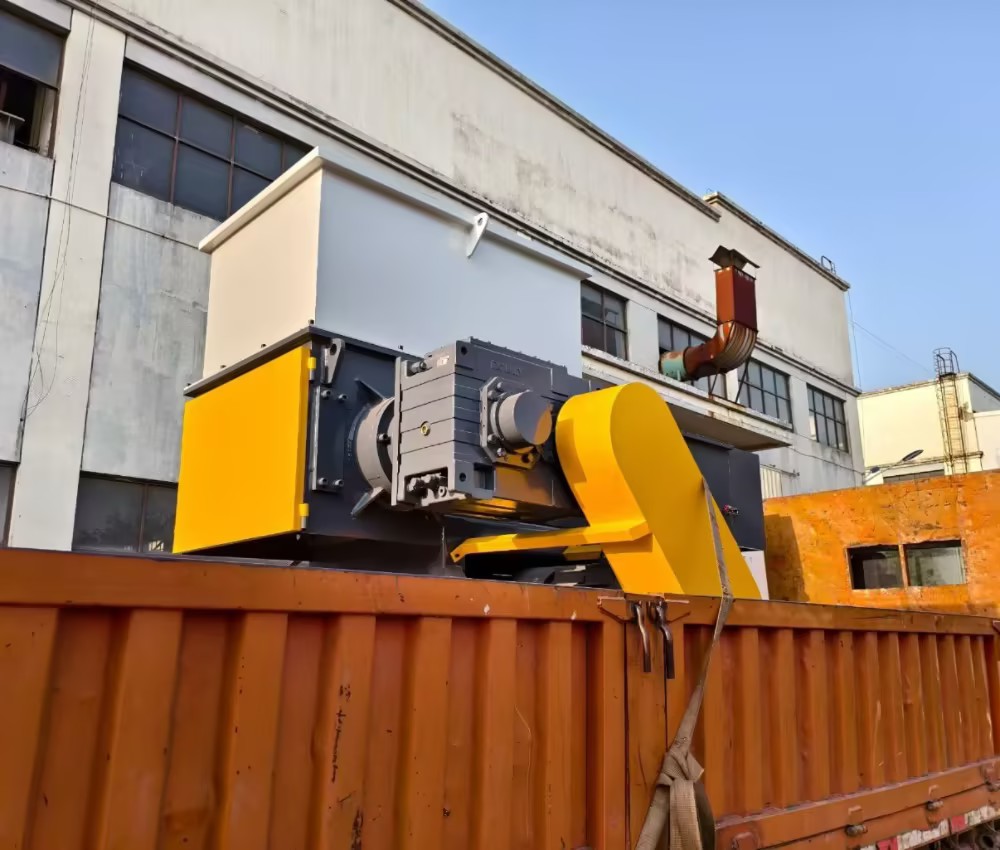
Stable And Controlled Shredding
The Pusher System Ensures That Material Is Fed Evenly. This Prevents Sudden Overloading And Improves Overall Stability Compared To Gravity-Fed Shredders.
Uniform Output Size
Thanks To The Screen System, Output Size Can Be Customized From Small Chips To Larger Pieces Simply By Changing The Screen. This Is Especially Important For Downstream Processes Such As Granulation, Washing Lines, Or Briquetting.
Strong Versatility Of Materials
A Single Shaft Shredder Can Handle A Wide Range Of Materials, From Soft Plastics To Hard Rubber And Light Metals. With Different Knife Designs, It Can Be Optimized For Specific Applications.
Lower Operating Cost
Replaceable Knives, Optimized Cutting Geometry, And Intelligent Control Systems Help Reduce Wear And Energy Consumption. Maintenance Is Simple And Cost-Effective.
High Safety Level
Modern Single Shaft Shredders Are Equipped With Overload Protection, Auto Reverse Functions, And Emergency Stop Systems To Protect Both The Machine And The Operator.
Typical Applications Of Single Shaft Shredders
Single Shaft Shredders Are Used Across Many Industries:
- Plastic Recycling: Films, Pipes, Bottles, Injection Scrap
- Rubber Processing: Tires, Rubber Blocks, Conveyor Belts
- Wood Waste: Pallets, MDF, Plywood, Furniture Waste
- Electronic Waste: WEEE, Plastic Housings, Cables
- Textile Waste: Fabric Rolls, Clothes, Industrial Textiles
- Light Metal Scrap: Aluminum Profiles, Cans, Thin Sheets
Their Ability To Produce Consistent Output Makes Them Ideal As A Primary Or Secondary Shredding Solution.
How To Use A Single Shaft Shredder Correctly
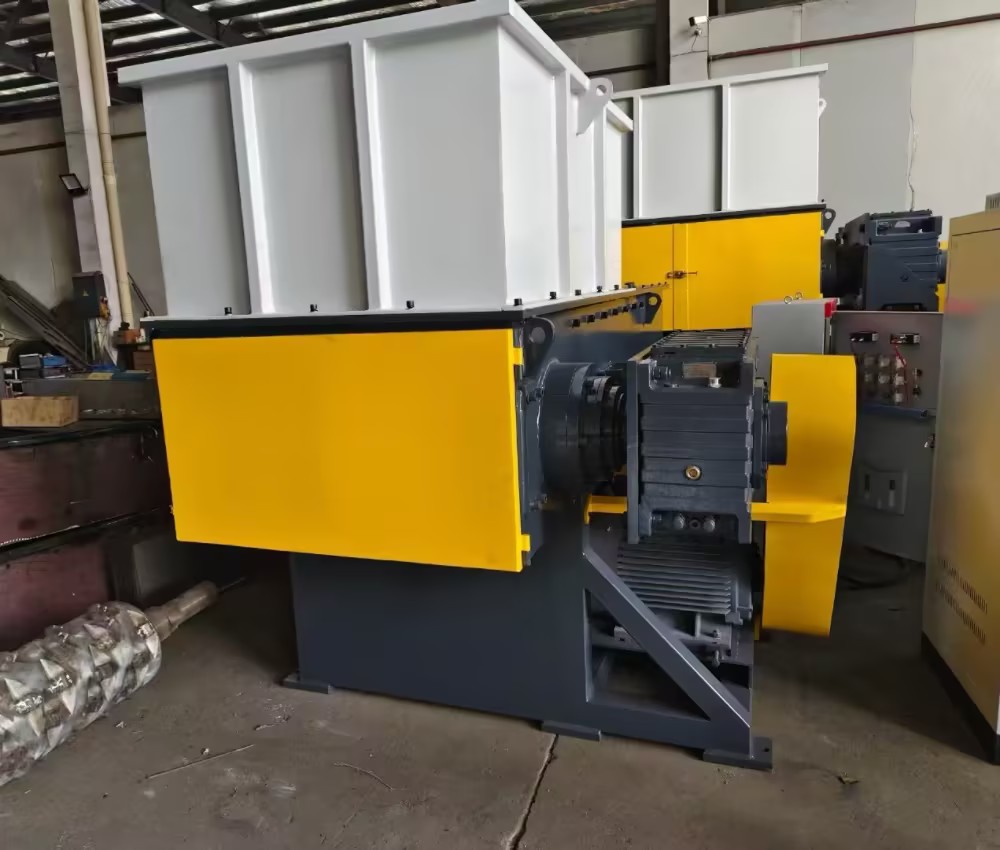
Step One: Material Preparation
Before Feeding Material Into The Shredder, Inspect It Carefully. Remove Large Metal Parts, Stones, Or Other Contaminants That Could Damage The Knives. Ensure The Material Size Matches The Hopper Capacity.
Step Two: Machine Setup
Check Oil Level, Hydraulic System Pressure, And Electrical Connections. Confirm That The Screen Size Matches Your Desired Output. Make Sure All Safety Covers Are Properly Installed.
Step Three: Start-Up Procedure
Start The Machine Without Load And Let It Run Idle For A Few Minutes. This Allows You To Confirm Normal Rotation Direction, Noise Level, And System Pressure.
Step Four: Feeding And Operation
Feed Material Evenly. Avoid Overloading The Hopper. The Pusher Will Automatically Adjust Feeding Speed Based On Load Conditions. Monitor The Current And Hydraulic Pressure During Operation.
Step Five: Shutdown And Cleaning
After Operation, Stop Feeding Material And Let The Machine Run Until The Chamber Is Empty. Power Off The Machine And Clean Residual Material From The Hopper And Discharge Area.
Maintenance Tips For Long Service Life
- Regularly Check Knife Wear And Rotate Or Replace Knives In Time
- Keep Hydraulic Oil Clean And Replace According To Schedule
- Inspect Screen For Damage Or Blockage
- Tighten Bolts And Electrical Connections Periodically
- Lubricate Bearings As Recommended
Proper Maintenance Can Significantly Extend Machine Life And Reduce Unexpected Downtime.
How To Choose The Right Single Shaft Shredder Model
Selecting The Right Model Is Critical For Efficiency And Return On Investment. Below Are Key Factors To Consider.
Material Type And Hardness
Different Materials Require Different Knife Designs And Rotor Strength. Soft Plastics Need Sharp Cutting Angles, While Rubber And Light Metals Require Stronger, More Wear-Resistant Knives.
Required Throughput Capacity
Define Your Target Output In Tons Per Hour. Overestimating Capacity Increases Cost, While Underestimating Leads To Bottlenecks. Choose A Model That Matches Your Actual Production Needs.
Feeding Size And Hopper Design
Large Or Bulky Materials Require A Bigger Hopper And Stronger Pusher System. For Film Or Textile Waste, Special Hopper Designs Can Prevent Bridging.
Output Size Requirement
If Your Downstream Process Requires Specific Particle Size, Screen Selection Is Critical. Some Applications May Need Multiple Screen Options For Flexibility.
Motor Power And Energy Consumption
Higher Power Means Higher Capacity But Also Higher Energy Cost. Balance Power Selection With Material Characteristics And Working Hours.
Knife Quantity And Configuration
More Knives Generally Mean Higher Cutting Frequency And Better Output Uniformity. However, Knife Arrangement Should Match The Material To Avoid Excessive Wear.
Automation And Control System
Advanced Control Systems With Load Sensing And Auto Reverse Improve Safety And Efficiency. This Is Especially Important For Unattended Or Continuous Operation.
Single Shaft Shredder Vs Other Shredder Types
Compared With Dual Shaft Shredders, Single Shaft Shredders Offer Better Output Control But Slightly Lower Tolerance For Extremely Hard Or Mixed Materials. Compared With Granulators, They Can Handle Larger And Tougher Input Materials.
In Many Recycling Lines, A Single Shaft Shredder Is Used As A Primary Or Secondary Shredder Before Granulation Or Briquetting.
Common Mistakes To Avoid
- Feeding Oversized Or Contaminated Materials
- Ignoring Knife Wear
- Using Incorrect Screen Size
- Skipping Regular Maintenance
- Overloading The Machine Continuously
Avoiding These Mistakes Can Dramatically Improve Performance And Reduce Repair Costs.
Future Trends In Single Shaft Shredders
Modern Single Shaft Shredders Are Moving Toward Higher Automation, Intelligent Monitoring, And Energy Efficiency. Smart Sensors, Remote Diagnostics, And Modular Designs Are Becoming Industry Standards.
As Recycling Regulations Become Stricter Worldwide, Demand For Reliable And Efficient Single Shaft Shredders Continues To Grow.
Final Thoughts
A Single Shaft Shredder Is A Powerful, Versatile, And Essential Machine For Modern Recycling And Waste Processing. By Understanding What It Is, Why It Matters, And How To Use And Select The Right Model, You Can Maximize Productivity, Reduce Operating Costs, And Build A More Sustainable Processing Line.
Choosing The Right Supplier And Configuration Will Ensure Long-Term Stability And Strong Return On Investment For Your Business.