
What Is A Double Ram Compression Baler
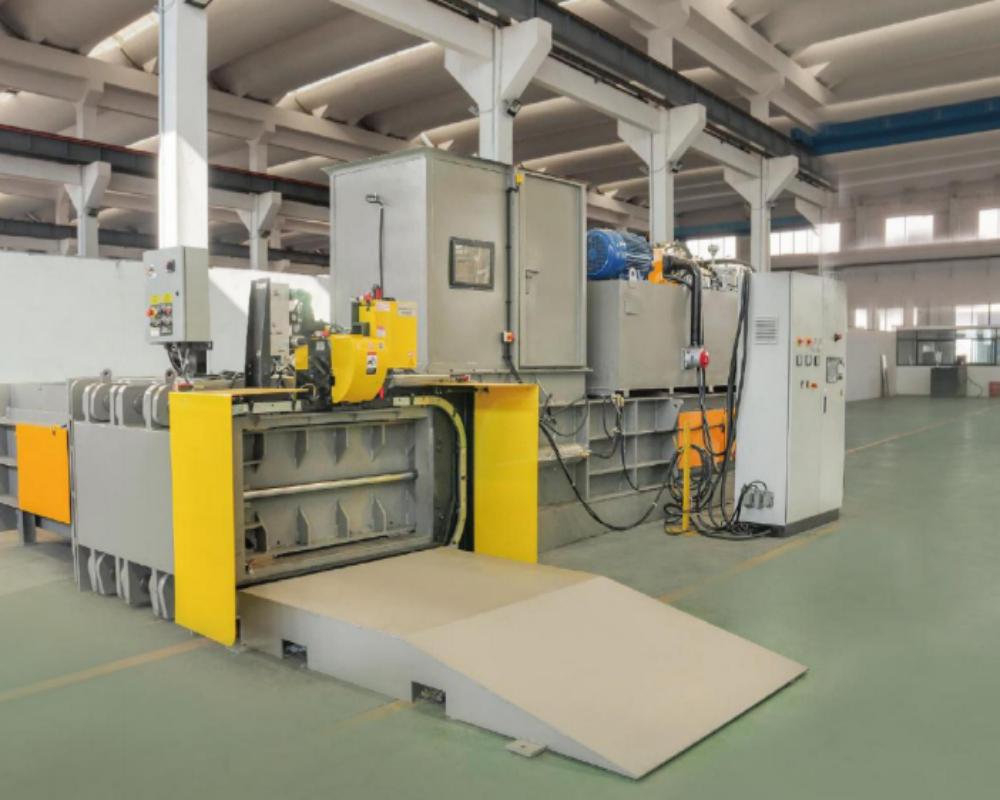
A Double Ram Compression Baler, also known as a double press head baler or twin-ram baler, is a heavy-duty hydraulic baling machine designed to compress loose recyclable materials into high-density, uniform bales. Unlike single-ram or vertical balers, a double ram baler uses two independent hydraulic cylinders—one for compression and one for ejection—allowing continuous, efficient operation.
This design makes the double ram baler ideal for processing large volumes of recyclable materials such as waste paper, cardboard (OCC), plastics, PET bottles, aluminum cans, light scrap metal, textiles, and other industrial waste. It is widely used in recycling centers, waste management facilities, manufacturing plants, logistics hubs, and distribution warehouses.
With its horizontal structure and automatic control system, a double ram compression baler delivers stronger compression force, higher bale density, and greater throughput compared to traditional baling equipment.
Why Double Ram Compression Balers Matter In Modern Recycling
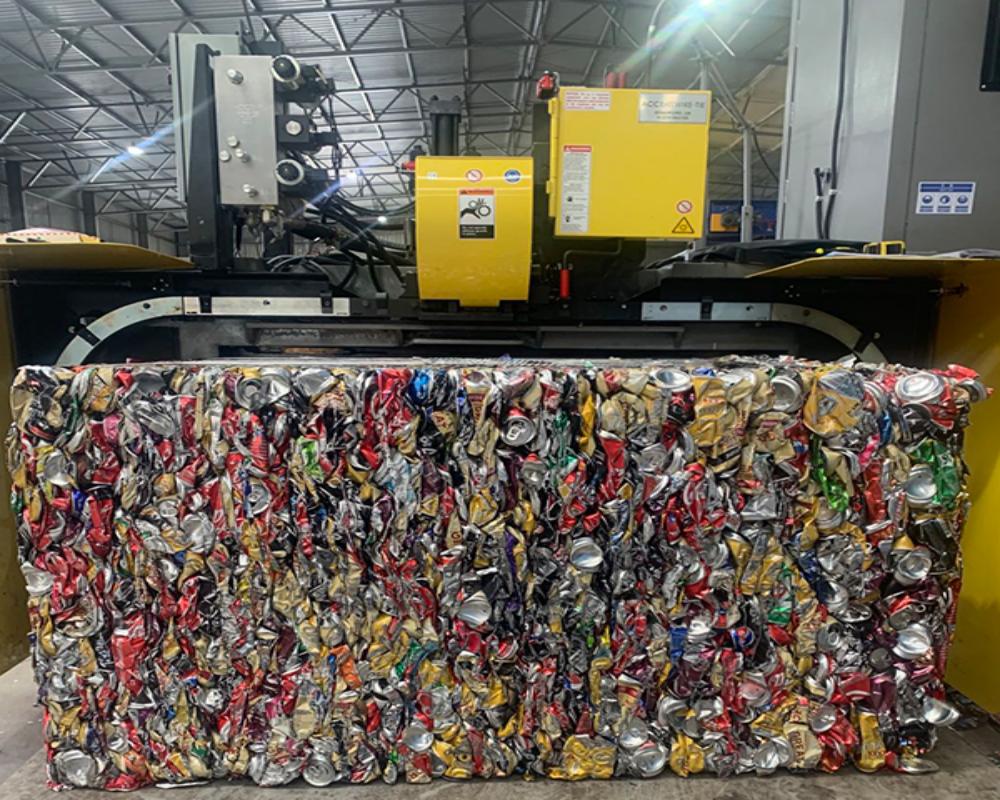
As recycling demands increase worldwide, businesses face growing pressure to reduce waste volume, lower transportation costs, and improve operational efficiency. A double ram compression baler directly addresses these challenges.
Higher Bale Density Means Lower Costs
One of the biggest advantages of a double ram baler is its ability to produce extremely dense bales. Higher density means:
- Fewer bales for the same amount of material
- Reduced storage space requirements
- Lower transportation and logistics costs
- Better resale value of recyclable materials
Continuous And Efficient Operation
Thanks to its dual-cylinder structure, compression and bale ejection can occur independently. This allows continuous feeding and minimizes downtime, making the machine highly suitable for large-scale recycling operations with steady material flow.
Automation Improves Productivity
Most double ram compression balers feature PLC control systems with automatic compression cycles, bale length adjustment, fault alarms, and safety interlocks. Automation reduces labor dependency while ensuring consistent bale quality.
Strong Adaptability To Different Materials
From loose cardboard and film plastics to aluminum cans and light metal scrap, a double ram baler can handle a wide variety of materials with stable performance. Optional configurations allow customization based on material type.
How A Double Ram Compression Baler Works
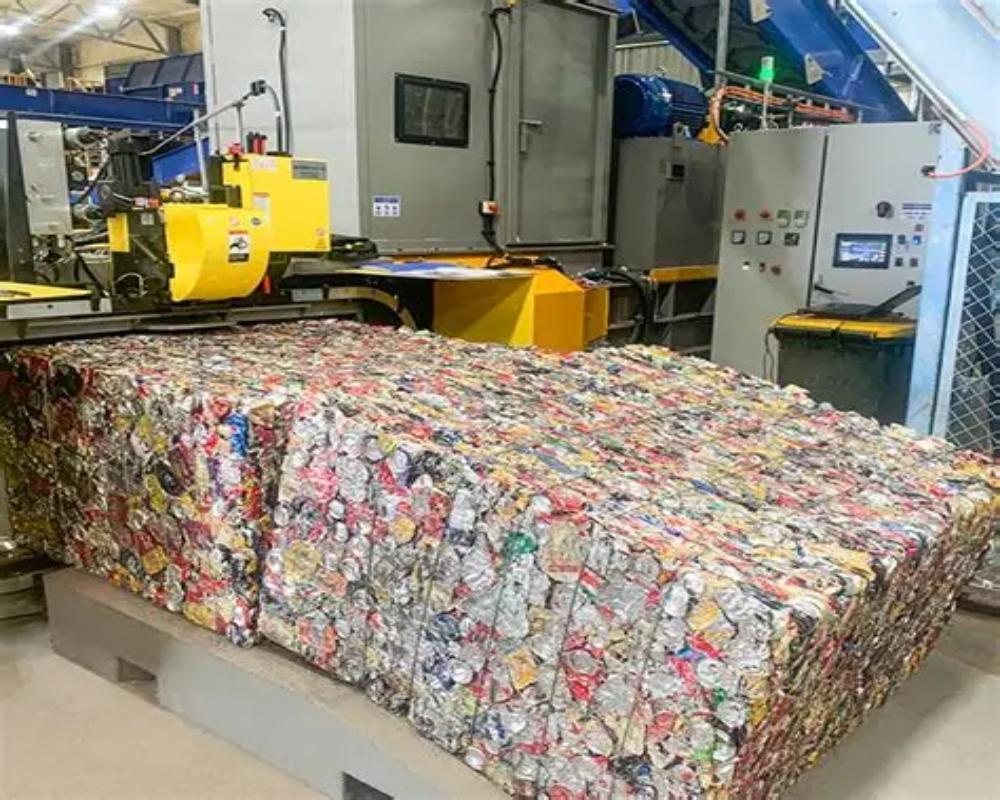
Understanding the working process helps operators maximize performance and extend machine life.
Step One: Material Feeding
Materials are fed into the baler through a wide feeding chamber, either manually, via conveyor belt, or by forklift. The large feeding opening is designed to accommodate bulky and irregular materials.
Step Two: Main Compression
The main compression ram pushes materials horizontally into the compression chamber. High hydraulic pressure ensures uniform compaction and removes air gaps between materials.
Step Three: Bale Formation
As materials accumulate, the baler continues compressing until the preset bale length and density are achieved. The bale size can usually be adjusted through the control system.
Step Four: Bale Tying
Depending on the model, bales are tied automatically or semi-automatically using steel wire or plastic strapping. Multiple tying channels ensure bale stability during handling and transport.
Step Five: Bale Ejection
The second hydraulic ram ejects the finished bale from the baling chamber without interrupting the next compression cycle. This design significantly improves overall efficiency.
Key Applications Of Double Ram Compression Balers
Double ram balers are widely used across multiple industries:
- Recycling plants and material recovery facilities (MRFs)
- Paper mills and printing factories
- Plastic recycling and PET processing plants
- Beverage and aluminum can recycling operations
- Manufacturing plants generating packaging waste
- Logistics and warehousing centers
Their ability to handle high volumes makes them a core asset in industrial recycling systems.
How To Choose The Right Double Ram Compression Baler
Selecting the right model is critical to achieving optimal performance and return on investment. Below are key factors to consider.
Material Type And Characteristics
Different materials require different compression forces. Clearly identify:
- Material type (paper, plastic, metal, textile)
- Bulk density
- Moisture content
- Maximum material size
Heavier or elastic materials generally require higher tonnage and stronger hydraulic systems.
Required Throughput Capacity
Estimate your daily or hourly processing volume. Double ram balers range from small models processing a few tons per hour to heavy-duty machines handling over 20 tons per hour. Choosing the correct capacity prevents bottlenecks and avoids overinvestment.
Bale Size And Weight Requirements
Bale dimensions should match downstream handling, storage, and transportation needs. Consider:
- Forklift or conveyor compatibility
- Truck or container loading efficiency
- Buyer requirements for recyclable materials
Adjustable bale length is a valuable feature for flexible operations.
Compression Force And Hydraulic System
Compression force is typically measured in tons. Higher force produces denser bales but also increases power consumption. Balance bale density with energy efficiency for the best long-term performance.
Level Of Automation
Depending on labor availability and budget, you can choose:
- Semi-automatic models with manual tying
- Fully automatic models with auto-tie systems
- Smart PLC systems with remote monitoring options
Higher automation improves consistency and reduces operating costs over time.
Installation Space And Layout
Double ram balers are large machines. Ensure your facility has sufficient:
- Floor space
- Power supply
- Hydraulic oil storage
- Access for maintenance and bale removal
Proper layout planning improves safety and workflow efficiency.
Safety And Maintenance Considerations
A well-maintained baler operates more safely and lasts longer.
Built-In Safety Features
Modern double ram balers include:
- Emergency stop buttons
- Safety interlock doors
- Overload protection
- Fault detection and alarms
These features protect operators and equipment during daily operation.
Routine Maintenance Tips
- Regularly check hydraulic oil level and cleanliness
- Inspect hoses, seals, and cylinders for leaks
- Keep the feeding chamber clean
- Follow scheduled lubrication guidelines
- Train operators properly
Preventive maintenance reduces downtime and extends machine lifespan.
Why Invest In A Double Ram Compression Baler
Although the initial investment is higher than basic balers, the long-term benefits are significant:
- Higher processing efficiency
- Lower labor and transportation costs
- Improved bale quality and resale value
- Strong adaptability for future recycling needs
For medium to large-scale recycling operations, a double ram compression baler is not just a machine—it is a strategic investment.
Final Thoughts
In an era where efficiency, sustainability, and cost control are more important than ever, a Double Ram Compression Baler stands out as a powerful solution. By understanding what it is, why it matters, how it works, and how to choose the right model, businesses can make informed decisions and build a more efficient recycling operation.
If your goal is higher output, denser bales, and long-term operational stability, a double ram compression baler is a choice worth serious consideration.