
Introduction: The Backbone Of Modern Recycling Operations
In today’s fast‑paced recycling and waste management industry, efficiency, consistency, and automation are no longer optional—they are essential. One machine that perfectly embodies these requirements is the Horizontal Fully Automatic Baler. Designed to handle large volumes of recyclable materials with minimal human intervention, this equipment has become a core asset for recycling centers, logistics hubs, paper mills, and industrial plants worldwide.
This blog will walk you through what a horizontal fully automatic baler is, why it is so important, how it works in real operations, and how to choose the right model for your business. Whether you are upgrading existing equipment or investing for the first time, this guide will help you make an informed decision.
What Is A Horizontal Fully Automatic Baler?
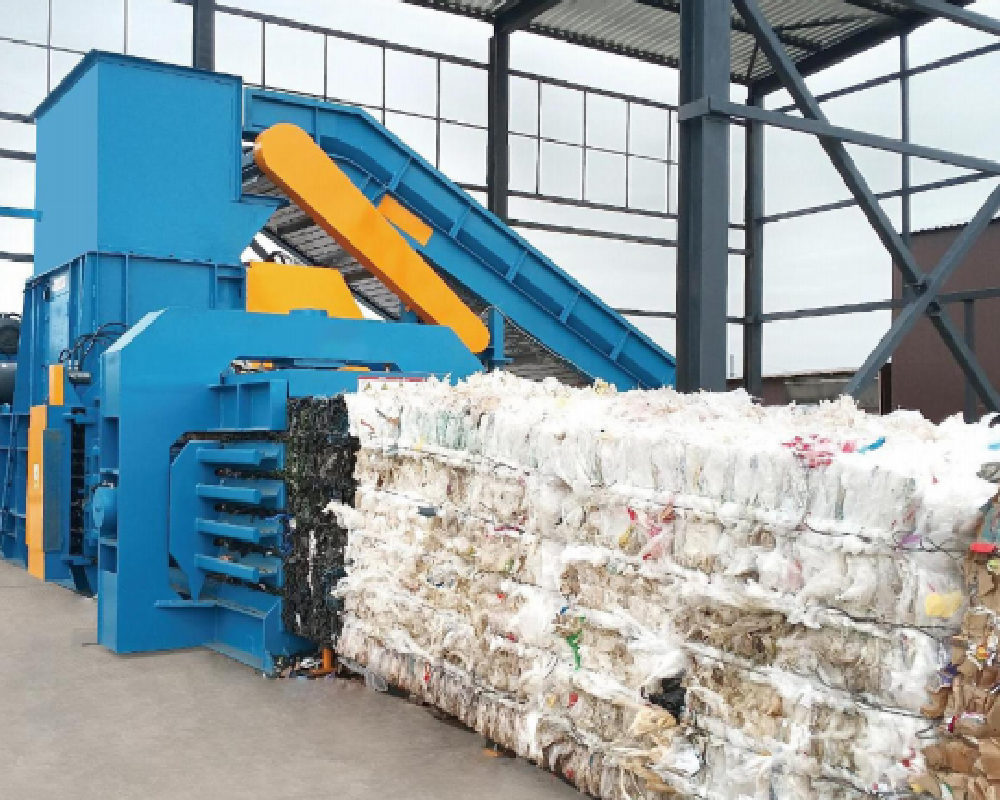
A Horizontal Fully Automatic Baler is an industrial machine used to compress loose recyclable materials into dense, uniform bales. Unlike vertical balers, materials are fed horizontally, making it ideal for continuous, high‑volume operations. The “fully automatic” feature means that feeding, compressing, tying, and bale discharging are all completed automatically, greatly reducing labor requirements.
These balers are commonly used for materials such as:
- Waste paper and cardboard (OCC, ONP, mixed paper)
- Plastic bottles (PET, HDPE)
- Plastic films and soft plastics
- Textile waste and fibers
- Agricultural waste and light industrial scrap
By transforming loose waste into compact bales, the baler significantly reduces storage space, transportation costs, and handling time.
Why Horizontal Fully Automatic Balers Are Essential
Maximizing Operational Efficiency
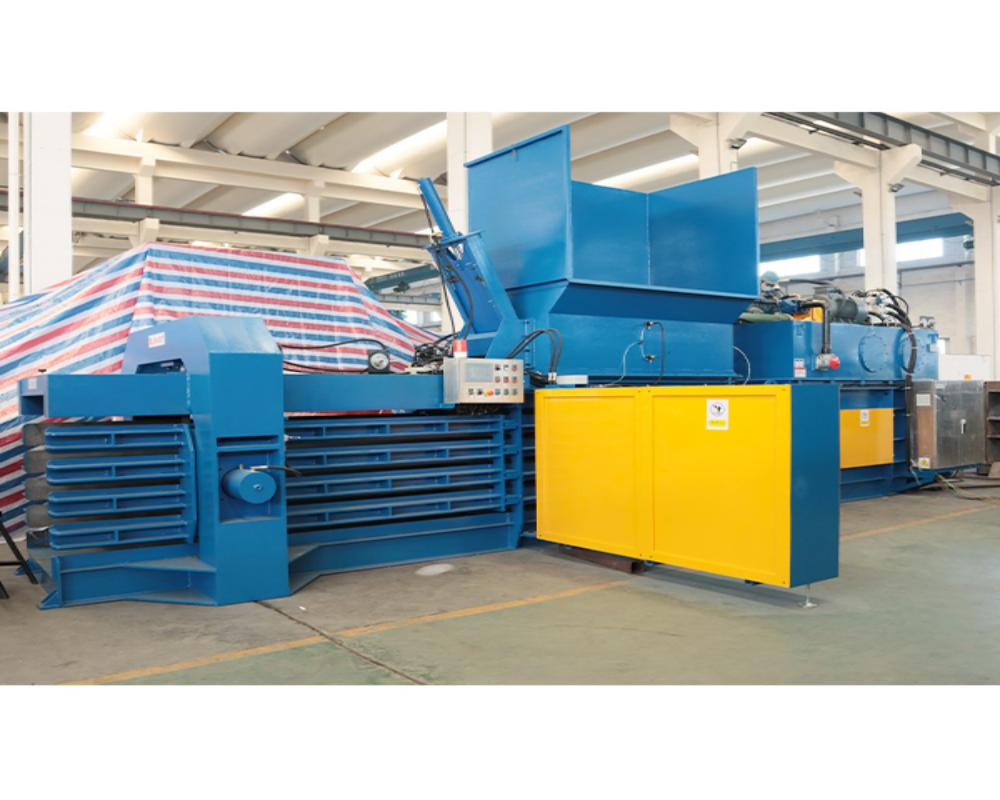
Manual or semi‑automatic baling processes require constant operator involvement, which limits throughput and increases labor costs. A fully automatic horizontal baler operates continuously, often integrated with conveyors, sorting lines, or shredders, allowing materials to be processed without interruption.
Reducing Labor Costs And Human Error
Automation means fewer operators are needed. Once parameters are set, the baler performs consistently, reducing errors in bale size, weight, and density. This consistency is especially important when selling bales to recycling mills with strict quality requirements.
Improving Bale Density And Value
Higher compression force produces denser bales, which are easier to stack and transport. Denser bales often command better prices because they reduce handling effort for downstream buyers.
Enhancing Workplace Safety
Fully automatic systems minimize direct operator contact with moving parts. Equipped with safety sensors, emergency stops, and overload protection, these balers create a safer working environment compared to manual alternatives.
Key Components And Working Principle
Feeding System
Materials are typically fed through an automatic conveyor or hopper. This allows the baler to receive a steady flow of material, making it suitable for 24/7 operations.
Compression Chamber
The horizontal compression chamber is where material is compacted using a powerful hydraulic cylinder. The pressure level determines the final bale density.
Automatic Tying System
Once the bale reaches the preset length and density, the machine automatically ties it using wire or plastic strapping. This ensures uniform and secure bales without manual intervention.
Bale Discharge System
After tying, the finished bale is automatically pushed out of the chamber, ready for storage or transport. The baler then immediately starts forming the next bale.
How To Use A Horizontal Fully Automatic Baler
Step 1: Machine Setup And Parameter Configuration
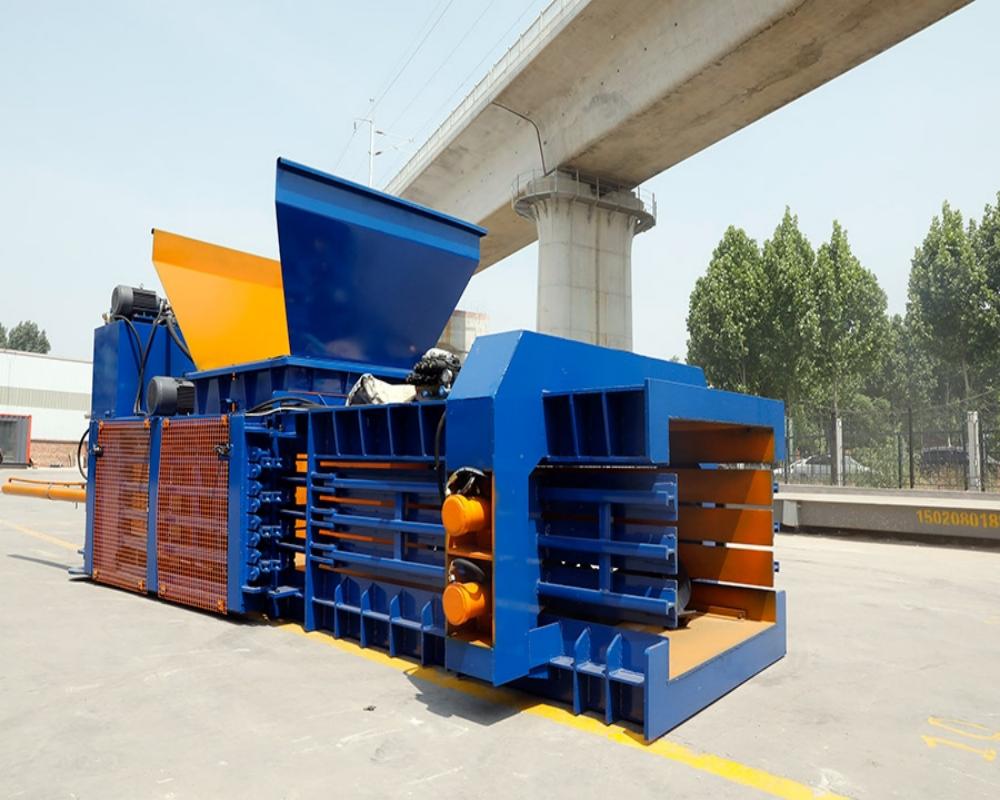
Before operation, operators set parameters such as bale length, compression pressure, and tying intervals through the control panel or PLC system. Modern machines often feature touch screens for easy adjustments.
Step 2: Continuous Material Feeding
Once started, materials are fed automatically via conveyors or loaders. The baler detects material levels and adjusts compression cycles accordingly.
Step 3: Automatic Compression And Tying
The machine compresses material layer by layer. When the preset bale size is reached, the tying system activates automatically, securing the bale.
Step 4: Bale Ejection And Storage
Finished bales are discharged smoothly and can be transferred to storage areas or directly loaded for transport.
Regular maintenance, such as checking hydraulic oil, inspecting wires, and cleaning sensors, ensures stable long‑term performance.
Common Applications Across Industries
Recycling Centers
Ideal for processing mixed recyclables at high speed, improving throughput and profitability.
Paper Mills And Printing Plants
Efficiently handles waste paper, trims, and rejected products with consistent bale quality.
Logistics And Warehousing
Compresses packaging waste such as cardboard and plastic films generated from daily operations.
Manufacturing Facilities
Manages production waste while keeping workspaces clean and organized.
How To Choose The Right Horizontal Fully Automatic Baler
Understand Your Material Type
Different materials require different compression forces. For example, cardboard needs less pressure than plastic bottles. Clearly define what materials you will process.
Determine Required Capacity
Estimate your daily or hourly throughput. High‑volume facilities should choose machines with larger feeding openings, stronger hydraulic systems, and faster cycle times.
Consider Bale Size And Weight Requirements
Some buyers require specific bale dimensions or weights. Ensure the baler can produce bales that meet market or transport standards.
Automation Level And Integration
Check whether the baler can be integrated with conveyors, sorting systems, or shredders. Full automation improves efficiency and reduces downtime.
Power Supply And Energy Efficiency
Confirm voltage, phase, and power availability. Modern energy‑saving hydraulic systems can significantly reduce operating costs over time.
After‑Sales Support And Spare Parts
Reliable technical support and easy access to spare parts are crucial for long‑term operation, especially for fully automatic equipment.
Benefits That Drive Long‑Term Value
- Continuous, high‑capacity operation
- Consistent bale size and density
- Reduced labor and operating costs
- Improved logistics efficiency
- Enhanced safety and automation
Investing in a horizontal fully automatic baler is not just about waste handling—it is about optimizing your entire recycling workflow.
Conclusion: A Smart Investment For Scalable Operations
As recycling demands continue to grow, businesses must rely on equipment that delivers reliability, efficiency, and scalability. The Horizontal Fully Automatic Baler stands out as a powerful solution for companies seeking to streamline operations, reduce costs, and increase output quality.
By understanding how the machine works and carefully selecting the right model, you can transform waste management from a cost center into a value‑generating process. Whether you operate a recycling plant, factory, or logistics hub, this baler is a strategic investment for the future.