
What Is An Industrial Shredder Machine
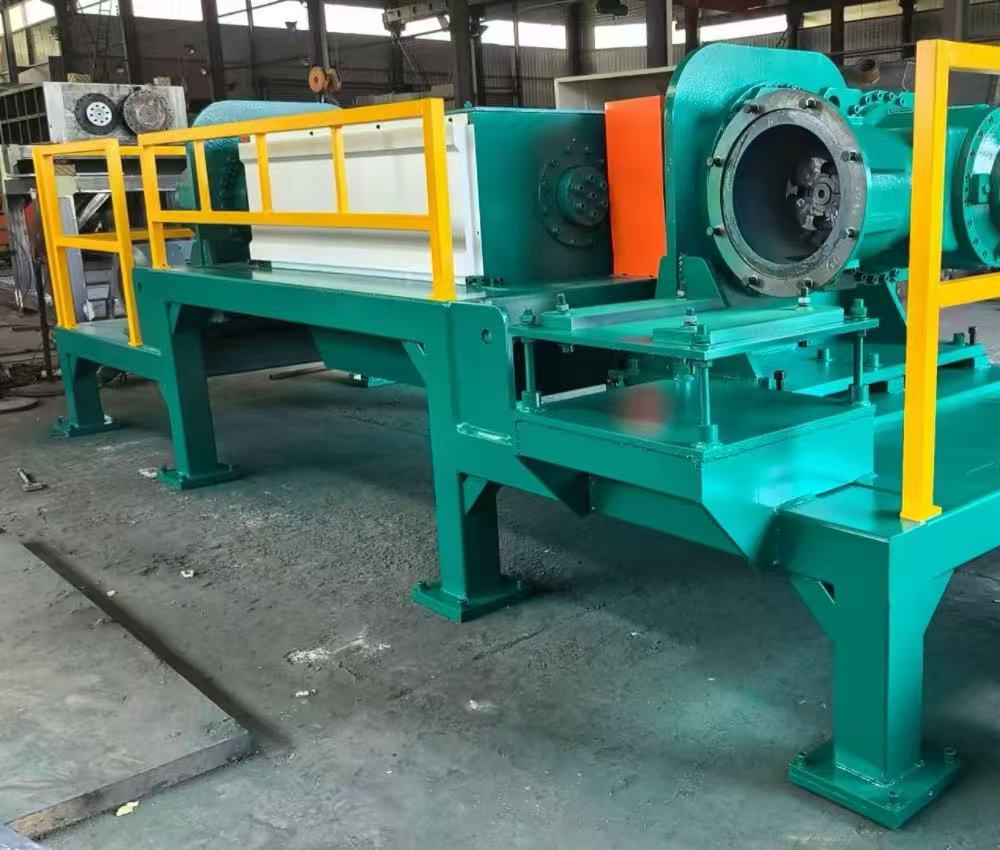
An industrial shredder machine is a heavy-duty mechanical device designed to cut, tear, or shear large volumes of solid materials into smaller, more manageable pieces. Unlike household or office shredders, industrial shredders are built for continuous operation, high torque, and extreme durability. They are widely used in recycling plants, waste management facilities, manufacturing factories, and metal processing industries.
Industrial shredders can process a wide range of materials, including metals, plastics, rubber, wood, paper, electronic waste, tires, cables, and even bulky industrial scrap. Depending on the design, shredders may use rotating blades, cutting knives, or shear shafts to break materials down into uniform sizes suitable for recycling, disposal, or further processing.
At their core, industrial shredders play a critical role in modern industrial systems. They reduce material volume, improve handling efficiency, and prepare waste or raw materials for the next stage of production. Without shredders, many recycling and manufacturing processes would be inefficient, costly, or even impossible.
Why Industrial Shredders Are Essential In Modern Industry

Industrial shredders are not just machines; they are productivity tools that directly impact operational efficiency and environmental responsibility. One of the primary reasons companies invest in shredders is volume reduction. Large, bulky materials take up valuable storage and transportation space. Shredding can reduce material volume by up to 70%, significantly lowering logistics and disposal costs.
Another key reason is resource recovery. By shredding materials into consistent sizes, downstream separation processes such as magnetic separation, eddy current separation, or sorting become far more effective. This enables companies to recover valuable metals and materials that would otherwise be wasted.
Environmental compliance is another driving factor. Governments around the world are enforcing stricter waste management and recycling regulations. Industrial shredders help businesses meet these requirements by enabling proper waste treatment, recycling, and reuse. In many cases, installing a shredder is not just a business decision but a legal necessity.
Finally, shredders improve workplace safety and cleanliness. Large scrap pieces, sharp metal edges, and tangled materials can be hazardous. Shredding materials into controlled sizes makes handling safer and reduces the risk of injury.
Common Types Of Industrial Shredder Machines
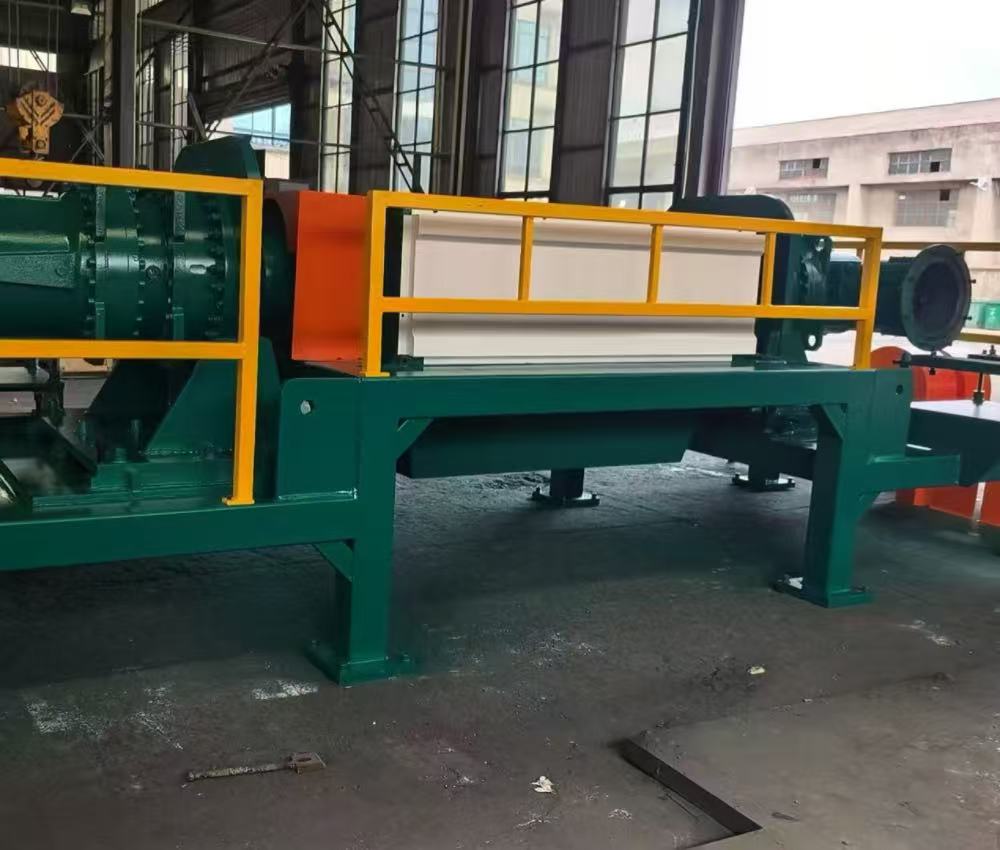
Industrial shredders come in several configurations, each designed for specific materials and applications. Understanding these types is essential when selecting the right machine.
Single-shaft shredders are commonly used for plastics, wood, paper, and light metal scrap. They feature one rotating shaft with knives that cut material against a stationary counter knife. These machines produce uniform output sizes and are ideal for applications requiring consistent particle dimensions.
Double-shaft shredders, also known as twin-shaft shredders, use two counter-rotating shafts with interlocking blades. They are designed for high torque and are excellent for shredding tough, bulky materials such as metal scrap, tires, aluminum profiles, and mixed waste. These shredders prioritize strength and reliability over precise output size.
Four-shaft shredders combine the advantages of double-shaft shredders with additional cutting shafts for finer output. They are often used in e-waste recycling, hazardous waste processing, and applications requiring controlled particle sizes.
Hammer mills and granulators are sometimes considered part of shredding systems. While not primary shredders, they are often used after initial shredding to further reduce material size.
How An Industrial Shredder Machine Works
The working principle of an industrial shredder is straightforward but highly effective. Materials are fed into the shredding chamber either manually, via conveyor belts, or through automated feeding systems. Once inside, rotating shafts equipped with cutting knives apply shear, tear, and compressive forces to break the material apart.
The motor and gearbox provide high torque at low speeds, which is essential for handling tough and irregular materials. Many industrial shredders are equipped with hydraulic systems to assist with pressing or pushing material toward the cutting zone, ensuring continuous and efficient shredding.
Modern shredders also include intelligent control systems. Features such as overload protection, automatic reverse rotation, and real-time monitoring help prevent damage, reduce downtime, and extend machine lifespan.
How To Use An Industrial Shredder Safely And Efficiently
Proper operation is critical to achieving maximum performance and longevity from an industrial shredder. Before starting the machine, operators should inspect the shredder for loose bolts, worn blades, and foreign objects. Ensuring proper lubrication and hydraulic oil levels is also essential.
During operation, materials should be fed evenly and within the machine’s rated capacity. Overloading the shredder can cause excessive wear, blade damage, or motor overload. For mixed materials, it is recommended to remove oversized or non-shreddable objects before feeding.
After operation, regular cleaning and maintenance are necessary. Blades should be inspected for wear and sharpened or replaced as needed. Scheduled maintenance not only improves performance but also prevents costly breakdowns.
Safety should always be a top priority. Operators must receive proper training, wear protective equipment, and follow all safety guidelines. Emergency stop systems and safety interlocks should never be bypassed.
Key Applications Of Industrial Shredder Machines
Industrial shredders are used across a wide range of industries. In metal recycling, shredders process aluminum scrap, steel turnings, car bodies, and metal offcuts. In plastic recycling, they handle PET bottles, plastic films, pipes, and injection molding waste.
In the waste management sector, shredders are used for municipal solid waste, bulky waste, and industrial refuse. E-waste recyclers rely on shredders to break down electronic devices and recover valuable metals such as copper and aluminum.
Manufacturing plants also use shredders for in-house waste reduction, helping them recycle production scrap and reduce disposal costs.
How To Choose The Right Industrial Shredder Model
Selecting the right industrial shredder requires careful evaluation of several factors. The first and most important consideration is the type of material you plan to shred. Different materials require different blade designs, shaft configurations, and motor power.
Capacity requirements are equally important. You should clearly define how many tons per hour the shredder needs to process. Choosing a machine that is too small will lead to bottlenecks, while an oversized machine may result in unnecessary investment.
Output size requirements should also be considered. If your downstream process requires a specific particle size, you may need a shredder with a screen, secondary shredding stage, or adjustable knife configuration.
Durability and build quality should never be overlooked. Industrial shredders operate in harsh conditions, so high-quality steel, robust gearboxes, and proven components are essential for long-term reliability.
Energy efficiency and maintenance costs are additional factors. Modern shredders with optimized drive systems and smart controls can significantly reduce operating costs over time.
Common Mistakes When Buying An Industrial Shredder
One common mistake is focusing only on price. While budget is important, a low-cost shredder with poor build quality can result in frequent breakdowns and high maintenance costs. Another mistake is underestimating future capacity needs. Businesses often grow, and a shredder that meets today’s requirements may be insufficient tomorrow.
Failing to consider after-sales service and technical support is another critical error. Reliable support, spare parts availability, and technical expertise are essential for minimizing downtime.
The Future Of Industrial Shredder Technology
Industrial shredder technology continues to evolve. Automation, intelligent control systems, and energy-efficient drives are becoming standard features. Integration with sorting systems and data monitoring platforms allows operators to optimize performance and predict maintenance needs.
As recycling and sustainability become global priorities, industrial shredders will play an increasingly important role in building a circular economy. Investing in the right shredder today is not just a business decision but a long-term strategic move.
Final Thoughts
An industrial shredder machine is a powerful and indispensable tool for modern industry. By understanding what it is, why it matters, how it works, and how to choose the right model, businesses can make informed decisions that improve efficiency, reduce costs, and support sustainable practices. With the right shredder, waste becomes value, and challenges turn into opportunities.