
What Is A Heavy Duty Crusher?

Heavy-Duty C rushers, often called industrial crushers or powerful shredders, are robust machines designed to break down large and tough materials into smaller, manageable pieces. These machines are widely used in recycling, waste management, manufacturing, and processing industries. Unlike small office or kitchen shredders, heavy-duty crushers are engineered to handle high volumes, high hardness materials, and continuous operation without wear or failure.
At its core, a heavy-duty crusher uses mechanical force and cutting action to reduce the size of materials such as plastics, metals, wood, rubber, paper, and even construction debris. With powerful motors, reinforced frames, and hardened blades, these units can process thousands of kilograms per hour — which makes them indispensable in modern industrial workflows.
Why Heavy-Duty Crushers Matter
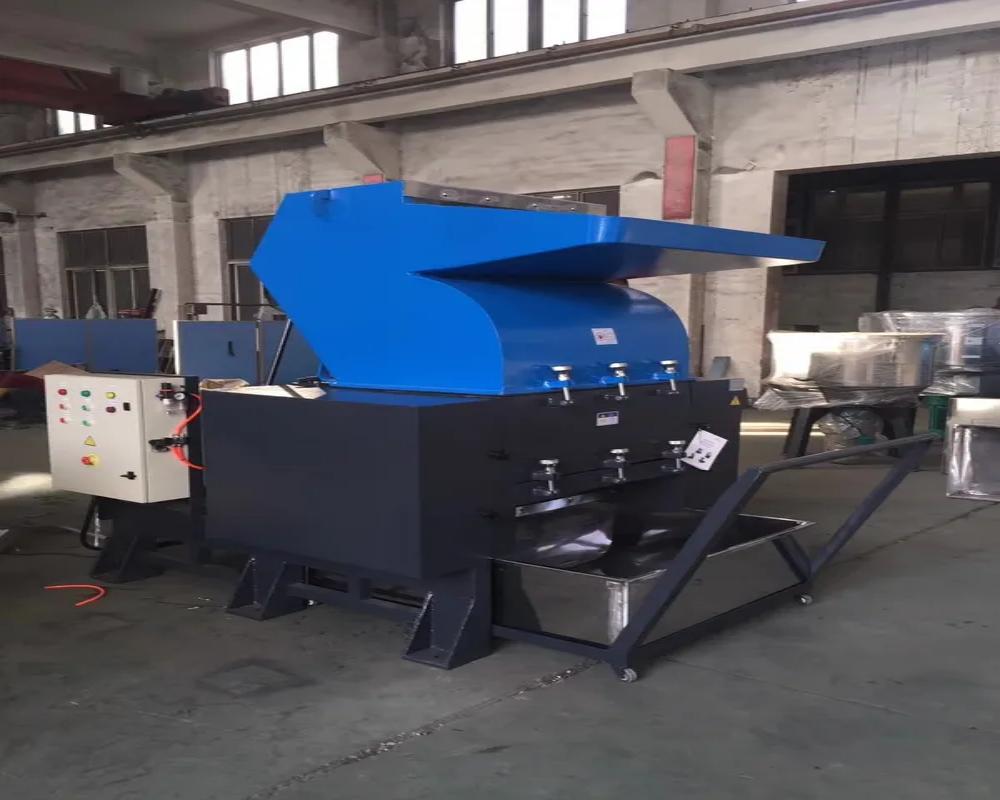
Revolutionizing Material Handling
In traditional material handling, bulky items must be manually cut, broken, or laboriously processed. Heavy-duty crushers automate this, delivering speed, consistency, and safety. Instead of hours of human labor, tons of material can be reduced in minutes. This efficiency revolutionizes operational productivity.
Supporting Sustainability
With global emphasis on circular economy and sustainability, heavy-duty crushers empower recycling. Plastic bottles, metal scraps, rubber tires, cardboard, and wood can be crushed and reintroduced into production cycles. This not only reduces landfill waste but also cuts down raw material costs.
Enhancing Safety
Manual breaking or disposal of hard materials poses risks — cuts, strains, and accidents are common. Heavy-duty crushers contain materials within shields and housings, minimizing operator risk. Many models include safety interlocks, overload protection, and emergency stops for enhanced workplace safety.
How Heavy-Duty Crushers Work
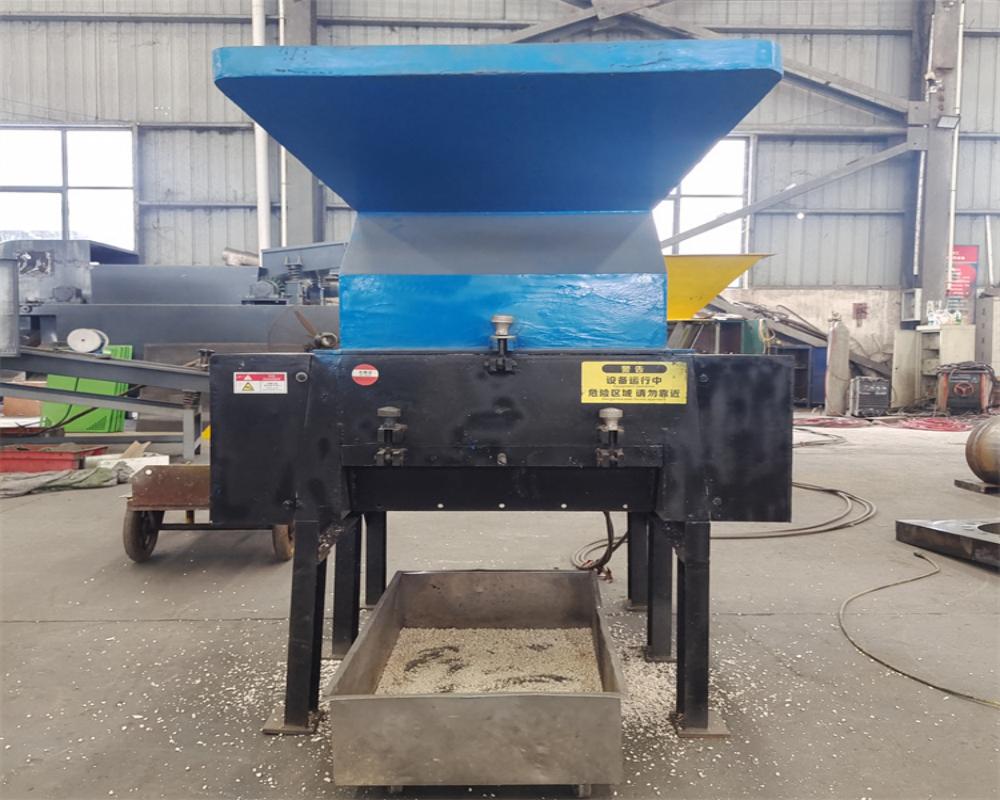
Core Components
Heavy-duty crushers consist of several major parts:
-
Feed Hopper: Receives material and guides it safely into the crushing chamber.
-
Cutting Chamber: Where materials are sheared, torn, or fragmented by counter-rotating shafts or blades.
-
Drive System: Powered by electric motors or hydraulic systems that generate the force needed.
-
Control Panel: Allows operators to start, stop, and adjust parameters such as speed or direction.
-
Discharge Chute: Expels the processed, reduced material into a collection area.
Crushing Mechanisms
Different crushers use different mechanisms:
-
Single-Shaft Crushers: One rotating shaft with fixed blades — ideal for hard plastics and bulky items.
-
Double-Shaft Crushers: Two counter-rotating shafts that pull materials through, excellent for mixed waste.
-
Hammer Mills: High-speed hammers impact materials, suitable for wood, biomass, and softer materials.
-
Granulators: High-precision cutting tools for plastics and rubber, producing uniform particles.
Each design prioritizes force distribution, blade wear resistance, and material throughput.
Step-By-Step Operation
-
Preparation: Inspect the machine and clear any debris. Ensure guards and safety features are active.
-
Feeding: Place or convey materials into the feed hopper. Avoid overloading beyond specified capacity.
-
Crushing: The crusher blades engage, cutting material to size. The speed and configuration determine the final particle size.
-
Collection: Crushed material exits through a discharge chute into bins or conveyors.
-
Shutdown and Maintenance: After operation, power down and clean residue. Check blades and bearings for wear.
Practical Uses Of Heavy-Duty Crushers
Plastic Recycling
Plastic waste comes in many forms — bottles, containers, film, and industrial scraps. Heavy-duty crushers reduce them into flakes or pellets, which can then be washed, melted, and re-pelletized for reuse in manufacturing.
Metal Processing
Light metals like aluminum or copper can be crushed to facilitate melting and recycling. Crushers help separate contaminants and reduce volume for transport.
Wood And Biomass
Wood pallets, branches, and biomass waste become chips or sawdust. These can be used for mulch, compost, energy generation, or particleboard manufacturing.
Paper And Cardboard
Corrugated board, packaging paper, and office waste are shredded into smaller fiber bundles, easing pulping and recycling processes.
Construction Waste
Concrete, bricks, gypsum, and other construction debris can be reduced to aggregate sizes for reuse in road bases or fill material.
How To Use A Heavy-Duty Crusher Safely
Personal Protective Equipment (PPE)
Always wear:
-
Safety glasses
-
Hearing protection
-
Gloves
-
Steel-toe boots
-
High-visibility clothing
These reduce injury from flying debris, noise, or mechanical hazards.
Operating Checklist
-
Ensure all safety guards are in place.
-
Do not wear loose clothing near moving parts.
-
Keep hands away from hopper openings when machine is running.
-
Follow lock-out/tag-out procedures before maintenance.
-
Monitor discharge — blockages can indicate overload.
Routine Maintenance
Heavy-duty crushers require regular care:
-
Inspect and sharpen or replace blades.
-
Lubricate bearings and shafts.
-
Check motor and electrical connections.
-
Clean build-up in the feed and discharge zones.
A well-maintained crusher runs faster, longer, and more efficiently.
Choosing The Right Crusher: A Practical Guide
Selecting the right heavy-duty crusher can significantly affect performance, cost, and longevity. Here’s how to choose with confidence.
1. Material Type And Hardness
Ask:
-
Is the material soft (paper, cardboard)?
-
Hard (plastics, wood, rubber)?
-
Abrasive or contaminated?
Harder materials require stronger frames, high-strength blades, and more powerful motors.
2. Throughput And Capacity
Determine:
-
How much material per hour you need to process.
-
Typical batch sizes.
Crushers are rated by kg/hour or tons/hour. Choose one that matches your peak needs, not just average use.
3. Particle Size Requirements
Do you need:
-
Coarse chunks?
-
Fine granules for re-processing?
Different models offer adjustable screens or blade configurations. Discuss with suppliers about the target output size.
4. Power Source And Efficiency
Consider:
-
Electric vs. hydraulic drive?
-
Energy consumption per ton?
Electric motors are common but require reliable power. Hydraulic systems offer torque advantages for extremely tough applications.
5. Footprint And Installation
Heavy-duty crushers vary in size. Measure your space and consider:
-
Floor space
-
Ceiling height
-
Loading/unloading access
-
Integration with conveyors or bins
A well-planned installation reduces handling time and improves workflow.
6. Safety Features
Look for:
-
Emergency stops
-
Safety interlock doors
-
Overload protection
-
Remote controls
These protect personnel and machinery alike.
7. Service And Spare Parts
Select brands with:
-
Local service support
-
Availability of spare parts
-
Clear maintenance guides
After-sales support keeps your crusher running years beyond its warranty.
Why A Good Crusher Is Worth The Investment
Heavy-duty crushers are not a “nice-to-have” — they are a strategic asset for industrial operations. They improve productivity, reduce waste, and enhance safety. A well-chosen crusher improves profit margins by lowering labor, waste disposal, and raw material costs.
Whether you recycle plastic bottles, manage wood waste, or process industrial scraps, the right heavy-duty crusher is a powerful ally in efficiency and sustainability.