
What Is A Vertical Baler Machine
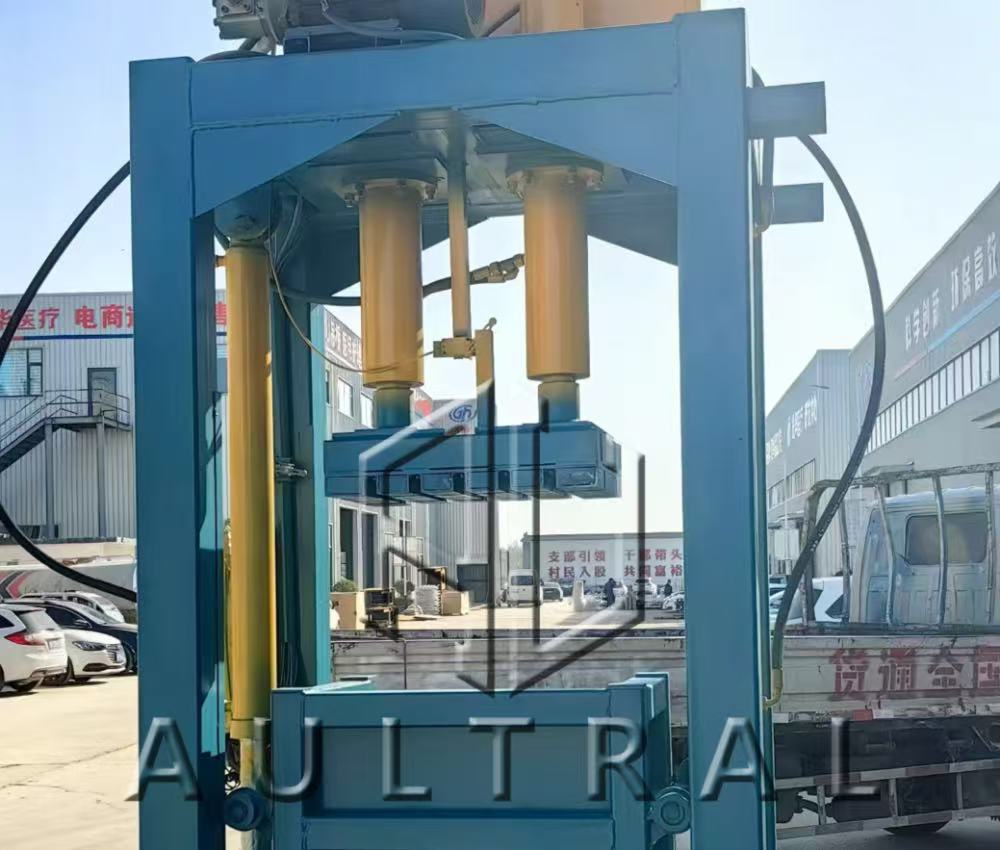
A vertical baler machine is a compact hydraulic recycling machine designed to compress loose recyclable materials into dense, manageable bales. Unlike horizontal balers, vertical balers load material from the front or top and compress it vertically using a hydraulic cylinder.
Vertical balers are widely used in warehouses, factories, supermarkets, recycling stations, textile workshops, paper mills, and small to medium-sized recycling businesses. They are especially suitable for users with limited space, moderate output requirements, and a need for cost-effective waste management solutions.
Common materials processed by vertical balers include cardboard, paper, plastic bottles (PET), plastic film, textiles, clothing, foam, aluminum cans, and light metal scraps.
Main Advantages Of Vertical Baler Machines
Vertical balers remain one of the most popular recycling machines due to several key advantages.
First, vertical balers have a compact structure. They occupy less floor space compared with horizontal balers, making them ideal for indoor installation or small recycling areas.
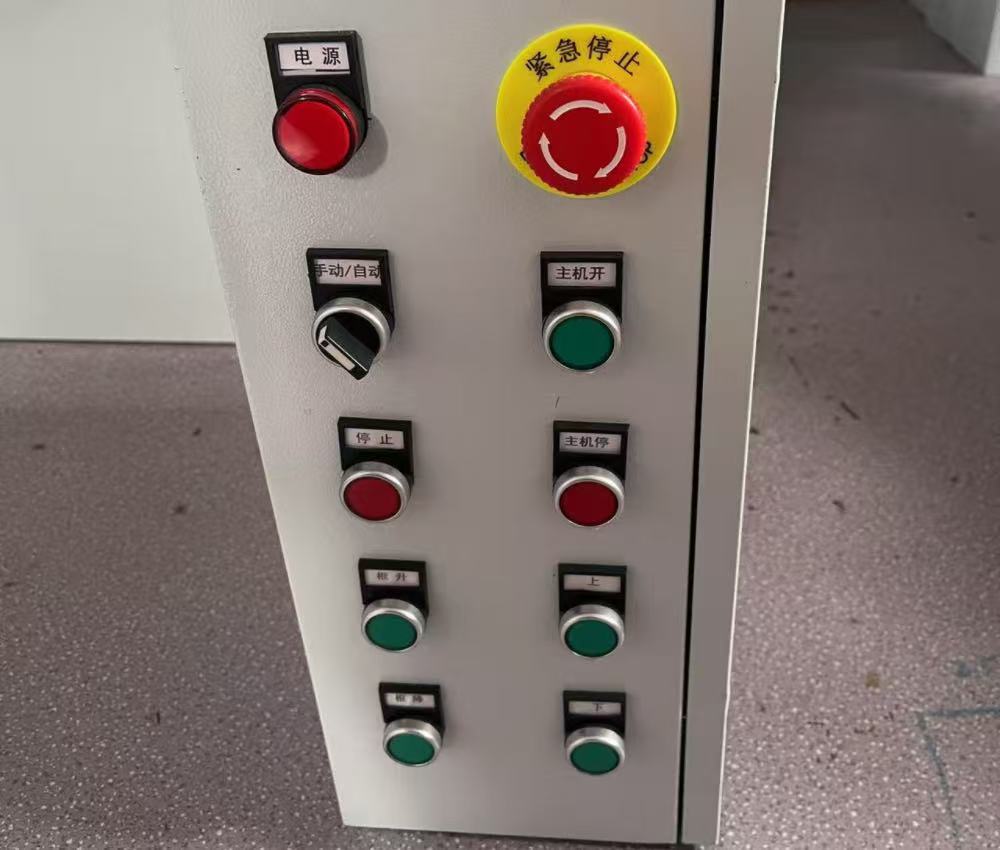
Second, they are easy to operate. Most vertical balers use simple push-button control or PLC systems, allowing operators to load, compress, tie, and eject bales with minimal training.
Third, vertical balers are cost-effective. The machine price, installation cost, and maintenance expenses are significantly lower than fully automatic horizontal balers.
Finally, vertical balers offer flexible configurations. Different pressing forces, chamber sizes, bale weights, and tying methods can be customized according to material type and output needs.
Why Pressing Force Is Critical In A Vertical Baler
Pressing force, also known as compression force or pressure tonnage, is one of the most important parameters of a vertical baler.
The pressing force determines:
-
How dense the bale will be
-
Whether the bale can keep its shape during transport
-
How much material can be loaded per bale
-
Whether the machine can handle harder or spring-back materials
If the pressing force is too low, the bale will be loose, unstable, and difficult to transport. If the pressing force is too high, it may increase machine cost unnecessarily or even damage certain materials.
Therefore, understanding how to calculate and select the correct pressing force is essential when choosing a vertical baler model.
How Pressing Force Of A Vertical Baler Is Calculated
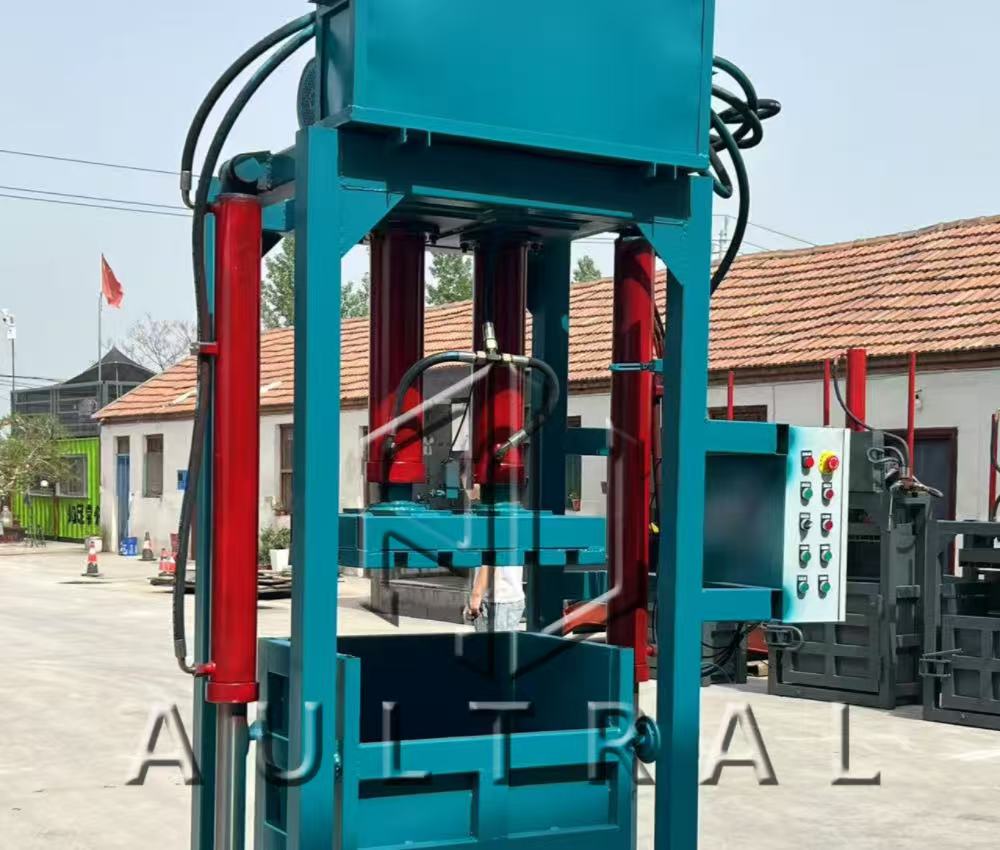
The pressing force of a vertical baler is generated by the hydraulic system. In simple terms, the force depends on hydraulic pressure and cylinder size.
The basic calculation formula is:
Pressing Force (N) = Hydraulic Pressure (Pa) × Cylinder Effective Area (m²)
In practical industrial use, the pressing force is usually expressed in tons.
Hydraulic Pressure
Hydraulic pressure is generated by the oil pump and hydraulic system. Most vertical balers operate within a hydraulic pressure range of 16 MPa to 25 MPa.
Higher hydraulic pressure means stronger compression force, but it also requires better hydraulic components, seals, and safety design.
Hydraulic Cylinder Diameter
The diameter of the main cylinder directly affects the pressing force. A larger cylinder area produces more force under the same hydraulic pressure.
For example:
-
A baler with a 160 mm cylinder will generate less force than one with a 200 mm cylinder under the same pressure.
-
Increasing cylinder diameter is one of the most common ways to increase baler tonnage.
Example Calculation
Assume:
-
Hydraulic pressure: 20 MPa
-
Cylinder diameter: 200 mm
Cylinder area = π × (0.1 m)² ≈ 0.0314 m²
Pressing force = 20,000,000 × 0.0314 ≈ 628,000 N
This equals approximately 63 tons of pressing force.
That is why this baler would typically be labeled as a 60-ton vertical baler.
Relationship Between Material Type And Required Pressing Force
Different materials require different pressing forces due to their density, elasticity, and rebound characteristics.
Soft And Low-Density Materials
Materials such as cardboard, paper, plastic film, foam, and clothing require relatively low pressing force. These materials compress easily and do not strongly rebound.
Recommended pressing force:
-
10–30 tons for cardboard and paper
-
20–40 tons for plastic film and textiles
Elastic And Spring-Back Materials
Materials like PET bottles, woven bags, fabric scraps, and aluminum cans have strong elasticity. They tend to rebound after compression.
Recommended pressing force:
-
30–60 tons for PET bottles
-
40–80 tons for aluminum cans
Light Metal And Hard Materials
Although vertical balers are mainly used for non-metal and light metal materials, some models can handle thin metal scraps.
Recommended pressing force:
-
60–100 tons for light metal scraps or mixed recyclables
Choosing insufficient pressing force for elastic materials will result in loose bales that are difficult to stack or transport.
How To Choose The Right Vertical Baler Model
Choosing the correct vertical baler model requires evaluating several key factors, not just pressing force.
Determine Your Material Type
The first step is to clearly define what material you will process:
-
Cardboard only
-
Plastic bottles or film
-
Textile waste
-
Aluminum cans
-
Mixed recyclables
Different materials directly affect the required tonnage and chamber size.
Calculate Required Bale Weight And Density
Ask yourself:
-
How heavy should each bale be?
-
What density is required by your buyer or recycling plant?
Heavier and denser bales usually require higher pressing force and larger chambers.
Evaluate Daily Output Capacity
Estimate how many bales you need per day. If you need high throughput, consider:
-
Larger chamber size
-
Faster hydraulic cycle time
-
Optional automatic bale ejecting systems
Vertical balers are ideal for small to medium daily output. For very high capacity, horizontal balers may be more suitable.
Select Suitable Pressing Force Range
Based on material and output:
-
Small shops: 10–30 tons
-
Warehouses and supermarkets: 30–50 tons
-
Recycling centers: 60–100 tons
Avoid selecting excessive tonnage if not necessary, as it increases machine cost and power consumption.
Chamber Size And Bale Dimensions
Chamber size determines the maximum bale size and loading efficiency.
Larger chambers allow more material per cycle, but they also require higher pressing force to achieve sufficient density.
Common chamber sizes include:
-
800 × 600 mm
-
1000 × 800 mm
-
1200 × 1000 mm
Matching chamber size with pressing force is critical. A large chamber with low tonnage will produce loose bales.
Power Consumption And Hydraulic System Considerations
Higher pressing force requires:
-
Larger oil pumps
-
Higher motor power
-
Stronger hydraulic components
For example:
-
30-ton baler: 7.5–11 kW motor
-
60-ton baler: 15–18.5 kW motor
-
100-ton baler: 22–30 kW motor
Balancing energy consumption and performance helps reduce operating costs in the long term.
Safety And Structural Design Factors
A high-quality vertical baler must include:
-
Safety interlock systems
-
Emergency stop buttons
-
Strong frame and reinforced door design
-
Reliable hydraulic valves and seals
Especially for high-tonnage vertical balers, door locking mechanisms and rear-push cylinders are essential for safe and stable operation.
Common Mistakes When Selecting A Vertical Baler
One common mistake is choosing a baler based on price alone. A cheaper machine with insufficient pressing force may lead to higher transportation costs due to low bale density.
Another mistake is overestimating needs. Selecting an oversized baler increases initial investment and power costs without real benefit.
Finally, ignoring material rebound characteristics often leads to poor bale quality and customer complaints from recycling buyers.
Final Recommendations For Choosing A Vertical Baler
To select the right vertical baler:
-
Clearly identify material type and daily output
-
Calculate required pressing force based on material density and elasticity
-
Match chamber size with tonnage
-
Balance cost, energy consumption, and long-term efficiency
A properly selected vertical baler will significantly improve recycling efficiency, reduce transportation costs, and deliver stable, high-quality bales for downstream processing.