
In today’s fast-paced industrial world, efficient metal waste management is more crucial than ever. Horizontal metal balers, also known as horizontal scrap balers, have become an essential tool for recycling plants, metal workshops, and factories dealing with scrap metal. This blog will take you through what a horizontal metal baler is, why it is indispensable, how to use it safely and efficiently, and tips for choosing the right model for your needs.
What Is A Horizontal Metal Baler?
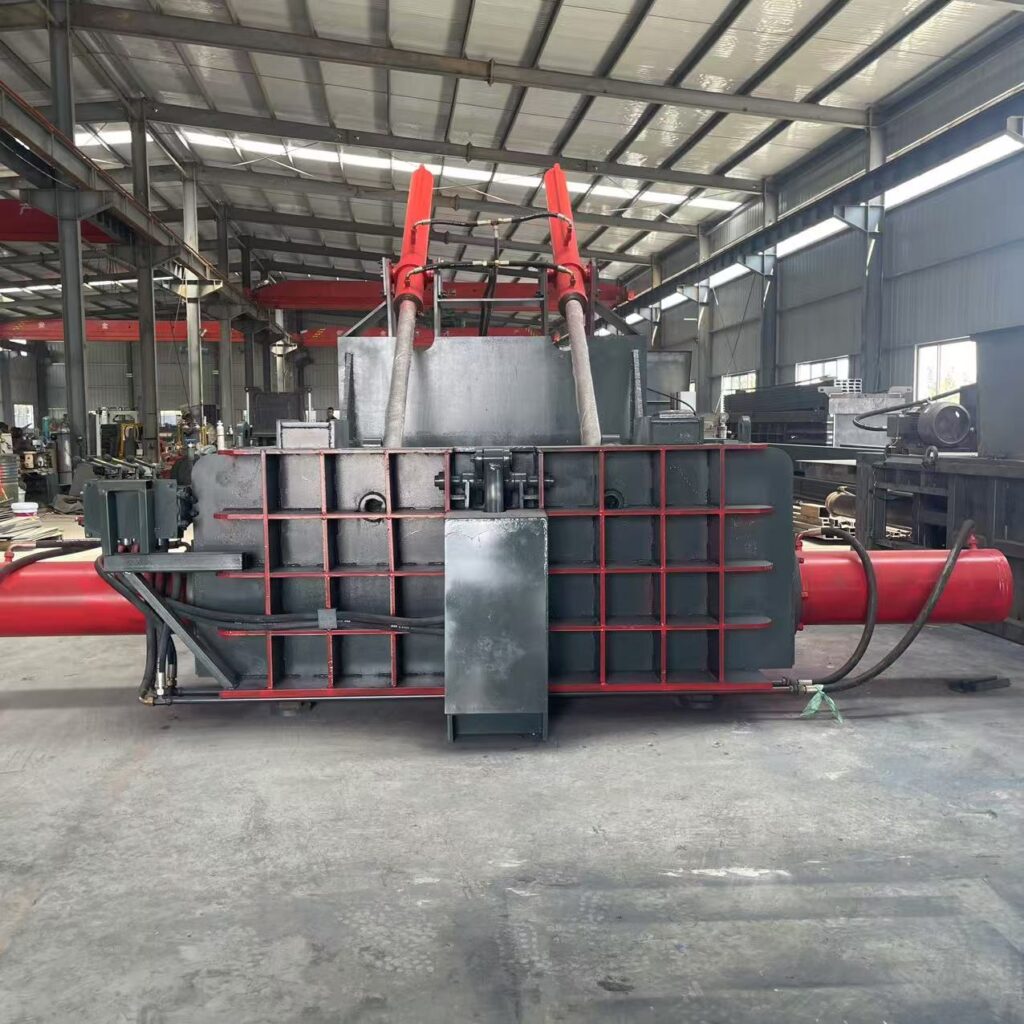
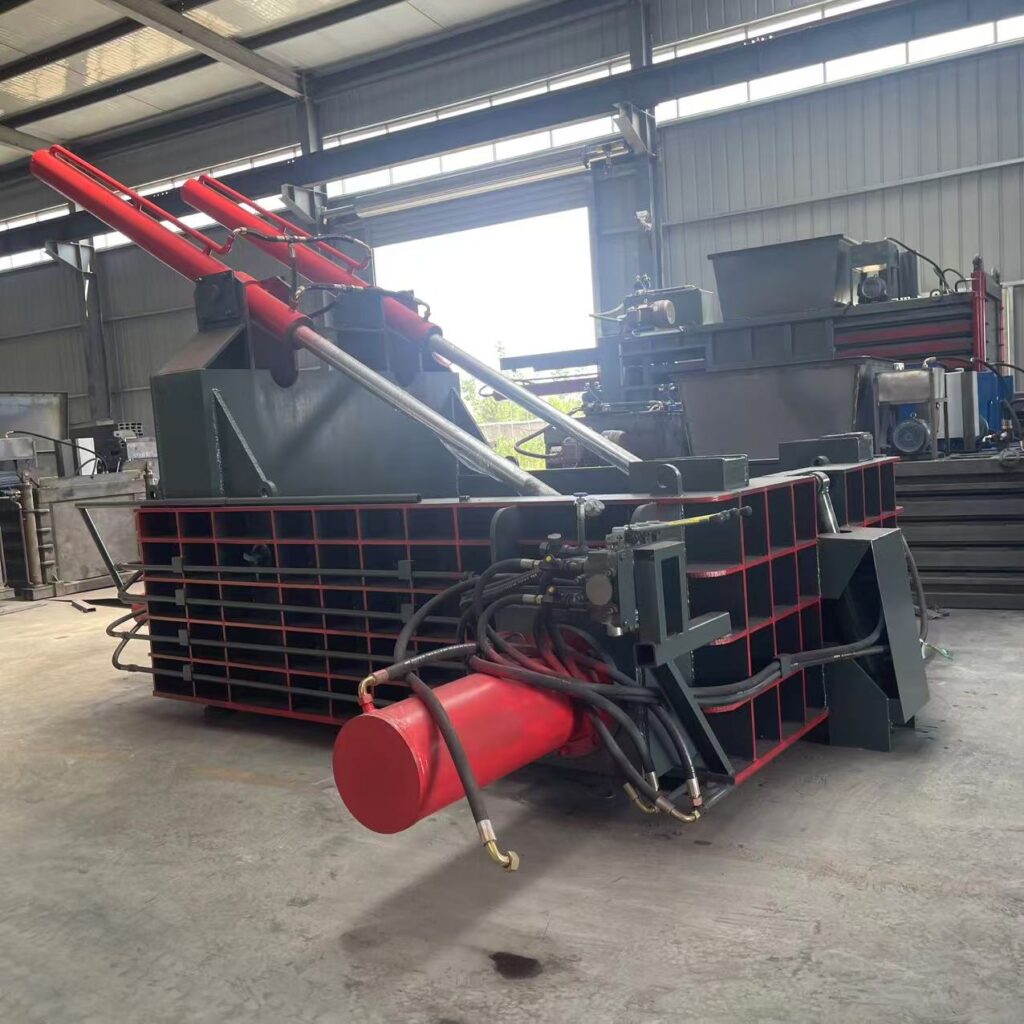
A horizontal metal baler is a heavy-duty machine designed to compress scrap metal into compact bales. Unlike vertical balers, which compress from top to bottom, horizontal balers compress materials horizontally, making them suitable for processing large volumes of metal efficiently.
These machines are widely used in recycling centers, car dismantling yards, aluminum and steel production facilities, and metal processing factories. They help transform loose scrap metals such as aluminum, copper, iron, steel, and other non-ferrous metals into manageable, transportable bales.
The main components of a horizontal metal baler include:
-
Feeding Chamber: Where scrap metal is loaded. Some machines have automatic feeders to save labor.
-
Compression Chamber: Where hydraulic cylinders compress the metal into dense bales.
-
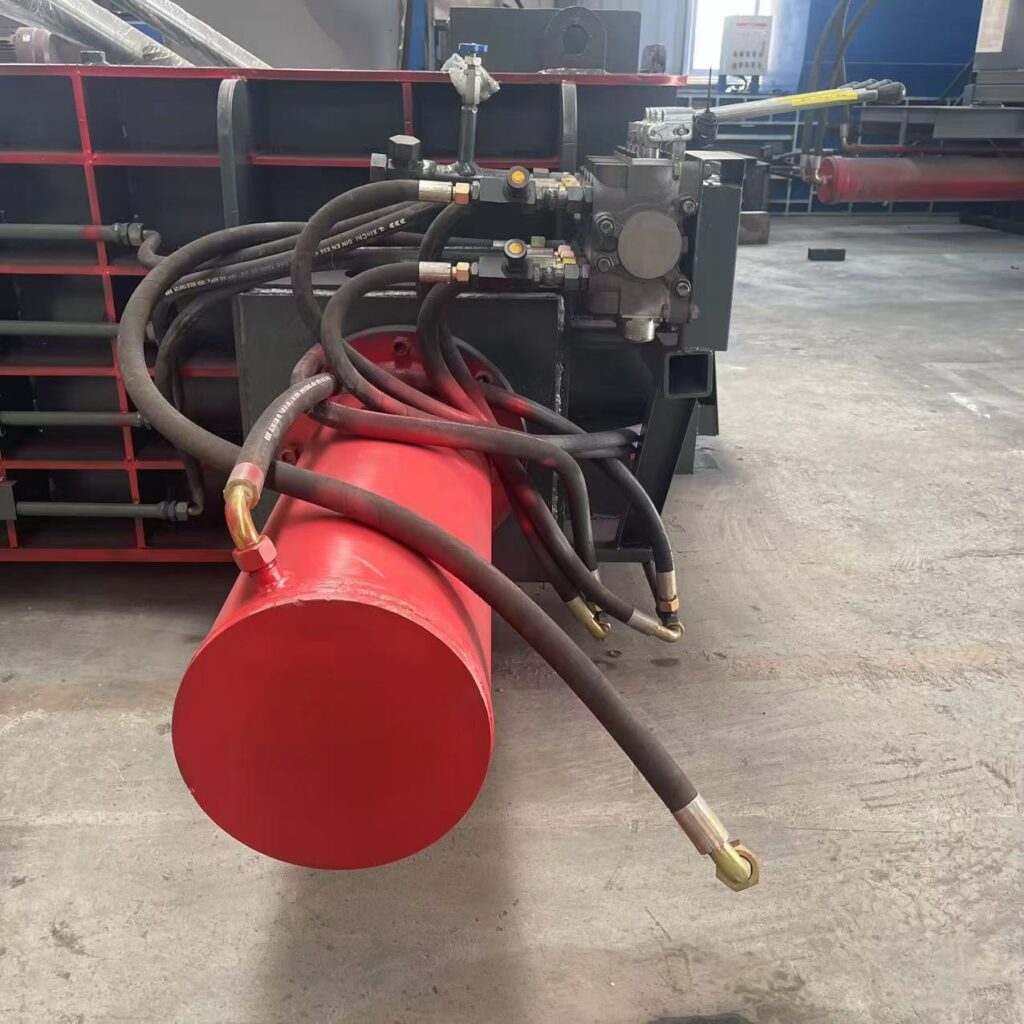
Hydraulic System: Provides the force required to compress metals, usually measured in tons.
-
Bale Tying Mechanism: Secures the compressed bales with wires or straps.
-
Control System: Modern balers come with digital controls for precision operation and safety.
Why You Need A Horizontal Metal Baler
Investing in a horizontal metal baler can dramatically improve your metal recycling process. Here’s why:
1. Increased Efficiency And Productivity
A horizontal metal baler allows for continuous processing of large volumes of scrap metal. Its horizontal compression system can handle irregularly shaped or oversized scrap, which is difficult for vertical balers to process.
2. Space Saving
Scrap metals take up a lot of space. By compressing them into compact bales, you can reduce storage space requirements significantly. This also lowers transportation costs, as more material can be shipped in a single truckload.
3. Cost Reduction
Compact bales are easier to handle and transport, reducing labor costs. Additionally, selling compressed metal is more profitable, as buyers usually prefer tightly packed, uniform bales.
4. Environmental Benefits
By efficiently recycling scrap metal, you contribute to reducing landfill waste and conserving natural resources. Compressed bales are easier to transport to recycling plants, facilitating sustainable metal processing.
How To Use A Horizontal Metal Baler
Operating a horizontal metal baler may seem complicated at first, but with proper training and precautions, it becomes straightforward. Here’s a step-by-step guide:
1. Safety First
Always wear protective gear including gloves, safety glasses, steel-toed shoes, and ear protection. Ensure that the baler’s safety guards are in place and emergency stop buttons are functional.
2. Loading The Scrap Metal
Place the metal into the feeding chamber. For larger operations, consider machines with automatic feeders to save time and labor. Make sure the metal is free of excess dirt or debris, which could damage the machine.
3. Compressing The Metal
Activate the hydraulic system. The machine will push the metal forward into the compression chamber. Depending on the model, you can adjust the pressure according to the type and thickness of the metal.
4. Bale Tying
Once the metal is compressed, use the bale tying mechanism to secure it. Modern balers may have automatic tying with wire or straps. This ensures the bale holds its shape during transport and storage.
5. Removing The Bale
After tying, eject the bale from the chamber. Place it in the designated storage area. Repeat the process for continuous operation.
6. Routine Maintenance
Check the hydraulic fluid, clean the machine, and inspect parts for wear regularly. Proper maintenance extends the lifespan of your baler and prevents downtime.
Choosing The Right Horizontal Metal Baler: A Practical Guide
Selecting the right baler is critical for maximizing efficiency and ROI. Here are key factors to consider:
1. Pressing Force
Measured in tons, pressing force determines how dense your bales will be. For heavy metals like steel and iron, choose a baler with higher force (60–200 tons). For lighter metals such as aluminum, a lower force may suffice.
2. Bale Size
Consider the required bale dimensions. Typical sizes range from 800 × 800 mm to 1400 × 1200 mm. Larger bales are more efficient for transport but require more storage space.
3. Feeding Method
-
Manual Feeding: Suitable for small-scale operations.
-
Automatic Feeding: Ideal for large-scale or continuous operations, reducing labor and increasing efficiency.
4. Hydraulic System
Choose machines with reliable hydraulic systems. Water-cooled systems are common for heavy-duty machines, while oil-cooled systems work well for medium-duty operations.
5. Motor Power
The motor power, measured in kilowatts (kW), determines the speed and efficiency of compression. Match the motor power with the volume and type of metal you plan to process.
6. Safety Features
Modern balers come with emergency stops, overload protection, and safety guards. Never compromise on safety when selecting a machine.
7. Brand And Support
Select a reputable manufacturer that provides after-sales service, spare parts availability, and technical support. Longevity and reliability are as important as performance.
Final Thoughts
A horizontal metal baler is a powerful tool for any business involved in metal recycling or processing. It boosts efficiency, saves space, reduces costs, and promotes environmental responsibility. By understanding what a horizontal baler is, why it is essential, how to operate it safely, and how to select the right model, you can maximize the benefits for your business.
Whether you are processing scrap steel from automotive parts, aluminum from cans, or copper wires, the right horizontal metal baler can turn a chaotic scrap yard into a streamlined, profitable operation. Invest wisely, maintain regularly, and your baler will serve as a reliable cornerstone for years to come.