
What Is A Metal Briquetting Machine
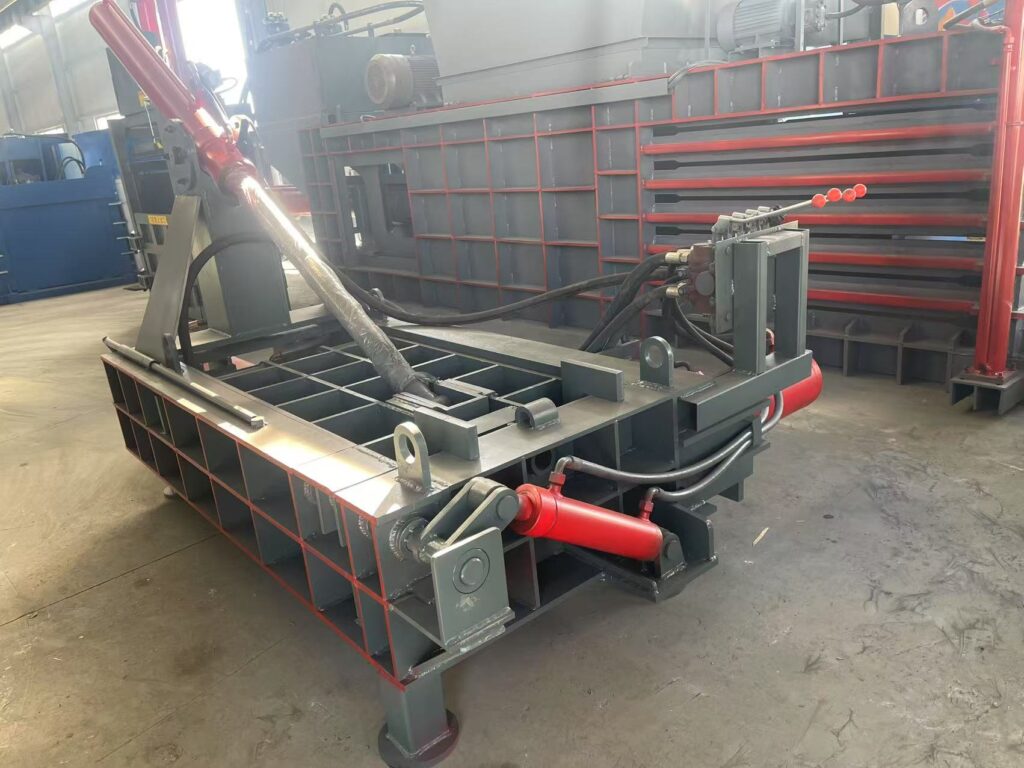
A metal briquetting machine is an industrial recycling machine designed to compress loose metal scrap into dense and solid briquettes.
It is mainly used for aluminum chips, steel turnings, copper shavings, cast iron chips, and other metal waste generated during machining and manufacturing processes.
By applying high hydraulic pressure, the machine converts low-density metal scrap into compact blocks, making them easier to store, transport, and recycle.
The final briquettes can be directly used for furnace melting, improving recycling efficiency and reducing material loss.
Why Use A Metal Briquetting Machine
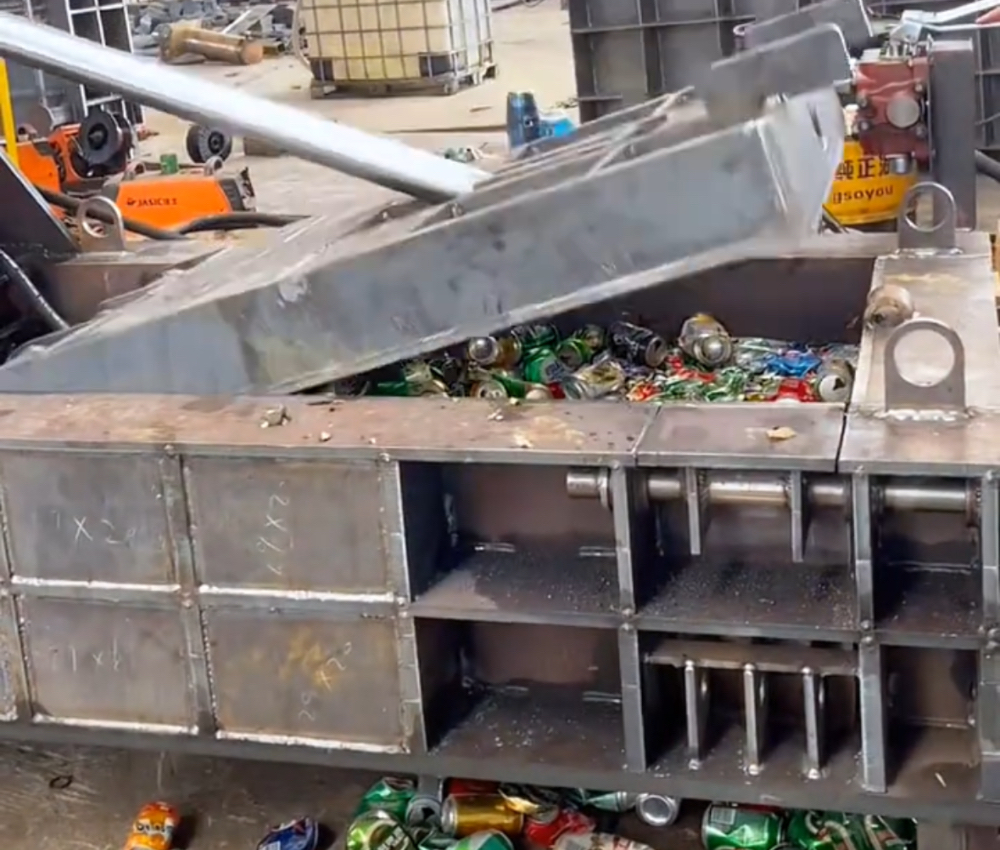
Increase Scrap Value
Loose metal chips usually have low recycling value because they are bulky and difficult to handle.
After briquetting, the material becomes compact and uniform, which significantly increases its market value and acceptance by recycling plants and foundries.
Reduce Storage And Transportation Costs
Metal chips occupy a large amount of space.
After compression, the volume can be reduced by up to 80–90%, greatly lowering storage space requirements and transportation costs.
Improve Melting Efficiency
Dense briquettes burn less during melting and reduce oxidation loss.
This results in higher metal recovery rates and lower energy consumption in smelting furnaces.
Improve Workshop Environment
Loose metal chips are messy and may cause safety issues.
Using a briquetting machine helps keep the workshop clean, organized, and safer for operators.
How To Use A Metal Briquetting Machine
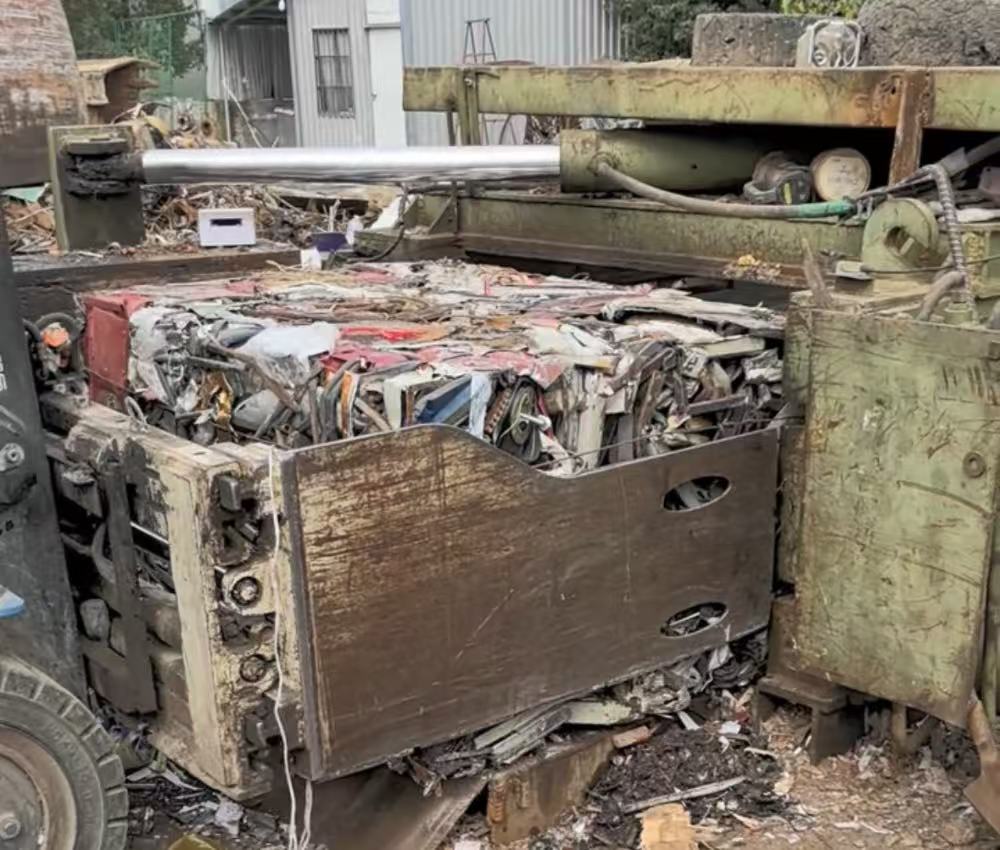
Step 1: Prepare The Raw Material
Collect metal chips, turnings, or shavings from CNC machines or production lines.
Make sure the material is suitable in size and free from large solid pieces.
Step 2: Feed The Material
Load the metal scrap into the feeding hopper manually or through an automatic conveyor system, depending on the machine configuration.
Step 3: Hydraulic Compression
The hydraulic system applies high pressure to compress the metal scrap inside the pressing chamber.
Cutting oil or coolant can be separated and collected during the compression process.
Step 4: Briquette Discharge
After compression, the finished briquette is automatically discharged from the machine and is ready for storage, transportation, or melting.
How To Choose The Right Metal Briquetting Machine Model
According To Material Type
Different metals require different pressing forces.
Aluminum chips need lower pressure, while steel and cast iron require higher-tonnage machines.
According To Processing Capacity
Calculate how many kilograms or tons of scrap you need to process per hour.
Choose a model that matches or slightly exceeds your actual production capacity.
According To Briquette Size And Density
Different buyers and furnaces require different briquette sizes and densities.
Confirm the required briquette dimensions before selecting the machine model.
According To Automation Level
Small workshops may prefer semi-automatic models.
Large factories usually choose fully automatic briquetting machines with conveyors and oil recovery systems.
According To Power Supply And Installation Space
Check your local voltage, frequency, and available installation space.
Make sure the machine fits your factory layout and electrical conditions.
Typical Applications Of Metal Briquetting Machines
Metal briquetting machines are widely used across various industries where metal machining and recycling are involved.
They are especially popular in factories that generate large volumes of metal chips on a daily basis.
In aluminum processing plants, briquetting machines are used to compress aluminum chips and shavings produced by CNC machining.
The briquettes can be directly returned to the melting furnace, reducing aluminum loss and improving material utilization.
In steel and cast iron workshops, metal turnings and swarf are efficiently compressed into high-density briquettes.
These briquettes are easier to transport and are preferred by steel mills due to their stable quality and high melting efficiency.
Copper processing factories also benefit from metal briquetting machines.
Copper shavings and scraps can be compacted into clean briquettes, minimizing oxidation and maximizing recycling value.
Metal briquetting machines are also commonly used in automotive manufacturing, aerospace component production, metal fabrication workshops, and foundries.
Supported Metal Materials
A metal briquetting machine is designed to handle a wide range of metal materials.
Different machine models can be customized according to material hardness and chip shape.
Commonly processed materials include aluminum chips, aluminum turnings, steel chips, stainless steel shavings, cast iron chips, copper shavings, brass chips, and magnesium chips.
Some advanced models can also process mixed metal scrap, provided that the material composition and pressing requirements are properly evaluated in advance.
By selecting the correct machine configuration, stable briquettes with high density and uniform shape can be achieved for almost all machinable metals.
Oil And Coolant Recovery Advantages
One of the major advantages of using a metal briquetting machine is the recovery of cutting oil and coolant.
During the compression process, residual oil and liquid are squeezed out of the metal chips and collected through a filtration system.
The recovered oil can be reused in CNC machines, reducing the overall consumption of cutting fluids and lowering production costs.
At the same time, dry briquettes improve furnace performance and reduce smoke and emissions during melting.
This oil recovery function not only brings economic benefits but also helps companies meet environmental protection and sustainability requirements.
Automation And System Integration
Modern metal briquetting machines can be integrated into fully automated production lines.
They can work together with chip conveyors, crushers, and centralized coolant recovery systems.
Automatic feeding systems allow continuous operation without manual intervention.
PLC control systems ensure stable performance, precise pressure control, and easy operation.
For large-scale factories, a complete briquetting system can significantly improve production efficiency while reducing labor costs and human error.
Automation also ensures consistent briquette quality, which is highly important for downstream recycling and smelting processes.
Long-Term Economic Benefits
Although a metal briquetting machine requires initial investment, the long-term economic benefits are substantial.
Companies can quickly recover their investment through savings in transportation, storage, and material loss.
Higher scrap selling prices, lower furnace energy consumption, and reduced cutting oil waste all contribute to a strong return on investment.
In many cases, the payback period can be as short as one to two years, depending on production volume.
In addition, improved workshop organization and reduced environmental risks bring indirect benefits that are often overlooked but equally important.
Maintenance And Service Life
Metal briquetting machines are designed for heavy-duty industrial use.
With proper maintenance, they can operate reliably for many years.
Regular inspection of hydraulic systems, seals, and wear parts ensures stable performance and reduces unexpected downtime.
High-quality components and robust machine frames contribute to long service life and consistent briquette output.
Choosing a manufacturer that provides technical support, spare parts supply, and after-sales service is essential for long-term operation.
Conclusion
A metal briquetting machine is an essential solution for modern metal recycling and manufacturing industries.
It helps turn waste into value, reduces operating costs, improves recycling efficiency, and supports sustainable production.
Choosing the right machine model based on material type, capacity, and automation level will ensure stable operation and maximum return on investment.