
Introduction
In today’s recycling and waste‑reduction industry, efficiency, reliability, and cost control are more important than ever. Whether you operate a small recycling workshop, a manufacturing facility, or a waste management center, choosing the right shredding equipment can directly impact your productivity and operating costs. Among the many shredding solutions available, the single motor small shredder has become a popular choice for businesses looking for a compact, economical, and practical shredding solution.
This article provides a comprehensive guide to single motor small shredders. We will explain what they are, why they are widely used, how to use them correctly, and how to choose the right model for your application. By the end of this blog, you will have a clear understanding of whether a single motor small shredder is the right investment for your operation.
What Is A Single Motor Small Shredder
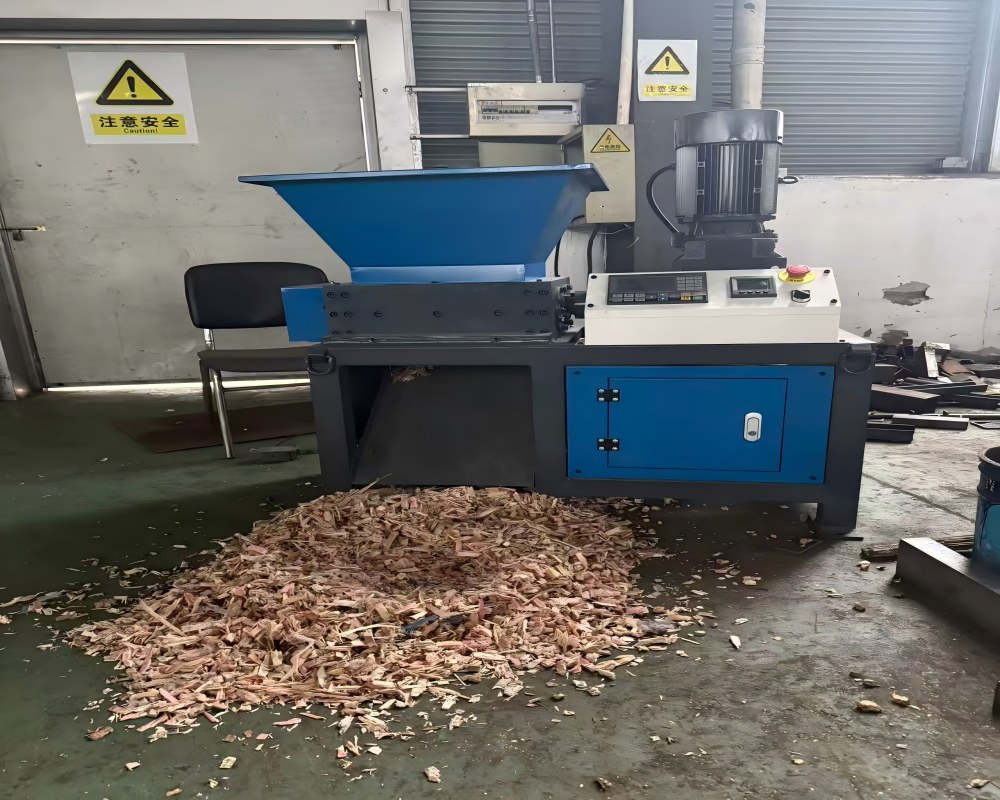
A single motor small shredder is a compact industrial shredding machine driven by one electric motor. It is designed to reduce the size of various materials into smaller, manageable pieces for recycling, disposal, or further processing. Compared with large industrial shredders or dual‑motor shredders, this type of machine focuses on simplicity, space efficiency, and lower energy consumption.
The core structure typically includes:
- A single electric motor
- A gearbox or reducer for torque transmission
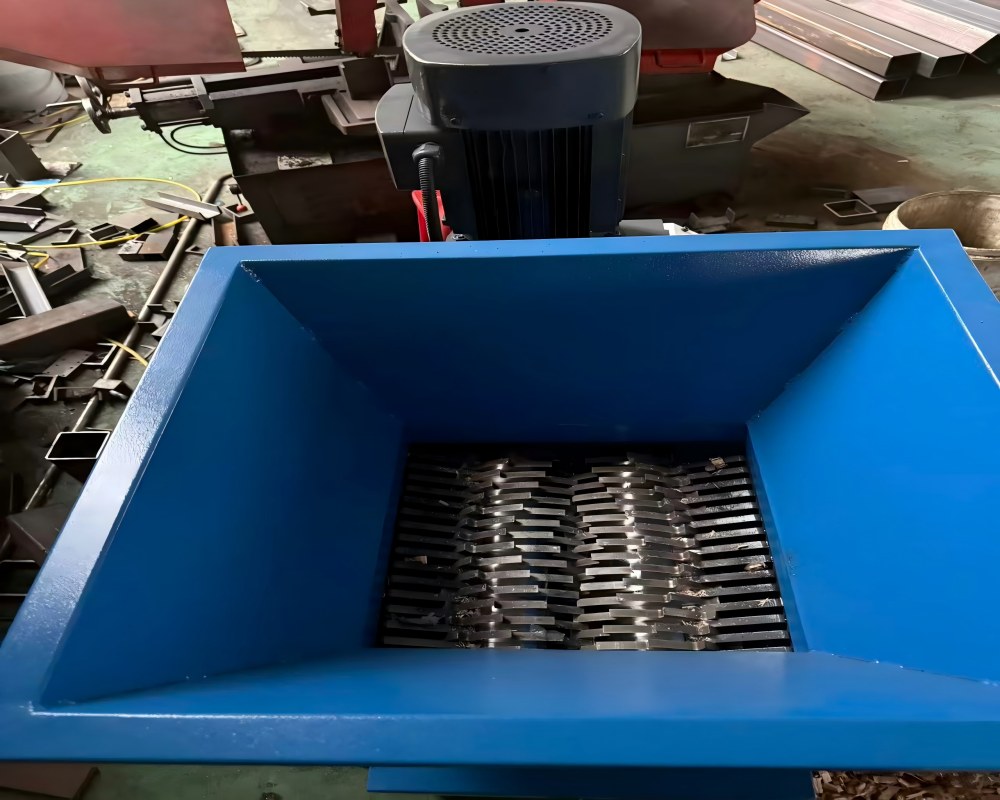
- A shredding chamber with rotating blades
- Fixed counter‑knives or cutters
- A feeding hopper
- A discharge outlet or screen
Because it uses only one motor, the machine design is straightforward, making it easier to operate, maintain, and service. Single motor small shredders are commonly used for shredding plastics, light metals, paper, cardboard, rubber, fabric waste, and certain electronic scraps.
Why Choose A Single Motor Small Shredder
Cost‑Effective Investment
One of the main reasons businesses choose a single motor small shredder is its cost efficiency. With fewer components than multi‑motor systems, the initial purchase price is generally lower. Maintenance costs are also reduced due to simpler mechanical and electrical structures.
Compact Size And Space Saving
For facilities with limited floor space, compact equipment is essential. Single motor small shredders are designed to occupy minimal space while still delivering reliable shredding performance. They can be easily installed in workshops, warehouses, or small recycling lines without major layout changes.
Lower Energy Consumption
Energy efficiency is a key consideration in modern industrial operations. A single motor system consumes less power compared to larger or dual‑motor shredders, helping reduce electricity costs while maintaining stable output for light to medium‑duty applications.
Simple Operation And Maintenance
These machines are user‑friendly and suitable for operators with basic technical training. Routine maintenance, such as blade inspection, lubrication, and motor checks, can be performed quickly, minimizing downtime.
Versatile Applications
Despite their small size, single motor small shredders are highly versatile. They can handle a wide range of materials, making them suitable for recycling plants, manufacturing waste processing, packaging industries, and even laboratories or R&D facilities.
Typical Applications And Materials
Single motor small shredders are widely used across different industries. Common applications include:
- Plastic recycling (PET bottles, PP containers, thin PVC sheets)
- Paper and cardboard shredding
- Light metal scraps (aluminum profiles, thin steel sheets)
- Rubber and tire sidewall waste
- Textile and fabric waste
- Electronic waste pre‑shredding
Their flexibility allows businesses to process internal production waste efficiently, turning scrap into reusable or saleable material.
How A Single Motor Small Shredder Works
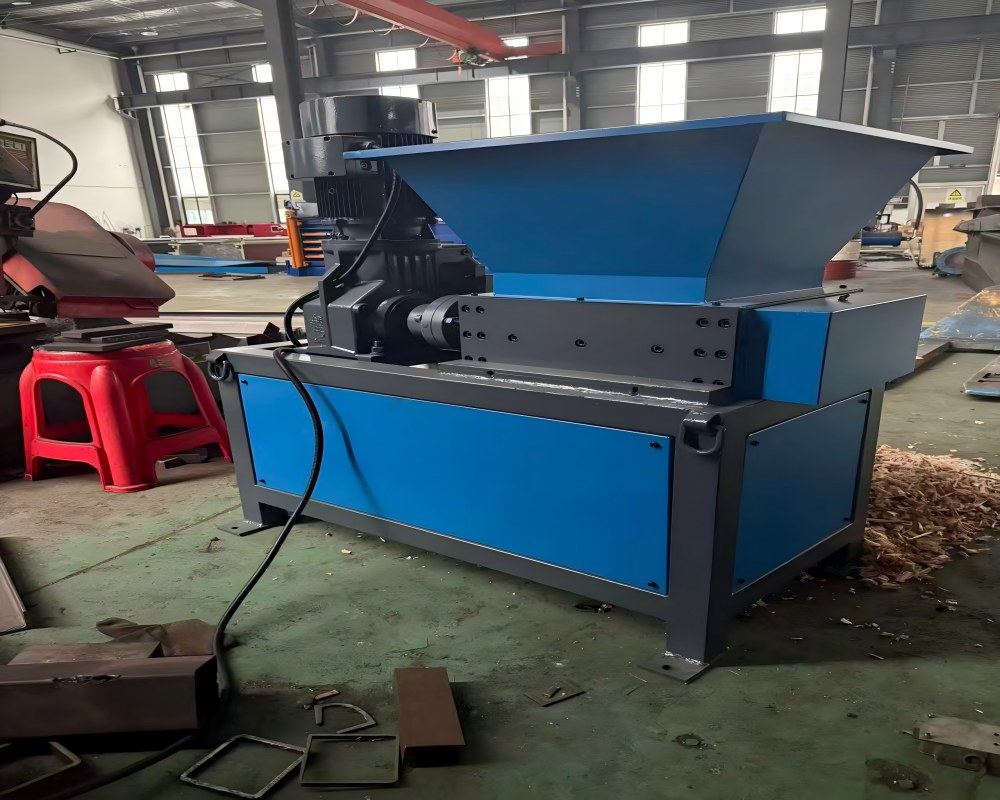
The working principle of a single motor small shredder is straightforward yet effective.
- Material Feeding: Waste material is fed into the hopper manually or via a conveyor.
- Motor Drive: The electric motor transmits power through a reducer to the main shaft.
- Blade Rotation: Rotating blades cut, tear, and shear the material against fixed knives.
- Size Reduction: The material is shredded into smaller pieces according to blade design and screen size.
- Material Discharge: Processed material exits through the discharge outlet, ready for further handling.
This simple workflow ensures stable operation and consistent output.
How To Use A Single Motor Small Shredder Safely And Efficiently
Pre‑Operation Inspection
Before starting the machine, always check:
- Electrical connections and voltage compatibility
- Blade condition and tightness
- Lubrication points
- Emergency stop function
Proper Feeding Practices
Avoid overloading the shredder. Feed materials evenly and ensure they match the machine’s design capacity. Oversized or excessively hard materials may damage blades or overload the motor.
Monitoring During Operation
During operation, monitor noise, vibration, and motor temperature. Unusual sounds or vibrations may indicate blade wear or foreign objects inside the chamber.
Regular Maintenance
Scheduled maintenance extends machine lifespan. Common tasks include blade sharpening or replacement, bearing lubrication, and electrical system inspection.
Safety Measures
Operators should wear protective gloves and eye protection. Never reach into the shredding chamber while the machine is running.
How To Choose The Right Single Motor Small Shredder
Selecting the correct model is crucial for achieving optimal performance and return on investment.
Material Type And Thickness
Different materials require different blade designs and motor power. Clearly define what materials you plan to shred and their maximum size and thickness.
Required Capacity
Estimate your daily or hourly processing volume. Small shredders are ideal for low to medium throughput requirements.
Motor Power
Motor power determines torque and shredding ability. Higher power offers stronger cutting performance but increases energy consumption.
Blade Configuration
Blade number, thickness, and material directly affect shredding efficiency and output size. Choose configurations suitable for your material.
Output Size Requirements
If you need uniform particle sizes, consider machines with discharge screens or adjustable blade gaps.
Ease Of Maintenance
Look for designs that allow quick blade replacement and easy access to internal components.
Single Motor Vs Dual Motor Shredders
While dual motor shredders offer higher torque and capacity, they are often unnecessary for small‑scale operations. Single motor small shredders provide a balanced solution for businesses prioritizing affordability, simplicity, and reliability.
For light to medium materials and limited space, a single motor design is often the most practical choice.
Future Trends And Market Demand
As recycling regulations tighten and sustainability awareness increases, demand for compact and energy‑efficient shredding equipment continues to grow. Single motor small shredders align well with these trends, offering flexible solutions for decentralized recycling and on‑site waste reduction.
Conclusion
A single motor small shredder is a smart investment for businesses seeking a reliable, cost‑effective, and space‑saving shredding solution. By understanding what it is, why it matters, how to use it properly, and how to choose the right model, you can significantly improve your waste management and recycling efficiency.
If you are looking for a practical entry‑level or supplementary shredding solution, a single motor small shredder may be exactly what your operation needs.