
Introduction
As global recycling demand continues to rise, metal processing equipment has become essential for scrap yards, recycling centers, manufacturing plants, and waste treatment facilities. Among all the machines designed for size reduction, metal shredders stand out for their efficiency, durability, and ability to handle heavy-duty scrap materials.
This comprehensive guide explains what a metal shredder is, why it is important, how to use it, and how to choose the right model based on your application. Whether you are new to metal recycling or looking to upgrade your existing machinery, this article will help you make an informed decision.
What Is A Metal Shredder?
Definition
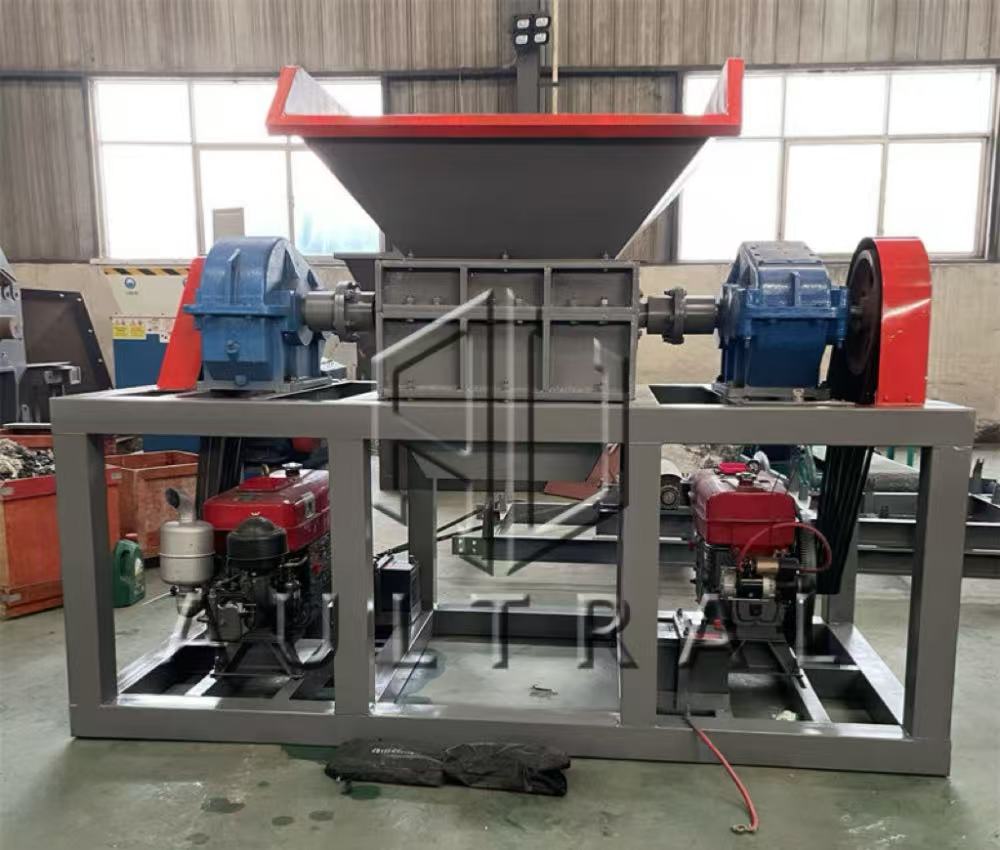
A metal shredder is an industrial machine used to cut, tear, and crush various types of waste metal into smaller, uniform pieces. It uses sharp rotating blades or cutters to break down bulky scrap into manageable sizes for recycling or further processing.
How It Works
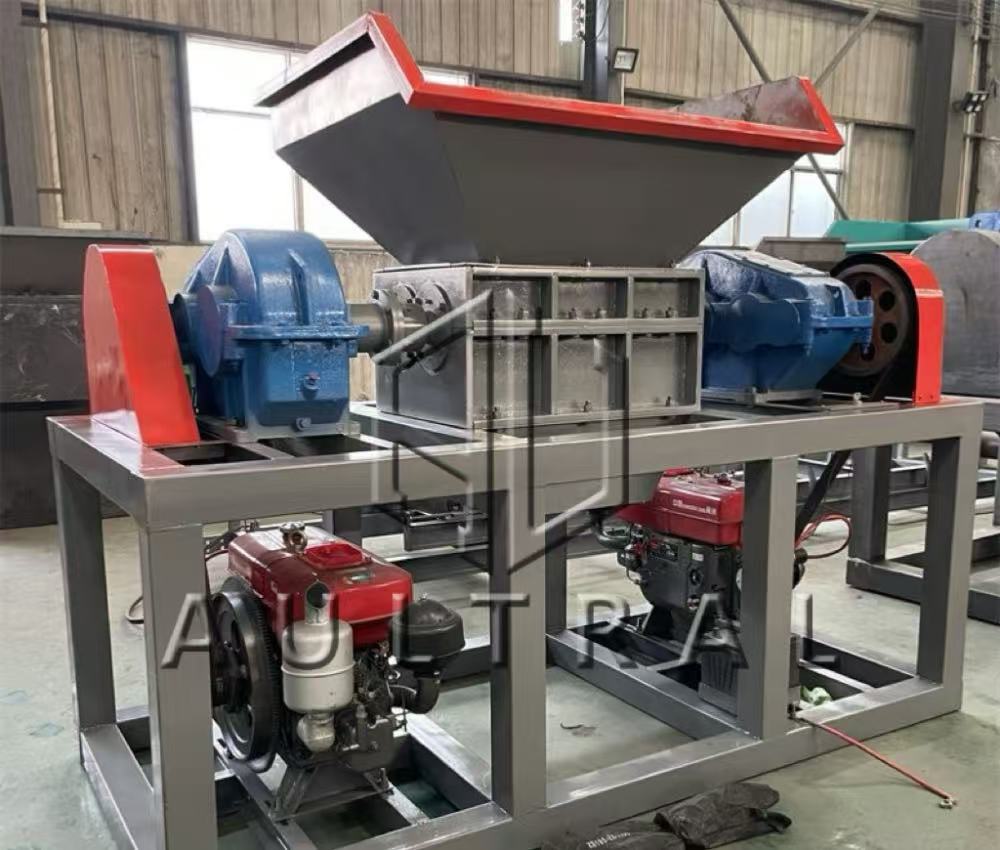
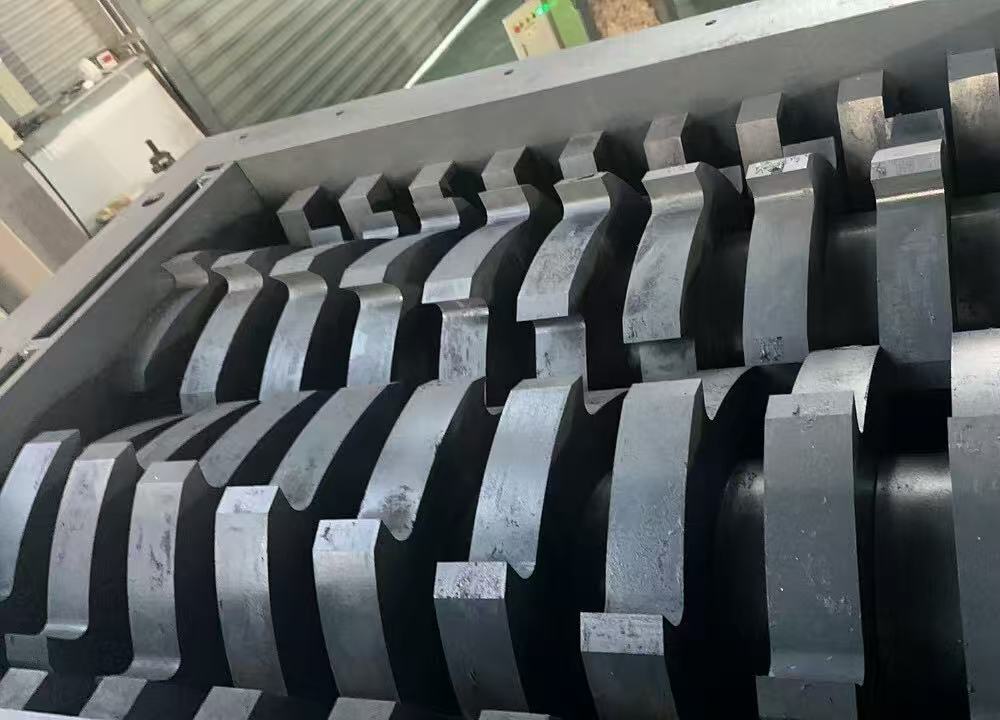
In most metal shredders—especially double-shaft metal shredders—two shafts equipped with blades rotate toward each other. The metal is grabbed by the hook-like cutters, torn apart, and continuously crushed until it reaches the desired particle size.
Materials It Can Process
A metal shredder can handle a wide range of materials including:
-
Steel and iron scrap
-
Aluminum profiles
-
Copper and brass
-
Car shells & motorcycle parts
-
Household metal waste
-
Metal drums & paint buckets
-
Steel plates and profiles
-
Radiators and electrical components
Common Types Of Metal Shredders
1. Double-Shaft Metal Shredder
The most commonly used machine for heavy metal recycling. It features high torque, low speed, and strong crushing capability. Ideal for thick and hard metal.
2. Single-Shaft Shredder
Suitable for softer materials or mixed waste. Not as powerful as double-shaft models for metal.
3. Four-Shaft Shredder
Provides fine and uniform output. Used for precision shredding but more complex and expensive.
4. Hammer Mill Shredder
Uses rotating hammers to smash metal. Very powerful and commonly used for car body shredding.
Why Metal Shredders Matter
1. Reduce Material Size
Shredding reduces the volume of metal by up to 60–80%, making it easier to transport, store, and process.
2. Improve Recycling Efficiency
Small metal pieces are easier to sort and separate using magnetic separators, eddy current separators, and other recycling systems.
3. Save Labor And Time
Instead of manually cutting large pieces, a shredder can do the job automatically and consistently.
4. Increase The Value Of Scrap
Shredded metal usually sells at a higher market price because it is cleaner and uniform.
5. Protect Downstream Equipment
Large metal pieces can damage crushers or mills. Pre-shredding prevents equipment failure and reduces maintenance costs.
How To Use A Metal Shredder
Using a metal shredder is simple but requires proper training to ensure safety and efficiency.
1. Prepare The Materials
Remove dangerous items such as:
-
Pressurized gas cylinders
-
Batteries
-
Highly flammable materials
These can cause explosions inside the shredder.
2. Start The Machine
Check:
-
Power connection
-
Lubrication system
-
Hydraulic system
-
Blade condition
-
Safety guards
Then start the shredder following the manufacturer’s instructions.
3. Feed The Metal
Feed the scrap material into the hopper using:
-
A conveyor belt
-
A grabber
-
A forklift
-
A manual loader (for small pieces)
Avoid overloading the shredder.
4. Monitor The Output
The shredded metal exits from the discharge area. You can connect:
-
Conveyor belts
-
Magnetic separators
-
Steel balers
-
Storage bunkers
5. Maintenance And Safety
Regular maintenance includes:
-
Checking blade wear
-
Tightening bolts
-
Replacing hydraulic oil
-
Cleaning the chamber
Safety rules:
-
Never reach into the hopper
-
Keep a safe distance
-
Wear protective equipment
-
Follow emergency-stop procedures
How To Choose The Right Metal Shredder Model
Choosing the correct shredder ensures better performance, lower cost, and longer service life. Here are the key factors to consider.
1. Type Of Material
Different metals require different torque and blade designs.
| Material Type | Recommended Machine |
|---|---|
| Hard Steel, Iron, Dense Metals | Double-shaft shredder or hammer mill |
| Aluminum, Copper | Double-shaft shredder |
| Mixed Waste With Metal | Four-shaft shredder |
| Light metal scraps | Single or double-shaft shredder |
2. Material Size And Thickness
Thicker and larger materials need:
-
Bigger motor power
-
Stronger gearbox
-
Larger cutting chamber
Example:
Car shells → 1200mm / 1500mm / 2000mm double-shaft shredder.
3. Output Size Requirement
If you need fine shredding (2–3cm), choose:
-
Four-shaft shredder
-
Double-stage shredding line
If rough shredding is enough (5–15cm), a standard twin-shaft shredder will work well.
4. Processing Capacity
Ask the customer:
-
How many tons per hour?
-
How many tons per day?
This determines motor power and blade size.
Typical choices:
| Capacity | Machine Model |
|---|---|
| 0.5–1 ton/hour | 600–800 type |
| 1–3 tons/hour | 1000–1200 type |
| 3–5 tons/hour | 1500 type |
| 5–10 tons/hour | 2000+ type |
5. Blade Material And Hardness
Common options:
-
Alloy steel
-
D2 steel
-
42CrMo
-
Customized hardness treatment
Higher hardness = longer blade life = lower cost.
6. Motor And Gearbox Options
Choose between:
-
Standard motors
-
Heavy-duty motors
-
Siemens motors (optional)
-
High-torque gearboxes
7. Budget And Local Voltage
Machines must match:
-
380V / 220V / 415V
-
50Hz or 60Hz
-
3-phase industrial power
Your budget also affects the configuration level.
Popular Configurations Of Metal Shredders
1. Double-Shaft Shredder + Conveyor + Magnetic Separator
Basic metal recycling line.
2. Double-Shaft Shredder + Crusher + Eddy Current Separator
For copper, aluminum, mixed metal separation.
3. Large-Scale Car Recycling Line
Includes:
-
Pre-shredder
-
Hammer mill
-
Magnetic sorting system
-
Dust collector
Additional Insights: Future Trends And Innovations In Metal Shredding Technology
As the recycling industry continues to evolve, metal shredding technology is also undergoing rapid innovation. Modern shredders are no longer just simple cutting machines—they are becoming smarter, more energy-efficient, and more adaptable to a wider range of materials.
1. Smart Monitoring And Automation
Many new models are equipped with:
-
Real-time motor load monitoring
-
Automatic overload protection
-
Intelligent feeding control
-
Remote fault diagnosis
These features help reduce downtime, improve efficiency, and make operation easier even for inexperienced workers.
2. Higher Energy Efficiency
With rising energy costs, manufacturers are developing shredders that deliver higher torque with lower power consumption. Upgraded gearboxes and optimized blade designs allow machines to process more metal using less electricity.
3. Modular Shredding Systems
Future shredding lines are becoming increasingly modular, allowing users to easily add:
-
Magnetic separators
-
Eddy current separators
-
Dust collectors
-
Conveyor belts
-
Secondary crushers
This flexibility enables businesses to expand production capacity without replacing their entire system.
4. Improved Blade Durability
Advanced blade materials such as D2, high-alloy steels, and specially heat-treated tool steels significantly extend service life. Longer-lasting blades reduce maintenance downtime and lower overall operating costs.
Conclusion
Metal shredders are essential for modern recycling businesses. They help reduce scrap size, improve sorting efficiency, protect equipment, and increase the value of recycled metal. By understanding what a metal shredder is, how it works, and how to choose the right model, you can make smarter investment decisions and significantly improve your operations.
If you need help selecting a metal shredder based on your customer’s exact material, thickness, and capacity requirements, feel free to send me the details—I can help you tailor the perfect model and prepare a professional quotation.