
What Is A Metal Baler Machine?
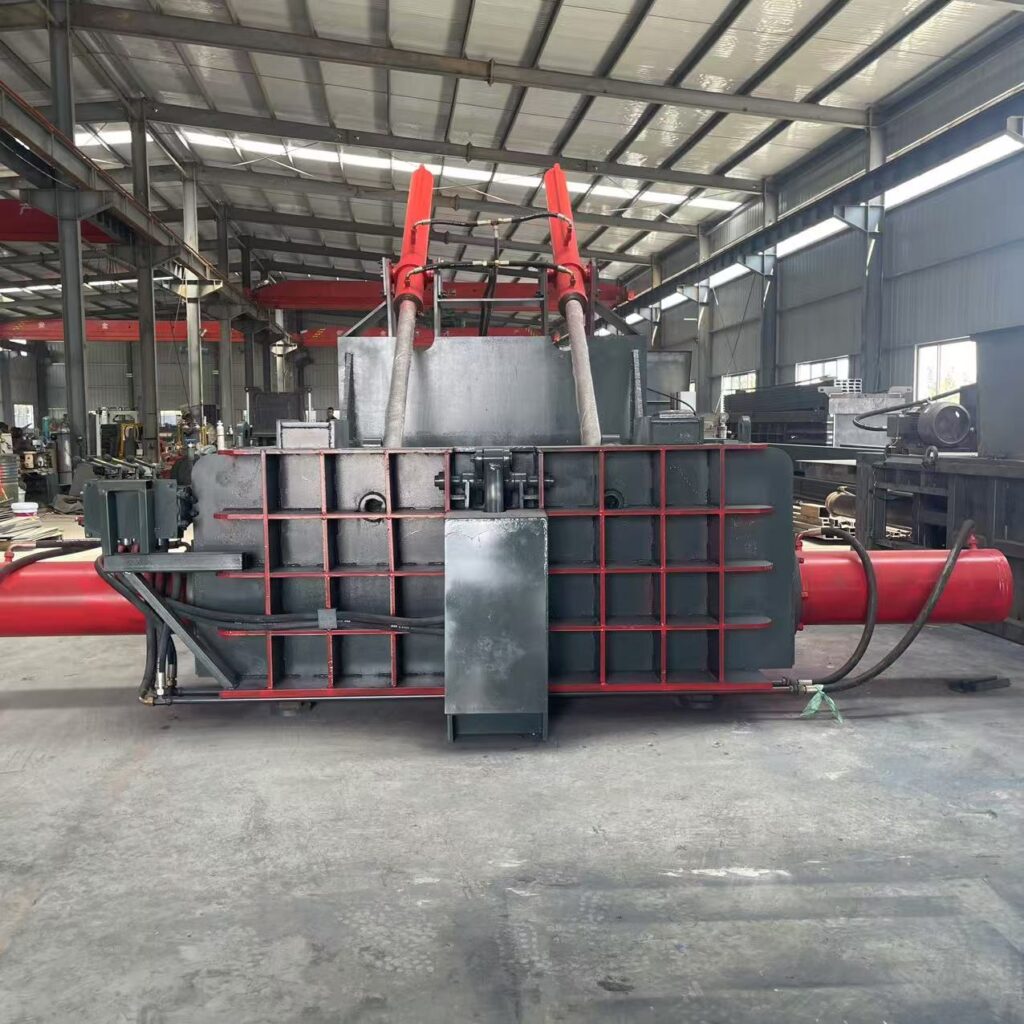
A metal baler machine is a hydraulic compaction equipment designed to compress various types of metal scrap—such as aluminum, steel, copper, stainless steel, and other recyclable metals—into dense, uniform bales. These compacted bales significantly reduce the volume of metal waste, making it easier to store, transport, melt, and recycle.
Metal balers are widely used in recycling centers, metal processing plants, automobile dismantling facilities, and manufacturing industries where large quantities of scrap metal are generated.
Most metal balers rely on high-pressure hydraulic systems, using strong pushing rams to compress the material inside the baling chamber. Depending on the model, the machine can produce bales in different sizes, shapes, and weights, helping businesses achieve efficient recycling operations.
Why Do You Need A Metal Baler Machine?
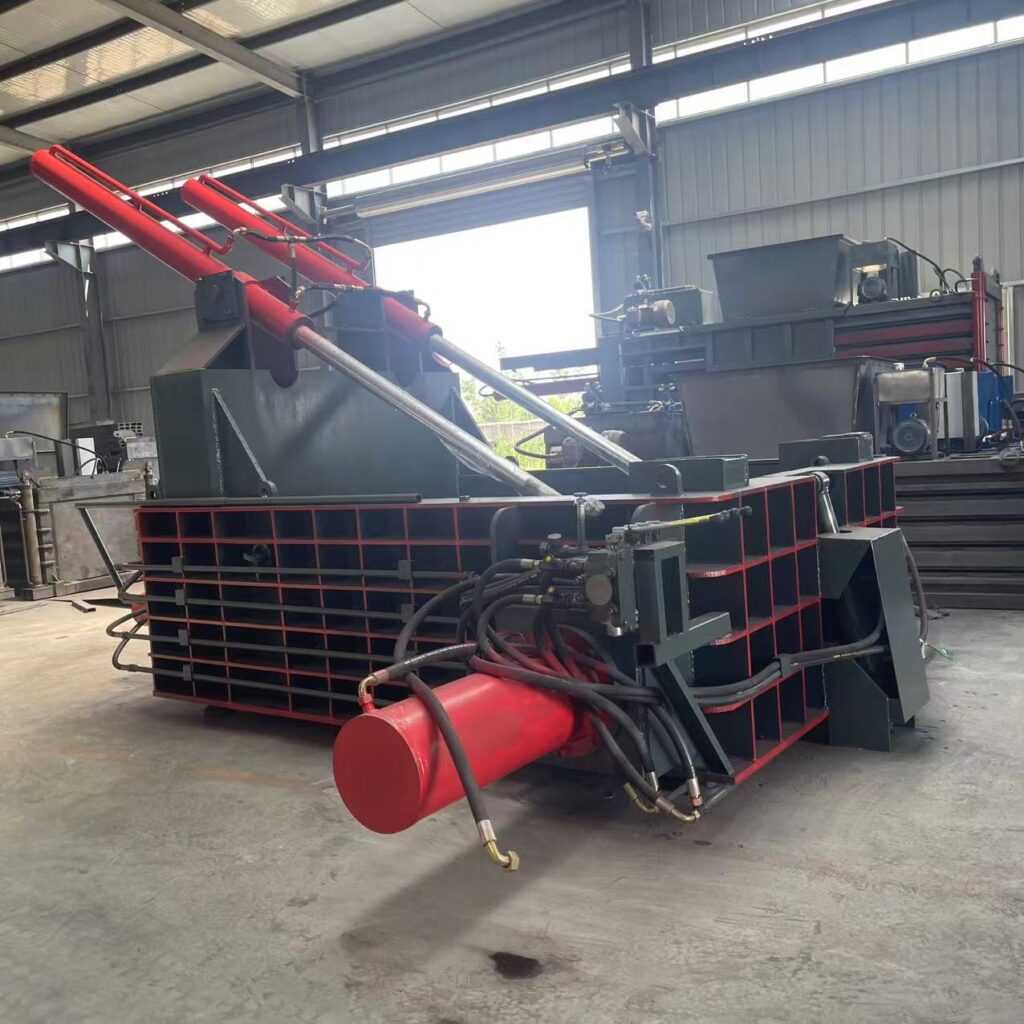
Investing in a metal baler machine offers multiple operational, economic, and environmental benefits. Here are the main reasons why recyclers rely on this machine:
1. Space-Saving Efficiency
Loose metal scrap occupies a lot of room. By compressing it into dense bales, companies can reduce storage space by up to 80%. This leads to a cleaner, safer, and better-organized facility.
2. Lower Transportation Costs
Compact bales maximize container and truck loading capacity. This significantly reduces freight costs, especially for overseas shipments or large-scale recycling facilities with high output.
3. Higher Scrap Value
Metal buyers prefer compact, uniform bales because they are easier to handle and melt. A baler helps produce consistent bale quality, allowing sellers to negotiate better prices.
4. Improved Safety And Cleanliness
Loose metal is often sharp and scattered, creating hazards for workers and equipment. Baling the scrap keeps the working environment more organized and reduces the risk of injuries.
5. Increased Productivity
A metal baler greatly speeds up the recycling workflow. Instead of manually collecting and loading loose scrap, operators simply feed the metal into the baler and let the machine do the heavy work.
6. Eco-Friendly Waste Management
Baling promotes recycling by making the process more efficient and sustainable. It reduces landfill waste, lowers carbon emissions from transportation, and supports circular resource utilization.
Types Of Metal Baler Machines
Metal balers come in different configurations to match various materials and production needs. The three main types include:
1. Horizontal Metal Baler
This type uses side compression and is ideal for continuous, large-volume operations. It is suitable for bulky metal scrap such as light steel, aluminum profiles, car shells, and household appliances.
2. Vertical Metal Baler
A vertical baler compresses scrap from the top. It is compact, affordable, and perfect for small to medium recycling plants or workshops with limited space.
3. Three-Compression Metal Baler
This heavy-duty machine uses three-directional compression (side, top, and front). It produces highly dense bales and is used for tough materials such as heavy steel, thick metal plates, alloy scraps, and industrial offcuts.
How Does A Metal Baler Machine Work?
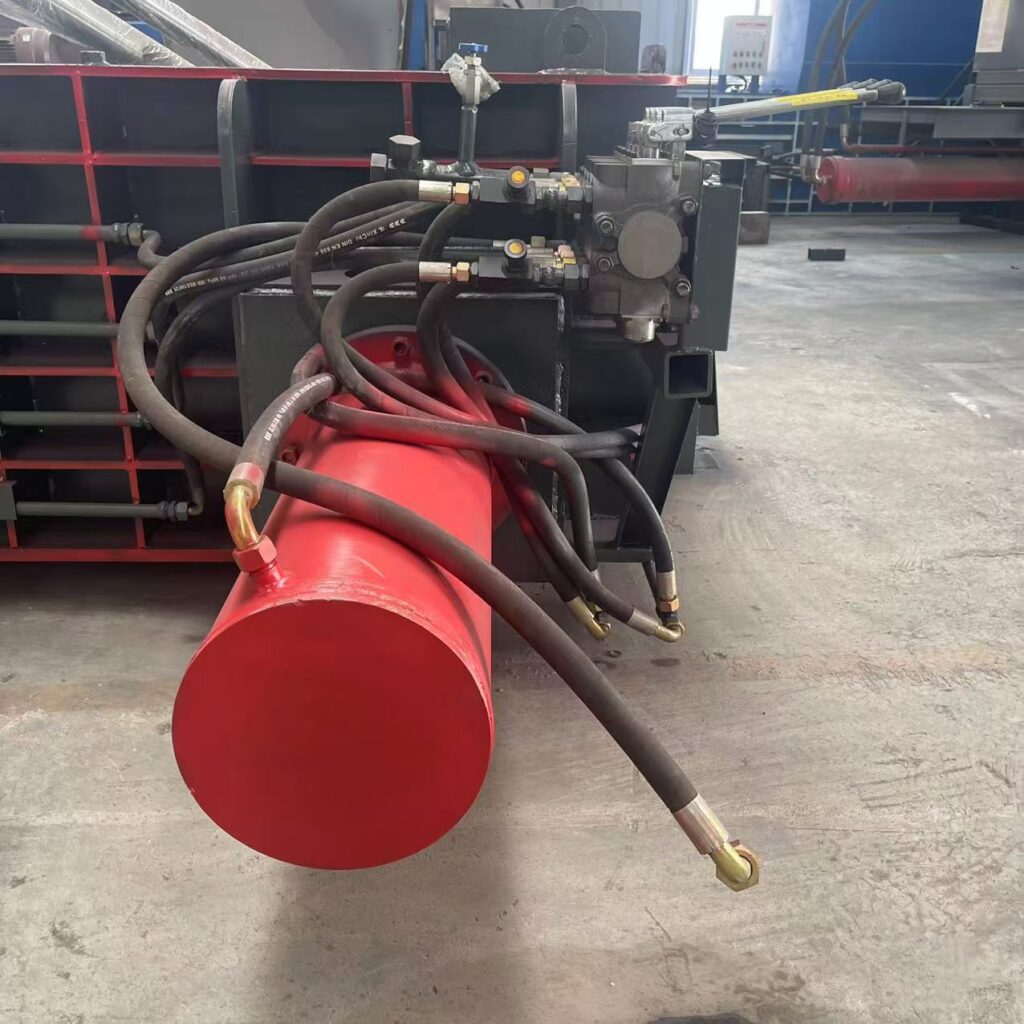
Though designs vary among models, most metal balers follow the same working principle. Here’s the typical process:
1. Feeding The Scrap
Operators load loose scrap metal into the baling chamber manually or by conveyor, loader, or grabber—depending on the machine’s automation level.
2. Hydraulic Compression
The hydraulic cylinders apply high pressure to compress the metal. In three-compression balers, the process occurs in multiple phases:
-
First compression (side)
-
Second compression (top)
-
Final compression (front)
3. Bale Formation
Once the chamber is fully compacted, the machine shapes the material into a tightly compressed bale. Adjustable pressure ensures that the density meets customer requirements.
4. Bale Ejection
After compression, the bale is automatically pushed out via:
-
Hydraulic ejection
-
Manual tilting
-
Side push
-
Front push
5. Repeat Cycle
The machine resets and is ready for the next load. Depending on the model, a cycle can take 20–60 seconds, resulting in high productivity.
How To Use A Metal Baler Machine
Operating a metal baler is straightforward, but proper steps ensure safety and efficiency.
1. Prepare The Machine
-
Check hydraulic oil level
-
Inspect blades, pressure settings, and safety devices
-
Ensure no foreign objects are inside the chamber
2. Load The Scrap
Use manual feeding or assistance from loading equipment. Avoid overfilling, which can cause stress on the machine.
3. Start The Compression Cycle
Press the hydraulic control button or operate the joystick.
The machine will automatically compress the metal to the preset density.
4. Eject The Bale
Once the cycle ends, activate the bale ejection system.
Place the bale on pallets or transport conveyors for easy handling.
5. Regular Maintenance
-
Clean the chamber
-
Inspect hoses and seals
-
Replace hydraulic oil periodically
-
Lubricate moving parts
Proper maintenance ensures a longer machine lifespan and fewer breakdowns.
How To Choose The Right Metal Baler Machine
Choosing a baler is an important investment. Here are the key factors you should consider:
1. Type Of Metal Scrap
Different scraps require different balers:
-
Light scrap (aluminum cans, sheet metal) → vertical or light horizontal baler
-
Medium scrap (steel profiles, car body parts) → horizontal baler
-
Heavy scrap (alloy steel, thick plates) → three-compression baler
2. Daily Or Hourly Output
Estimate your production capacity:
-
Small scale: <5 tons/day → compact vertical baler
-
Medium scale: 5–20 tons/day → horizontal baler
-
Large scale: >20 tons/day → heavy-duty three-compression baler
3. Bale Size And Weight Requirements
Customers or smelters may require specific bale dimensions.
Choose a model that matches your preferred bale dimensions, weight, and density.
4. Feeding Method
Options include:
-
Manual feeding
-
Conveyor belt
-
Grabber / loader
-
Crane
Automation improves efficiency.
5. Available Space And Installation Conditions
-
Vertical balers save space
-
Horizontal balers need longer installation areas
-
Check power supply (e.g., 380V, 50Hz, three-phase)
6. Budget And Maintenance Costs
Consider:
-
Machine price
-
Hydraulic oil usage
-
Spare parts availability
-
After-sales service
Choose a reliable manufacturer with CE / ISO certifications for best performance.
Conclusion
A metal baler machine is an essential piece of equipment for metal recycling, offering benefits such as reduced storage space, improved safety, higher scrap value, and lower transportation costs. With various types and models available—vertical, horizontal, and three-compression—businesses can choose the ideal machine according to their scrap type, production scale, and workflow requirements.
By understanding what a metal baler is, why it is important, how it works, and how to select the right model, recyclers and manufacturers can significantly enhance their operational efficiency and profitability.