
What Is An Industrial Metal Shredder Machine?
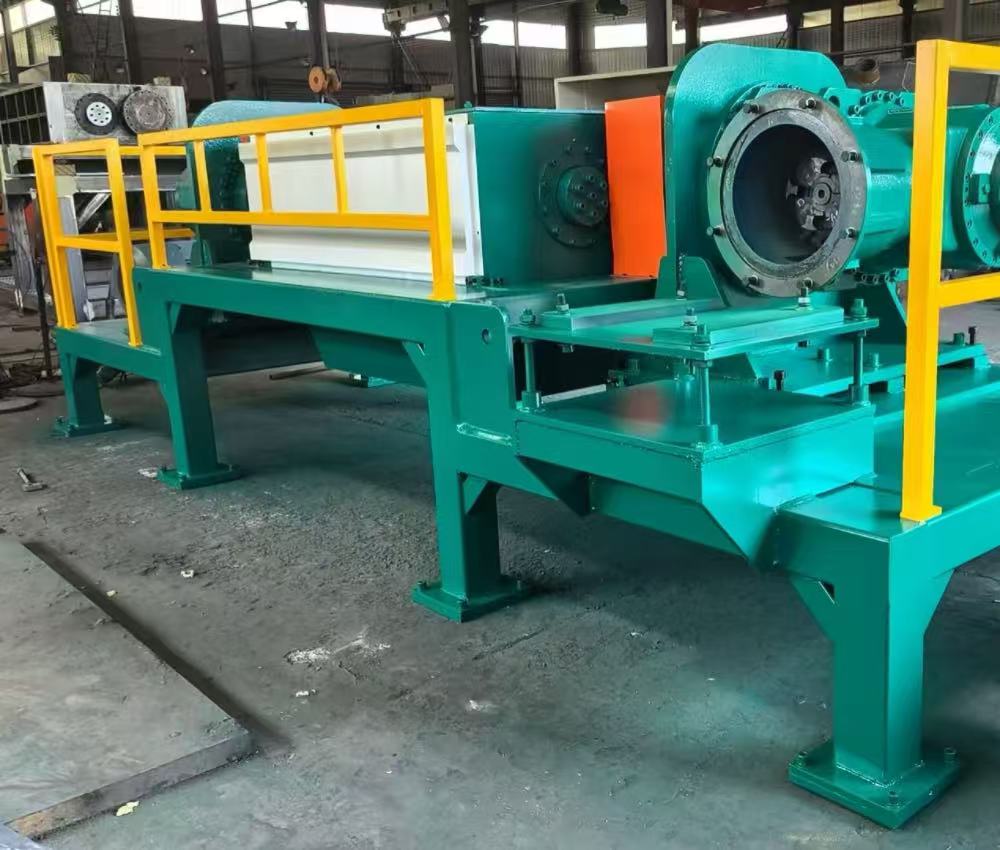
An industrial metal shredder machine is a powerful piece of recycling equipment designed to shred and reduce large volumes of metal scrap into smaller, manageable pieces. It uses heavy-duty cutting blades and a strong hydraulic or electric power system to break down materials such as aluminum, steel, copper, iron, and other non-ferrous or ferrous metals.
These machines are essential in scrap yards, metal recycling centers, and manufacturing plants, where efficient material processing is critical. By turning bulky metal waste into uniform pieces, shredders make it easier to transport, store, melt, or reuse metal materials, thereby improving recycling efficiency and reducing costs.
In industrial setups, metal shredders often come in different configurations — single shaft, double shaft, and four shaft designs — each suited for different levels of capacity and material hardness.
Why Use An Industrial Metal Shredder Machine?
1. Efficient Scrap Size Reduction
The primary purpose of a metal shredder is to reduce the size of metal scrap. Large metal pieces such as car bodies, steel drums, and aluminum profiles can be shredded into smaller fragments, allowing for more efficient handling and melting.
2. Cost-Effective Recycling
Shredding metal waste before further processing significantly lowers transportation and storage costs. Smaller and denser pieces take up less space and can be easily compressed or baled for shipment.
3. Environmentally Friendly
Using metal shredders contributes to a greener recycling process. By promoting efficient reuse of metals, they help conserve natural resources, reduce landfill waste, and minimize the energy consumption required for new metal production.
4. Enhanced Smelting Efficiency
Pre-shredded metal allows for faster melting and better furnace performance in smelting operations. Uniformly sized materials ensure even heating and improve the overall recovery rate of valuable metals.
5. Improved Safety and Productivity
Manual cutting or crushing of metal scrap is dangerous and time-consuming. Industrial shredders automate the process, ensuring worker safety and continuous operation, leading to higher productivity and fewer accidents.
How Does An Industrial Metal Shredder Machine Work?
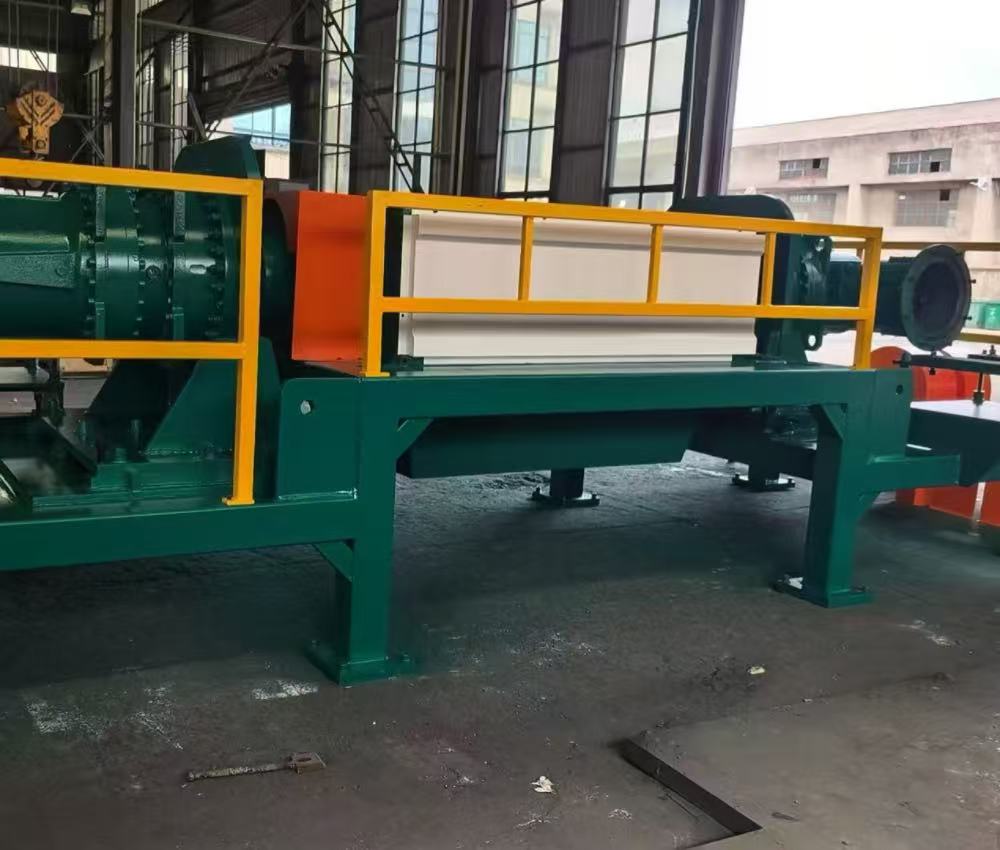
The working principle of an industrial metal shredder is straightforward yet extremely effective. Here’s a step-by-step overview:
1. Feeding the Material
Scrap metal is fed into the shredder’s hopper either manually or via a conveyor system. For large recycling lines, automatic feeding systems ensure a constant material flow.
2. Cutting and Shredding
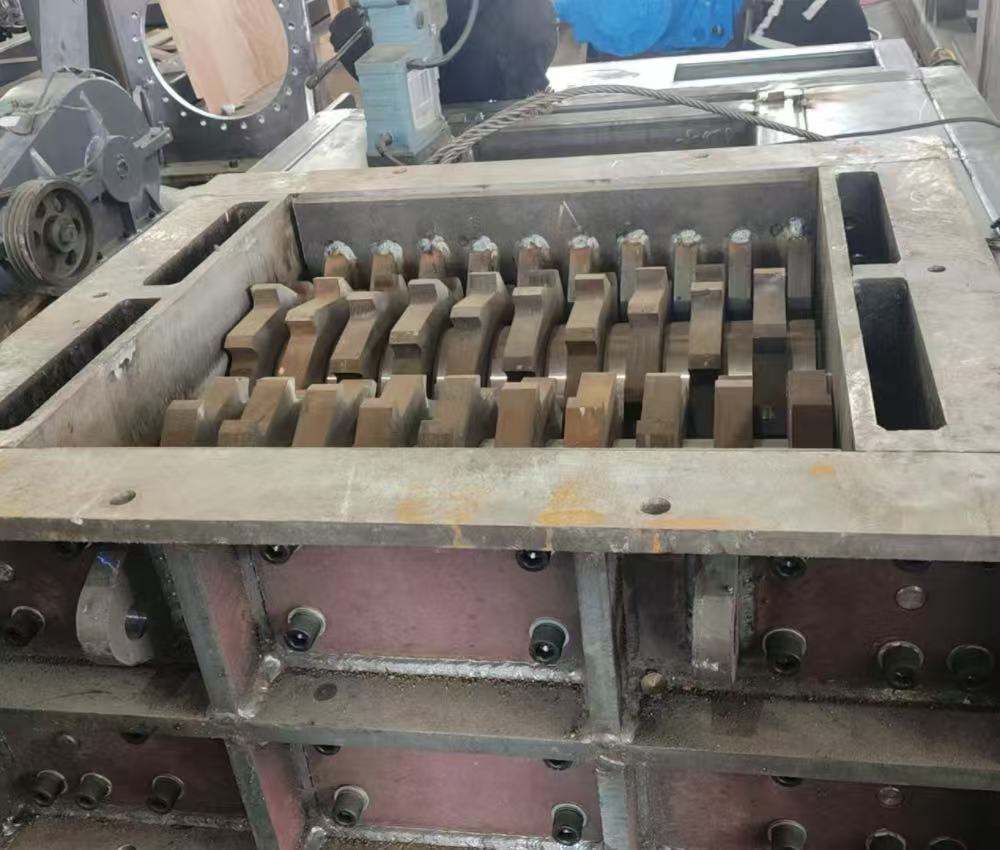
Inside the shredding chamber, rotating blades or shafts tear and shear the metal against stationary cutters. Depending on the design, the shredder may use high-torque, low-speed rotation to deliver powerful cutting action with minimal noise and dust.
3. Size Control
A screen or grid system determines the final particle size. The shredded metal pieces must be small enough to meet downstream processing requirements, such as baling, sorting, or melting.
4. Discharge and Collection
After shredding, the processed metal falls onto a conveyor or collection bin. It can then be transported to a magnetic separator to remove impurities or sent directly to the next stage of recycling.
Types Of Industrial Metal Shredder Machines
There are several types of metal shredders available, each designed for specific applications and capacities:
1. Single Shaft Shredder
-
Best for light to medium-duty materials such as aluminum sheets, copper wires, and small steel parts.
-
Features one rotating shaft with replaceable blades.
-
Suitable for precise shredding and controlled particle size.
2. Double Shaft Shredder (Twin Shaft)
-
Most common type used for heavy-duty metal recycling.
-
Two counter-rotating shafts work together to tear metal apart.
-
Ideal for mixed and bulky scrap such as car panels, pipes, and drums.
-
High torque, low noise, and stable performance.
3. Four Shaft Shredder
-
Designed for high-volume industrial applications.
-
Equipped with four interlocking shafts for maximum shredding force.
-
Produces fine and uniform output, suitable for complex recycling lines.
How To Use An Industrial Metal Shredder Machine
Step 1: Prepare The Material
Ensure that the scrap metal is free of dangerous contaminants such as flammable materials, oil, or gas cylinders before shredding.
Step 2: Check The Equipment
Inspect the shredder for loose bolts, oil levels, and blade conditions. Make sure all safety guards are properly installed.
Step 3: Start Feeding
Feed the materials evenly into the hopper. Avoid overloading to maintain stable shredding performance and prevent motor overload.
Step 4: Monitor The Process
Keep an eye on vibration, sound, and output size. Adjust the speed or torque settings if the shredder struggles with tougher materials.
Step 5: Maintenance
After operation, clean the shredding chamber, check blade wear, and perform regular lubrication. Proper maintenance extends the machine’s lifespan and ensures consistent performance.
How To Choose The Right Industrial Metal Shredder Machine
Choosing the right shredder depends on your material type, output requirement, and budget. Here are key factors to consider:
1. Type of Material
-
For light metals like aluminum, choose a single or twin shaft shredder.
-
For heavy metals such as steel or car bodies, opt for a high-torque double or four shaft shredder.
2. Capacity Requirements
Determine how much material you need to process per hour or per day.
-
Small-scale workshops: 500–1000 kg/h.
-
Medium recycling plants: 2–5 tons/h.
-
Large facilities: 10 tons/h or more.
3. Output Size
If you require fine shredded pieces for melting or sorting, consider a model with a screen system or adjustable cutting gap.
4. Motor Power and Transmission
Industrial shredders come with electric or hydraulic drives.
-
Electric motors are efficient for continuous light-duty shredding.
-
Hydraulic systems deliver higher torque for tough and dense materials.
5. Maintenance and Blade Quality
Choose machines with easily replaceable alloy or tool steel blades. The quality of the blades directly affects performance, service life, and operating costs.
6. Safety and Automation
Look for models with emergency stop systems, automatic overload protection, and PLC control panels to ensure safe and easy operation.
Conclusion: Investing In The Right Metal Shredder For Your Business
An industrial metal shredder machine is a cornerstone of modern recycling and waste management. It not only improves processing efficiency but also supports sustainable resource recovery and environmental protection.
Whether you’re running a scrap metal recycling yard, manufacturing plant, or foundry, choosing the right shredder model can make a significant difference in your operation’s profitability and productivity.
By understanding what a metal shredder is, how it works, and how to select the right one, you can ensure your business stays competitive in the ever-growing metal recycling industry.