
Introduction
In the recycling and metal processing industry, efficiency and cost-effectiveness are key factors that determine success. One essential piece of equipment that helps achieve both is the metal baler machine. It compresses scrap metal into dense, manageable bales for easier handling, storage, and transportation. However, not every business can afford a brand-new baler. That’s where used metal baler machines come in — offering outstanding performance at a fraction of the cost.
In this comprehensive guide, we’ll explore why choosing a used metal baler can be a smart investment, how to use it properly, what to consider when selecting the right model, how to maintain it for long-term operation, and the environmental benefits of recycling with such machines.
Why Choose A Used Metal Baler Machine
1. Cost-Effective Investment
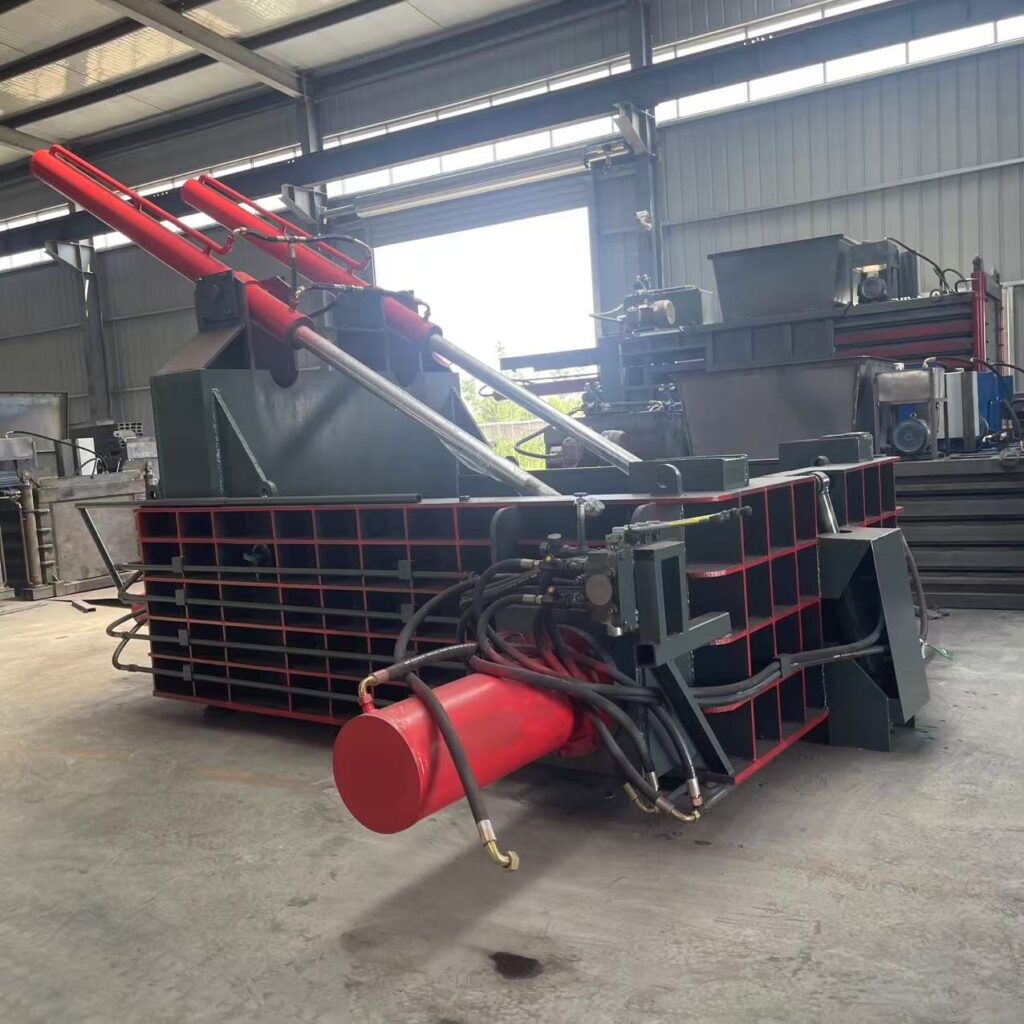
The most obvious reason for purchasing a used metal baler is cost savings. New hydraulic balers can be expensive, especially for small and medium-sized recycling plants. A well-maintained used machine can deliver nearly the same performance as a new one, but at a 30–60% lower cost. This allows you to allocate your budget to other areas such as maintenance, conveyors, or shredders.
2. Proven Performance
A high-quality baler is designed to last for many years. Many used machines on the market have already proven their durability and reliability in industrial environments. If the equipment was originally produced by a reputable manufacturer and properly maintained, you can expect strong performance for years to come.
3. Shorter Lead Time
Buying a new machine often involves long manufacturing and delivery times, sometimes taking several months. A used machine is usually available immediately, allowing you to begin operations sooner — a huge advantage when you need to expand production capacity quickly.
4. Lower Depreciation
Like vehicles, new machines lose value rapidly in the first few years. With a used metal baler, most of the depreciation has already occurred, which means your investment will retain value longer.
How To Use A Used Metal Baler Machine
1. Preparation
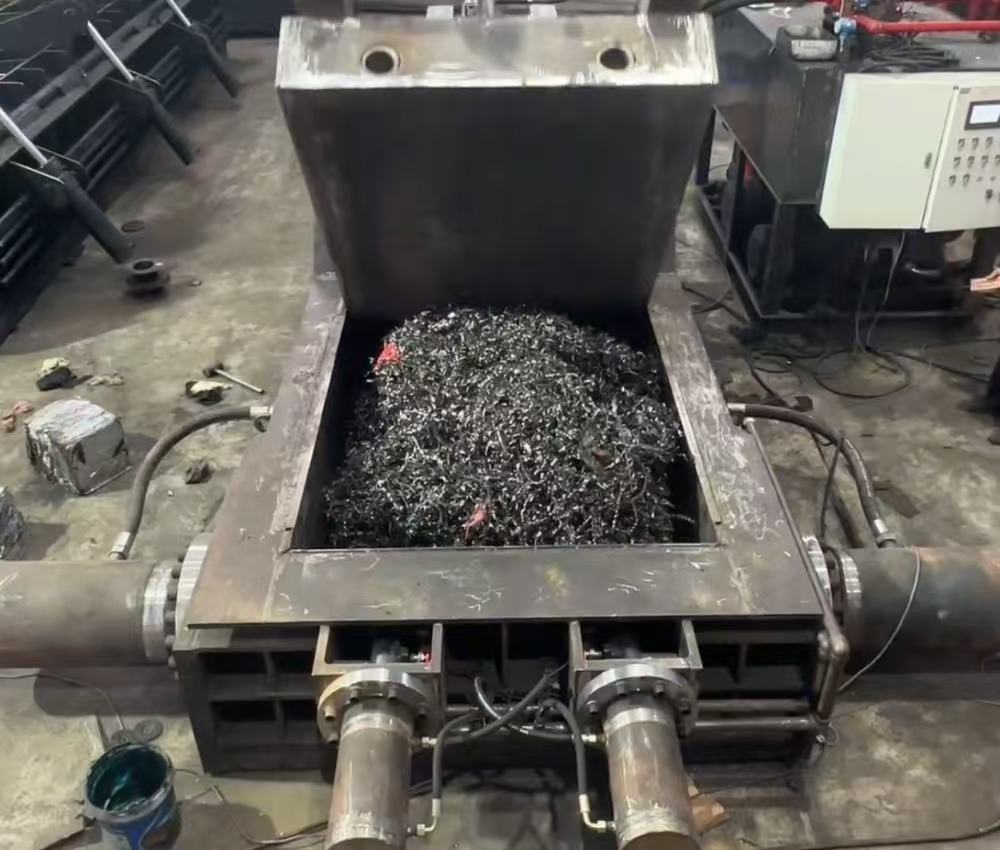
Before using a used metal baler, perform a complete inspection. Check for oil leaks, worn seals, electrical wiring, and the hydraulic system. Ensure that all moving parts are lubricated and that the hydraulic oil level meets the manufacturer’s recommendations.
2. Loading The Material
Feed the scrap metal evenly into the compression chamber. Avoid overloading, as it may damage the machine. Materials such as aluminum, steel, copper, and stainless steel scraps are suitable for baling.
3. Operating The Controls
Most used metal balers are hydraulically driven and operated through manual or automatic control panels. Close the chamber doors securely and start the compression cycle. The hydraulic cylinders will apply pressure to compact the scrap into dense bales.
4. Ejecting The Bale
After the compression is completed, use the bale ejection system (side push, forward-out, or turnover type, depending on the model) to release the finished bale. Label and store the bales in a dry area to prevent corrosion.
How To Choose The Right Used Metal Baler Model
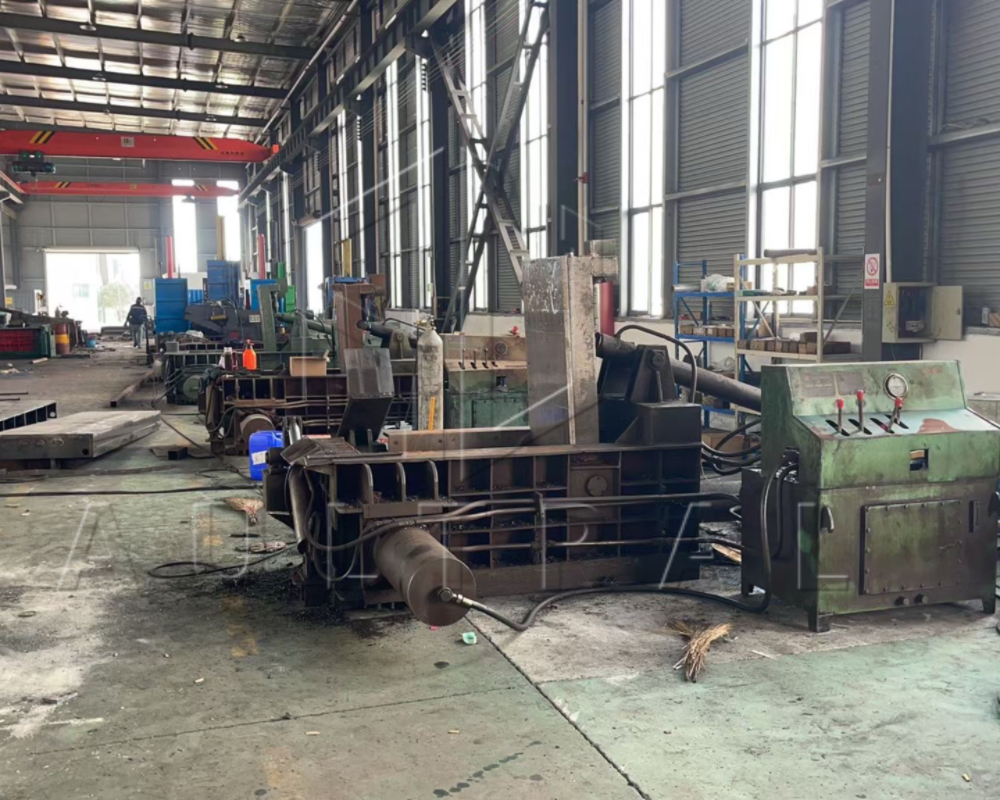
Choosing the correct model is crucial to ensure maximum efficiency and safety. Here are key factors to consider:
1. Type Of Material
Different metals have different densities and compressibility. For example:
-
Light metals (aluminum, cans, or copper sheets): a vertical baler or small horizontal baler is sufficient.
-
Heavy metals (steel, iron, or car parts): a horizontal or heavy-duty hydraulic baler with a larger compression chamber is recommended.
2. Compression Force
The machine’s pressing force determines how compact the final bales will be. Common force ranges include:
-
100–200 tons for light scrap metals.
-
200–500 tons for mixed or heavier materials.
-
Over 500 tons for industrial-scale operations.
Always match the machine’s tonnage with your production volume and material type.
3. Bale Size And Weight
Different models produce bales of different dimensions. Make sure the bale size fits your storage, transportation, or smelting requirements.
4. Automation Level
Used metal balers come in various configurations:
-
Manual balers – low cost, suitable for small recycling centers.
-
Semi-automatic balers – moderate price, ideal for medium operations.
-
Fully automatic balers – faster, labor-saving, perfect for high-volume production lines.
5. Hydraulic System Condition
Inspect the hydraulic system, including cylinders, hoses, and pumps. Any leaks or abnormal sounds may indicate a need for replacement parts or repair.
6. Manufacturer Reputation
Buy from trusted brands or verified suppliers. Well-known manufacturers such as Aultral Machinery provide detailed maintenance records and quality assurance for their used equipment.
How To Maintain A Used Metal Baler Machine
Regular maintenance ensures safety, efficiency, and longevity. Here are essential maintenance tips:
1. Daily Inspection
Before each shift, check for oil leaks, loose bolts, and abnormal noises. Clean dust and metal residues around the machine.
2. Hydraulic Oil Maintenance
Change the hydraulic oil every 3–6 months, depending on usage intensity. Use only recommended hydraulic fluids to prevent system damage.
3. Lubrication
Keep all moving parts properly lubricated — including hinges, pressure plates, and guide rails — to reduce friction and wear.
4. Electrical System Check
Inspect control panels, switches, and sensors. Replace any worn-out wires or damaged relays immediately.
5. Cylinder And Seal Care
Hydraulic cylinders are vital components. Replace seals and O-rings when you notice leakage or reduced pressure.
6. Regular Professional Servicing
Schedule periodic servicing by qualified technicians to calibrate pressure settings and ensure operational safety.
Environmental Benefits Of Using Metal Baler Machines
1. Reducing Metal Waste
By compressing loose scrap into compact bales, metal balers help minimize waste volume and make recycling processes more efficient.
2. Lower Transportation Emissions
Compact bales take up less space, which means fewer transport trips and reduced fuel consumption — lowering carbon emissions.
3. Promoting Circular Economy
Reusing and recycling metals through baling machines supports a sustainable production cycle, conserving natural resources and reducing the need for new metal mining.
4. Supporting Green Manufacturing
Companies that invest in recycling equipment, even used ones, demonstrate environmental responsibility — enhancing their reputation and compliance with eco-friendly regulations.
Final Thoughts
A used metal baler machine is not just an economical choice — it’s a sustainable one. It offers a balance between cost-efficiency, reliability, and environmental responsibility. Whether you operate a small recycling yard or a large industrial plant, a well-chosen used baler can help you optimize production, reduce waste, and contribute to a greener planet.
Before making your purchase, always:
-
Evaluate the machine’s condition and compression capacity.
-
Verify the supplier’s credibility.
-
Conduct proper maintenance once installed.
By following these guidelines, you can enjoy the full benefits of your used metal baler machine for years to come.