
In the world of metal recycling and scrap processing, efficiency and cutting strength determine the speed and profitability of your operations. Whether you’re processing steel bars, scrap profiles, rebar, metal pipes, or dismantling light scrap, having the right cutting equipment is essential. Among all types of scrap shears, the Alligator Shear—also known as a crocodile shear—stands out as one of the most practical, versatile, and durable tools in the industry.
In this blog, we will break down what an alligator shear is, why it’s important, how it works, and how to choose the correct model for your business. This guide is designed to help recyclers, scrap yards, and metal processing companies make informed decisions and improve their operations.
What Is An Alligator Shear?
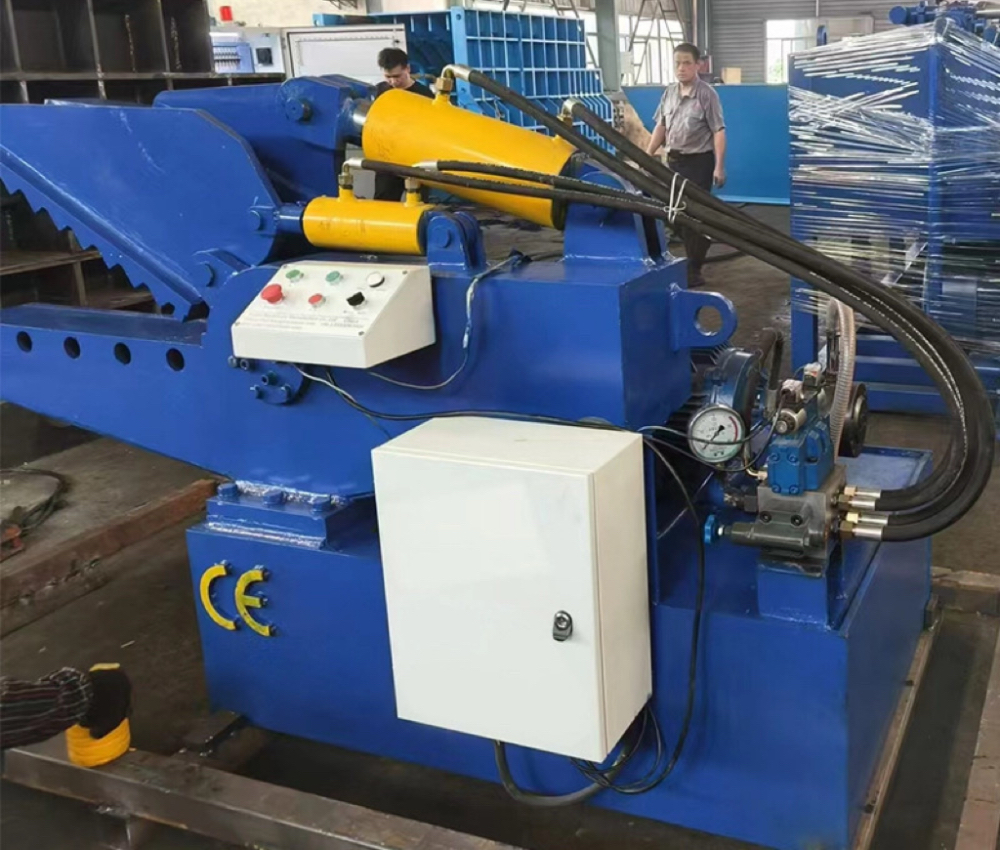
An alligator shear is a hydraulic metal-cutting machine designed to cut a wide range of scrap materials. Its name comes from its blade structure, which looks like the jaws of an alligator. When the upper blade moves down and the lower blade remains fixed, the machine creates a powerful shearing motion that easily cuts through metal.
Typical materials that an alligator shear can process include:
- Steel bars
- Rebar
- Channel steel
- Angle steel
- Scrap pipes
- Light metal structures
- Aluminum and copper scraps
- Car dismantling scrap
- Small metal off-cuts
Alligator shears are widely used in:
- Scrap metal recycling yards
- Steel mills
- Metal processing plants
- Car dismantling centers
- Waste management companies
Because of their simple structure, strong cutting force, and low maintenance cost, alligator shears have become a standard machine in the recycling industry.
Why An Alligator Shear Is Essential
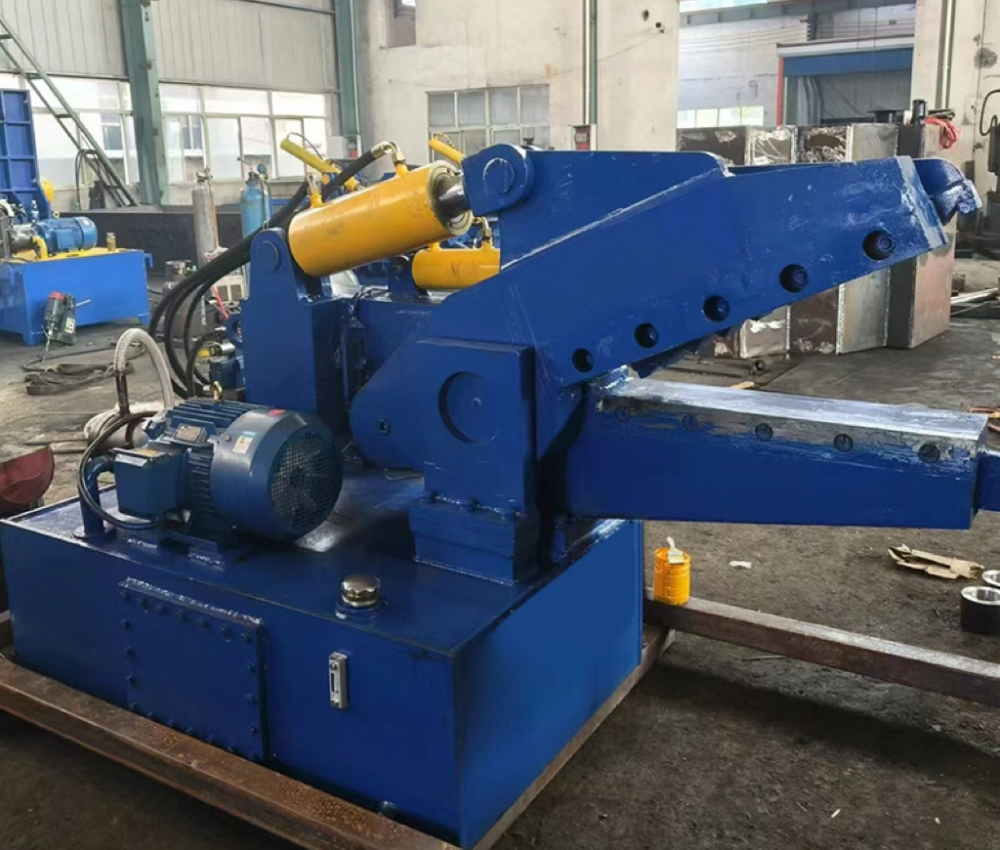
1. Strong Cutting Power For Tough Scrap
Alligator shears use hydraulic power to generate extremely high cutting force. This makes them suitable for a wide variety of metal materials, including hardened steel and bundles of scrap.
2. Versatile And Efficient
Instead of relying on manual labor or gas cutting, an alligator shear reduces material quickly, safely, and consistently. It can handle multiple shapes and sizes of scrap without needing to change tools.
3. Safe And Easy Operation
Modern alligator shears are designed with safety guards, foot pedals, and automatic return systems, ensuring workers can operate the machine safely with minimal training.
4. Low Maintenance And Long Service Life
With simple hydraulic systems and durable fabrication, the machine requires very little maintenance—mainly blade sharpening and hydraulic oil checks.
5. A Must-Have For Scrap Yards
Any recycling business that handles long or irregular scrap metal needs an alligator shear to improve sorting, reduce transportation volume, and increase resale value.
How An Alligator Shear Works
An alligator shear operates using hydraulic cylinders that push the upper blade downward toward a fixed lower blade. The metal placed between the blades is cleanly cut with high force.
Here’s the basic workflow:
1. Power On The Machine
Connect the power supply, check the hydraulic system, and ensure safety guards are in place.
2. Place Scrap Into The Cutting Area
The operator places rebar, pipes, steel plates, or other metal pieces into the shear opening.
3. Activate The Foot Pedal Or Button
Most machines use foot pedals for hands-free operation. Pressing the pedal moves the upper jaw forward to cut the scrap.
4. Automatic Blade Return
After cutting, the blade automatically returns to the open position, ready for the next piece.
5. Repeat The Process
Operators can continuously feed scrap into the machine for fast processing.
How To Use An Alligator Shear
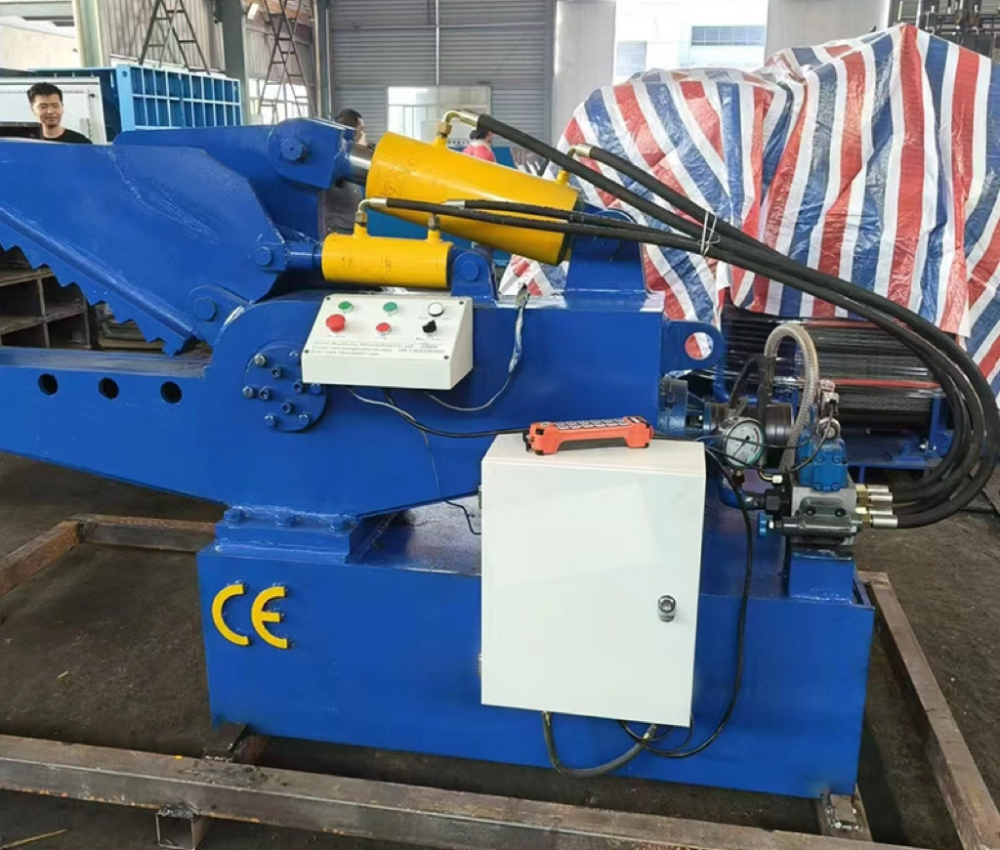
(Step-By-Step Guide)
Step 1: Preparation
- Ensure all safety covers and guards are installed.
- Check hydraulic oil level.
- Inspect the blades for damage or dullness.
- Clear the working area of unnecessary obstacles.
Step 2: Positioning The Material
- Place the scrap material securely between the blades.
- Avoid stacking thick materials on top of each other.
- Maintain a safe distance from the blade movement path.
Step 3: Cutting Operation
- Press the foot pedal or hand control to activate the cutting stroke.
- Allow the blade to complete the cut.
- Release the pedal to allow automatic return.
Step 4: Continuous Cutting
- Repeat the process for bundles or long strips of scrap.
- For large or irregular pieces, adjust the position before cutting.
Step 5: Daily Maintenance
- Clean the machine after use.
- Check bolts, connections, and blades.
- Replace or sharpen blades regularly.
- Monitor hydraulic oil temperature during heavy use.
Types Of Alligator Shears
Alligator shears come in several tonnage and structural types depending on the cutting force required:
1. Small Alligator Shear (40–63 Tons)
Suitable for:
- Small scrap pieces
- Copper and aluminum
- Rebar under 25–32 mm
Ideal for workshops or small scrap yards.
2. Medium Alligator Shear (80–125 Tons)
Suitable for:
- Steel rods
- Mixed scrap
- Thick-walled pipes
Best for medium-sized scrap processing facilities.
3. Heavy-Duty Alligator Shear (160–250 Tons)
Suitable for:
- Heavy steel
- Large diameter pipes
- Automotive scrap
- Industrial structures
Used in large recycling yards and industrial applications.
How To Choose The Right Alligator Shear
Selecting the correct model is critical for efficiency and long-term durability. Here are the main factors to consider:
1. Your Material Type
Different materials require different cutting forces:
- Copper/aluminum: 40–63 tons
- Mild steel: 63–100 tons
- Thick steel/solid bars: 125–200 tons
- Heavy scrap: 200+ tons
Always choose a machine that exceeds your cutting requirements to avoid overloading.
2. Maximum Scrap Size
Check the machine specifications for:
- Blade length
- Maximum opening width
- Maximum cutting diameter
If you process long or bulky scrap, choose a model with a wider opening and longer blade.
3. Daily Processing Volume
- Small yards: < 2 tons/day → 40–80 tons shear
- Medium yards: 2–5 tons/day → 80–125 tons shear
- Large yards: 5+ tons/day → 160–250 tons shear
Higher volume requires stronger hydraulics and faster cycles.
4. Working Space
Consider the installation footprint. Alligator shears are compact but still need a safe working area around them.
5. Power Supply
Verify whether your site uses:
- 380V three-phase
- 415V
- 220V industrial
Your machine must match your local power standards.
6. Budget And Durability
A high-quality alligator shear may cost slightly more but will:
- Last longer
- Have fewer breakdowns
- Save money on blade replacement
- Handle heavy scrap more easily
Overall, it greatly reduces long-term operating costs.
Why Choose Aultral Alligator Shears
Aultral manufactures high-quality alligator shears with:
- Reinforced frames for long service life
- Sharp alloy blades
- Stable hydraulic systems
- Strong cutting force
- CE and ISO certifications
- Safe and easy operation
Our models cover a wide range from 63T to 250T, suitable for small recycling shops to large industrial scrap yards.
We also offer:
✔ Custom blade lengths
✔ Custom opening widths
✔ High-speed hydraulic options
✔ Extra safety protections
This ensures every customer gets the machine that fits their exact needs.
Conclusion
The alligator shear is a powerful, reliable, and efficient tool for any scrap metal recycling operation. Whether you handle light aluminum scrap or heavy steel structures, the right shear will significantly improve your cutting efficiency, reduce labor time, and help you maximize profitability.
By understanding what an alligator shear is, how it works, why it’s valuable, and how to choose the right model, you can make a confident investment in equipment that will serve your business for years.