
As global attention shifts toward recycling, sustainability, and efficient waste-handling practices, the Vertical Baler has become an indispensable machine in commercial, industrial, and retail environments. Compact, powerful, and cost-effective, vertical balers help businesses compress loose materials—such as cardboard, plastics, textiles, and aluminum cans—into dense, manageable bales that are easy to store, transport, and sell.
In this blog, we will explore the applications of vertical balers, their key advantages, how to use them, and a practical guide to choosing the right model for your business.
Applications Of Vertical Balers
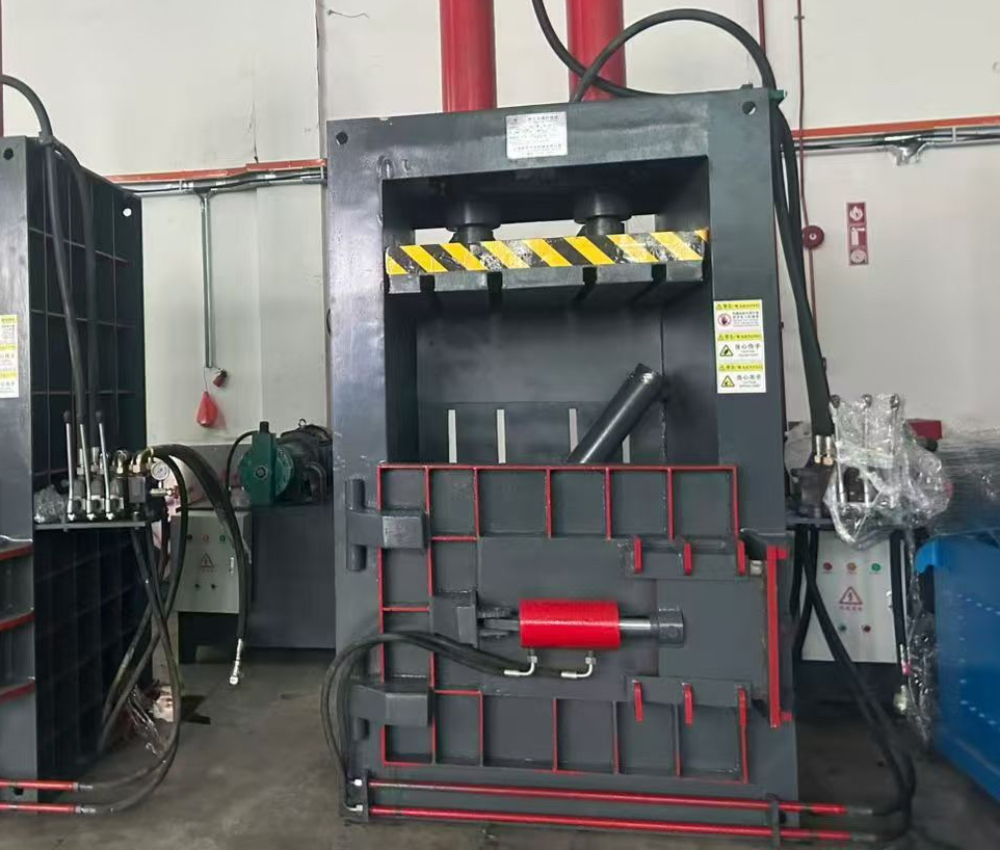
Vertical balers are designed for compressing lightweight recyclable materials. They are widely used across multiple industries due to their compact footprint and high efficiency.
Retail Stores And Supermarkets
Large quantities of cardboard, packaging film, and plastic bags accumulate in retail stores. A vertical baler keeps the workspace clean by compacting these materials into neat bales.
Warehouses And Logistics Centers
Daily deliveries produce endless packaging waste. Vertical balers help reduce clutter, making warehouses safer and more organized.
Recycling Centers
For small and medium-sized recycling operations, vertical balers are one of the most essential machines. They provide high-density bales without the large investment required for horizontal balers.
Manufacturing Plants
Factories often generate waste such as:
- Plastic scrap
- Cardboard
- Foam
- Light metals
A vertical baler reduces material volume and improves overall waste-handling efficiency.
Hotels, Restaurants, And Shopping Malls
These facilities produce constant packaging waste. A vertical baler reduces pickup frequency and waste-handling costs.
Garment And Textile Factories
Vertical balers are ideal for compressing:
- Used clothing
- Fabric pieces
- Fiber waste
- Towels or cotton
Farms And Agricultural Facilities
Farmers use balers to compact:
- Plastic wrap
- Feed bags
- Crop residues
- Used packaging
Vertical balers are versatile machines suitable for almost every industry dealing with bulky waste.
Advantages Of Using A Vertical Baler
Space-Saving Design
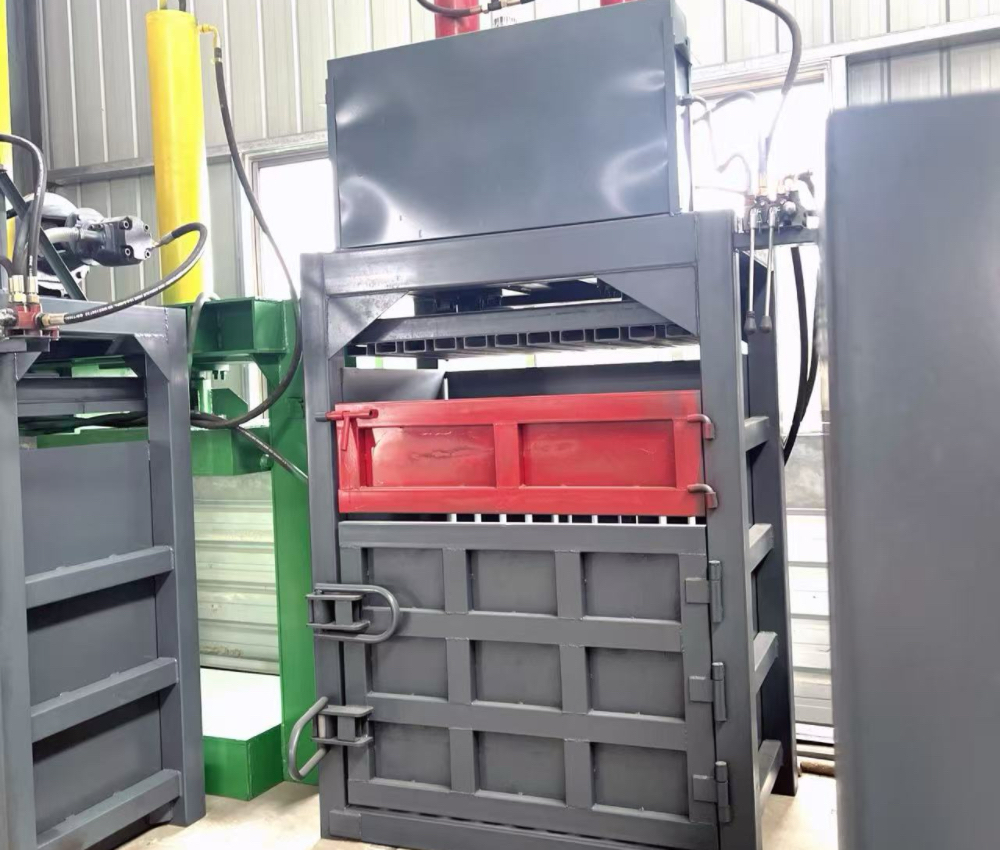
Vertical balers compress materials from top to bottom, requiring minimal floor space compared to horizontal balers. They are perfect for businesses with limited workshop area.
Cost-Effective Investment
They offer a lower initial investment but still deliver strong compression power. For small and medium-sized businesses, vertical balers provide excellent value for money.
Easy To Install And Operate
Vertical balers do not require complicated conveyors or civil construction. Users can operate the machine after simple training.
High Compression Ratio
The hydraulic system achieves strong compaction, reducing material volume by 80%–90%, which significantly lowers storage and transportation expenses.
Improved Workplace Cleanliness
Loose waste materials often create clutter and safety hazards. A baler transforms that waste into neat, stackable bales.
Better Recycling Revenue
High-density bales are easier to sell and often command higher prices from recycling buyers.
Low Maintenance Requirements
Vertical balers have a simple mechanical structure, meaning fewer breakdowns and lower long-term maintenance costs.
How To Use A Vertical Baler – Step-By-Step Guide
ile models may vary slightly, the general operation process is similar across all vertical balers.
Step 1: Prepare The Machine
Ensure the machine is connected to a stable power supply. Open the front door and check that the chamber is clear of obstacles.
Step 2: Load The Material
Place the materials—such as cardboard, plastic film, bottles, or textiles—inside the compression chamber.
Step 3: Close And Lock The Door
Close the door securely. The safety interlock will prevent the machine from running unless the door is properly locked.
Step 4: Press The Start Button
Activate the machine using the control panel. The hydraulic cylinder will move downward, compressing the material.
Step 5: Add More Material (If Necessary)
If the chamber is not full enough, the operator can repeat the loading process until the desired bale height is reached.
Step 6: Insert Baling Straps
Once the compression cycle is completed, place baling straps or wires into the designated slots to secure the bale.
Step 7: Eject The Bale
Use the bale ejector system, such as:
- Hydraulic ejector
- Chain ejector
- Tilt-out mechanism
The compressed bale is safely removed from the machine.
Step 8: Move And Store The Bale
Finished bales can be stacked, stored, or directly loaded into transport vehicles.
How To Choose The Right Vertical Baler – Practical Buying Guide
1. Understand Your Material Type
Different materials require different pressure levels:
- Cardboard / Film: 10–20 tons
- PET Bottles / Hard Plastics: 20–30 tons
- Textiles / Sponge: 20–40 tons
- Aluminum Cans: 15–30 tons
- Light Metals: 40–80 tons
Choose a machine with enough pressure to achieve high-density bales.
2. Identify Your Daily Output
Estimate your daily waste volume:
- < 500 kg/day → Small baler
- 500–1500 kg/day → Medium baler
-
1500 kg/day → Heavy-duty baler
Higher output requires stronger compression and faster cycle times.
3. Check Bale Size Requirements
Common bale widths include:
- 600 mm
- 800 mm
- 1000 mm
- 1200 mm
Larger bales reduce transportation cost and offer better selling value.
4. Consider Your Workshop Space
Make sure you have enough:
- Operating area
- Door clearance
- Bale ejecting space
Vertical balers are compact, but safety zones are essential.
5. Choose The Right Power Supply
Balers may use:
- 220V single-phase (small models)
- 380–415V three-phase (industrial models)
Match your local power requirements.
6. Check Safety Features
Essential safety features include:
- Door safety switch
- Emergency stop
- Overload protection
- Pressure relief valve
These protect the operator during daily use.
7. Select A Reliable Manufacturer
A good supplier should offer:
- Strong after-sales service
- CE / ISO certification
- Customizable bale sizes
- Spare parts support
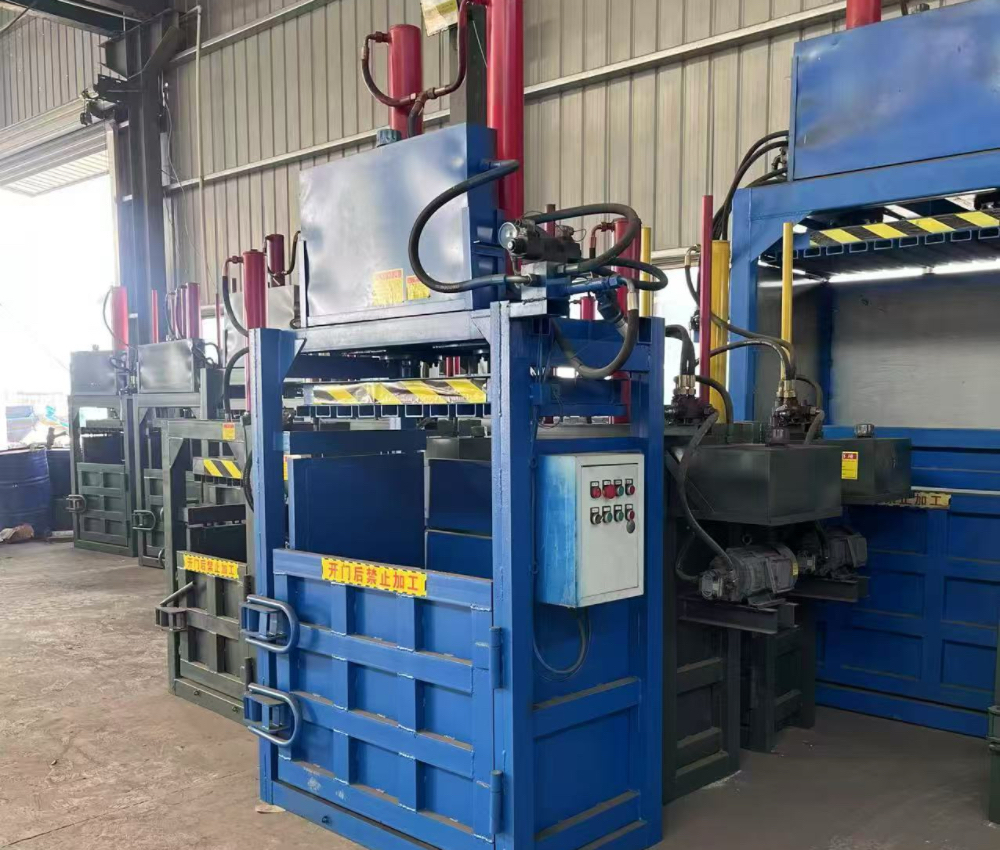
Brands like AULTRAL specialize in high-quality vertical balers with rear-push cylinders and durable hydraulic systems.
Conclusion – Why A Vertical Baler Is A Smart Investment
A vertical baler is a compact, efficient, and affordable solution for managing recyclable materials. Whether you operate a retail shop, factory, recycling center, or warehouse, a vertical baler can help you:
- Save space
- Reduce labor
- Cut transportation costs
- Increase recycling revenue
- Maintain a clean and safe facility
With powerful compression, easy operation, and flexible model options, vertical balers are ideal for businesses of all sizes.
If you need help selecting the right model, I can recommend a machine based on your material type, daily output, and budget.