
Introduction To Box Shear Machines
In the modern recycling and metal processing industry, efficiency and productivity are essential for businesses that deal with large volumes of scrap metal. One of the most powerful and practical machines designed for this purpose is the box shear machine. Known for its strong cutting force and ability to process bulky scrap materials, the box shear has become an important piece of equipment in metal recycling yards, steel plants, and waste processing facilities.
A box shear machine is designed to compress and cut various types of scrap metal into smaller, manageable pieces. These machines can handle materials such as steel plates, aluminum profiles, metal pipes, car bodies, and structural steel. By reducing the size of scrap metal, box shears make transportation, storage, and recycling far more efficient.
In this article, we will explore what a box shear machine is, why it is essential for modern recycling operations, how it works, how to use it properly, and how to choose the right model for your needs.
What Is A Box Shear Machine
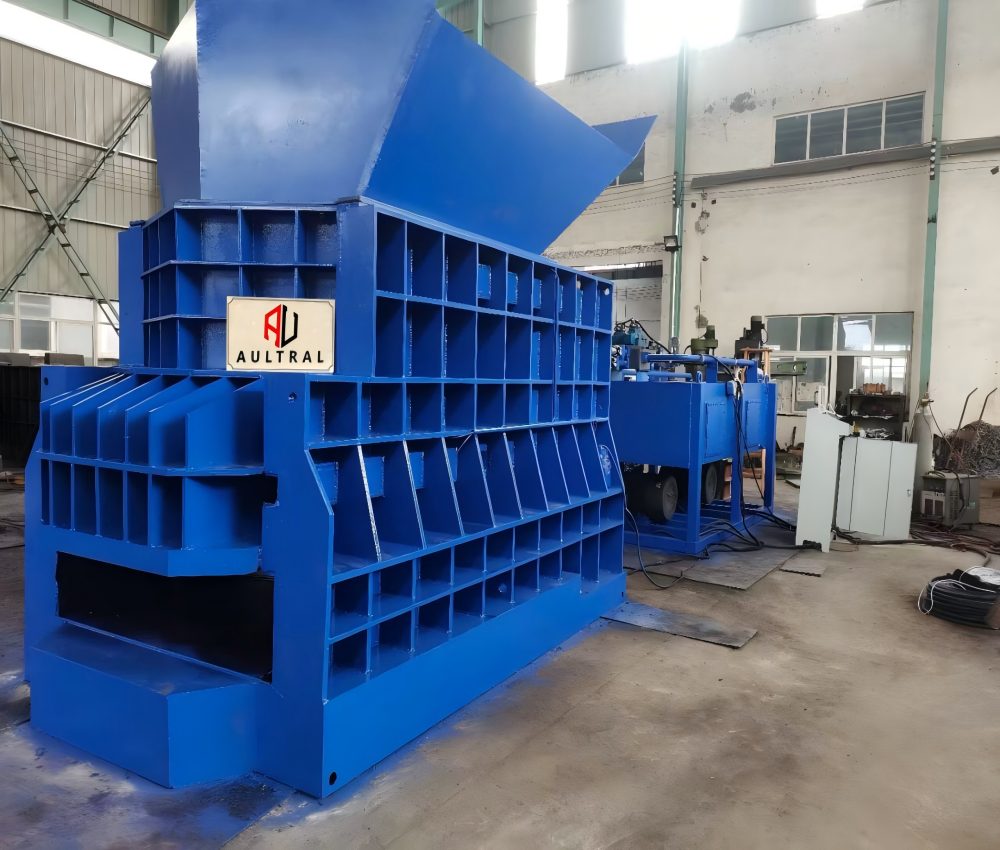
A box shear machine, sometimes called a scrap metal box shear, is a heavy-duty hydraulic cutting machine used primarily for processing scrap metal. The machine features a large feeding chamber where scrap metal is loaded, compressed, and then cut by a powerful hydraulic blade.
The name “box shear” comes from its box-shaped compression chamber, which holds the scrap metal in place during the cutting process. The machine uses hydraulic cylinders to apply strong pressure, compressing the metal before cutting it with a sharp shear blade.
Main Components Of A Box Shear Machine
A typical box shear machine consists of several key components:
Feeding Box (Compression Chamber)
This is where scrap metal is loaded. The chamber ensures that materials stay in position during compression and cutting.
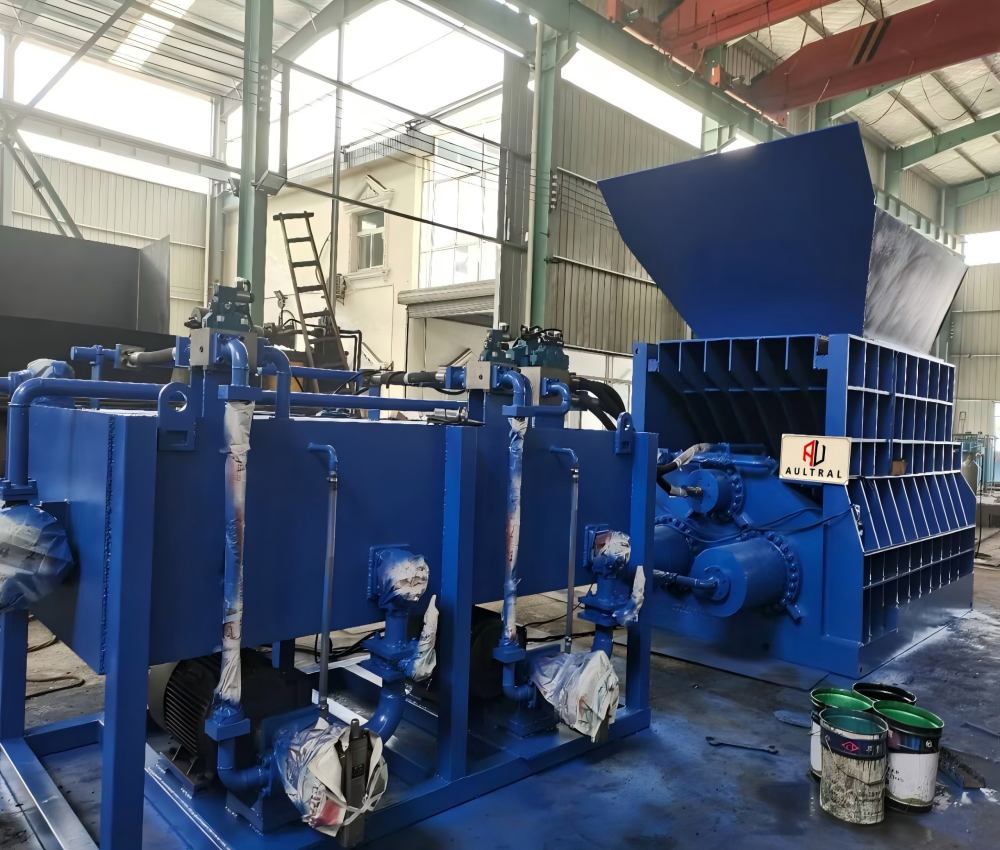
Hydraulic System
The hydraulic system provides the powerful force needed for compression and shearing. It includes hydraulic cylinders, pumps, valves, and an oil tank.
Cutting Blade
The blade is responsible for cutting the compressed scrap metal into smaller pieces. It is usually made from high-strength alloy steel to withstand heavy workloads.
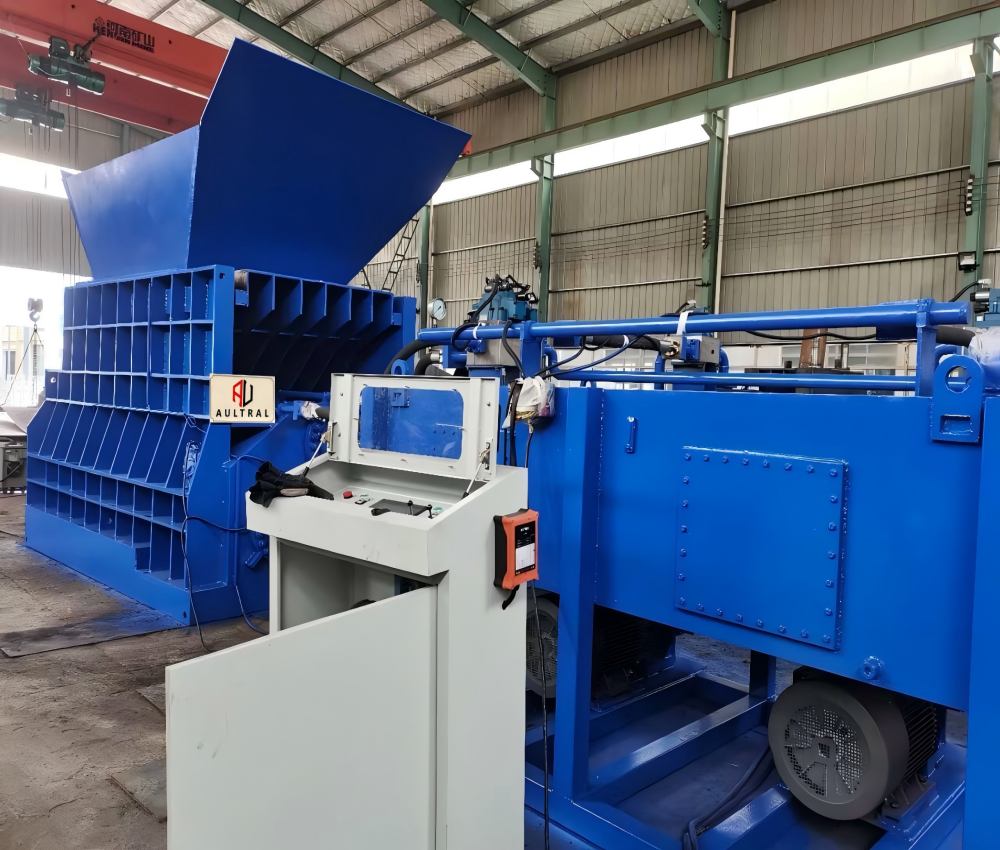
Control System
Modern machines use electrical control panels or PLC systems to manage operations such as feeding, compression, and cutting cycles.
Power Unit
The motor and pump system generate hydraulic pressure and drive the machine’s operation.
Together, these components allow the machine to process large amounts of scrap metal quickly and efficiently.
Why Box Shear Machines Are Important
The metal recycling industry faces several challenges, including handling bulky materials, improving processing efficiency, and reducing transportation costs. Box shear machines solve these challenges in several ways.
Improving Scrap Processing Efficiency
Large pieces of scrap metal are difficult to handle and process. A box shear machine cuts these materials into smaller pieces, making them easier to transport and melt in furnaces.
Reducing Transportation And Storage Costs
Bulky scrap metal occupies a lot of space. After being cut by a box shear, the material becomes more compact and uniform, which significantly reduces transportation and storage costs.
Increasing Recycling Profitability
Smaller and more uniform scrap metal pieces are easier for steel mills to process. This means they often have higher recycling value. By using a box shear, recycling companies can increase the quality of their scrap and improve profits.
Handling Heavy And Mixed Scrap Materials
Box shears are designed to handle tough materials such as:
-
Steel bars
-
Scrap car bodies
-
Steel pipes
-
Structural steel
-
Aluminum profiles
-
Mixed metal scrap
This versatility makes them essential equipment in scrap yards and recycling plants.
How A Box Shear Machine Works
The working process of a box shear machine is relatively straightforward but extremely powerful.
Step 1: Loading Scrap Metal
Scrap metal is placed into the feeding chamber using equipment such as cranes, forklifts, or conveyors. The large chamber allows the machine to accept bulky materials.
Step 2: Compression
Hydraulic cylinders push the compression plates inward, compacting the scrap metal inside the chamber. This step stabilizes the material and prepares it for cutting.
Step 3: Shearing
Once the metal is compressed, the hydraulic shear blade moves downward with tremendous force, cutting the material into smaller pieces.
Step 4: Discharging The Material
After cutting, the processed scrap metal pieces are discharged from the machine. The cycle then repeats for the next batch of material.
This automatic cycle allows box shear machines to operate continuously, making them ideal for large-scale scrap processing.
How To Use A Box Shear Machine Safely
Although box shear machines are powerful and efficient, they must be operated correctly to ensure safety and optimal performance.
Proper Material Loading
Operators should ensure that scrap metal is evenly distributed inside the feeding chamber. Overloading or uneven loading can reduce efficiency and cause unnecessary stress on the machine.
Regular Inspection
Before starting the machine, operators should inspect the hydraulic system, blades, and electrical components to ensure everything is functioning properly.
Monitoring Hydraulic Pressure
Maintaining the correct hydraulic pressure is important for achieving effective cutting performance and preventing damage to the machine.
Blade Maintenance
The cutting blade should be inspected regularly for wear. If the blade becomes dull or damaged, it should be sharpened or replaced to maintain cutting efficiency.
Operator Training
Only trained personnel should operate the machine. Proper training reduces the risk of accidents and ensures that the machine is used efficiently.
How To Choose The Right Box Shear Machine
Selecting the correct box shear machine is crucial for achieving the best performance and return on investment. Here are several important factors to consider.
Consider The Cutting Force
Box shear machines are typically classified by their cutting force, which can range from 400 tons to over 1500 tons. Heavier scrap materials require machines with higher cutting force.
Evaluate The Chamber Size
The feeding chamber size determines how large the scrap materials can be. If your operation handles bulky materials such as car bodies or structural steel, a larger chamber is recommended.
Check The Production Capacity
Different models offer different processing capacities, usually measured in tons per hour. Businesses handling large volumes of scrap should choose machines with higher productivity.
Look At The Power System
Motor power and hydraulic pump quality directly affect the machine’s performance. High-quality hydraulic systems ensure stable operation and longer service life.
Consider Automation Level
Some box shear machines offer fully automatic operation, while others are semi-automatic. Automatic systems reduce labor costs and improve efficiency.
Evaluate Manufacturer Reliability
Choosing a reliable manufacturer ensures better machine quality, technical support, and spare parts availability.
Applications Of Box Shear Machines
Box shear machines are widely used in several industries, including:
Scrap Metal Recycling Plants
Processing various types of metal scrap before melting.
Steel Mills
Preparing scrap metal for furnace charging.
Automobile Recycling Facilities
Cutting car bodies and automotive components.
Construction Waste Recycling
Processing steel beams, pipes, and structural metal.
Because of their versatility, box shears are considered essential equipment in the metal recycling sector.
The Future Of Box Shear Technology
As recycling technology continues to advance, box shear machines are becoming more efficient and intelligent. Modern machines now feature:
-
PLC automatic control systems
-
Energy-efficient hydraulic systems
-
Remote monitoring capabilities
-
Improved blade materials for longer service life
These innovations help recycling companies reduce operating costs while increasing productivity.
Conclusion
Box shear machines play a critical role in the modern scrap metal recycling industry. By compressing and cutting bulky scrap metal into manageable pieces, they improve efficiency, reduce transportation costs, and increase recycling profitability.
Whether used in scrap yards, steel mills, or recycling plants, these machines provide a powerful and reliable solution for processing metal waste. When choosing a box shear machine, it is important to consider factors such as cutting force, chamber size, production capacity, and manufacturer reliability.
With the right machine and proper operation, businesses can significantly enhance their scrap processing capabilities and achieve long-term success in the growing recycling industry.