
The Ultimate Guide To The 1000-Ton Horizontal Metal Baler
In modern metal recycling and manufacturing, efficiency, safety, and environmental responsibility are key priorities. One of the most powerful tools that industries rely on for handling metal waste is the 1000-ton horizontal metal baler. This heavy-duty machine is designed to transform loose metal scraps into compact, high-value bales, simplifying storage, transportation, and recycling processes.
What Is A 1000-Ton Horizontal Metal Baler?
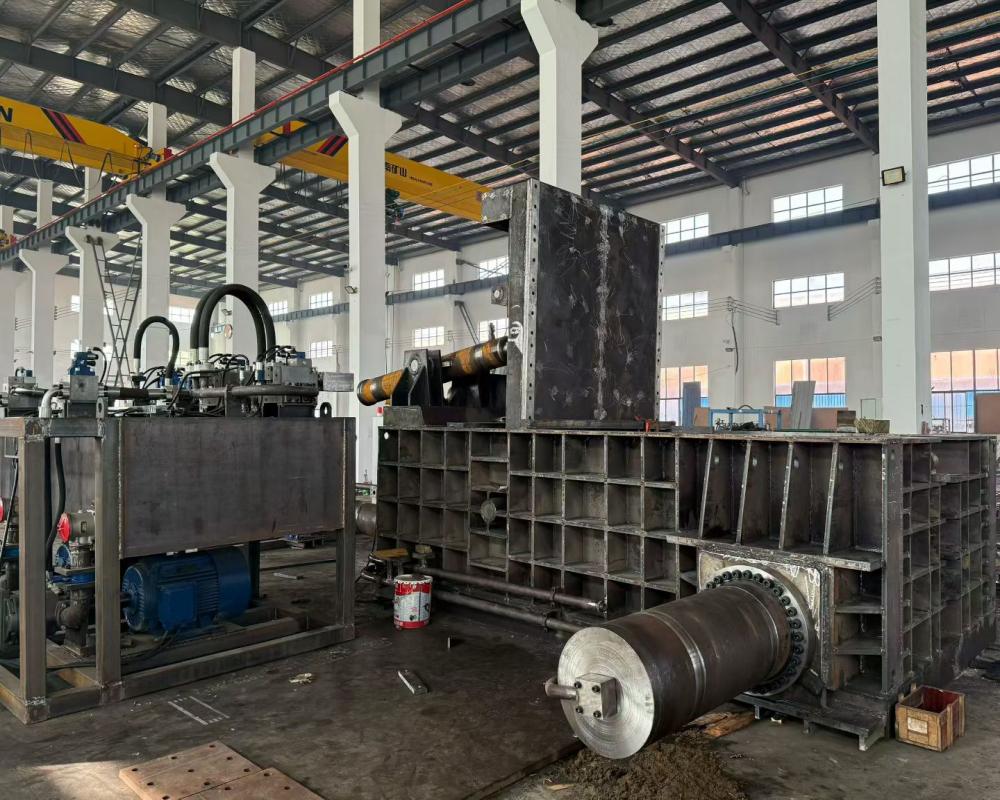
A 1000-ton horizontal metal baler is an industrial-grade hydraulic machine that compresses various metal wastes into dense, uniform bales. Unlike vertical balers, which compress materials from top to bottom, horizontal balers work by pushing metal horizontally into a long chamber, creating large, rectangular bales.
This type of baler is capable of exerting enormous pressure—up to 1000 tons—making it suitable for processing heavy metal scraps such as:
-
Steel sheets and plates
-
Aluminum scraps
-
Copper wires and shavings
-
Iron turnings and castings
The result is a tightly packed metal bale that maximizes space efficiency and increases the material’s resale value.
Why Use A 1000-Ton Horizontal Metal Baler?
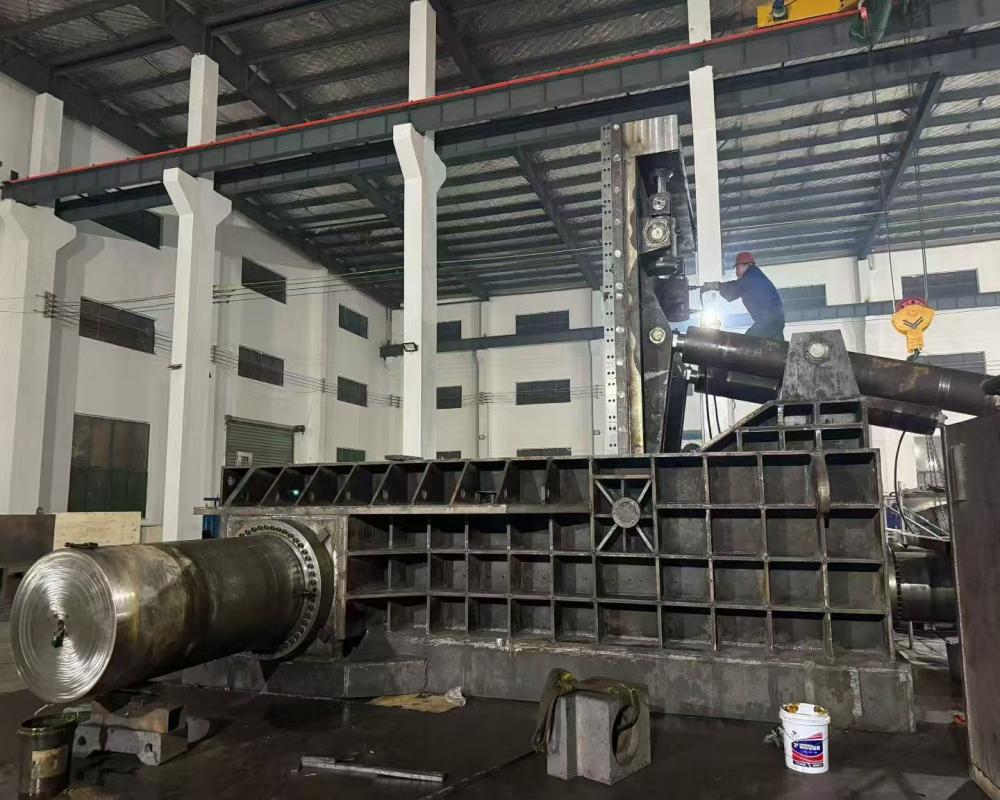
1. Maximize Space Efficiency
Metal scraps are often bulky and irregular in shape. By compressing them into dense bales, storage space can be significantly reduced. This is especially important for large-scale metal recycling facilities where space is limited.
2. Reduce Transportation Costs
Transporting loose metal waste can be inefficient and expensive. Compressed bales are easier to handle, load, and ship, lowering transportation costs while reducing the risk of spillage during transit.
3. Increase Metal Value
Metal buyers often pay more for compact, uniform bales because they are easier to handle and process in recycling plants. A 1000-ton baler ensures that each bale is tightly packed, clean, and high-quality.
4. Enhance Workplace Safety
Handling loose metal scraps can be dangerous. Baling reduces the risk of sharp edges, loose pieces, and scattered debris, improving safety in warehouses and recycling centers.
5. Environmentally Friendly
Baling metal reduces the footprint of waste storage and transport, lowers energy consumption during recycling, and supports sustainable industrial practices.
How Does A 1000-Ton Horizontal Metal Baler Work?
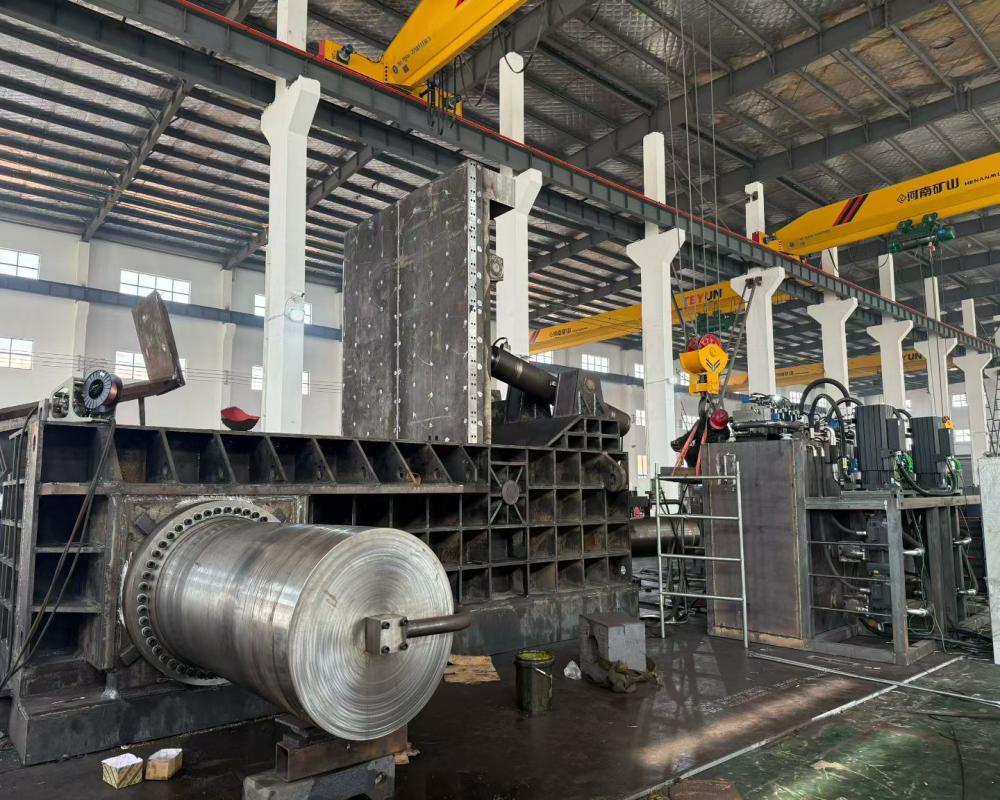
The operation of a horizontal metal baler is straightforward but relies on precise hydraulic and mechanical systems.
1. Loading
Metal scraps are fed into the baler’s feed hopper. Depending on the model, feeding can be manual, semi-automatic, or fully automatic using conveyors and loaders.
2. Compression
The machine’s main hydraulic cylinder pushes a steel ram horizontally, compressing the metal against a fixed end plate. The 1000-ton pressure ensures that even heavy or dense metals are tightly packed.
3. Binding
After compression, the baler can automatically or manually tie the bale using wire or strapping. Some high-end models offer multiple strapping options for extra security.
4. Ejection
Once bound, the finished bale is ejected from the chamber, ready for storage or transport. The process then repeats for the next batch of metal scraps.
Choosing The Right 1000-Ton Horizontal Metal Baler
Selecting the right baler depends on your specific operational needs. Here are some key factors to consider:
1. Type Of Metal
Different metals have different densities and characteristics. For example, aluminum is lighter than steel, so the baler must provide sufficient pressure to achieve compact bales.
2. Bale Size And Weight
Consider the ideal bale size for storage, transportation, and resale. Some facilities prefer smaller, manageable bales, while others need large bales for industrial buyers.
3. Degree Of Automation
High-volume operations benefit from fully automatic balers with conveyors and robotic feeding systems. Smaller operations may find semi-automatic models more cost-effective.
4. Hydraulic System
Look for a machine with a reliable hydraulic system capable of delivering consistent pressure without leaks. The 1000-ton rating ensures maximum compression for heavy metals.
5. Safety Features
Emergency stop buttons, pressure sensors, and protective covers are essential for safe operation in industrial environments.
6. Maintenance And Service
A machine is only as good as its support. Choose a baler with easily accessible parts, a strong warranty, and reliable local service.
Installation And Maintenance Tips
1. Proper Installation
Ensure the machine is installed on a level, reinforced concrete foundation to handle its weight and high-pressure operation. Correct installation prevents vibration, misalignment, and mechanical wear.
2. Regular Lubrication
Hydraulic cylinders and moving parts must be lubricated according to the manufacturer’s instructions to reduce wear and extend the machine’s lifespan.
3. Monitor Hydraulic Pressure
Regularly check the hydraulic system for leaks or fluctuations in pressure. Stable pressure ensures optimal bale density.
4. Inspect Blades And Ram
Although horizontal balers are mainly compression-based, certain models have cutting or shearing components. Regular inspection prevents downtime.
5. Clean The Feed Hopper
Remove debris and metal fragments after each operation to prevent jamming and improve efficiency.
Industries That Benefit From 1000-Ton Horizontal Metal Balers
-
Metal Recycling Facilities: Turn scrap metal into high-value bales for resale.
-
Automotive Industry: Manage metal scraps from car manufacturing and dismantling.
-
Construction And Demolition: Compress leftover metal from building sites.
-
Manufacturing Plants: Handle production waste efficiently.
-
Shipyards And Heavy Industries: Process large steel plates and iron scraps safely.
Final Thoughts
A 1000-ton horizontal metal baler is a game-changer for industries that deal with large quantities of metal waste. It combines efficiency, safety, and environmental responsibility while significantly boosting operational productivity. By compressing metal into dense, uniform bales, companies save space, reduce costs, and increase the value of their scrap metal.
When choosing a baler, consider the type of metal, bale size, degree of automation, hydraulic system reliability, safety features, and service support. With the right selection, a horizontal metal baler can be a long-term investment that transforms your metal recycling process.
Invest in a 1000-ton horizontal metal baler, and turn your metal waste into a profitable, manageable resource.