
In today’s fast-paced industrial world, efficient waste management is not just a necessity—it’s a business advantage. Among the many solutions available, the Fully Automatic Horizontal Baler stands out as a powerful, reliable, and cost-effective machine for compressing recyclables and industrial waste into compact bales. This guide will explain what it is, why it’s important, how to use it, and tips for choosing the right model, helping your business maximize efficiency and sustainability.
What Is A Fully Automatic Horizontal Baler?
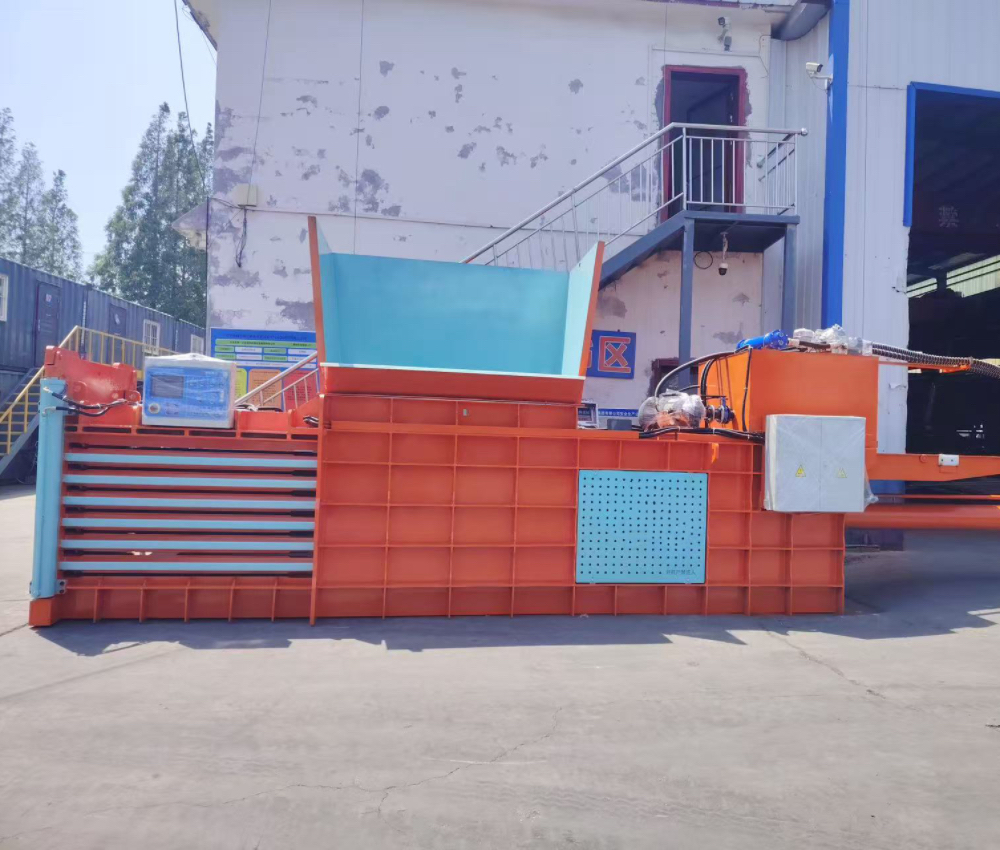
A Fully Automatic Horizontal Baler is an industrial machine designed to compress various types of waste materials—such as cardboard, paper, plastics, and even metal scraps—into dense, uniform bales. Unlike manual or semi-automatic balers, a fully automatic system automates most processes, from feeding to compression and tying, reducing labor costs and improving productivity.
Key features include:
-
Automatic Feeding System: Materials are loaded continuously via conveyors or hoppers.
-
High-Pressure Compression: Hydraulic systems generate strong pressure to compress materials tightly.
-
Automatic Tying Mechanism: Steel wire or straps secure the bales without manual intervention.
-
Customizable Bale Sizes: Machines can produce bales of different dimensions and weights, depending on operational needs.
Why Choose A Fully Automatic Horizontal Baler?
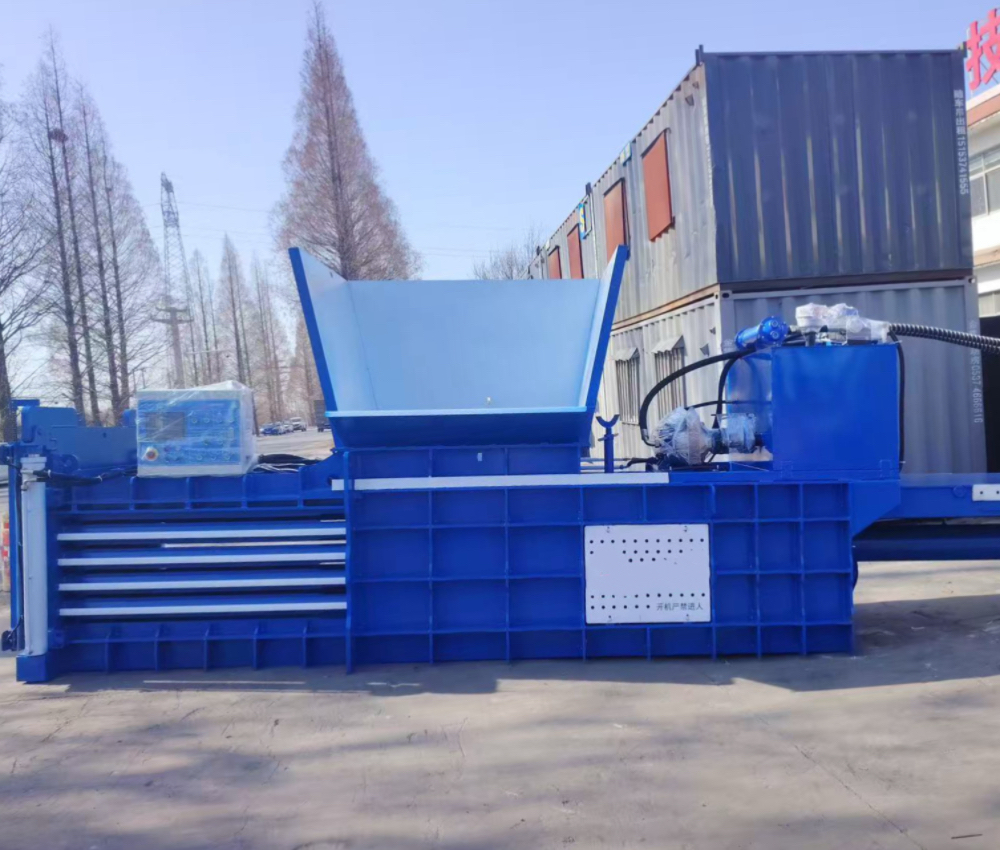
investing in a fully automatic horizontal baler offers numerous benefits for businesses that deal with large volumes of recyclable or industrial waste. Here’s why they are highly valued:
1. Increased Efficiency And Productivity
With automatic feeding and tying systems, these balers can operate continuously, handling more materials in less time compared to manual or semi-automatic machines. This helps factories, recycling centers, and warehouses maintain smooth workflows.
2. Labor Cost Reduction
Fully automatic balers reduce the need for manual labor. Operators mainly monitor the process, rather than manually feeding, compressing, or tying the bales. This not only saves manpower costs but also reduces labor-related risks.
3. Space Saving
Compressed bales occupy significantly less space than loose waste. By reducing the volume of waste by up to 80%, businesses can optimize storage and lower transportation costs.
4. Environmental Sustainability
Efficient baling encourages recycling and responsible waste management. By producing compact, transportable bales, materials like cardboard, plastics, and metals can be easily sent to recycling plants, promoting sustainability and reducing landfill impact.
How To Use A Fully Automatic Horizontal Baler
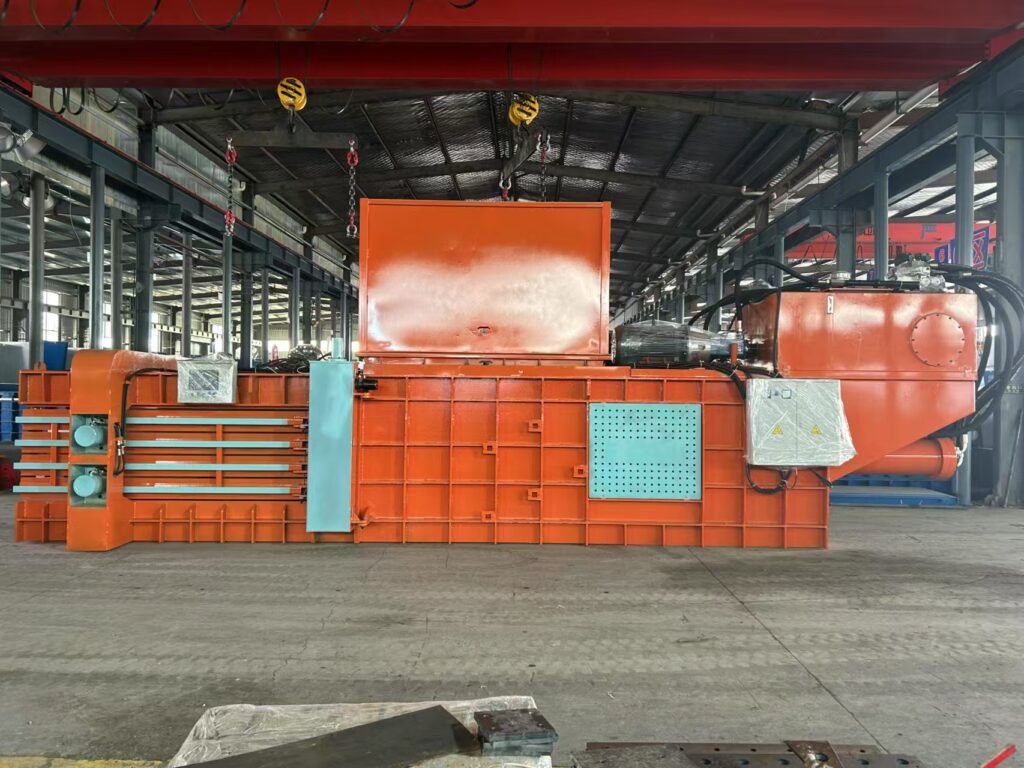
Using a fully automatic horizontal baler may seem complex, but modern systems are designed for ease of operation. Here is a step-by-step guide:
Step 1: Preparation
-
Check The Machine: Ensure all hydraulic systems, safety switches, and feeding mechanisms are functional.
-
Material Sorting: Separate recyclables or waste types. Some machines handle multiple materials, while others are optimized for specific types.
Step 2: Loading
-
Feed The Hopper Or Conveyor: Materials are continuously fed into the machine. Fully automatic balers often allow large quantities to be loaded at once, thanks to conveyor integration.
Step 3: Compression
-
Automatic Compression Process: The hydraulic ram pushes the material forward into the compression chamber. Pressure levels are adjustable depending on the type of material.
-
Monitoring: Operators should monitor pressure gauges and sensors to ensure smooth operation.
Step 4: Tying And Ejection
-
Automatic Bale Tying: Once compressed, the machine wraps the bale with steel wire or straps automatically.
-
Bale Ejection: Finished bales are ejected from the machine, ready for storage or transport.
Step 5: Maintenance
-
Regular Checks: Clean debris, check hydraulic oil levels, and inspect moving parts to prolong machine life.
-
Safety Compliance: Ensure safety mechanisms, like emergency stops, are functional to prevent accidents.
Tips For Choosing The Right Horizontal Baler Model
Selecting the ideal fully automatic horizontal baler depends on your business needs. Here are some essential factors to consider:
1. Material Type
-
Paper And Cardboard: Require medium-pressure balers.
-
Plastic Films And Bottles: Flexible materials need adjustable compression to avoid damage.
-
Metal Scraps: Heavy-duty balers with strong hydraulic pressure are essential.
2. Bale Size And Weight
-
Decide the required bale dimensions based on your storage and transportation needs.
-
Larger bales reduce handling frequency but may require more powerful machinery.
3. Production Capacity
-
Assess the daily throughput (e.g., tons per hour or day) to match your operational volume.
-
Overestimating capacity can lead to unnecessary costs, while underestimating may cause bottlenecks.
4. Automation Level
-
Fully automatic balers come with varying degrees of automation:
-
Basic Automation: Automatic tying and ejection.
-
Advanced Automation: Integrated conveyors, sensors, and remote monitoring.
-
5. Energy Efficiency
-
Modern balers are designed to reduce energy consumption while maintaining high pressure. Check hydraulic system efficiency and motor rating.
6. Maintenance And Support
-
Choose a supplier who offers easy access to spare parts, maintenance guidance, and technical support. This reduces downtime and increases ROI.
Advanced Tips For Choosing And Using Your Horizontal Baler
When selecting a fully automatic horizontal baler, small details can make a big difference. Consider these advanced tips:
1. Adjustable Pressure Settings
-
Some materials, like soft plastics or delicate papers, require lower compression to prevent damage.
-
Look for balers with adjustable hydraulic pressure to handle multiple material types efficiently.
2. Conveyor Integration
-
If your facility has a large volume of waste, integrating infeed conveyors ensures smooth, continuous feeding and reduces manual labor.
3. Safety And Automation Features
-
Advanced models offer sensors that stop the machine if a blockage occurs, or if a human enters the operating zone.
-
Fully automated tying and ejection reduce downtime and improve workplace safety.
4. Maintenance-Friendly Design
-
Machines with easy-access panels for hydraulic systems, wire tying, and motor components make maintenance faster.
-
Some balers also offer diagnostic systems to alert operators of potential issues before they become serious problems.
5. Scalability
-
Consider your future growth. A baler that can handle increased capacity or can be upgraded with automation features will save costs in the long run.
By paying attention to these advanced features, your business can not only improve efficiency but also extend the life of your machine, minimize labor risks, and ensure consistent bale quality.
Conclusion: Maximizing Efficiency With A Fully Automatic Horizontal Baler
A Fully Automatic Horizontal Baler is more than just a waste compression machine—it is an investment in operational efficiency, cost reduction, and environmental responsibility. By understanding its functions, proper usage, and how to choose the right model, businesses can:
-
Increase productivity and workflow efficiency
-
Reduce labor costs and human error
-
Optimize storage space and transportation
-
Promote recycling and sustainability
Whether your operation handles cardboard, plastics, or metals, a carefully selected horizontal baler can transform the way your business manages waste.
💡 Pro Tip: Always evaluate your material type, volume, and operational goals before selecting a baler. Pairing the right machine with proper training and maintenance ensures long-term efficiency and maximum return on investment.