
In today’s recycling and waste management industries, handling large volumes of materials efficiently is critical. From scrap metal and plastic waste to tires and industrial garbage, companies must process materials quickly, safely, and economically. This is where large industrial shredders play a vital role.
A large industrial shredder is a powerful machine designed to break down bulky materials into smaller, manageable pieces. These machines are widely used in recycling plants, waste management facilities, metal processing factories, and manufacturing industries.
In this comprehensive guide, we will explore what large industrial shredders are, why they are essential, how they work, and how to choose the right model for your business.
What Is A Large Industrial Shredder
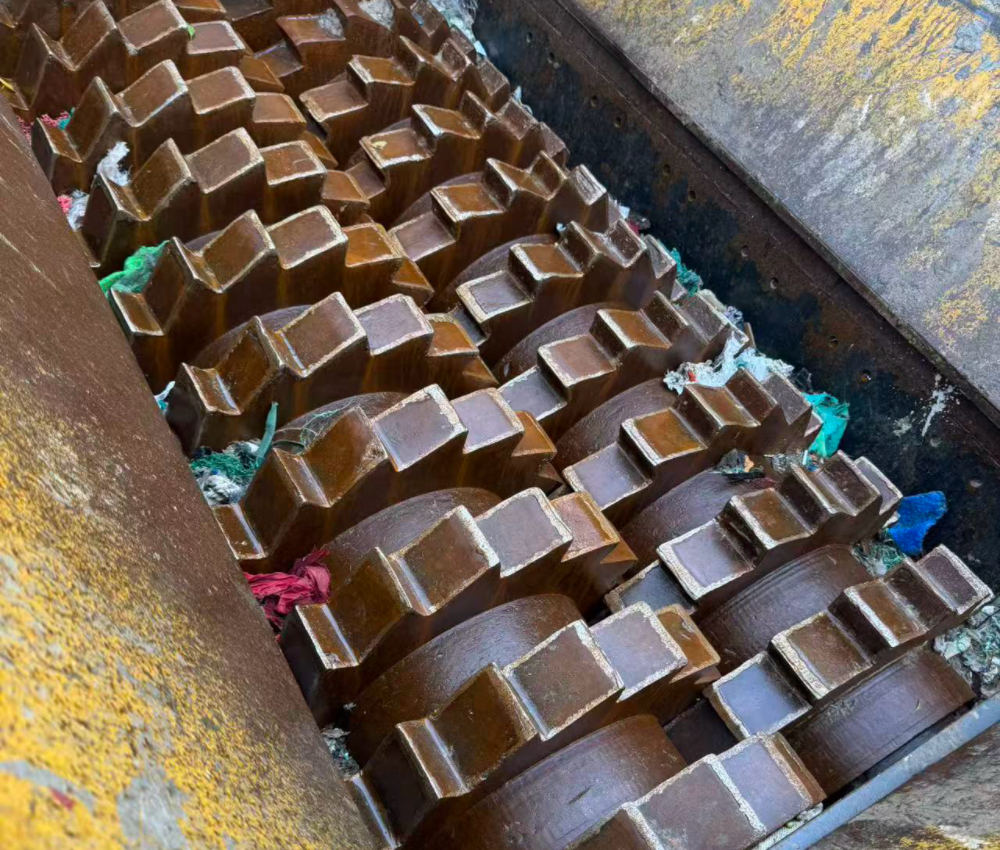
A large industrial shredder is a heavy-duty machine designed to shred, crush, and reduce the size of various materials. Unlike small office shredders used for paper, industrial shredders are engineered to process large, tough, and dense materials.
These machines typically feature:
-
Powerful motors
-
Hardened alloy steel blades
-
Heavy-duty gearboxes
-
High-torque cutting systems
-
Reinforced frames for industrial workloads
Large shredders can process materials such as:
-
Scrap metal
-
Plastic containers
-
Car tires
-
Wood pallets
-
Electronic waste
-
Household appliances
-
Aluminum profiles
-
Industrial waste
Depending on the design, shredders can be classified into several types:
Single-Shaft Shredders
These machines use one rotating shaft with cutting blades and are ideal for plastic, wood, and light metal materials.
Double-Shaft Shredders
These are among the most popular industrial shredders. Two rotating shafts tear materials apart with high torque and strong cutting power.
Four-Shaft Shredders
These advanced shredders provide precise particle size control and are often used for electronic waste and confidential material destruction.
Why Large Industrial Shredders Are Essential
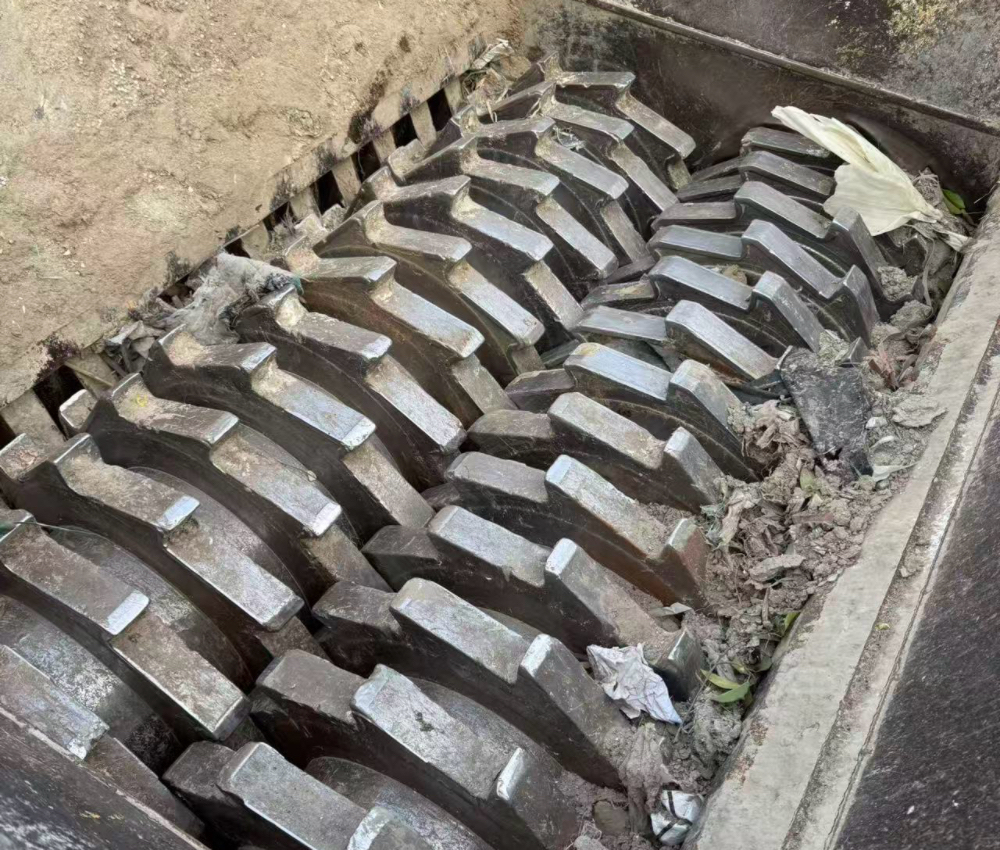
Large industrial shredders are not just machines—they are the backbone of modern recycling operations. Here are the main reasons why companies invest in these powerful systems.
Increasing Recycling Efficiency
One of the primary functions of industrial shredders is reducing the size of materials, making them easier to transport, sort, and recycle. Smaller material sizes significantly improve downstream processing efficiency.
For example, shredding plastic bottles allows them to be melted and reprocessed much more easily.
Reducing Transportation Costs
Large bulky waste materials occupy a lot of space during transport. By shredding materials into compact pieces, businesses can significantly reduce transportation costs and increase container loading efficiency.
Protecting The Environment
Industrial shredders contribute greatly to environmental sustainability. By processing waste materials into recyclable fragments, these machines help reduce landfill waste and support the circular economy.
Improving Workplace Safety
Handling large waste materials manually can be dangerous. Shredders automate the process, minimizing the risk of injuries while improving operational safety.
Supporting Industrial Production
Many manufacturing industries use shredded materials as raw input. For example:
-
Plastic recycling plants
-
Metal smelting facilities
-
Rubber recycling factories
Shredded materials are easier to melt, process, and reuse.
How Large Industrial Shredders Work
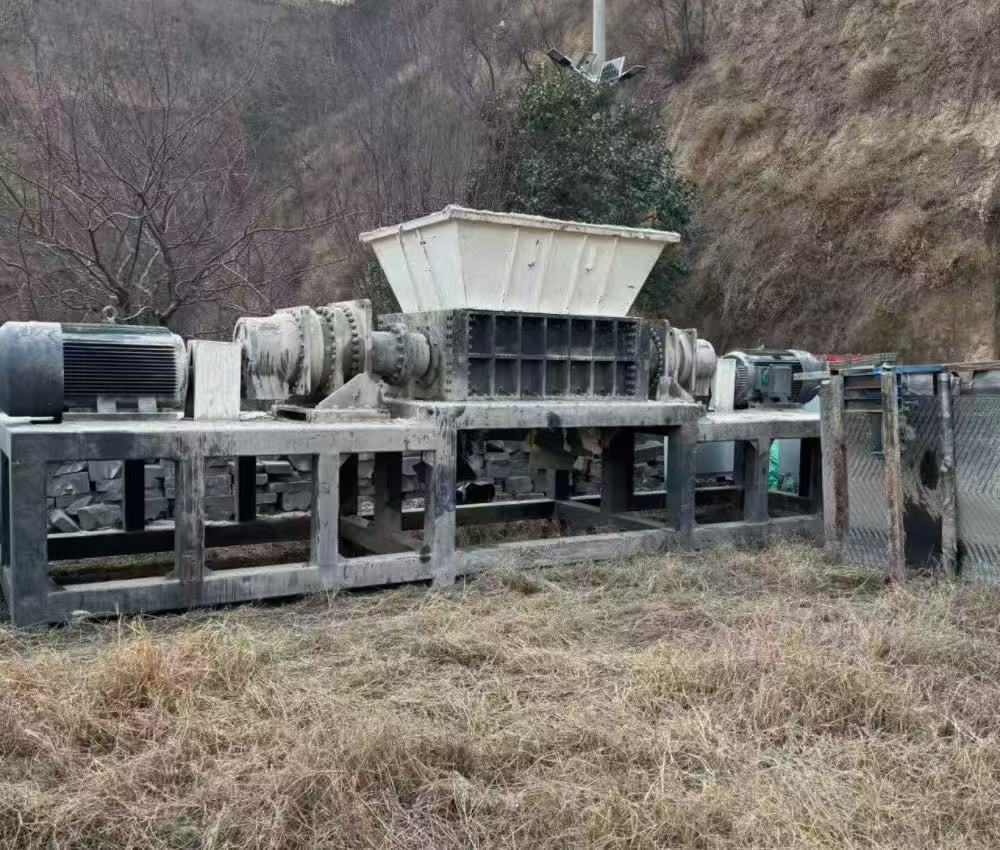
The working principle of a large industrial shredder is relatively straightforward but extremely powerful.
Material Feeding
Materials are fed into the shredder through a hopper. This can be done manually, by conveyor belt, or using forklifts and loaders depending on the material size and production scale.
Cutting And Tearing
Once the material enters the shredding chamber, rotating blades begin cutting and tearing it apart.
Industrial shredders rely on two key forces:
-
Torque – strong rotational power to break tough materials
-
Shear force – blade edges that cut and tear materials apart
In double-shaft shredders, the two shafts rotate in opposite directions, pulling materials into the cutting zone.
Size Reduction
As the blades continue cutting, the material gradually becomes smaller. Some shredders include screens that control the final particle size.
Discharge
After shredding, materials exit the machine through the discharge system and can be transported to the next processing stage such as sorting, washing, or melting.
Common Materials Processed By Industrial Shredders
Large shredders are designed to handle a wide variety of materials. Some of the most common applications include:
Scrap Metal Recycling
Shredders break down metal scrap, aluminum profiles, steel sheets, and automotive components.
Plastic Recycling
Plastic drums, PET bottles, HDPE containers, and industrial plastic waste are commonly processed by shredders.
Tire Recycling
Used tires are bulky and difficult to dispose of. Industrial shredders can efficiently reduce tires into smaller rubber pieces.
Electronic Waste Processing
Old electronics contain valuable metals but must be shredded for proper recycling.
Wood And Pallet Processing
Wood pallets, furniture waste, and construction wood can be shredded into chips for recycling or energy production.
How To Choose The Right Industrial Shredder
Selecting the right shredder for your business is extremely important. A poorly matched machine can lead to inefficiency, high maintenance costs, and production delays.
Here are several key factors to consider.
Material Type
The first step is identifying the materials you plan to process.
Different materials require different blade structures and torque levels. For example:
-
Plastic requires sharp blades
-
Metal requires strong, thick blades
-
Tires require high torque shredders
Understanding your material characteristics helps determine the best shredder configuration.
Material Size
Large bulky materials may require a machine with a larger feed opening and stronger cutting system.
For example:
-
Large plastic containers
-
Car parts
-
Industrial waste bundles
The shredder must be capable of accepting these materials safely.
Production Capacity
Your daily or hourly production capacity is another critical factor.
Industrial shredders can range from processing 500 kg per hour to over 20 tons per hour, depending on machine size and power.
Choosing the right capacity ensures smooth operation without bottlenecks.
Blade Design
Blade design plays a major role in shredding efficiency.
There are generally two types:
Thicker Blades
Ideal for primary shredding and handling hard materials.
Denser Blade Arrangements
Used for finer shredding to achieve smaller output particle sizes.
Some recycling lines even use two shredders in sequence for better results.
Motor Power And Torque
Powerful motors ensure stable performance during heavy-duty shredding.
High-torque systems are especially important for:
-
Tires
-
Scrap metal
-
Thick plastics
Always choose a machine with sufficient power for your materials.
Maintenance And Durability
Industrial shredders operate under heavy loads, so durability is critical.
Look for machines with:
-
Wear-resistant blades
-
Easy blade replacement
-
Strong gearbox systems
-
Reliable hydraulic systems
A well-built machine can operate for many years with minimal maintenance.
Future Trends In Industrial Shredding Technology
As recycling industries continue to grow, shredding technology is evolving rapidly.
Modern industrial shredders now include features such as:
-
Intelligent control systems
-
Automatic overload protection
-
Energy-efficient motors
-
Advanced blade materials
-
Integrated recycling lines
Automation and smart monitoring systems are becoming increasingly popular, helping operators track machine performance and improve efficiency.
Conclusion
Large industrial shredders are essential machines in modern recycling and waste management industries. They transform bulky waste into manageable materials, improve recycling efficiency, reduce transportation costs, and support environmental sustainability.
Whether you are processing plastic, metal, tires, or electronic waste, choosing the right shredder can significantly improve your operation’s productivity and profitability.
When selecting a machine, always consider material type, production capacity, blade design, and durability. A well-chosen industrial shredder can become the foundation of a highly efficient recycling system.
As the global demand for recycling continues to grow, large industrial shredders will remain a critical technology driving the future of sustainable resource management.