
What Is A Fully Automatic Horizontal Baler
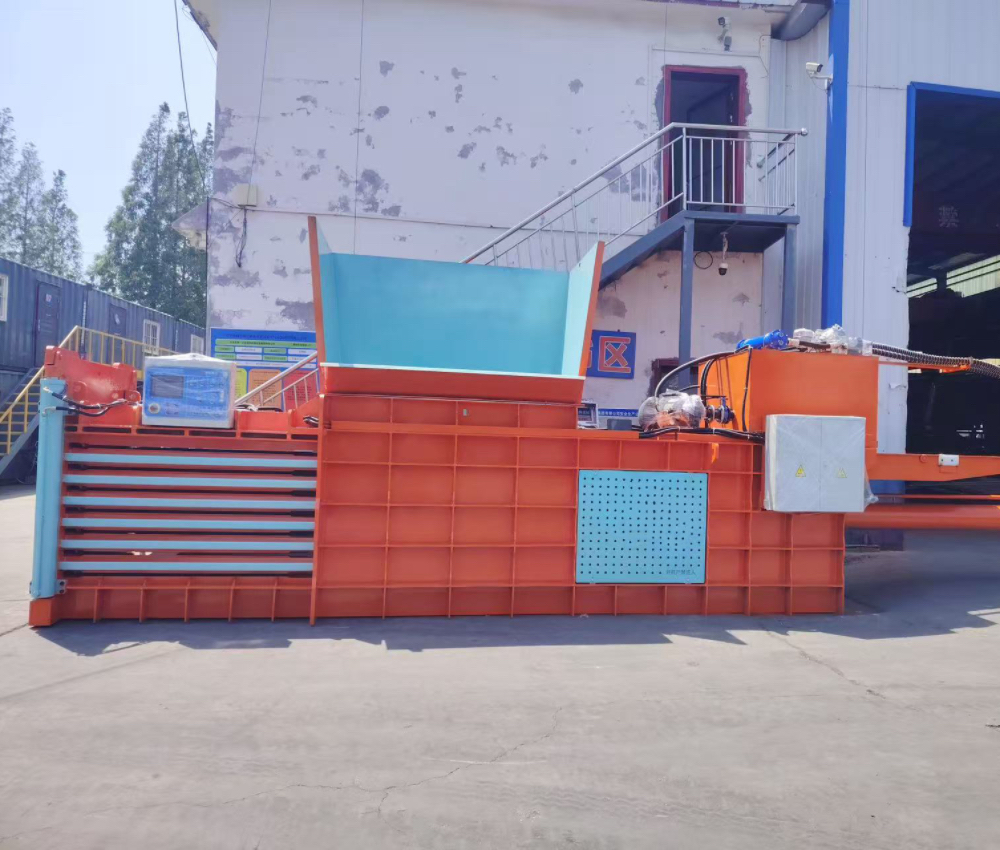
A Fully Automatic Horizontal Baler is an industrial machine designed to compress large volumes of recyclable or waste materials into dense, uniform bales. Unlike vertical balers, horizontal balers are built for high-capacity, continuous operation, making them ideal for recycling centers, manufacturing plants, logistics hubs, and waste management facilities.
This type of baler operates automatically, from material feeding and compression to bale tying and discharge. It significantly reduces labor requirements, improves operational efficiency, and lowers transportation and storage costs by producing compact and standardized bales.
How A Fully Automatic Horizontal Baler Works
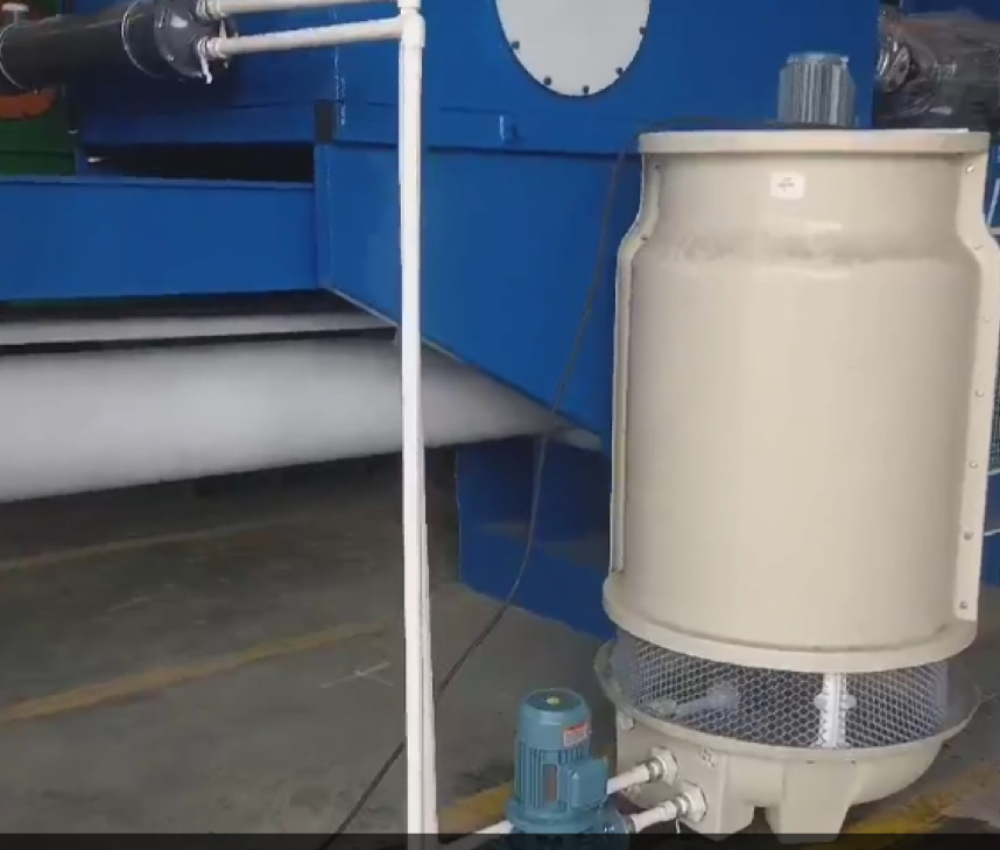
The working process of a fully automatic horizontal baler is straightforward but highly efficient:
-
Material Feeding
Materials such as cardboard, plastics, textiles, paper, or light metals are continuously fed into the feeding chamber via a conveyor belt or hopper. -
Compression Process
A hydraulic ram pushes the material horizontally into the compression chamber, applying strong pressure to reduce volume. -
Automatic Bale Tying
Once the bale reaches the preset size and density, the machine automatically ties the bale using steel wire or PET strapping. -
Bale Discharge
The finished bale is automatically pushed out, allowing the next compression cycle to begin without interruption.
This continuous and automated workflow makes horizontal balers far more productive than semi-automatic or vertical models.
Key Advantages Of Fully Automatic Horizontal Balers
High Efficiency And Continuous Operation
Fully automatic horizontal balers are designed for 24/7 industrial operation, handling large material volumes with consistent output.
Labor Cost Reduction
Automation minimizes manual intervention, allowing one operator to manage the entire system.
Uniform Bale Size And Density
Consistent bale dimensions improve stacking, storage, and transportation efficiency.
Lower Transportation Costs
Higher compression ratios mean fewer truckloads and reduced logistics expenses.
How To Calculate The Pressing Force Of A Horizontal Baler
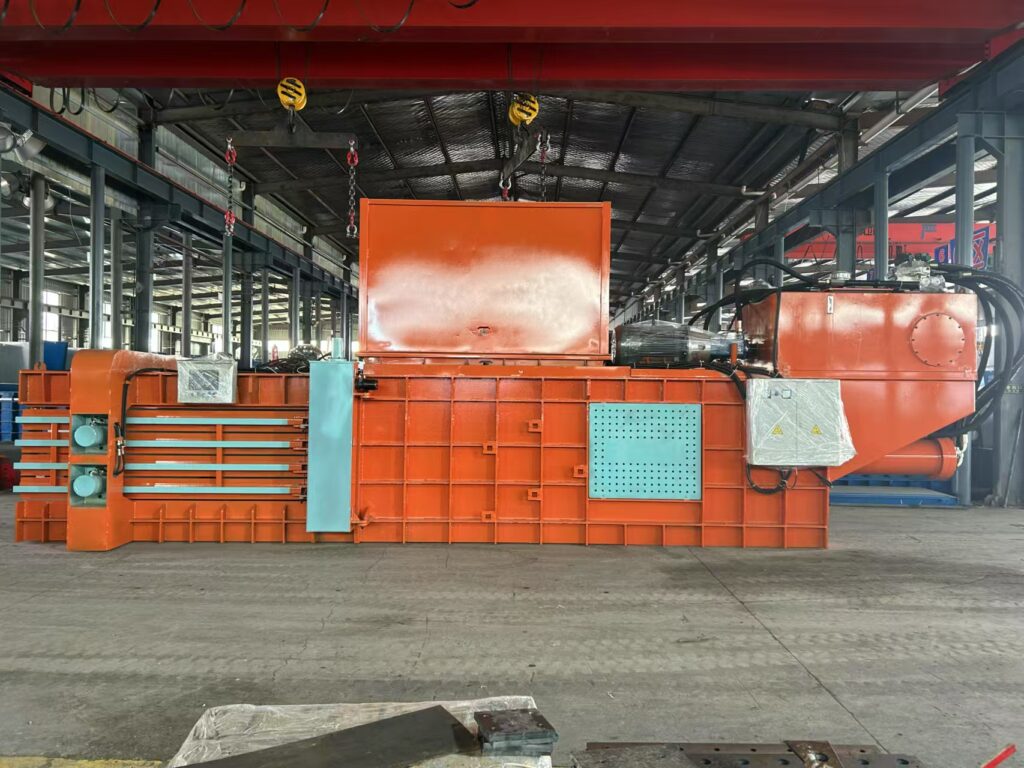
Understanding the pressing force (or baling pressure) is crucial when selecting a suitable horizontal baler.
Basic Hydraulic Pressure Formula
The pressing force is calculated using the following formula:
Pressing Force (Tons) = Hydraulic Pressure (MPa) × Cylinder Area (cm²) ÷ 100
Example Calculation
-
Hydraulic pressure: 25 MPa
-
Main cylinder diameter: 200 mm
-
Cylinder area:
Area = π × (Radius²)
= 3.14 × (10 cm × 10 cm)
= 314 cm²
Pressing force = 25 × 314 ÷ 100 = 78.5 tons
This means the baler can apply approximately 78.5 tons of compression force, suitable for materials requiring high-density baling.
Why Pressing Force Matters
-
Low-density materials (cardboard, plastic film): require moderate pressure
-
Elastic materials (textiles, fabric, PET bottles): require higher pressure
-
Hard materials (light metals, aluminum cans): require strong and stable pressure
Choosing insufficient pressure results in loose bales, while excessive pressure increases energy consumption unnecessarily.
How To Choose The Right Fully Automatic Horizontal Baler Model
Selecting the correct model depends on several practical factors rather than just machine size.
Material Type
Different materials behave differently under compression:
-
Cardboard and paper: easy to compress
-
Plastic film and textiles: elastic, require higher pressure
-
Light metal scraps: need reinforced structures
Always match the baler design to your primary material.
Required Throughput Capacity
Estimate your daily or hourly material volume:
-
Small recycling stations: lower throughput models
-
Industrial plants and logistics centers: high-capacity continuous models
Oversizing wastes budget; undersizing causes bottlenecks.
Bale Size And Weight Requirements
Bale dimensions should align with:
-
Truck container size
-
Warehouse stacking method
-
End-user or recycling buyer requirements
Standardized bales improve resale value and logistics efficiency.
Automation Level
Fully automatic balers are ideal when:
-
Labor costs are high
-
Continuous feeding is required
-
Stable, repeatable output is needed
Installation Space And Layout
Consider:
-
Machine length
-
Conveyor layout
-
Maintenance access
-
Power supply and hydraulic station placement
Common Applications Of Fully Automatic Horizontal Balers
Fully automatic horizontal balers are widely used across multiple industries:
-
Recycling centers
-
Cardboard and paper mills
-
Plastic recycling plants
-
Garment and textile factories
-
Logistics and distribution centers
-
Waste transfer stations
-
Packaging and printing plants
Their versatility makes them a core piece of equipment in modern waste management systems.
Fully Automatic Vs Semi Automatic Horizontal Balers
| Feature | Fully Automatic | Semi Automatic |
|---|---|---|
| Feeding | Continuous | Intermittent |
| Bale Tying | Automatic | Manual |
| Labor Requirement | Low | Medium |
| Throughput | High | Medium |
| Operating Cost | Lower Long-Term | Higher Long-Term |
For operations with stable and high material flow, fully automatic models offer better long-term value.
Maintenance And Operational Considerations
-
Regularly check hydraulic oil quality
-
Inspect tying system and wear parts
-
Keep sensors and PLC system clean
-
Follow scheduled maintenance intervals
Proper maintenance ensures long service life and stable performance.
Why Invest In A Fully Automatic Horizontal Baler
Investing in a fully automatic horizontal baler is not just about buying a machine—it is about optimizing your entire waste handling process. With reduced labor costs, higher efficiency, consistent bale quality, and lower logistics expenses, the return on investment is typically achieved within a short operating period.
For businesses aiming to improve sustainability, operational efficiency, and recycling profitability, a fully automatic horizontal baler is a reliable and future-proof solution.
Factors To Consider When Purchasing A Fully Automatic Horizontal Baler
When choosing a baler, it is important to consider long-term operational efficiency. Look at factors such as energy consumption, hydraulic system stability, ease of operation, and spare parts availability. Machines with modular design are easier to maintain and upgrade. Additionally, consider the training required for operators; fully automatic systems should be user-friendly to minimize downtime caused by human error.
Energy Efficiency And Sustainability Benefits
Fully automatic horizontal balers are designed to maximize energy efficiency. Modern hydraulic systems reduce energy consumption while maintaining high compression force. Using a baler also reduces transportation emissions, as compact bales require fewer trips. Businesses focusing on sustainability and environmental compliance can leverage these machines to meet regulatory standards and corporate social responsibility goals.
Tips For Optimizing Baler Performance
To ensure the baler performs at its best:
-
Feed material evenly and continuously
-
Avoid overloading the compression chamber
-
Adjust pressure settings based on material type
-
Regularly lubricate moving parts and check hydraulic lines
-
Monitor bale density and adjust as needed to meet logistics or resale requirements
Following these steps will prolong machine life, reduce repair costs, and improve overall production efficiency.
Conclusion
A fully automatic horizontal baler is more than a piece of equipment—it is an integral part of an efficient recycling or manufacturing workflow. By understanding how to calculate pressing force, select the right model, and maintain optimal operation, businesses can achieve higher productivity, lower operational costs, and consistent bale quality. Investing in the right baler is an investment in long-term operational success and sustainability.