
In today’s world, shredders have become indispensable tools in both industrial and personal settings. Whether for waste management, recycling, or secure document disposal, shredders provide an efficient and eco-friendly way to process materials. But with so many options on the market, how do you know which shredder is right for you? In this guide, we’ll explore what shredders are, why they are essential, how to use them, and provide a handy guide for choosing the right model.
What Are Shredders?
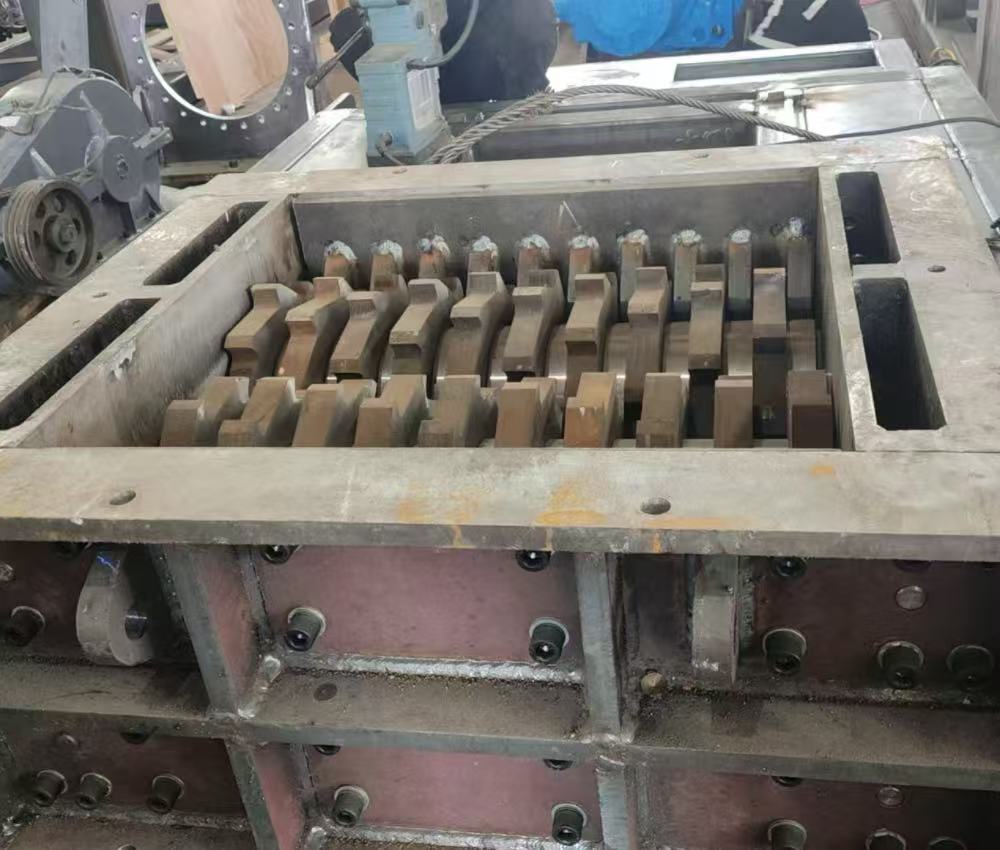
A shredder is a machine designed to reduce large amounts of material, typically paper, plastic, metal, or other substances, into smaller, more manageable pieces. Depending on the material being processed, shredders are commonly used in offices, recycling centers, and manufacturing industries. The most common types of shredders include paper shredders, metal shredders, and plastic shredders, but today, the term has broadened to include dual motor shredders and industrial shredders for more complex tasks.
Shredders are categorized based on the material they can handle, the shred size, and the power of the motor. They come in various sizes, ranging from small, home-office machines to large industrial-scale shredders that can process tons of waste every hour.
Why Do You Need a Shredder?
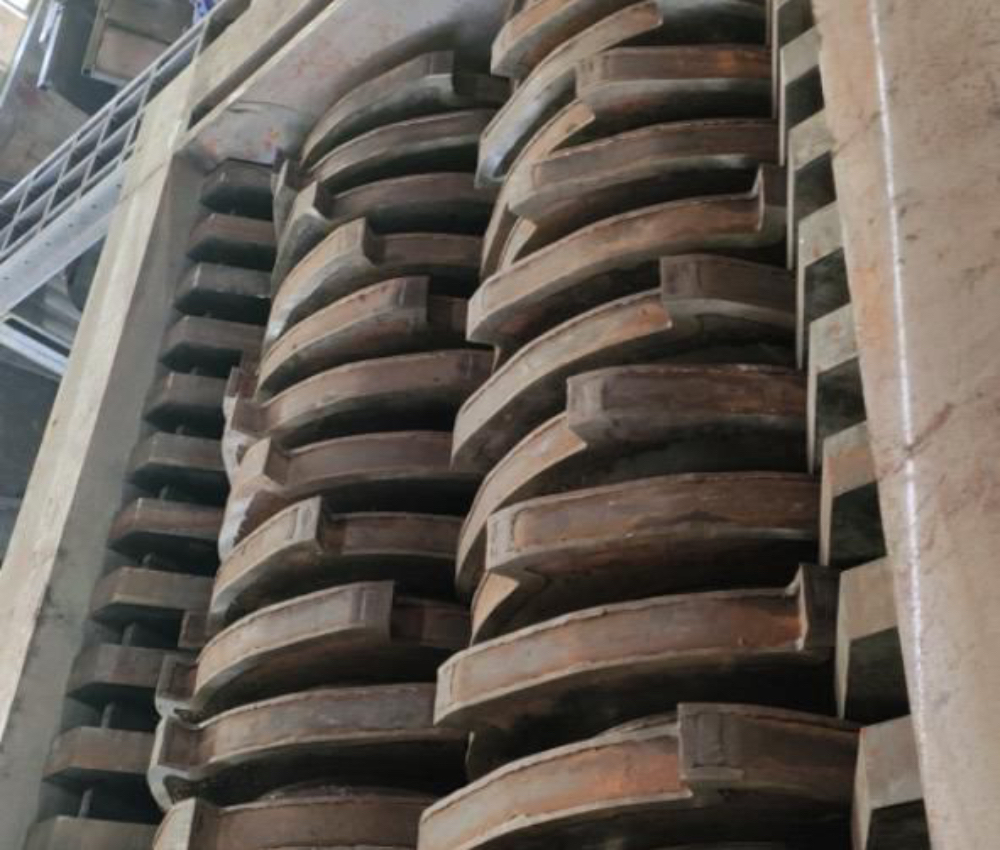
There are several compelling reasons why investing in a shredder can be highly beneficial, whether for personal or industrial use. Here’s why you might need one:
1. Waste Reduction
Shredders help reduce the volume of materials that need to be disposed of, especially in industries like manufacturing, where scrap materials like metal, paper, or plastics are abundant. This reduction can help save on disposal costs and minimize the environmental impact of waste.
2. Improved Recycling
Shredded material is easier to recycle compared to large, whole pieces. For example, metal shredders break down scrap metal into smaller pieces, which can then be melted down and reused in new products. Similarly, shredded plastic or paper is easier to compact and process in recycling facilities.
3. Security
Document shredders are essential in offices and businesses for securing sensitive information. With the rise in identity theft and corporate espionage, shredding confidential documents is a crucial step in protecting private data. Shredders are equipped with varying levels of security, from basic cross-cutting to high-security micro-cut shredders.
4. Cost-Efficiency
By shredding materials, especially waste, you can often save money on storage, transport, and disposal. Additionally, some industries can use the shredded materials in the production of new goods, generating extra revenue.
How to Use a Shredder?
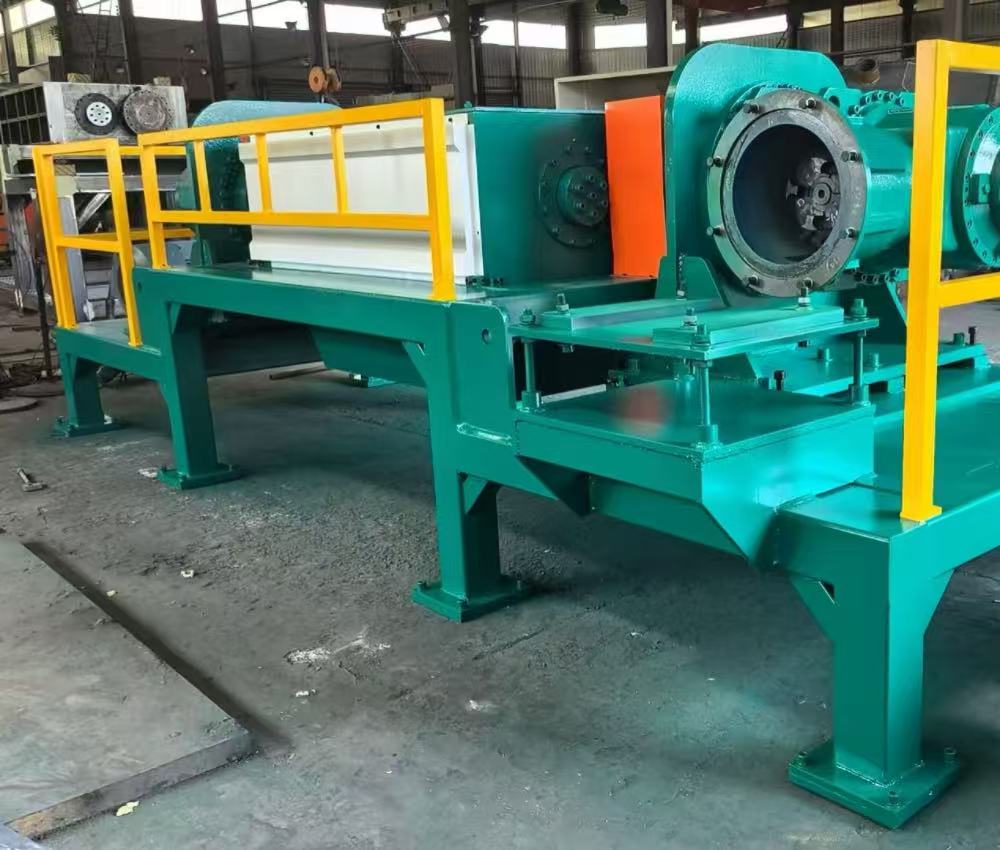
Using a shredder is relatively straightforward, but there are a few steps to keep in mind for optimal performance and safety.
1. Prepare Your Materials
Before shredding, ensure that the materials are ready. For paper shredders, remove any staples, clips, or bindings. For industrial shredders, make sure metal or plastic materials are free of contaminants, like labels or adhesives.
2. Insert the Materials Carefully
Whether using a small office shredder or an industrial model, avoid overloading the machine. Inserting too many sheets of paper or bulky materials at once can cause jams or damage the shredder’s motor. Always follow the manufacturer’s guidelines for maximum capacity.
3. Operate the Shredder
Most shredders are user-friendly and come with easy-to-use controls. Start the machine and slowly feed the material into the designated feed area. For industrial models, ensure that you have safety gear such as gloves and ear protection.
4. Regular Maintenance
Like any machinery, shredders require regular maintenance. For office models, this includes oiling the blades, cleaning the bins, and ensuring that the machine is free from paper jams. For industrial shredders, ensure that they are serviced regularly to prevent breakdowns and maintain peak efficiency.
How to Choose the Right Shredder Model?
With so many different shredders on the market, choosing the right one for your needs can be overwhelming. Below is a comprehensive guide to help you pick the best shredder model for your specific requirements.
1. Identify Your Material
The first thing to consider when selecting a shredder is the material you’ll be processing. Are you shredding paper, plastic, metal, or something else? For example, document shredders are designed to handle paper, whereas metal shredders are built to tackle scrap metal.
-
For Paper: Choose a paper shredder that fits your document disposal needs. If you only have a small volume of documents, a basic strip-cut or cross-cut shredder may suffice. For higher security, opt for a micro-cut shredder.
-
For Metal: Metal shredders are designed to break down heavy-duty materials like scrap metal. These shredders often come with a dual motor, capable of handling large volumes of tough materials.
-
For Plastic: Plastic shredders are typically used in manufacturing to break down plastic waste into smaller pieces, making it easier to recycle.
2. Consider the Capacity
Different shredders have varying capacities, from home-office models that handle just a few sheets at a time to industrial models capable of processing tons of material per hour. Be sure to choose a shredder that matches the volume of materials you need to shred.
-
Small Office/Home Use: Opt for a shredder with a small feed capacity (usually between 5-15 sheets of paper).
-
Medium to Large Offices: Choose a shredder with a higher feed capacity (up to 30 sheets) and a larger waste bin.
-
Industrial Use: If you’re running a business or recycling plant, go for an industrial shredder capable of handling larger materials and higher volumes.
3. Security Features
For sensitive information, document shredders are rated by their security level. The higher the security level, the smaller the pieces the shredder cuts. For personal use, a cross-cut shredder is usually sufficient. For businesses handling highly confidential data, a micro-cut shredder is recommended.
4. Motor Power and Durability
The power of the motor plays a significant role in a shredder’s ability to handle tough materials and large volumes. If you plan on using the shredder frequently or for large projects, choose a model with a robust motor that can handle extended use without overheating or breaking down.
5. Additional Features
Look for additional features that may benefit your specific needs. These can include:
-
Automatic Feed: Ideal for businesses or large-scale operations that need to shred a high volume of materials.
-
Reverse Function: Helps clear paper jams without causing damage to the shredder.
-
Safety Features: Such as a safety shut-off when the bin is full or when a hand is too close to the shredder’s feed area.
6. Size and Mobility
Shredders come in all sizes, from small desktop models to large, industrial machines. If you have limited space, a compact model might be the best choice. For larger businesses or industrial plants, mobility could be a factor to consider, so a shredder on wheels may be preferable.
Conclusion
Shredders play a crucial role in modern industries, waste management, and personal security. Whether you’re looking to manage waste, protect sensitive information, or recycle materials, a shredder can make the process more efficient and cost-effective. By understanding the different types of shredders, how to use them, and what to consider when choosing one, you can make an informed decision that fits your needs.
In choosing a shredder, always consider the material you’ll be processing, the capacity required, and the level of security necessary for your application. With the right shredder, you’ll not only streamline your operations but also contribute to a more sustainable and secure future.