
What Is a Horizontal Fully Automatic Waste Paper Baler?
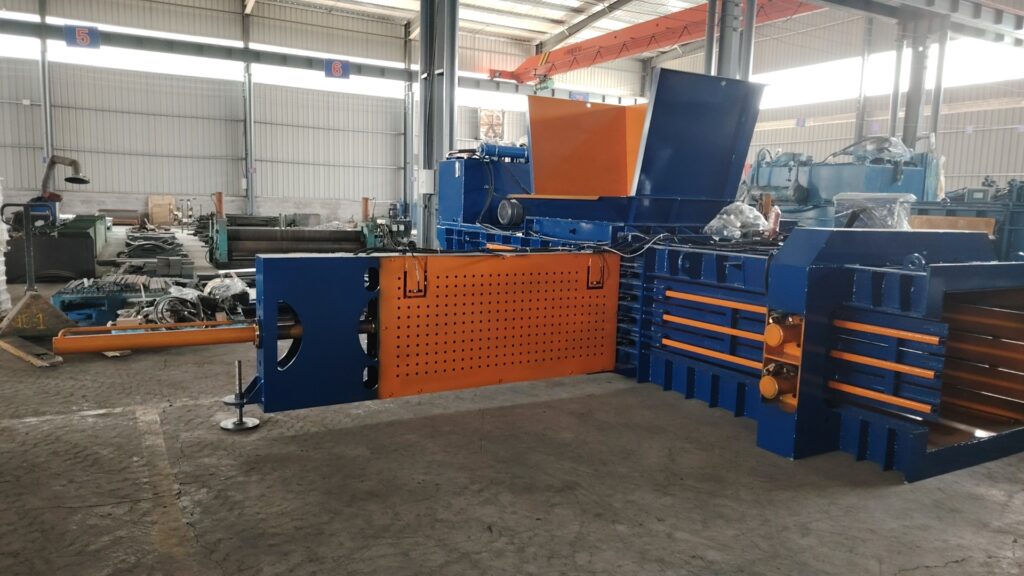
A horizontal fully automatic waste paper baler is a highly efficient and versatile machine designed to compress waste paper and other recyclables into compact, neatly tied bales. Unlike vertical balers, which operate in an upright position, horizontal balers use a horizontal chamber for compression. This design makes them ideal for large-scale operations that handle high volumes of waste paper.
In a fully automatic system, the baler requires minimal manual labor. It features an automated process for feeding, compressing, and ejecting the bales, as well as automatic tying mechanisms to secure the bales. These machines are typically used in industries such as printing, paper manufacturing, retail, and recycling centers.
How It Works
The machine operates in several key steps:
-
Feeding: Waste paper or other recyclable materials are fed into the machine through a conveyor system or manually, depending on the setup.
-
Compression: The waste is compressed by powerful hydraulic forces inside the horizontal chamber.
-
Tying: After compression, the machine automatically ties the bales with wire or plastic straps.
-
Ejection: The finished bale is ejected from the machine, ready for storage or transport.
Horizontal balers are designed for continuous operation, ensuring minimal downtime and maximizing throughput.
Why Is a Horizontal Fully Automatic Waste Paper Baler Essential?
1. Increased Efficiency and Productivity
One of the biggest advantages of a horizontal fully automatic waste paper baler is its efficiency. The fully automated process reduces the need for manual intervention, allowing businesses to process large amounts of paper waste with minimal labor. The baler operates continuously, enabling companies to handle waste more efficiently and quickly.
Moreover, the fully automatic nature means that once the machine is set up, it can run with minimal oversight. This results in greater productivity and reduced downtime, which is essential for businesses that generate significant amounts of waste paper.
2. Space Saving and Organization
Horizontal balers are typically larger and more powerful than vertical models, but their design is optimized for industrial-scale operations. They often have higher capacity and greater throughput, making them ideal for businesses that need to compress large volumes of waste. The horizontal configuration allows for better organization of space, as materials can be loaded and ejected efficiently without taking up as much vertical room.
Additionally, the compact bales created by horizontal balers are easy to store and stack. They help businesses reduce clutter, keep the workplace organized, and free up space for other activities.
3. Reduced Waste Disposal Costs
Waste paper takes up a lot of space when not compacted, which can lead to higher disposal fees. Horizontal fully automatic waste paper balers are designed to reduce the volume of waste by up to 90%, significantly lowering the cost of transportation and disposal. Moreover, compact bales are easier to handle and transport, which further reduces logistical costs.
Businesses that process a significant amount of paper waste may even earn money by selling the bales to recycling companies, turning their waste into an additional revenue stream.
4. Environmentally Friendly
By compacting waste paper into bales, businesses are promoting sustainability. The baler ensures that paper is properly prepared for recycling, reducing landfill waste and promoting the reuse of materials. In the long run, this can have a significant positive impact on the environment by contributing to a circular economy.
Using a horizontal fully automatic baler shows a commitment to eco-friendly practices, which can also improve the business’s reputation among environmentally-conscious consumers and partners.
How to Use a Horizontal Fully Automatic Waste Paper Baler
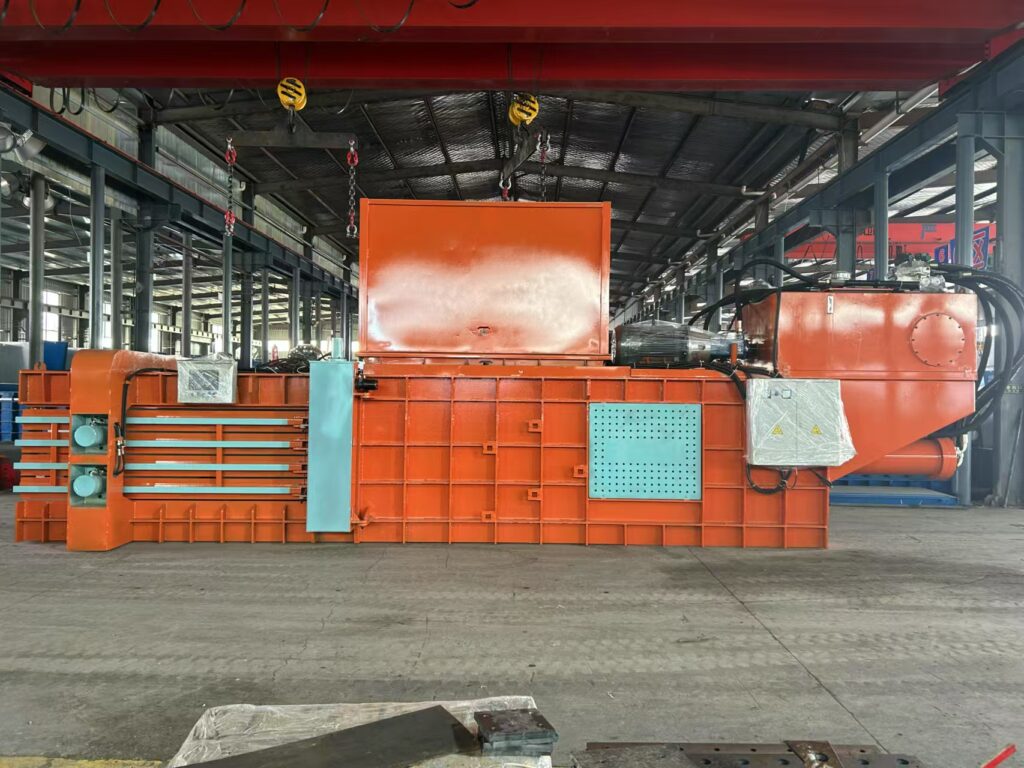
Step 1: Preparing the Waste Paper
Before using the baler, ensure that the waste paper is free from contaminants like plastic, metal, or food residue. Contaminated paper can affect the efficiency of the baling process and reduce the quality of the bale. Ideally, waste paper should be dry and as clean as possible.
Some machines have specialized features to handle different types of waste (such as mixed paper or cardboard), but it’s still essential to sort materials when possible.
Step 2: Feeding the Paper into the Baler
For automatic operation, the waste paper is typically fed into the baler via a conveyor system. If your system doesn’t include a conveyor, the paper can be loaded manually. Once the paper is loaded, the machine’s automated systems will take over.
Step 3: Compression and Tying
The machine will compress the waste paper into a tight bale using hydraulic pressure. During the compression process, the material is compacted to a fraction of its original size, making storage and transportation easier.
Once the bale is compacted, the baler automatically ties it using wire or plastic straps. The tying mechanism secures the bale, ensuring it holds its shape during handling and transportation.
Step 4: Ejecting the Bale
After the bale is tied, the system will eject the finished bale, either automatically or with minimal manual intervention. The ejected bale can then be stacked, stored, or transported for recycling.
Step 5: Repeat the Process
You can continue feeding waste paper into the baler to create more bales. Depending on the volume of waste paper generated, a horizontal fully automatic baler can produce dozens of bales per day, offering high throughput and efficiency.
Choosing the Right Horizontal Fully Automatic Waste Paper Baler: A Complete Guide
When selecting the best baler for your needs, there are several factors to consider. Here’s a comprehensive guide to help you choose the right model for your business.
1. Evaluate Your Waste Volume
The first step in choosing a baler is to assess the volume of waste paper your business generates. A baler with too small of a capacity will require frequent stops to unload the bale, reducing overall efficiency. Conversely, a baler that is too large may not be cost-effective for smaller operations.
Consider the expected throughput of the machine (measured in bales per hour or kilograms per bale) and ensure it aligns with your waste production.
2. Assess the Material Type
While horizontal balers are primarily designed for paper, they can handle other materials like plastic, cardboard, and textiles. However, different balers are optimized for specific materials. Make sure you choose a model that’s suitable for the type of waste you need to process.
For example, some machines are better suited for high-density paper waste, while others are designed to handle mixed waste or lighter materials like cardboard.
3. Look for Energy Efficiency
Baling machines can consume a significant amount of energy, especially in fully automated models. When choosing a baler, check the machine’s energy consumption and whether it has energy-saving features like automatic shutdown after periods of inactivity or low-power modes.
Efficient machines will help reduce your operational costs over time.
4. Consider the Bale Size and Weight
Different businesses require different bale sizes. If you plan to sell or transport the bales, consider the standard bale sizes in your industry. Horizontal balers typically offer adjustable bale sizes, so you can choose the most appropriate size for your needs.
Larger bales will require more space for storage and transport, so balance the need for large bales with the available space in your facility.
5. Evaluate Maintenance and Durability
Baling machines undergo a lot of wear and tear, so it’s important to choose one with durable components that require minimal maintenance. Look for machines with reliable hydraulic systems, durable cutting and tying mechanisms, and robust frames.
Check the warranty and customer support options offered by the manufacturer. Ideally, the machine should come with regular service schedules and readily available spare parts.
6. Safety Features
Safety should always be a priority. Horizontal balers are large machines that can pose risks if not properly maintained or operated. Ensure that the baler has essential safety features such as:
-
Emergency stop buttons
-
Automatic safety sensors
-
Protective covers
-
Safety interlocks
These features help protect workers from injury and ensure safe machine operation.
7. Consider Your Budget
Horizontal fully automatic balers can be a significant investment, so it’s important to assess your budget before making a purchase. Keep in mind that while the initial cost may be higher than other types of balers, the long-term savings in waste management, transportation, and disposal costs can make it a cost-effective solution.
Conclusion
A horizontal fully automatic waste paper baler is an invaluable tool for businesses looking to improve waste management, reduce disposal costs, and increase operational efficiency. With their ability to handle large volumes of waste paper, automate the baling process, and produce compact bales for easier handling, these machines are a must-have for industries involved in high-volume paper recycling.
By understanding the benefits of a horizontal fully automatic baler and following the tips for selecting the right model, you can ensure that your business is equipped with a powerful, efficient, and cost-effective solution for managing waste paper.