
What Is A Double-Shaft Shredder?
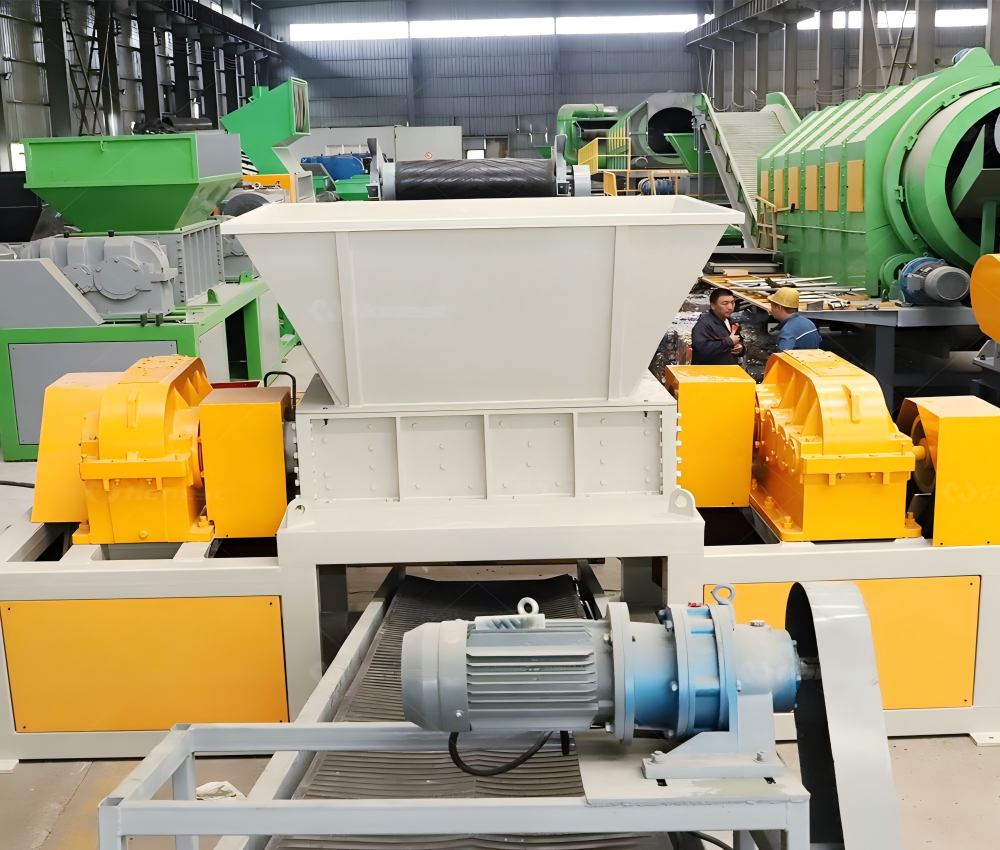
A double-shaft shredder is a versatile industrial machine designed to break down large volumes of materials into smaller, more manageable pieces. It uses two high-torque shafts that rotate in opposite directions, shredding a variety of materials, including plastics, metals, wood, rubber, and municipal solid waste. The machine’s ability to reduce large objects into smaller fragments makes it an essential tool in industries like recycling, waste management, and manufacturing.
How Does It Work?
The core mechanism of a double-shaft shredder involves two powerful shafts equipped with specially designed blades. These shafts rotate at different speeds, gripping the materials fed into the machine and shredding them into smaller, uniform pieces. This design allows for efficient material reduction and ensures that even hard-to-process materials are effectively shredded.
Why Choose A Double-Shaft Shredder?
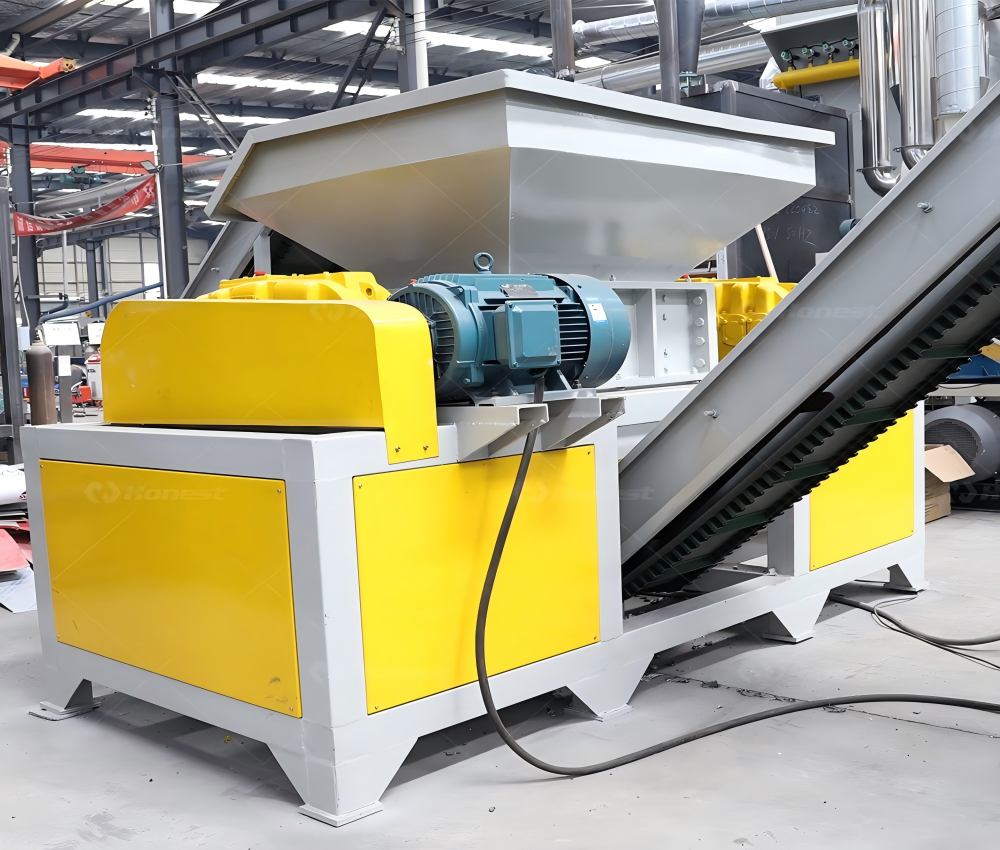
1. Versatility
One of the main advantages of a double-shaft shredder is its versatility. Unlike single-shaft shredders, which are typically limited to certain materials, a double-shaft shredder can handle a wide range of materials, from plastic waste to metals and electronic waste. This makes it suitable for industries like automotive, electronics, and waste recycling, among others.
2. High Efficiency
Double-shaft shredders are known for their high throughput and efficiency. The dual-shaft design increases the shredding power, enabling the machine to process large volumes of material in a short amount of time. Whether you’re dealing with waste materials or industrial by-products, a double-shaft shredder can significantly improve operational efficiency.
3. Safety Features
Safety is a critical consideration in any industrial setting. Double-shaft shredders are equipped with safety features like overload protection, emergency stop buttons, and automatic reverse functions to ensure safe operation. These features reduce the risk of equipment damage and protect operators from accidents.
4. Low Noise and Vibration
Compared to other shredders, double-shaft shredders tend to operate at lower noise levels and generate less vibration. This makes them more suitable for environments where noise control is important, such as urban recycling facilities or processing plants located near residential areas.
How To Use A Double-Shaft Shredder?
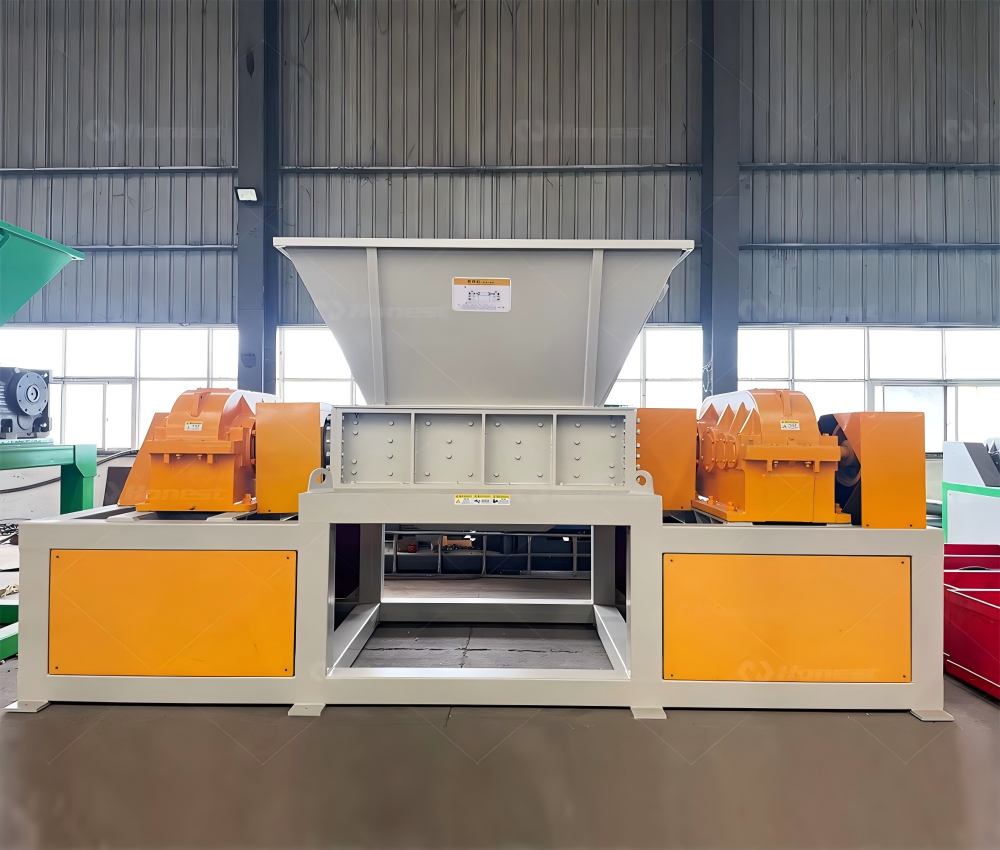
1. Preparation
Before operating the shredder, ensure that the machine is properly installed and connected to the power source. Always refer to the manufacturer’s manual for specific setup instructions. Additionally, verify that all safety measures are in place, including protective covers and emergency shut-off mechanisms.
2. Material Feeding
When feeding material into the double-shaft shredder, it’s essential to follow the machine’s capacity guidelines. Overloading the shredder with too much material can cause jams or mechanical failure. The material should be evenly distributed across the feed hopper to ensure smooth shredding.
3. Shredding Process
As the material enters the machine, the two rotating shafts begin to grip and shred it. Depending on the material, you may need to adjust the machine’s settings (e.g., speed, blade configuration) for optimal performance. Always monitor the machine during operation to ensure it is functioning correctly and that there are no issues such as overheating or unusual vibrations.
4. Maintenance and Cleaning
Regular maintenance is essential to keep the double-shaft shredder in peak condition. After each use, clean the machine to remove any debris or material remnants. Periodically inspect the blades, shafts, and motors for signs of wear and tear. Lubricate moving parts as required and ensure that safety features are in working order.
Tips For Choosing The Right Double-Shaft Shredder Model
1. Understand Your Material Requirements
The first step in selecting a double-shaft shredder is to understand the materials you need to process. Different models are designed to handle specific types of waste, such as plastic, metal, or wood. For example, shredding plastics requires different blade configurations and torque compared to shredding metals. Always ensure that the machine you select is compatible with the materials you intend to process.
2. Consider the Shredding Capacity
Shredding capacity is another crucial factor to consider when choosing a double-shaft shredder. This refers to the amount of material the machine can process within a given time frame. For high-volume applications, you will need a shredder with a higher throughput. However, for smaller operations, a lower capacity model might suffice.
3. Blade Design and Material
The blade design and material directly affect the shredder’s efficiency and durability. Look for models with high-quality steel blades that are designed for tough materials. Depending on your needs, you may opt for a shredder with multi-functional blades or specialized blades designed for specific materials (e.g., metal-hardened blades for processing metal waste).
4. Power and Torque
The power and torque of the double-shaft shredder are crucial for effective shredding. Machines with higher torque can handle tougher materials, while lower torque may be suitable for softer or less dense materials. Choose a shredder with a power rating that matches the types of materials you’ll be processing and the speed at which you need to shred them.
5. Size and Dimensions
The size and dimensions of the shredder are important considerations for both performance and space efficiency. Ensure that the shredder fits within your facility and has adequate space for feeding and output material. Larger models may offer higher capacity, but they also require more space and may consume more energy.
6. Safety and Ease of Use
When selecting a shredder, consider its safety features, including automatic stop functions, overload protection, and accessible emergency stops. Ease of use is also important—look for a model that is user-friendly, with intuitive controls and clear instructions for operation and maintenance.
7. Maintenance and Support
Look for a shredder that comes with reliable customer support and service. Regular maintenance is crucial for extending the lifespan of the machine, so ensure that spare parts and service options are readily available. Some manufacturers offer extended warranties and maintenance packages to ensure your shredder remains in good working condition.
Conclusion: Why A Double-Shaft Shredder Is A Smart Investment
A double-shaft shredder is a powerful and versatile tool that offers numerous benefits for industries involved in waste management, recycling, and material processing. By understanding its features, how it works, and the factors to consider when choosing a model, you can make an informed decision that aligns with your operational needs. Whether you need to process plastics, metals, or organic waste, a double-shaft shredder can improve efficiency, reduce operational costs, and ensure a safer work environment.
Investing in the right shredder not only boosts your productivity but also contributes to a more sustainable, eco-friendly operation. So, take the time to assess your material requirements, consider the key factors outlined in this guide, and choose a double-shaft shredder that will deliver optimal performance for your business.