
Introduction: Turning Metal Waste Into Measurable Profit
In today’s recycling and manufacturing landscape, metal scrap is no longer just waste—it is a valuable resource waiting to be optimized. Yet many facilities still struggle with overflowing scrap piles, inefficient handling, rising transportation costs, and inconsistent scrap quality. This is where the Horizontal Metal Baler steps in as a true game-changer.
Designed for high-volume, continuous-duty operations, horizontal metal balers transform loose, irregular metal scrap into dense, uniform bales that are easy to store, transport, and sell. More than just a compression machine, a horizontal metal baler is a productivity multiplier—streamlining workflows, improving safety, and unlocking higher returns from every ton of scrap.
This in-depth guide will walk you through what a horizontal metal baler is, why it has become essential in modern recycling, how it works, how to use it effectively, and—most importantly—how to choose the right model for your operation.
What Is A Horizontal Metal Baler?
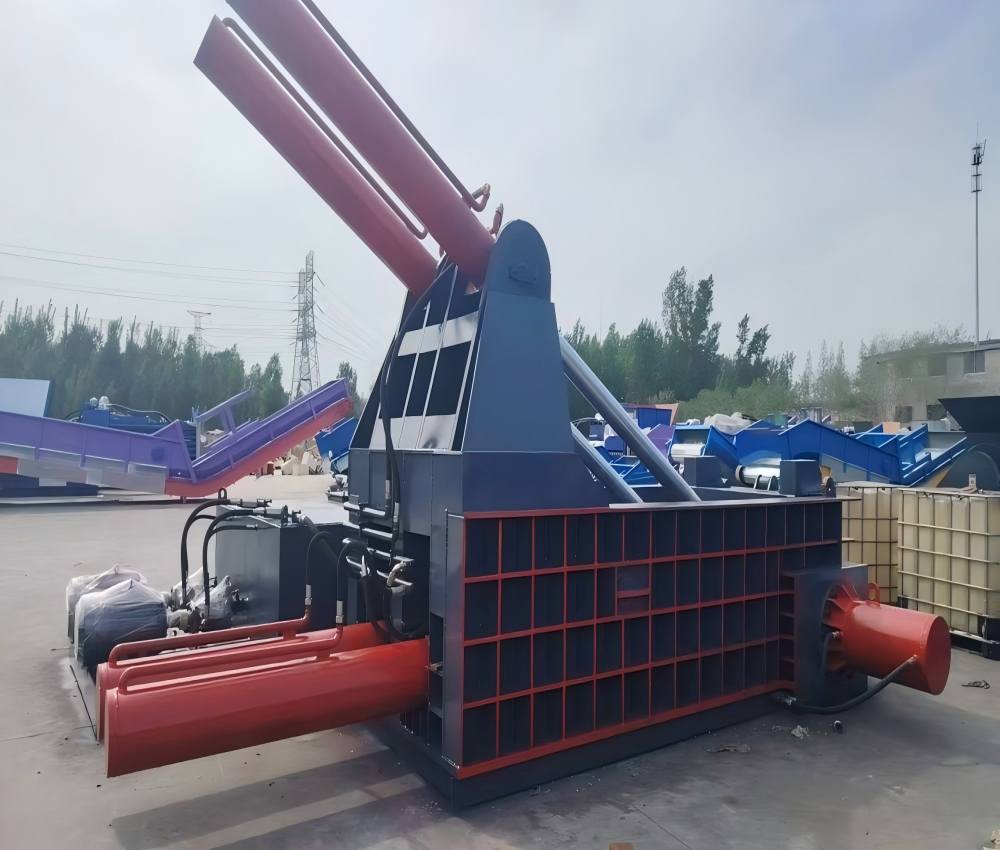
A Horizontal Metal Baler is an industrial hydraulic machine engineered to compress metal scrap into compact, standardized bales through horizontal force. Unlike vertical balers, which rely on top-loading and intermittent cycles, horizontal balers feature a side-feeding structure and a horizontal compression chamber that enables continuous operation and higher throughput.
These machines are commonly deployed in scrap yards, metal recycling plants, manufacturing facilities, automotive dismantling operations, and steel processing centers. Depending on the configuration, a horizontal metal baler can process steel scrap, aluminum profiles, copper wires, stainless steel sheets, metal shavings, and mixed light scrap.
Built with heavy-duty steel frames, high-pressure hydraulic systems, and intelligent control units, horizontal metal balers are designed for durability, stability, and long service life—even under demanding industrial conditions.
Why Horizontal Metal Balers Are Reshaping Metal Recycling
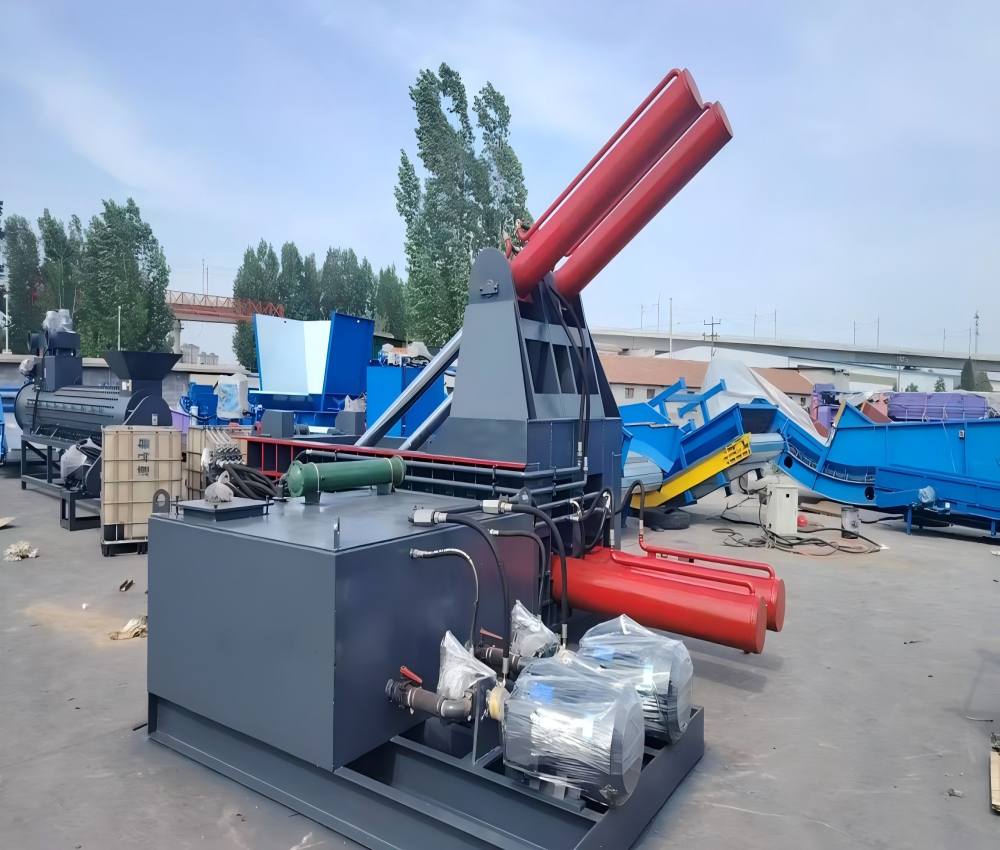
Horizontal metal balers are not simply larger versions of vertical balers—they represent a different philosophy focused on scale, consistency, and automation. Here’s why they have become the backbone of professional metal recycling operations.
Continuous Feeding, Higher Productivity
Thanks to their horizontal layout, materials can be fed into the baler while it is running. This uninterrupted workflow dramatically increases hourly output and minimizes idle time, making horizontal balers ideal for facilities handling large and steady scrap volumes.
Dramatic Volume Reduction
Loose metal scrap consumes valuable space and creates logistical challenges. Horizontal metal balers can reduce scrap volume by up to 80–90%, converting chaotic piles into neat, stackable bales that are easy to manage.
Reduced Transportation And Logistics Costs
By increasing material density, more metal can be loaded into each truck or container. Fewer shipments mean lower fuel consumption, reduced labor requirements, and improved overall logistics efficiency.
Safer And Cleaner Work Environment
Handling loose metal scrap increases the risk of cuts, crushing injuries, and unstable stacks. Uniform bales improve site organization, reduce hazards, and create a cleaner, safer workplace.
Higher And More Stable Scrap Value
Steel mills and foundries favor dense, uniform bales because they are easier to store and feed into furnaces. As a result, well-baled scrap often achieves better pricing and stronger buyer acceptance.
How Does A Horizontal Metal Baler Work?
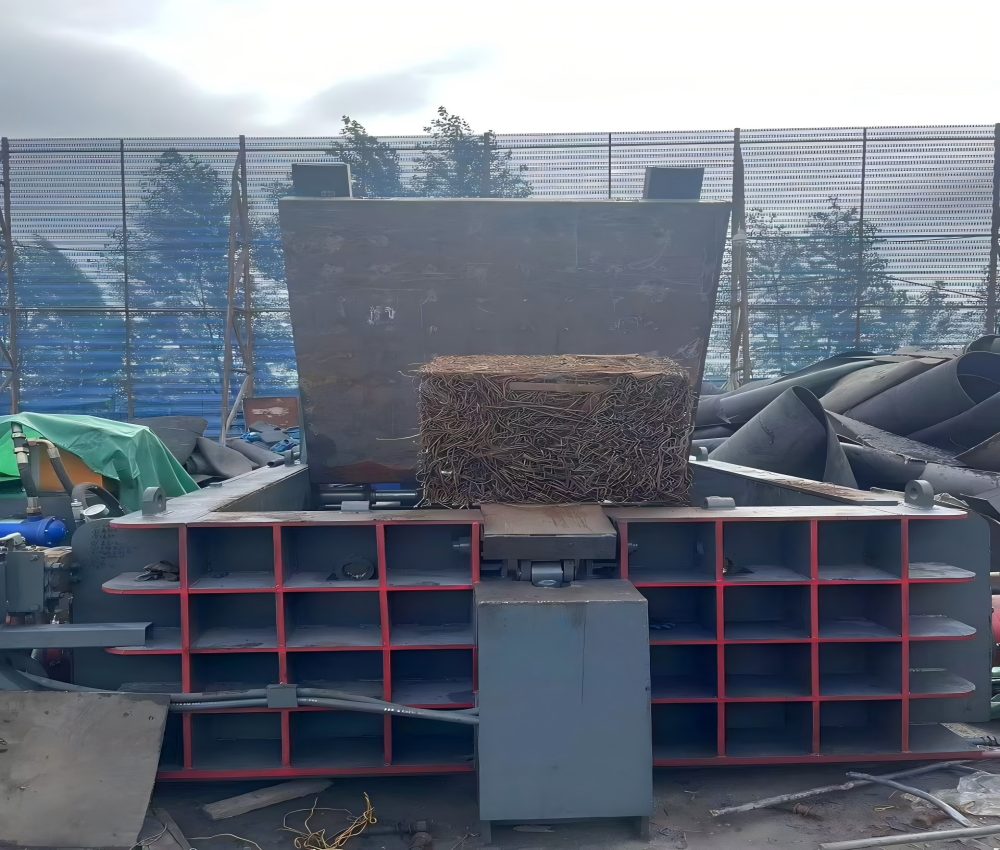
While designs vary across manufacturers and tonnage classes, the operating principle of a horizontal metal baler follows a consistent, proven process.
Step One: Material Feeding
Metal scrap is loaded into the baler through a side feeding opening or via an automatic conveyor. The wide feeding chamber allows operators to handle bulky, irregular, or long materials with minimal pre-processing.
Step Two: Hydraulic Compression
Once inside the chamber, powerful hydraulic cylinders apply horizontal pressure to compress the scrap. Higher-tonnage models generate immense force, producing dense bales even from heavy or springy materials.
Step Three: Bale Forming
The compressed material is shaped into a rectangular or square bale. Bale length can usually be adjusted to meet specific transportation, storage, or buyer requirements.
Step Four: Bale Tying And Discharge
After compression, the bale is secured using steel wires or straps. Depending on the automation level, tying can be manual or automatic. The finished bale is then pushed out, ready for stacking or shipment.
How To Use A Horizontal Metal Baler Effectively
Proper operation ensures consistent bale quality, maximum output, and long equipment life.
Train Operators Thoroughly
Operators should understand control logic, safety interlocks, emergency stop functions, and correct feeding practices. Skilled operators reduce downtime and prevent costly mistakes.
Feed The Right Materials
Avoid non-metallic contaminants or oversized items that may damage the compression chamber. Pre-sorting improves bale density and machine reliability.
Follow A Preventive Maintenance Schedule
Regular inspection of hydraulic oil, cylinders, hoses, and electrical systems helps prevent unexpected breakdowns and extends service life.
Where Horizontal Metal Balers Deliver The Most Value
Horizontal metal balers are trusted across a wide range of industries.
Scrap Yards And Recycling Centers
High-volume mixed scrap processing demands machines built for continuous, heavy-duty use.
Manufacturing And Fabrication Plants
Offcuts, trimmings, and rejected parts can be baled on-site to maintain clean production floors.
Automotive And Appliance Recycling
End-of-life products contain valuable ferrous and non-ferrous metals that benefit from efficient baling.
Steel Mills And Foundries
Uniform bales improve furnace charging efficiency and material handling consistency.
How To Choose The Right Horizontal Metal Baler
Selecting the right baler is a strategic decision that directly impacts efficiency and profitability.
Understand Your Material Profile
Identify the types of metals you process, including thickness, hardness, and bulk density. Light aluminum scrap and heavy steel scrap require very different compression forces.
Define Required Throughput
Estimate daily or hourly scrap volume. Small operations may only need moderate-capacity machines, while large facilities require high-output, fully automatic systems.
Choose The Appropriate Baling Force
Baling force, measured in tons, determines final bale density. Higher pressure produces heavier, tighter bales that are easier to sell and transport.
Match Bale Size To Logistics Needs
Ensure the baler can produce bale dimensions compatible with your forklifts, trucks, containers, and downstream buyers.
Decide On Automation Level
Manual and semi-automatic models reduce upfront costs, while fully automatic balers minimize labor and deliver consistent output for large-scale operations.
Evaluate Supplier Support And Reliability
A strong supplier offers reliable spare parts, technical support, and long-term service—critical for high-duty industrial equipment.
Conclusion: The Backbone Of Efficient Metal Recycling
A Horizontal Metal Baler is not just a machine—it is an operational upgrade that converts metal scrap into a controlled, valuable commodity. By improving efficiency, reducing costs, enhancing safety, and increasing scrap value, horizontal metal balers have become indispensable in modern recycling and manufacturing environments.
When chosen wisely and operated correctly, a horizontal metal baler delivers consistent performance and long-term returns, making it a cornerstone investment for any serious metal recycling operation.