
In the modern recycling and scrap-processing industry, efficiency, safety, and space optimization are more important than ever. As scrap metal volume continues to grow worldwide, recyclers, metal yards, and manufacturing facilities are searching for advanced equipment that can help them reduce labor, minimize transportation costs, and increase processing capacity.
Among all metal-recycling machines, the horizontal metal baler stands out as one of the most powerful and practical solutions.
This article explains what a horizontal metal baler is, why it is essential, how it is used, and how to select the most suitable model for your operation.
What Is A Horizontal Metal Baler?
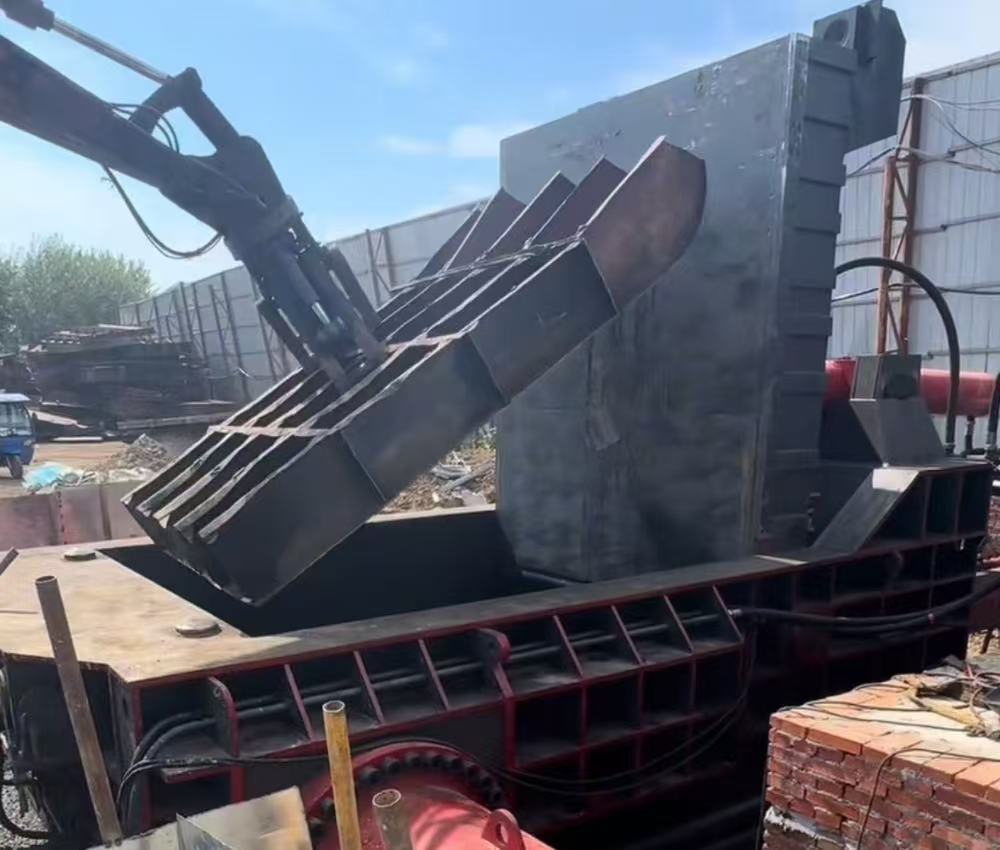
A horizontal metal baler is a heavy-duty hydraulic machine used to compress loose metal scraps into dense, uniform bales for easier storage, handling, and transportation. Unlike vertical balers, which compress materials from top to bottom, a horizontal baler uses side-pressure cylinders to squeeze the metal from multiple directions, forming a tightly packed block.
Horizontal metal balers are commonly used for processing:
-
Scrap steel
-
Aluminum profiles
-
Copper materials
-
Used car shells
-
Iron plates and offcuts
-
Stainless steel
-
Light metal scraps
-
Metal shavings and chips
These machines are indispensable in scrap-recycling centers, steel mills, aluminum smelters, automotive dismantling plants, warehouses, and manufacturing facilities.
Why You Need A Horizontal Metal Baler
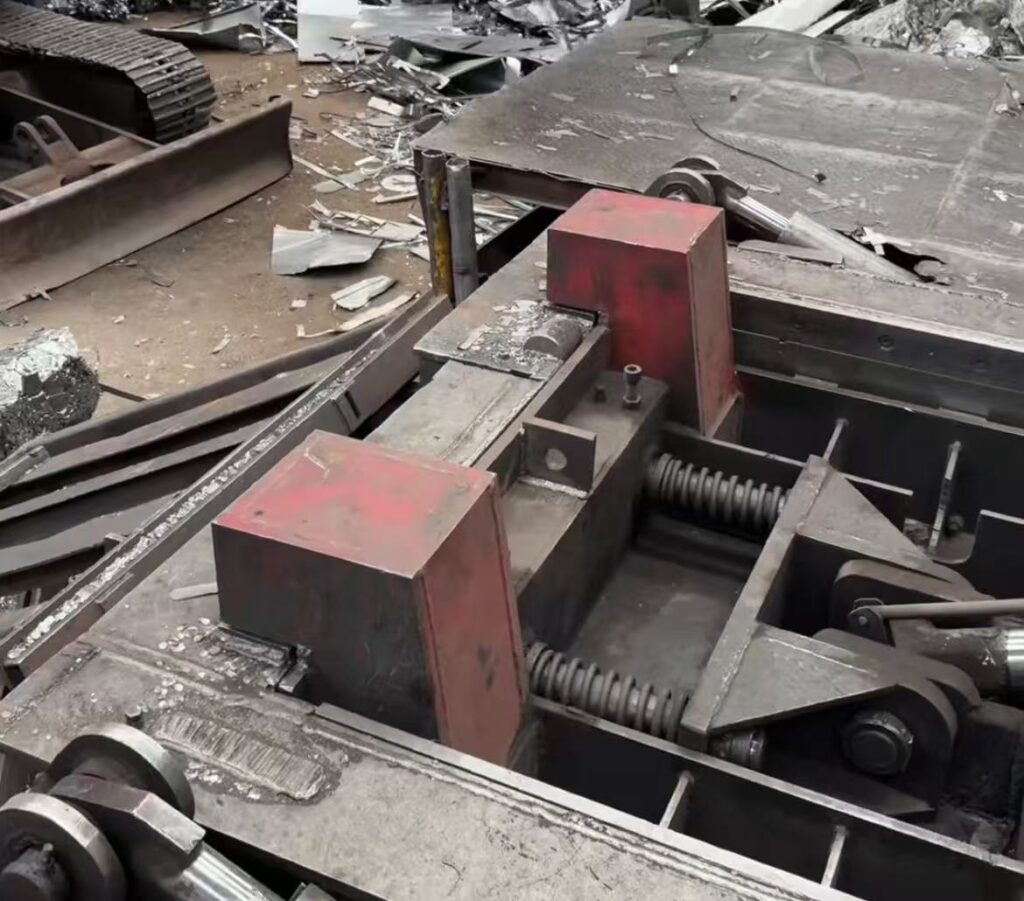
1. Higher Compression Force for Heavy Metal
Horizontal balers are designed with powerful multi-cylinder hydraulic systems. They provide stronger compression compared to vertical balers, allowing them to handle:
-
Thick metal
-
High-density scrap
-
Hard materials such as stainless steel or iron blocks
This ensures the bales are extremely tight and strong, ideal for melting and recycling.
2. Larger Feeding Chamber for Big Materials
The wide feeding hopper and long compression chamber allow operators to load large pieces of metal directly, reducing cutting or pre-processing. This dramatically increases processing speed.
3. Fully Automatic or Semi-Automatic Options
Depending on your production needs, horizontal balers support:
-
Automatic material feeding
-
Automatic compression
-
Automatic door opening
-
Automatic bale ejection
This reduces labor and improves safety.
4. Saves Storage Space and Transportation Cost
A compressed metal bale can reduce the material volume by up to 70–90%, meaning:
-
Lower transportation costs
-
Less warehouse space
-
Easier loading into containers or trucks
For many businesses, the saved space alone pays for the machine quickly.
5. Durable Structure for Long Service Life
Horizontal metal balers are built with thick steel plates, robust frames, and long-lasting hydraulic components. With proper maintenance, a machine can operate efficiently for many years, even under heavy workload.
How A Horizontal Metal Baler Works
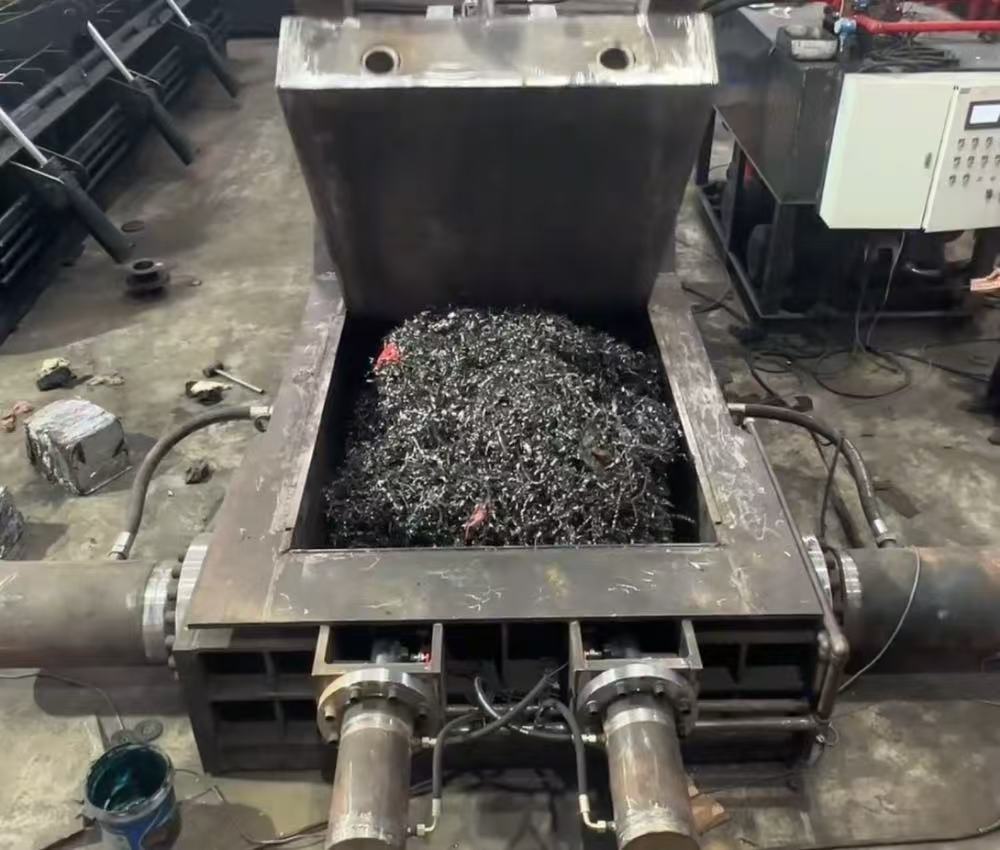
A typical horizontal baler operates through the following steps:
Step 1: Feed the Scrap Metal
Materials are loaded into the hopper manually, by conveyor, or by grabber/excavator.
Horizontal balers allow large, irregular, or long materials to be fed directly without cutting.
Step 2: Pre-Compression
The machine may use a side compression cylinder to push materials inward, reducing the initial volume.
Step 3: Main Compression
The main hydraulic cylinder applies massive force from the rear, pressing the scrap into a compact bale inside the chamber.
Step 4: Locking and Shaping
Some models use side doors or heavy metal lids to shape the bale while applying multi-directional pressure.
Step 5: Bale Ejection
Depending on the design, bale ejection can be:
-
Side ejection
-
Front ejection
-
Push-out
-
Turn-out (tilting ejection)
Operators can immediately stack or transport the bale.
Step 6: Continuous Cycling
Horizontal balers are designed for continuous production. Once one bale is ejected, the next batch of scrap is fed immediately.
How To Use A Horizontal Metal Baler Safely
1. Check the Machine Before Operation
-
Inspect hydraulic oil level
-
Ensure all covers and safety guards are locked
-
Confirm power supply and emergency stop functions
2. Load Materials Properly
Do not overload the hopper, and avoid inserting extremely thick or oversized metal beyond the machine’s specifications.
3. Operate Through the Control Panel
Operators can start compression, adjust pressure, and perform bale ejection through the PLC control system.
4. Maintain Regularly
-
Replace hydraulic oil
-
Lubricate moving parts
-
Check seals, hoses, and valves
-
Clean the machine chamber
Routine maintenance extends the machine’s lifespan significantly.
How To Choose the Right Horizontal Metal Baler
Choosing the correct machine model is essential for achieving the best performance. Here are key factors to consider:
1. Material Type and Density
Different metals require different pressure levels:
-
Light materials (aluminum cans, thin iron sheet) → medium-pressure machine
-
Heavy materials (steel plates, rebar, stainless steel) → high-pressure machine
-
Mixed scrap → a machine with multi-directional compression
Provide sample photos to your supplier to get accurate recommendations.
2. Desired Bale Size
Bale dimensions affect:
-
Container loading
-
Melting furnace compatibility
-
Storage efficiency
Common bale sizes include:
-
30 × 30 cm
-
40 × 40 cm
-
50 × 50 cm
-
80 × 80 cm
Custom sizes are also available.
3. Compression Force (Tonnage)
Horizontal balers typically range from:
-
80 tons – light metal
-
125–200 tons – medium scrap
-
315–400+ tons – heavy scrap metal and stainless steel
The higher the tonnage, the tighter the bale.
4. Motor Power and Energy Consumption
Machines may use one or multiple hydraulic motors:
-
15 kW
-
22 kW
-
37 kW
-
45 kW or higher
Choose based on your electricity supply and processing volume.
5. Bale Ejection Method
Select according to your site layout:
-
Side ejection – common and efficient
-
Front ejection – fits narrow spaces
-
Turn-out ejection – safe for heavy blocks
6. Automation Level
Options include:
-
Manual control
-
Semi-automatic
-
Fully automatic with conveyor loading
For large factories, automation greatly increases output.
7. After-Sales Support and Spare Parts
Choose a manufacturer that offers:
-
Strong technical support
-
Spare parts availability
-
On-site installation instruction (if needed)
-
Online troubleshooting and video support
This ensures long-term stable operation.
Final Thoughts On Choosing A Horizontal Metal Baler
When selecting a horizontal metal baler, it is also important to consider your long-term production plans. A machine that meets your needs today may become undersized as your recycling volume grows. Therefore, choosing a model with slightly higher capacity and stronger hydraulic power can help you avoid future upgrades and unnecessary costs. Additionally, pay close attention to after-sales service, spare parts availability, and the manufacturer’s technical support capability. A reliable supplier with professional experience ensures that your machine remains stable, efficient, and productive for many years. Investing in the right horizontal metal baler is not only about performance—it is about securing long-term value for your recycling business.
Conclusion: A Powerful Tool for Modern Scrap Recycling
A horizontal metal baler is an essential investment for any business involved in metal recycling, manufacturing waste management, or scrap processing. It increases productivity, reduces labor, and maximizes transportation efficiency.
By understanding what the machine does, how it works, and how to choose the proper model, you can select the ideal baler that fits your materials, production scale, and budget.
If you need help selecting the right horizontal metal baler or want a customized solution, I can help you write product descriptions, specifications, or customer quotations anytime.