
What is a garment packing machine?
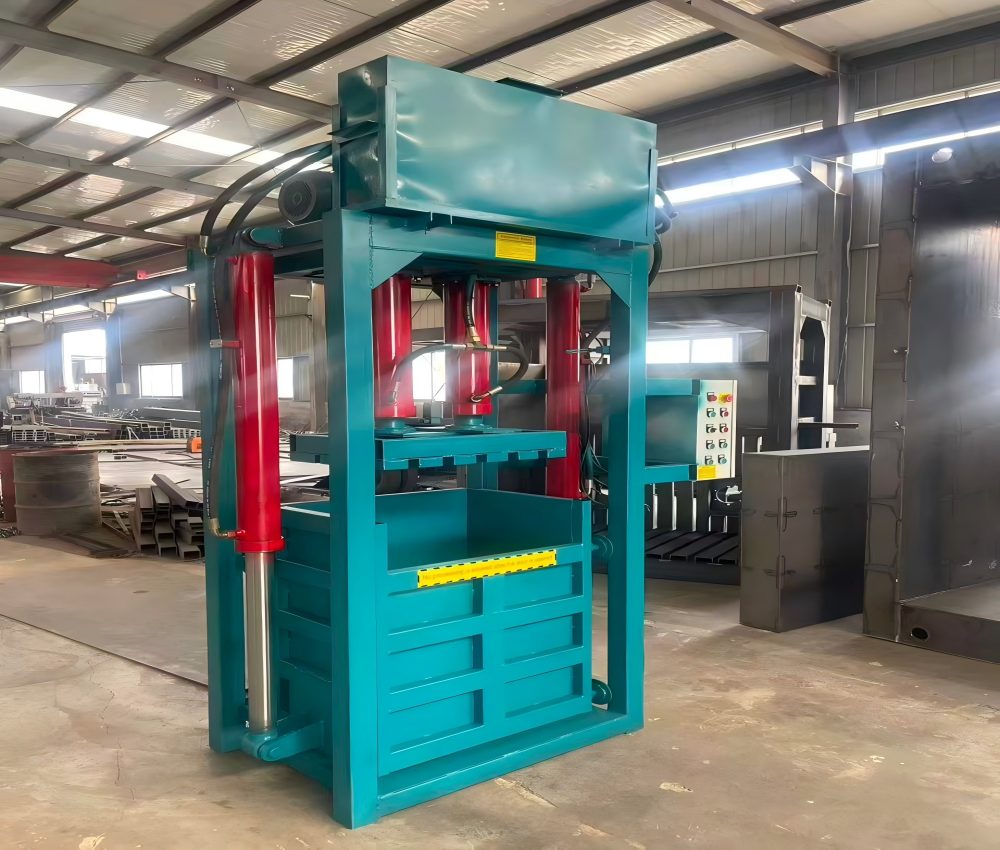
A garment baler is a hydraulic compression device used to compress bulk clothing, textiles, and fabric waste into dense, compact bales.
The machine uses a hydraulic system to apply strong pressure to the material placed in the compression chamber. After compression, the clothing is bundled into sturdy bales using wire, plastic straps, or ropes, facilitating storage, transportation, or sale.
Garment balers are commonly used in textile recycling plants, secondhand clothing exporters, charitable donation centers, garment factories, and waste treatment facilities.
The compressed bales are typically square or rectangular, facilitating stacking in warehouses and containers.
Why garment packing machines are important
Save Storage Space
Loose garments take up a lot of space. Baling machines can compress textiles to one-fifth or even one-tenth of their original volume. This allows businesses to store more material in the same warehouse space.
Reduce Transportation Costs
Transportation is often one of the biggest expenses in the textile recycling industry. Compact baling allows more material to fit into trucks or containers, reducing transportation costs and improving logistics efficiency.
Improve Workplace Organization
Without compression equipment, piles of garments create a messy and unsafe working environment. Baling machines can organize garments into neat, uniform bundles for easier management.
Increase Recycling Efficiency
Compact baled items are easier to handle, transport, and process for recycling facilities, thus improving the overall efficiency of textile recycling operations.
How Garment Baling Machines Work
While designs may vary, most garment baling machines operate using a hydraulic compression system.
Step 1: Loading Garments
Operators place loose garments, scraps of cloth, or textile waste into the machine’s compression chamber. Depending on the machine type, the compression chamber can be loaded manually or via a conveyor system.
Step 2: Hydraulic Compression
After loading, the hydraulic cylinder pushes a compression plate downward. The plate applies strong pressure that compresses the clothing into a dense block.
Step 3: Bale Tying
Once the material reaches the desired density, operators use steel wires, plastic straps, or ropes to tie the bale securely. This keeps the bale stable after compression.
Step 4: Bale Ejection
The machine then opens and releases the finished bale. The compact bundle can be removed and stored or transported.
The entire process is relatively simple and can usually be completed within a few minutes.
Types Of Clothing Baling Machines
There are several types of baling machines designed for textile compression.
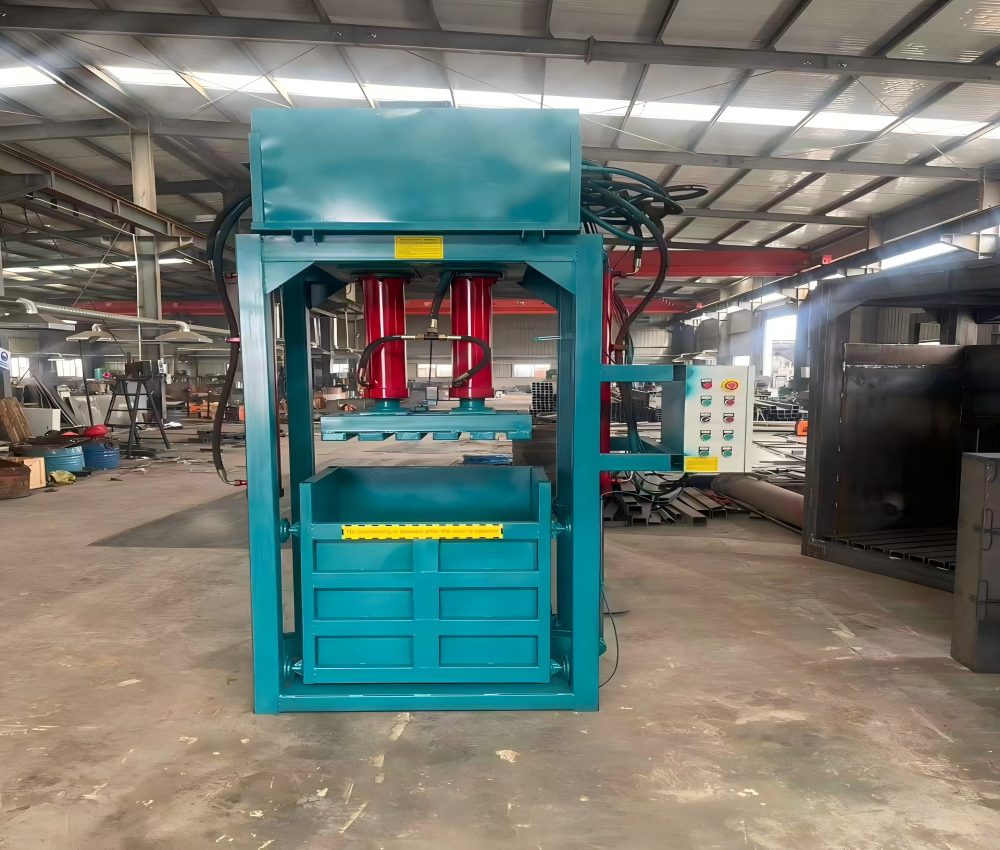
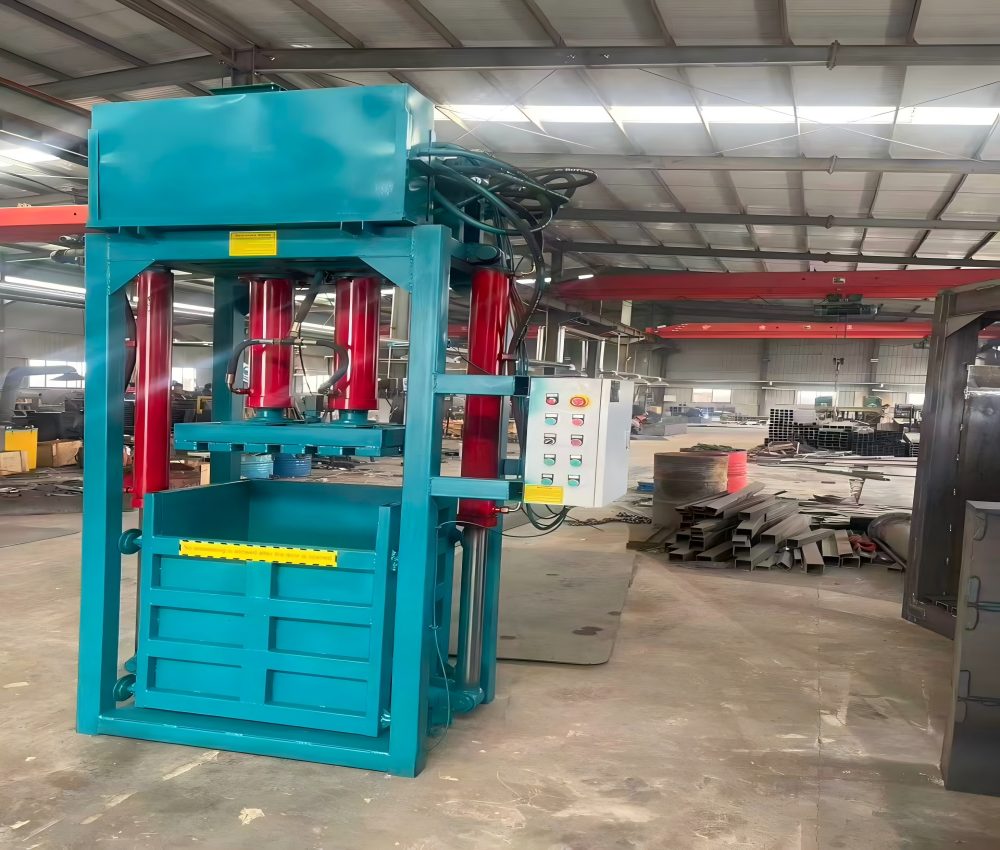
Vertical Baling Machine
Vertical balers are commonly used in small recycling stations, clothing collection centers, and retail warehouses.
Advantages include lower cost, compact design, easy operation, and suitability for small to medium volumes.
Horizontal Baling Machine
Horizontal balers are typically used in large recycling facilities and industrial operations.
Advantages include higher compression capacity, continuous feeding capability, and higher productivity.
However, they are usually larger and require more installation space.
How To Use A Clothing Baling Machine Safely
Proper operation ensures both efficiency and safety.
Follow Operating Instructions
Always follow the manufacturer’s instructions and ensure operators are properly trained before using the machine.
Avoid Overloading
Do not overload the compression chamber. Excessive materials can reduce compression quality and strain the hydraulic system.
Check Hydraulic Components
Regularly inspect hydraulic cylinders, hoses, and pumps to ensure they are functioning properly.
Maintain Clean Working Areas
Keeping the machine area clean helps prevent accidents and improves workflow.
How To Choose The Right Clothing Baling Machine
Selecting the correct baling machine depends on several important factors.
Consider Your Daily Processing Volume
The first step is to determine how much clothing you need to process each day.
Small businesses may process about 1–3 tons per day, medium operations around 3–10 tons per day, and large recycling plants more than 10 tons per day.
Higher volumes require machines with larger chambers and stronger hydraulic systems.
Bale Size Requirements
Different markets require different bale sizes. Many second-hand clothing exporters prefer bales weighing between 40 kg and 100 kg.
Make sure the machine can produce the bale size required by your buyers or logistics partners.
Available Installation Space
Vertical balers take up less floor space, while horizontal balers require larger areas and sometimes conveyor systems.
Measure your available space before selecting a machine.
Power Supply
Check the power supply available at your facility. Machines may require different voltages depending on their size and capacity.
Conclusion
Garment baling machines are essential equipment for businesses handling large volumes of textiles and garments. By compressing bulk clothing into compact bales, businesses can significantly improve storage efficiency, reduce transportation costs, and streamline the recycling process.
Whether you operate a small garment collection center or a large textile recycling plant, choosing the right baling machine can have a significant impact on productivity and profitability.
By understanding how garment baling machines work, their value, and how to choose the right model, businesses can make informed decisions and build more efficient textile processing systems.