
Introduction
In the modern recycling and metal processing industry, efficiency, safety, and cost control are critical factors for success. Scrap metal is often bulky, irregularly shaped, and difficult to transport or store. Without proper compression, large volumes of scrap can quickly occupy valuable space and increase transportation costs.
This is where a horizontal metal baler becomes an essential piece of equipment. Designed to compress scrap metal into dense, manageable bales, a horizontal metal baler significantly improves storage efficiency, simplifies transportation, and increases the overall value of scrap metal.
In this article, we will explore what a horizontal metal baler is, why it is important, how it works, how to use it properly, and how to choose the right model for your business.
What Is A Horizontal Metal Baler?
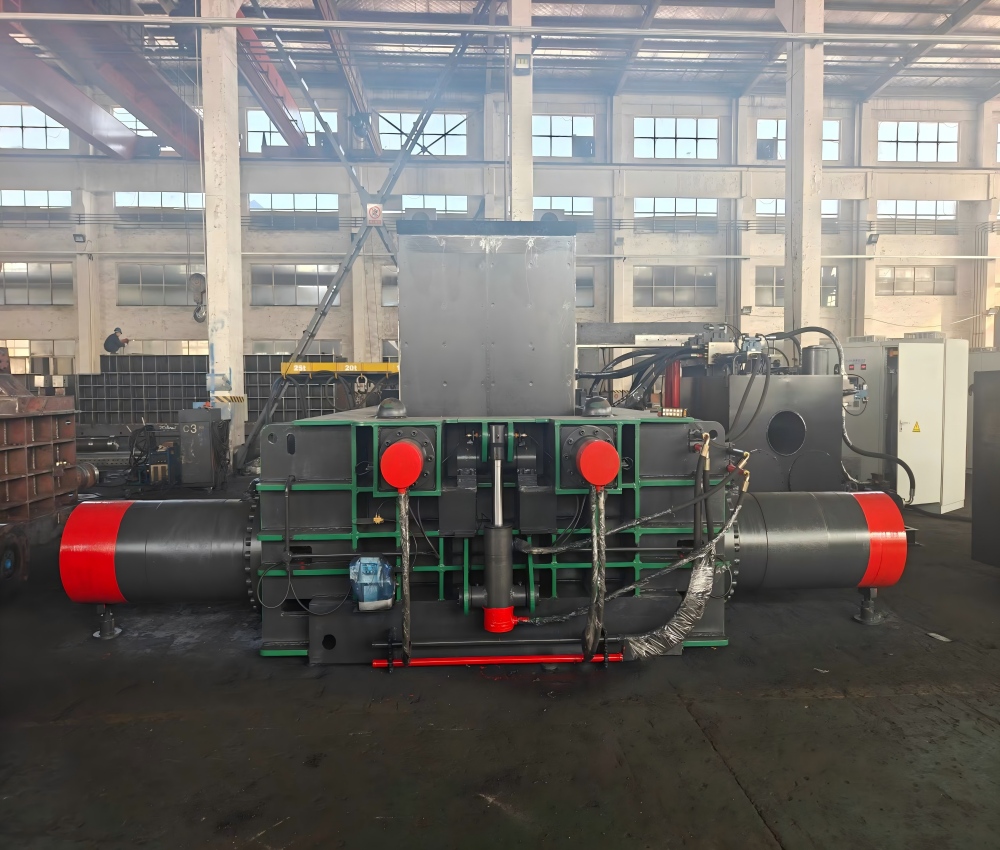
A horizontal metal baler is an industrial machine used to compress loose scrap metal into compact rectangular or square bales. The machine applies powerful hydraulic pressure to compress metal materials inside a large compression chamber.
Common materials processed by horizontal metal balers include:
-
Scrap steel
-
Aluminum profiles
-
Copper wire
-
Stainless steel
-
Car body scraps
-
Metal cans
-
Industrial metal waste
Once compressed, the metal forms tightly packed blocks that are easier to handle, stack, transport, and recycle.
Compared with vertical balers, horizontal metal balers are typically larger, more automated, and capable of handling higher volumes of scrap metal.
Why Horizontal Metal Balers Are Important
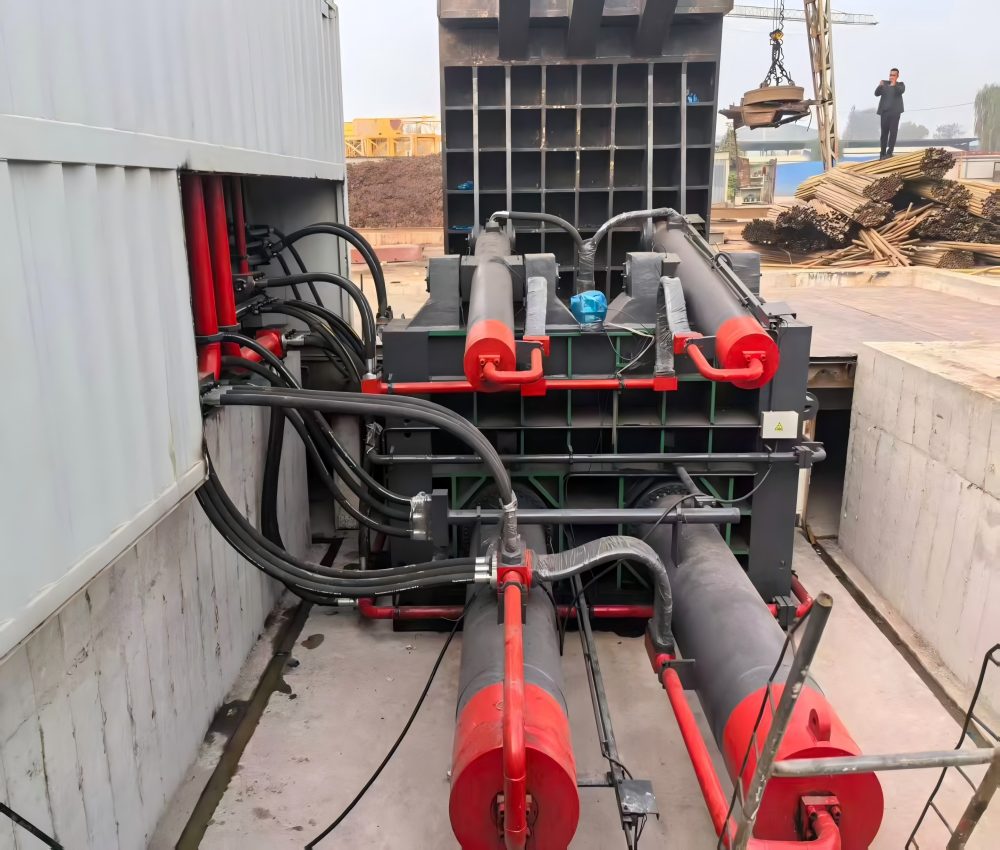
Improve Transportation Efficiency
Loose scrap metal takes up a large amount of space during transportation. By compressing metal into dense bales, businesses can reduce transportation costs significantly. More material can fit into each truck or container, maximizing logistics efficiency.
Reduce Storage Space
Scrap yards and recycling facilities often struggle with storage limitations. Horizontal metal balers compress metal waste into compact blocks, allowing companies to store more material in the same space.
Increase Scrap Metal Value
Many recycling companies and steel mills prefer to purchase compressed scrap metal bales because they are easier to handle and process. As a result, properly baled scrap often commands a higher price compared to loose materials.
Improve Workplace Safety
Loose metal pieces can be sharp, heavy, and unstable. By compressing them into uniform blocks, horizontal metal balers reduce the risk of workplace injuries and improve overall safety in recycling facilities.
Increase Processing Efficiency
A horizontal metal baler can handle continuous feeding and large volumes, making it ideal for high-output recycling plants and metal processing facilities.
How A Horizontal Metal Baler Works
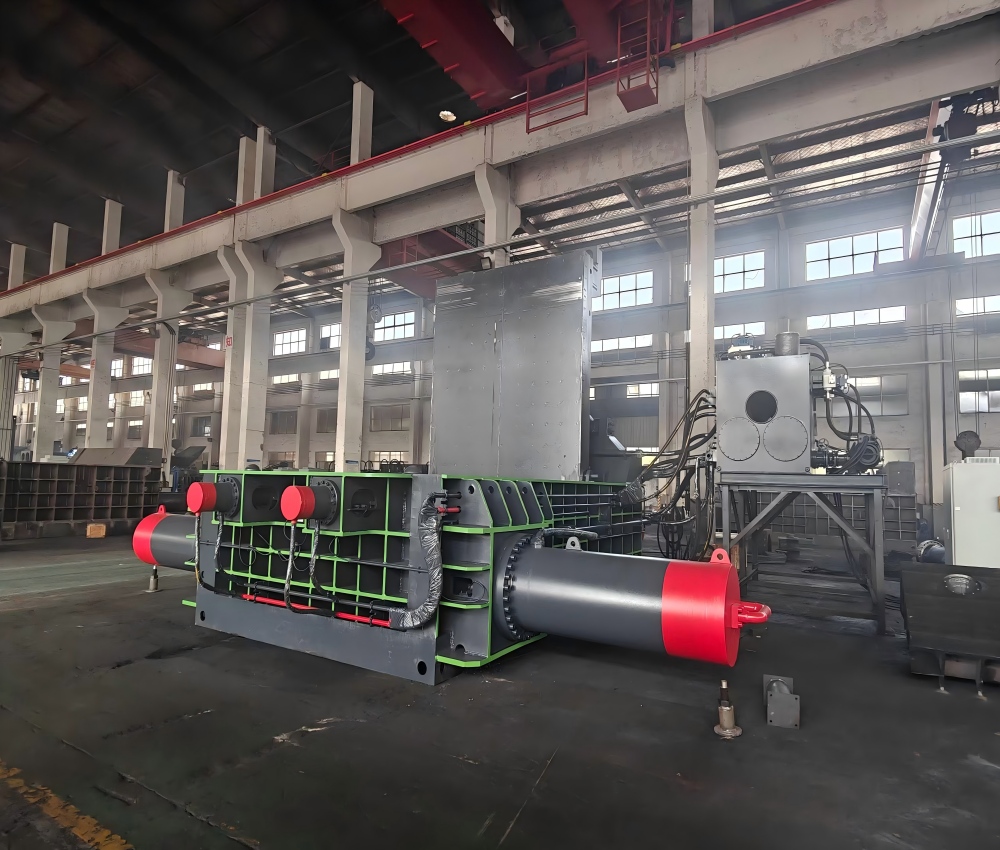
A horizontal metal baler operates using a hydraulic compression system. The working process generally involves several steps:
Material Feeding
Scrap metal is loaded into the baler’s compression chamber. This can be done manually, by conveyor belt, or using a grab crane depending on the facility setup.
Hydraulic Compression
Once the chamber is filled, the hydraulic cylinder pushes a compression plate forward. This plate applies extremely high pressure to compact the metal tightly.
Bale Formation
As the compression continues, the metal gradually forms a dense rectangular block inside the chamber.
Bale Strapping Or Locking
In some models, the compressed bale is secured with metal wire or steel straps to maintain its shape.
Bale Ejection
Finally, the finished bale is pushed out of the chamber, ready for storage, transport, or recycling.
This automated process can repeat continuously, allowing recycling plants to process large quantities of scrap metal efficiently.
How To Use A Horizontal Metal Baler Properly
Proper operation ensures both safety and efficiency.
Step 1 Prepare The Machine
Before starting the machine:
-
Check hydraulic oil levels
-
Inspect electrical systems
-
Ensure the compression chamber is clean
-
Confirm safety guards are in place
Routine inspection helps prevent equipment failure.
Step 2 Load Scrap Metal
Load suitable materials into the feeding chamber. Avoid oversized or extremely thick materials that exceed the machine’s design capacity.
Uniform feeding improves compression efficiency and extends machine lifespan.
Step 3 Start The Compression Cycle
Activate the hydraulic system through the control panel. The machine will begin compressing the metal automatically.
Modern machines often include PLC control systems that simplify operation.
Step 4 Monitor The Operation
Operators should monitor the machine during operation to ensure smooth compression and proper bale formation.
Any abnormal noise or hydraulic pressure fluctuation should be addressed immediately.
Step 5 Remove Finished Bales
After compression, remove the finished bales and place them in designated storage areas.
Proper stacking ensures safe storage and efficient loading during transportation.
How To Choose The Right Horizontal Metal Baler
Selecting the correct model is crucial for maximizing efficiency and return on investment.
Here are several key factors to consider.
Compression Force
Compression force determines how tightly the metal can be compacted.
Common ranges include:
-
125 tons
-
160 tons
-
200 tons
-
315 tons
-
400 tons and above
Higher compression force is suitable for harder metals and higher density bales.
Chamber Size
The chamber size determines the maximum size of scrap materials that can be processed.
Large chambers are ideal for bulky materials such as:
-
Car body scraps
-
Aluminum profiles
-
Industrial metal waste
Choosing the correct chamber size helps avoid frequent material cutting.
Bale Size
Different markets prefer different bale sizes.
Typical bale sizes include:
-
300 × 300 mm
-
400 × 400 mm
-
500 × 500 mm
Before selecting a machine, confirm the preferred bale size of your downstream buyers or steel mills.
Production Capacity
Consider how much scrap metal you need to process per hour.
Small recycling centers may require:
-
1–2 tons per hour
Large recycling plants may require:
-
5–15 tons per hour or more
Choosing a machine with adequate capacity prevents production bottlenecks.
Automation Level
Modern horizontal metal balers offer different automation levels:
-
Manual feeding
-
Semi-automatic operation
-
Fully automatic systems with conveyors and PLC control
Higher automation improves efficiency and reduces labor costs.
Industries That Use Horizontal Metal Balers
Horizontal metal balers are widely used across multiple industries, including:
-
Scrap metal recycling centers
-
Steel mills
-
Automotive recycling facilities
-
Manufacturing plants
-
Waste management companies
-
Metal processing workshops
Any industry that produces large quantities of scrap metal can benefit from a horizontal metal baler.
Maintenance Tips For Long-Term Performance
To ensure reliable performance, regular maintenance is essential.
Key maintenance practices include:
-
Checking hydraulic oil regularly
-
Inspecting hydraulic cylinders and seals
-
Lubricating moving parts
-
Cleaning the compression chamber
-
Monitoring electrical components
Proper maintenance can significantly extend the machine’s lifespan and reduce downtime.
Conclusion
A horizontal metal baler is a powerful and efficient solution for processing scrap metal. By compressing loose metal waste into dense, manageable bales, businesses can significantly reduce storage space, lower transportation costs, increase scrap value, and improve operational efficiency.
Whether you operate a scrap yard, recycling facility, or manufacturing plant, investing in the right horizontal metal baler can transform the way you handle metal waste.
When choosing a machine, always consider factors such as compression force, chamber size, bale size, production capacity, and automation level. Selecting the correct model ensures that your equipment meets both current needs and future expansion.
As the global demand for metal recycling continues to grow, horizontal metal balers will remain an essential tool for companies aiming to operate more efficiently, sustainably, and profitably.