
What Is A Metal Baler?
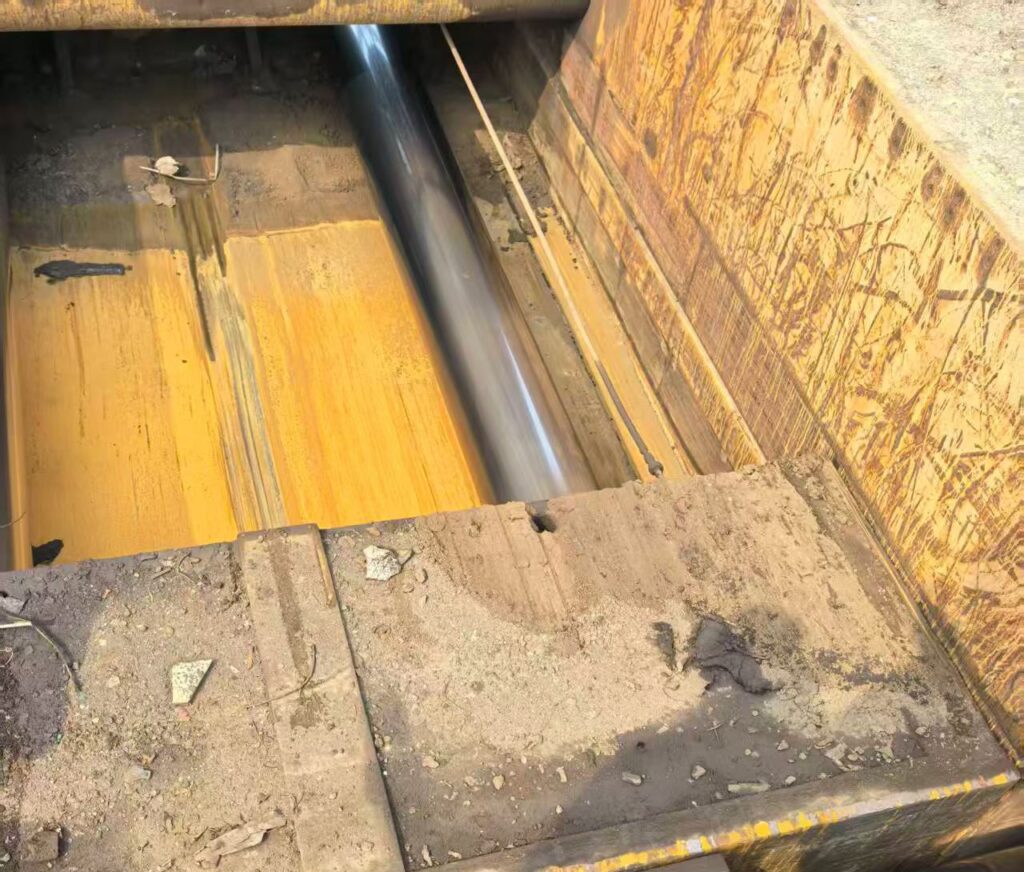
A Metal Baler is a specialized machine designed to compress and bundle scrap metal into compact, manageable blocks, commonly known as bales. These machines are widely used in industries like metal recycling, automotive, manufacturing, and construction, where large amounts of scrap metal accumulate daily. By compressing metal waste into dense bales, businesses can save storage space, reduce transportation costs, and improve recycling efficiency.
Metal balers come in various types, including horizontal, vertical, and hydraulic balers, each designed to handle different volumes and metal types. They are suitable for ferrous metals like steel, iron, and aluminum, as well as non-ferrous metals depending on the machine’s design and power.
Why You Need A Metal Baler
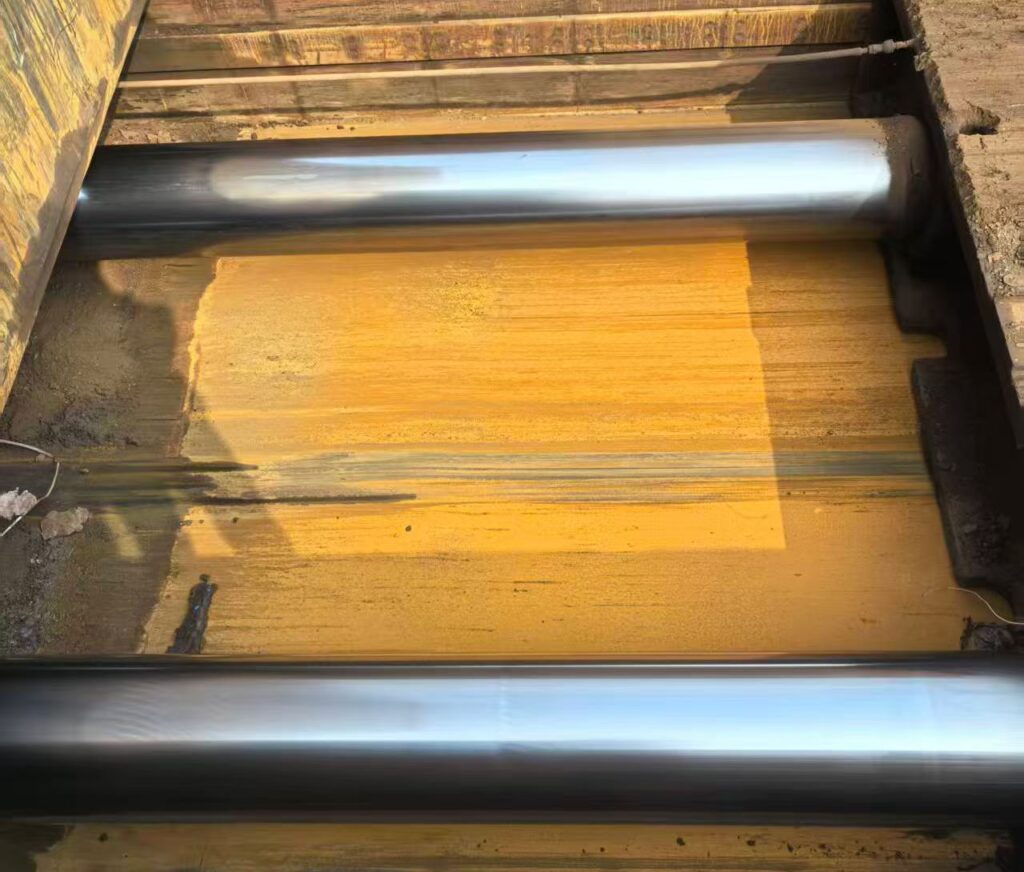
1. Efficient Space Management
Scrap metal can occupy significant storage space. By using a metal baler, you can compress tons of loose metal into compact blocks, freeing up warehouse or yard space.
2. Reduced Transportation Costs
Transporting loose metal is inefficient and costly. Baled metal is easier to handle, stack, and load, which reduces truck trips and fuel costs.
3. Improved Safety
Loose scrap metal can create safety hazards, such as sharp edges and heavy piles. Baling metals minimizes these risks by organizing materials into uniform blocks, making handling safer for workers.
4. Increased Recycling Efficiency
Metal recycling centers prefer uniform, dense bales because they simplify the sorting and melting process. Using a metal baler ensures that your scrap is ready for immediate processing, increasing its market value.
5. Environmentally Friendly
Baling metal helps reduce waste volume, optimize transport, and promote recycling, making your operations more eco-friendly.
How To Use A Metal Baler
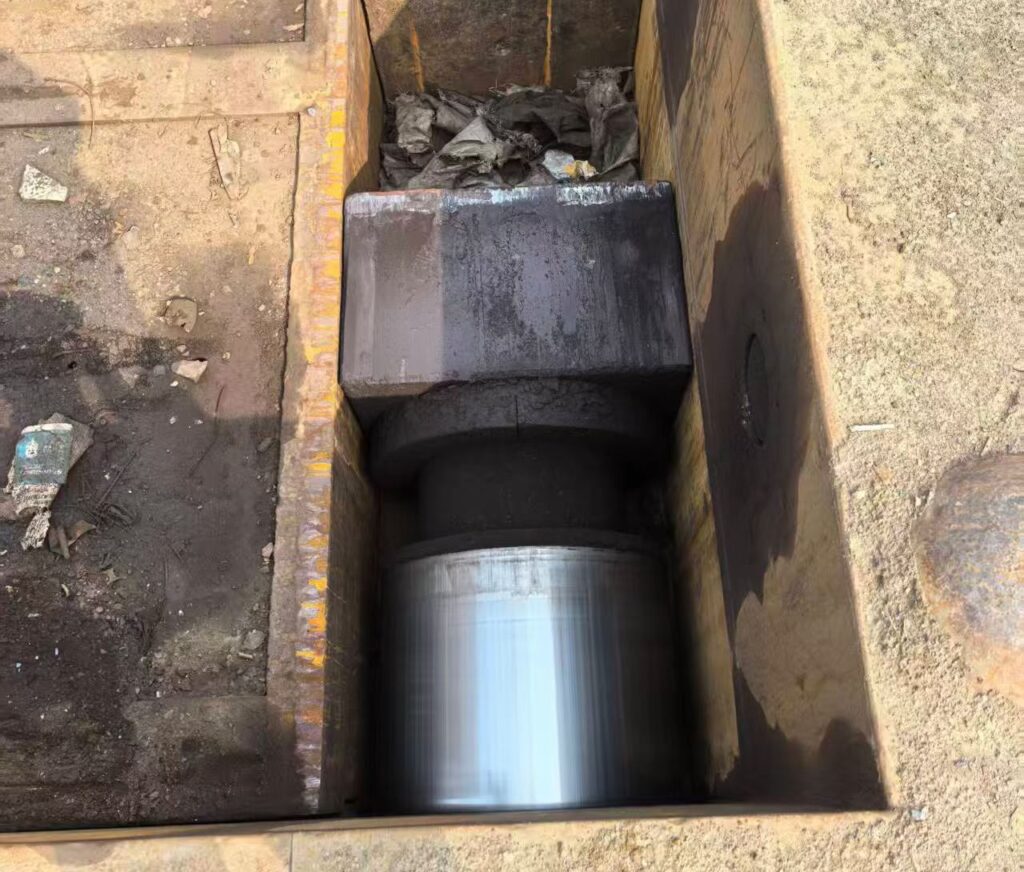
Using a metal baler safely and effectively requires proper training and understanding of the machine’s operations. Here’s a step-by-step guide:
Step 1: Prepare The Scrap Metal
-
Remove non-metallic contaminants, such as plastic, rubber, or wood.
-
Sort metals by type if necessary (ferrous vs non-ferrous).
Step 2: Feed The Machine
-
For vertical balers, manually or automatically feed metal into the chamber.
-
For horizontal balers, conveyors often feed the scrap continuously.
Step 3: Compression Process
-
Start the baling cycle using the control panel.
-
The hydraulic system will apply immense pressure to compress the metal.
-
Machines may have thick blades or rams for primary crushing and denser blades for fine compression.
Step 4: Binding The Bale
-
After compression, secure the bale using wire, steel straps, or automated tying systems.
-
Proper binding ensures the bale maintains its shape during storage and transport.
Step 5: Eject The Bale
-
Once tied, the machine ejects the bale onto the floor or conveyor.
-
The bale is now ready for storage, shipment, or recycling.
Safety Tips
-
Always wear protective equipment like gloves, goggles, and steel-toed boots.
-
Never place hands inside the baler while it is in operation.
-
Ensure the hydraulic system is properly maintained to prevent accidents.
Types Of Metal Balers
Choosing the right type of baler is essential for efficiency. Here are the most common types:
1. Vertical Metal Balers
-
Ideal for smaller scrap volumes.
-
Requires manual feeding, but takes up less floor space.
-
Often used for small workshops or recycling centers.
2. Horizontal Metal Balers
-
Designed for high-volume operations.
-
Features automatic feeding systems, such as conveyors.
-
Can handle large and irregularly shaped scrap metal.
-
Suitable for industrial scrap yards and manufacturing plants.
3. Hydraulic Metal Balers
-
Uses hydraulic pressure for maximum compression.
-
Can produce dense, uniform bales for easier transport.
-
Available in single-ram or dual-ram designs depending on the volume and pressure required.
Choosing The Right Metal Baler
Selecting the correct baler depends on your material type, volume, and budget. Consider the following factors:
1. Pressing Force
-
Measured in tons, this indicates how much pressure the machine can exert.
-
Higher force is needed for thick, heavy metals, while lighter metals require less.
2. Bale Size
-
Standard bale sizes range from 500mm to 1000mm or larger.
-
Smaller bales are easier to handle, while larger bales are more cost-efficient for transport.
3. Motor Power
-
Stronger motors allow for faster and more continuous operation.
-
Typical motor power ranges from 22 kW for small vertical balers to 110 kW or more for industrial horizontal machines.
4. Blade Thickness
-
Thicker blades are ideal for primary shredding.
-
Denser blades are used for fine compression, producing smaller, uniform bales.
5. Automation Features
-
Features like automatic feeding, hydraulic ejection, and automatic tying can increase productivity and reduce labor costs.
Benefits Of Investing In A Metal Baler
-
Cost Savings: Reduce transport and storage expenses.
-
Enhanced Productivity: Faster handling and processing of scrap metal.
-
Improved Safety: Minimize workplace hazards associated with loose scrap.
-
Environmental Compliance: Promote recycling and reduce landfill usage.
-
Increased Profitability: Higher-quality, uniform bales fetch better prices at recycling centers.
Conclusion
A metal baler is an indispensable tool for any company dealing with scrap metal. Whether you are running a small recycling workshop or a large industrial plant, investing in the right baler will improve efficiency, safety, and profitability. By understanding what a baler is, why it is needed, and how to operate it, along with choosing the correct type and specifications, you can make a smart investment that maximizes your metal recycling operations.