
What Is A Waste Paper Baler?
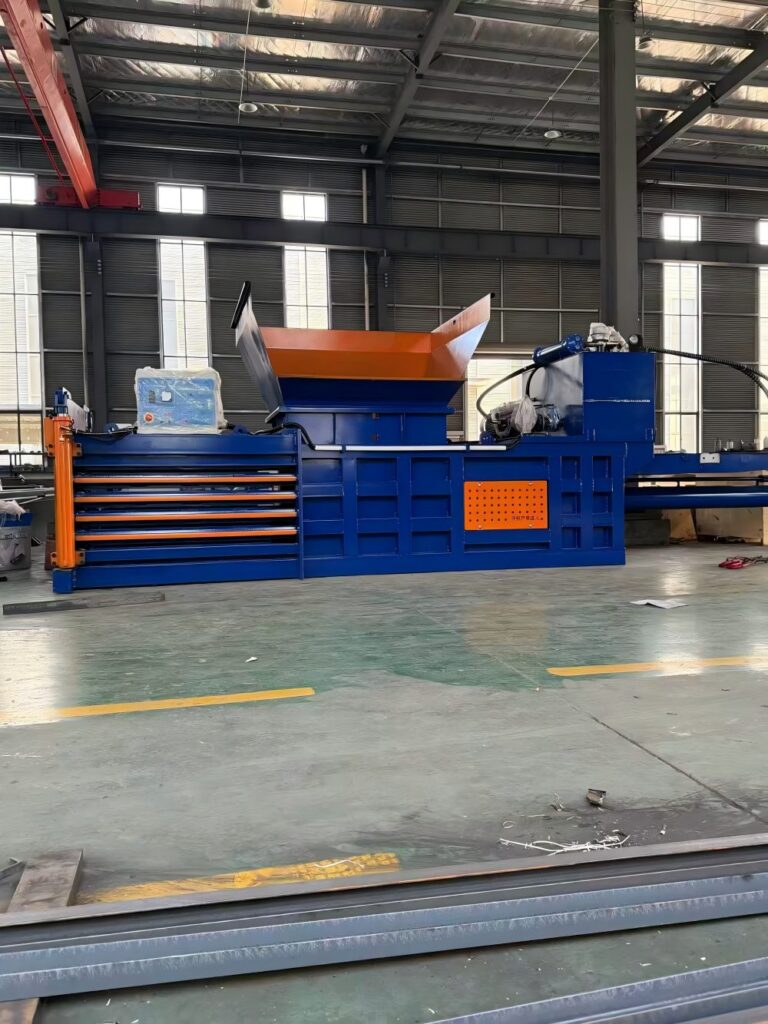
A waste paper baler is a recycling machine that compresses loose paper materials into dense, compact blocks called bales. The machine uses hydraulic pressure to compress materials such as cardboard, newspapers, office paper, and packaging waste.
Once compressed, the paper is tied with wires or straps to maintain its shape, making it easier to store, transport, and sell to recycling companies.
Waste paper balers come in different types and sizes to suit different industries and operational requirements.
Common Types Of Waste Paper Balers
Vertical Waste Paper Baler
Vertical balers are the most common type used by small and medium-sized businesses. They are compact, easy to operate, and suitable for locations with limited space.
These machines are widely used in:
-
Supermarkets
-
Retail stores
-
Printing shops
-
Warehouses
-
Small recycling stations
Vertical balers are ideal for handling moderate volumes of paper waste.
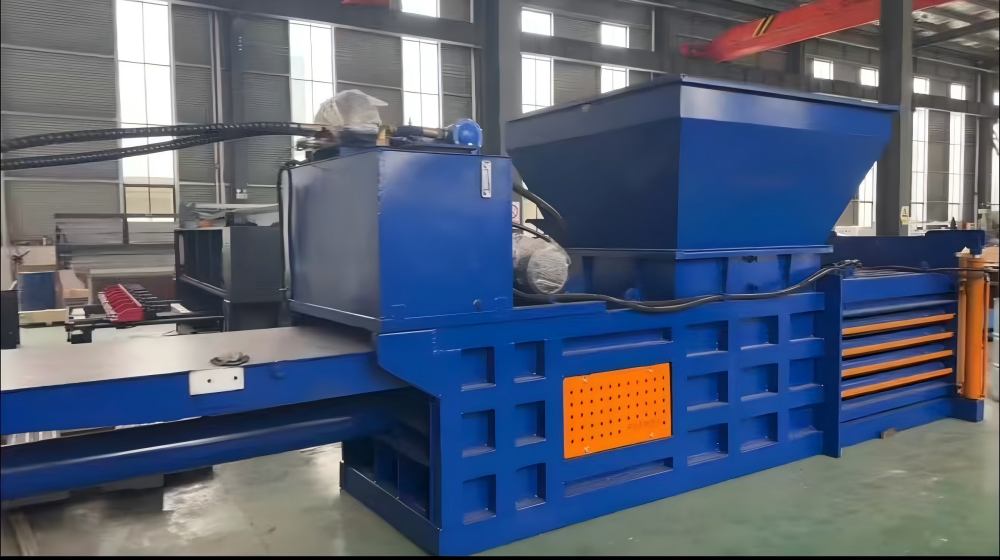
Horizontal Waste Paper Baler
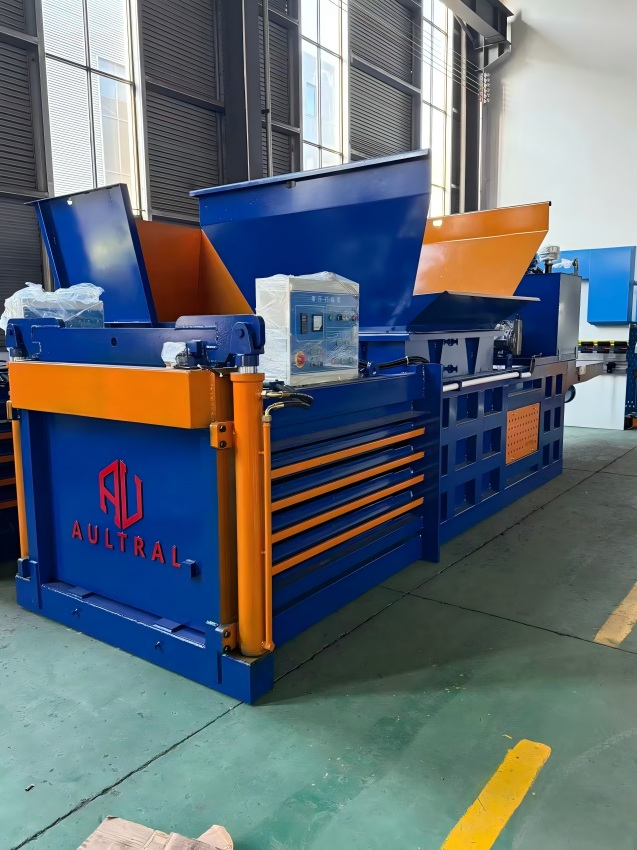
Horizontal balers are designed for larger operations that generate significant amounts of paper waste. These machines are typically fully automatic or semi-automatic and can process materials continuously.
They are commonly used in:
-
Recycling plants
-
Paper mills
-
Distribution centers
-
Large manufacturing facilities
Horizontal balers provide higher efficiency and productivity compared to vertical models.
Why Is A Waste Paper Baler Important?
1. Save Storage Space
Loose waste paper takes up a large amount of space. By compressing paper into dense bales, a waste paper baler significantly reduces the storage area required.
This is especially important for businesses that produce large quantities of cardboard or packaging materials daily.
2. Reduce Transportation Costs
Transportation costs in recycling operations often depend on volume rather than weight. Compressed bales allow more material to be transported in a single shipment, reducing logistics expenses.
As a result, companies can lower their overall operating costs while improving efficiency.
3. Improve Workplace Safety
Loose paper waste can create clutter and increase the risk of workplace accidents. Stacks of cardboard boxes and paper materials can easily fall and cause injuries.
By using a waste paper baler, businesses can keep work areas clean and organized, creating a safer environment for employees.
4. Increase Recycling Value
Compressed paper bales are easier for recycling facilities to handle and process. Many recycling companies prefer to purchase waste paper in baled form because it simplifies transportation and storage.
This means businesses can often receive better prices for their recyclable materials.
5. Support Environmental Protection
Recycling paper helps reduce deforestation, conserve natural resources, and decrease landfill waste. A waste paper baler makes the recycling process more efficient and encourages responsible waste management.
By investing in a baler, companies demonstrate their commitment to environmental sustainability.
How To Use A Waste Paper Baler
Operating a waste paper baler is relatively simple, but it is important to follow proper procedures to ensure safety and efficiency.
Step 1: Prepare The Materials
Before loading the machine, collect and sort the paper waste. Remove any materials that cannot be compressed, such as metal objects, plastic containers, or large rigid items.
Proper material preparation helps prevent machine damage and ensures high-quality bales.
Step 2: Load The Paper Into The Chamber
Open the loading door of the baler and place the paper waste into the compression chamber. Distribute the materials evenly to achieve uniform compression.
Avoid overloading the chamber, as this may affect the performance of the machine.
Step 3: Start The Compression Process
Close the door securely and start the hydraulic system. The pressing plate will move downward and compress the materials using powerful hydraulic pressure.
Depending on the machine model, the compression cycle may take several seconds to a few minutes.
Step 4: Tie The Bale
After the materials are fully compressed, use steel wires or plastic straps to tie the bale. This step ensures that the bale maintains its shape after being removed from the chamber.
Most machines include slots that allow wires to pass through easily.
Step 5: Eject The Bale
Once the bale is securely tied, use the bale ejection system to push the compressed block out of the chamber.
The finished bale can then be transported to a storage area or loaded for recycling.