
Waste paper recycling has become a key part of modern waste management. From cardboard boxes and office paper to newspapers and packaging materials, businesses generate huge volumes of paper waste every day. Without proper processing, this waste can quickly take up valuable space and increase transportation costs.
One of the most efficient solutions for handling large volumes of recyclable paper is the Horizontal Waste Paper Baler. This powerful machine compresses loose paper materials into dense, compact bales that are easy to store, transport, and sell to recycling facilities.
In this article, we will explore what a horizontal waste paper baler is, why it is important, how to use it, and how to choose the right model for your business.
What Is A Horizontal Waste Paper Baler
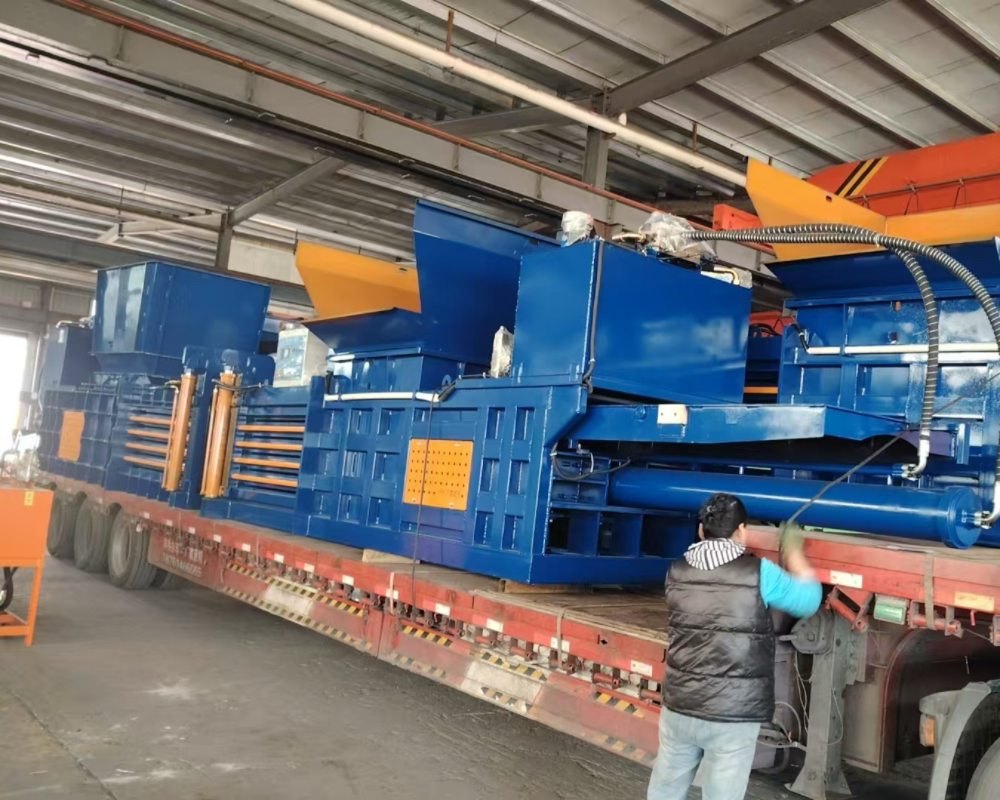
A Horizontal Waste Paper Baler is an industrial machine designed to compress loose waste paper into tightly packed rectangular bales. The machine uses a hydraulic system to apply strong pressure, significantly reducing the volume of paper materials.
Unlike vertical balers that require manual feeding from the top, horizontal balers typically feature automatic or semi-automatic feeding systems, often connected with conveyors. This allows continuous feeding and makes them ideal for high-volume operations.
Common materials processed by horizontal waste paper balers include:
-
Cardboard boxes (OCC)
-
Newspapers
-
Office paper
-
Carton packaging
-
Paperboard
-
Paper mill scraps
-
Printed materials
-
Packaging paper
After compression, the machine ties the bale with steel wire or plastic straps, producing dense blocks that can weigh anywhere from 200 kg to over 1000 kg depending on the model.
Because of their efficiency and automation, horizontal balers are widely used in:
-
Recycling centers
-
Waste management facilities
-
Supermarkets and retail chains
-
Warehouses and logistics hubs
-
Printing houses
-
Paper mills
-
Packaging factories
Simply put, a horizontal waste paper baler transforms messy paper waste into valuable recyclable resources.
Why Businesses Need A Horizontal Waste Paper Baler
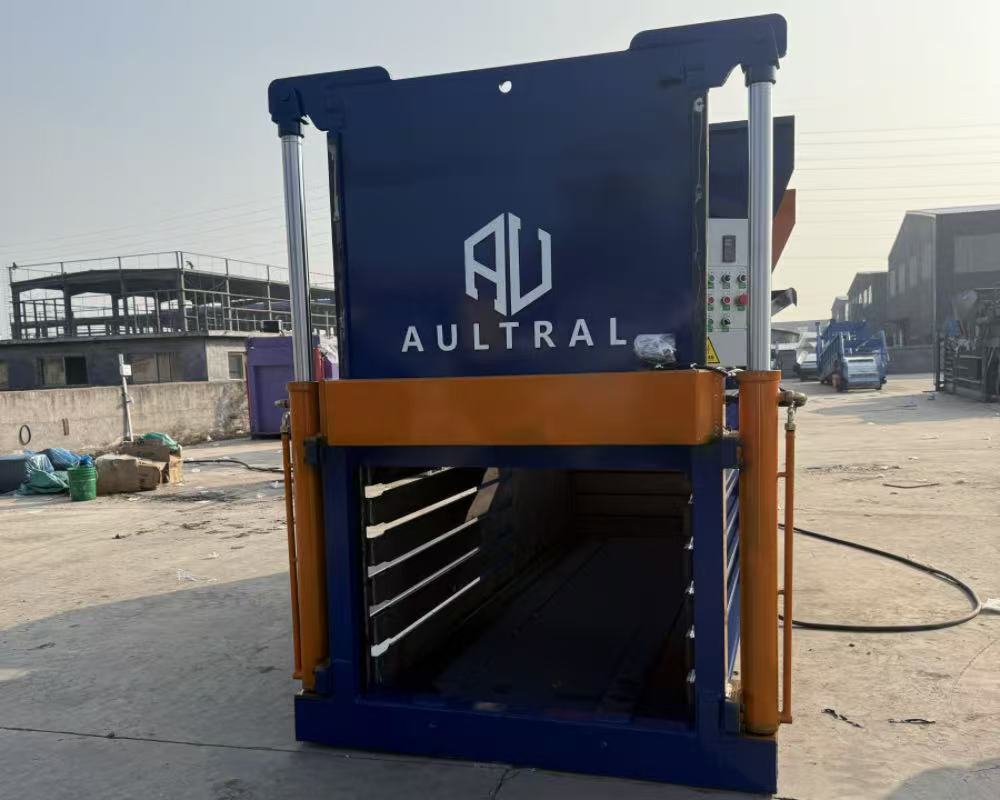
Many companies underestimate the hidden costs of waste paper. Loose cardboard and paper take up large storage areas and require frequent transportation. A horizontal baler solves these problems while creating new revenue opportunities.
1. Dramatically Reduce Waste Volume
Loose paper occupies a lot of space. After compression with a horizontal baler, the volume can be reduced by up to 90%. This means businesses can store far more recyclable materials in the same area.
Less volume also means fewer transportation trips, which directly lowers logistics costs.
2. Improve Recycling Efficiency
Recycling facilities prefer receiving materials in dense bales rather than loose waste. Baled paper is easier to handle, load, stack, and process.
Companies using balers can sell their waste paper more easily and sometimes at higher recycling prices.
3. Save Labor Costs
Manual handling of large amounts of waste paper is time-consuming and inefficient. Horizontal balers often support:
-
Conveyor feeding
-
Automatic compression cycles
-
Automatic bale tying
-
Continuous operation
This reduces labor requirements and increases productivity.
4. Keep Workplaces Clean And Organized
Loose waste paper can create messy working environments and even fire hazards. Baling machines help maintain clean, safe, and organized workplaces.
5. Support Environmental Sustainability
Recycling paper reduces deforestation, energy consumption, and landfill waste. By using a horizontal waste paper baler, businesses actively contribute to environmental protection while improving their operational efficiency.
How A Horizontal Waste Paper Baler Works
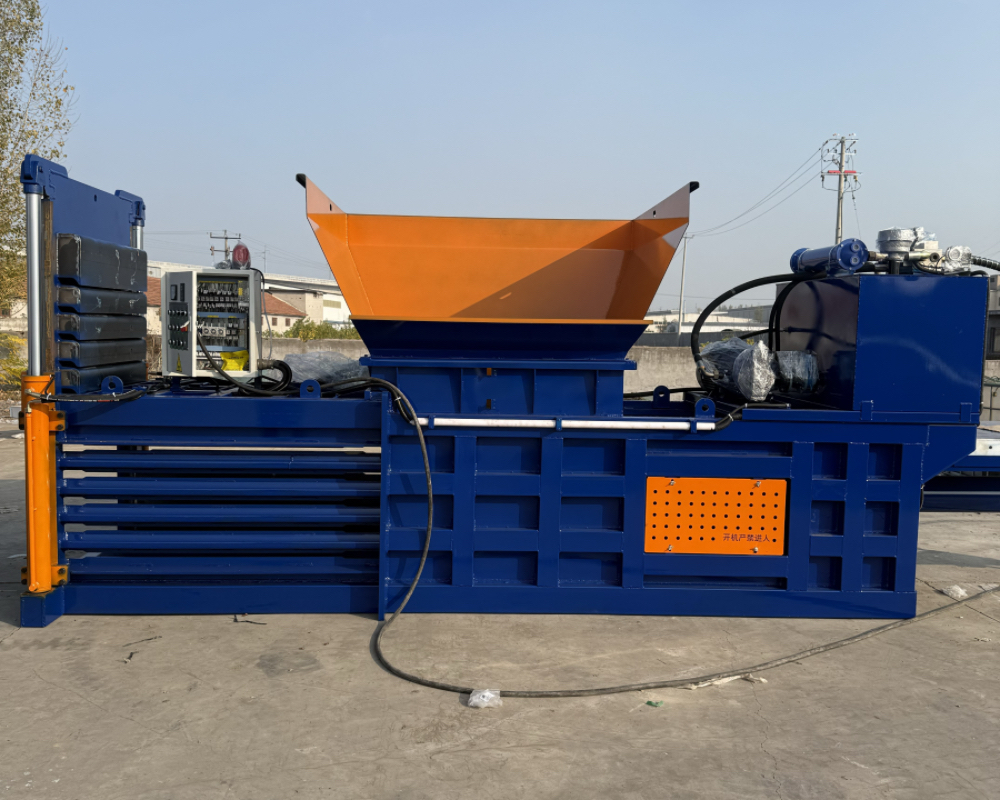
Although these machines look complex, their working principle is relatively straightforward.
The process typically involves several steps.
1. Feeding The Waste Paper
Waste paper is fed into the baler through a feeding hopper. In many industrial systems, conveyors transport materials directly from sorting lines into the machine.
2. Hydraulic Compression
Once enough material enters the compression chamber, a powerful hydraulic cylinder pushes a press plate forward. The paper is compressed tightly inside the chamber.
This compression process can repeat multiple times to increase bale density.
3. Bale Formation
As more paper is compressed, the material gradually forms a dense rectangular block inside the bale chamber.
4. Bale Tying
When the bale reaches the preset size or weight, the operator ties it using steel wires or plastic straps.
Some advanced models offer automatic tying systems.
5. Bale Ejection
Finally, the finished bale is pushed out of the machine and moved to storage or transportation areas.
This continuous process allows horizontal balers to handle large volumes of waste paper efficiently.
How To Use A Horizontal Waste Paper Baler Safely
Operating a horizontal baler requires proper training and safety awareness. While the machine is highly efficient, incorrect operation can cause damage or accidents.
Here are the basic operating steps.
1. Inspect The Machine Before Operation
Before starting the machine, operators should check:
-
Hydraulic oil levels
-
Electrical connections
-
Wire tying materials
-
Safety guards and emergency stop buttons
Regular inspections help prevent unexpected downtime.
2. Start The System
Turn on the control panel and start the hydraulic system. Most modern balers feature PLC control systems, allowing easy operation.
3. Feed Waste Paper Continuously
Load paper materials into the hopper. Avoid feeding oversized materials or foreign objects such as metal pieces.
Uniform feeding improves compression efficiency.
4. Monitor The Compression Process
Operators should observe the compression cycles and ensure the machine runs smoothly.
If abnormal noise or vibration occurs, stop the machine immediately.
5. Tie And Remove The Bale
Once the bale is formed, tie it securely with wire or straps. Then remove the bale using forklifts or bale ejectors.
6. Perform Regular Maintenance
Daily maintenance includes:
-
Cleaning the chamber
-
Lubricating moving parts
-
Checking hydraulic pressure
-
Inspecting cutting blades
Proper maintenance significantly extends the machine’s lifespan.
How To Choose The Right Horizontal Waste Paper Baler
Choosing the right baler is crucial for maximizing efficiency and return on investment. Businesses should consider several key factors before purchasing a machine.
1. Daily Processing Capacity
The first question to ask is:
How much waste paper do you generate per day?
Different balers handle different capacities.
Typical ranges include:
-
Small models: 1–3 tons/day
-
Medium models: 5–10 tons/day
-
Large industrial models: 20+ tons/day
Selecting a machine with the correct capacity prevents production bottlenecks.
2. Bale Size And Weight
Bale size determines storage and transportation efficiency.
Common bale sizes include:
-
800 × 800 mm
-
1100 × 1100 mm
-
1100 × 1250 mm
Heavier bales are preferred by recycling facilities, but they require stronger machines and forklifts.
3. Automation Level
Horizontal balers are available in different automation levels.
Semi-Automatic Balers
-
Manual wire tying
-
Lower cost
-
Suitable for medium operations
Fully Automatic Balers
-
Automatic tying
-
Continuous operation
-
Higher efficiency for large recycling plants
Businesses with high waste volumes should consider fully automatic systems.
4. Hydraulic Pressure
Compression force determines bale density.
Common pressure ranges:
-
60 tons
-
80 tons
-
100 tons
-
120 tons or more
Higher pressure produces denser bales and better transportation efficiency.
5. Machine Durability
Look for machines with:
-
Thick steel plates
-
Reinforced compression chambers
-
Reliable hydraulic components
-
Well-known electrical brands
A durable machine reduces maintenance costs and ensures long-term stability.
6. Manufacturer Support
Reliable suppliers provide:
-
Installation guidance
-
Operator training
-
Spare parts supply
-
Technical support
Working with experienced manufacturers ensures smooth long-term operation.
Future Trends In Waste Paper Baling Technology
As recycling industries evolve, horizontal waste paper balers are becoming more advanced.
Modern machines now include:
-
Intelligent PLC control systems
-
Remote monitoring capabilities
-
Energy-efficient hydraulic systems
-
Fully automatic tying technologies
-
Integration with sorting and conveyor systems
These innovations help recycling facilities achieve higher efficiency, lower labor costs, and smarter waste management.
Conclusion
The Horizontal Waste Paper Baler has become an essential machine in modern recycling operations. By compressing loose paper into compact, transportable bales, businesses can dramatically reduce waste volume, lower logistics costs, and improve recycling efficiency.
From warehouses and supermarkets to large recycling centers, this powerful machine transforms paper waste into a valuable recyclable resource.
When choosing a horizontal baler, companies should carefully consider processing capacity, bale size, automation level, hydraulic pressure, and manufacturer support.
With the right machine, businesses can not only improve operational efficiency but also contribute to a more sustainable and environmentally friendly future.