
In today’s world, waste management and recycling have become critical aspects of sustainability, especially in industries such as paper production, retail, and manufacturing. The need for efficient waste processing has led to the development of various machines, including horizontal fully automatic waste paper balers. These machines are designed to compact and bundle waste paper into manageable bales, making the recycling process more efficient, cost-effective, and environmentally friendly.
A horizontal fully automatic waste paper baler is an advanced machine that automatically compresses waste paper into tightly packed bales, which are easier to store and transport. Unlike manual or semi-automatic balers, the horizontal fully automatic variant eliminates the need for constant human intervention, improving the efficiency and consistency of the baling process. This guide will provide an in-depth look at horizontal fully automatic waste paper balers, explaining what they are, why they are necessary, how to use them, and how to select the right model for your needs.
What is a Horizontal Fully Automatic Waste Paper Baler?
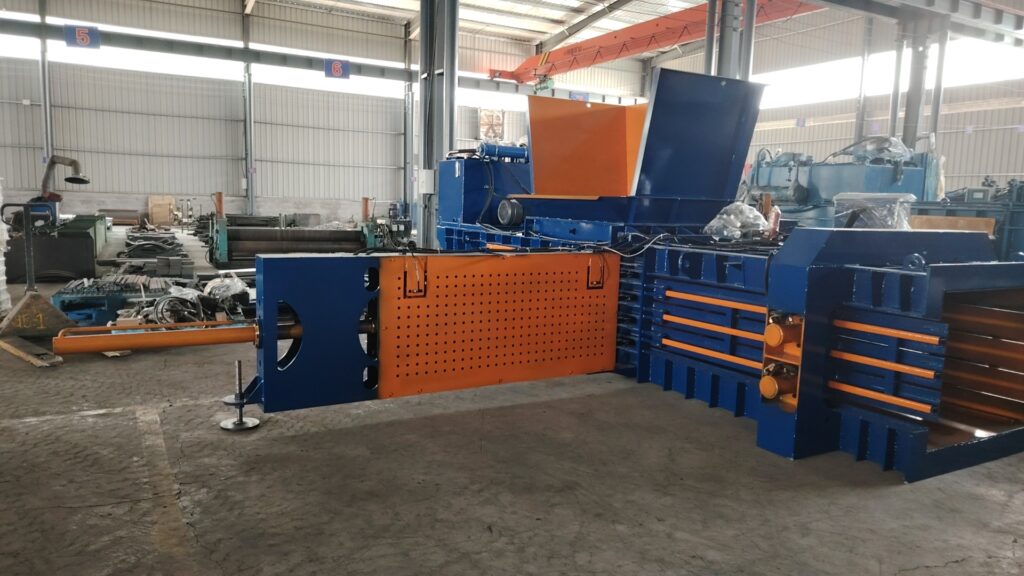
A horizontal fully automatic waste paper baler is an industrial machine used to compact waste paper and cardboard into neatly bundled bales. These bales can be stacked and stored for easy transportation to recycling facilities. The “horizontal” design refers to the orientation of the baler, where waste materials are fed into the machine horizontally, rather than vertically, which allows for more continuous processing in high-volume environments.
The fully automatic aspect means the machine is capable of performing all steps of the baling process without manual intervention. Once the waste paper is loaded into the machine, it is automatically compacted, bound with strapping material, and ejected as a compact bale. This fully automated process significantly reduces labor costs, enhances safety, and increases operational efficiency.
Why Do You Need a Horizontal Fully Automatic Waste Paper Baler?
-
Efficiency and Speed:
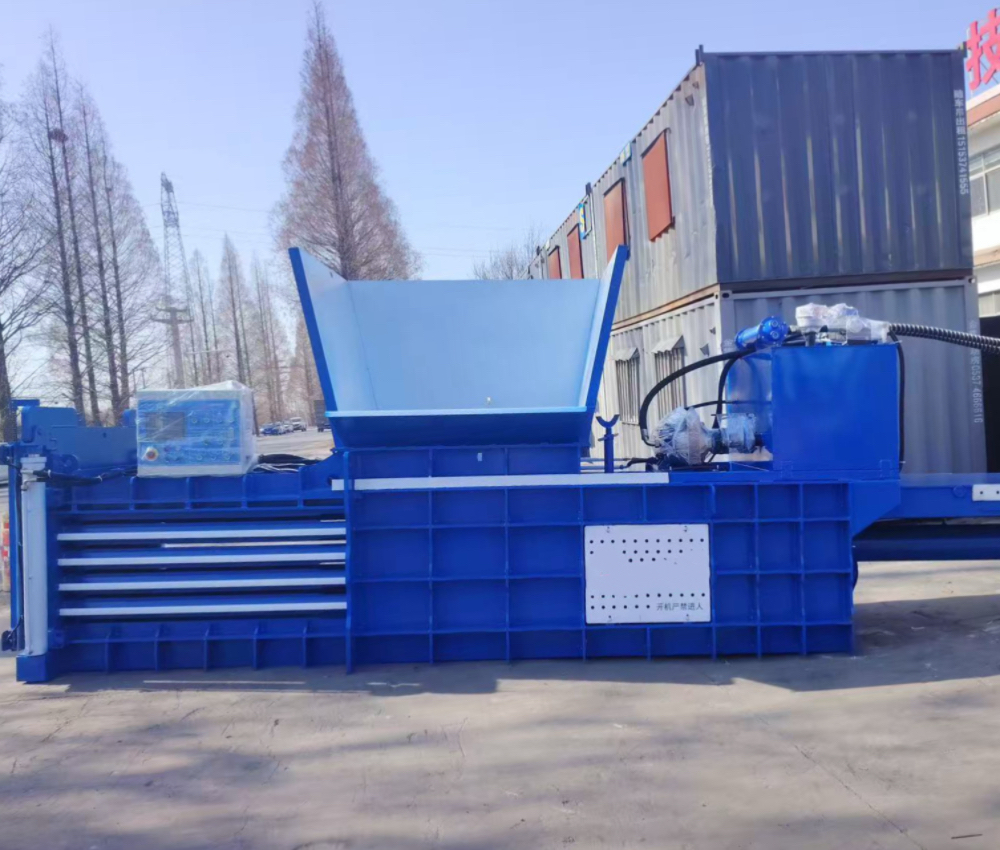
Horizontal fully automatic waste paper balers are designed for high efficiency. These machines can handle large volumes of waste paper quickly, which is crucial in industries that generate significant amounts of waste. By automating the process, these machines can operate continuously, reducing downtime and increasing throughput. -
Cost-Effective:
Automating the waste paper baling process reduces the need for labor, leading to cost savings. Since the machine can perform multiple tasks such as compacting, strapping, and ejecting bales without human intervention, businesses can allocate resources elsewhere, resulting in a more cost-effective operation. -
Consistency and Quality:
One of the key benefits of using a horizontal fully automatic waste paper baler is the consistent quality of the bales produced. The machine can precisely control the compacting pressure and strap tension, ensuring uniformity in size and weight. This consistency makes it easier for recycling companies to handle the bales and reduces the risk of rejection due to improper bundling. -
Space-Saving:
Horizontal balers, unlike vertical models, are designed to process large quantities of material horizontally, making them ideal for factories, warehouses, and other facilities with limited space. These machines are often designed with compact footprints, so they fit into smaller spaces without sacrificing performance. -
Environmental Benefits:
With increasing awareness about environmental responsibility, recycling waste paper has become a major focus in many industries. By using a fully automatic baler, businesses contribute to reducing paper waste and promoting sustainable practices. Properly compacted bales are easier to store, transport, and recycle, making the entire process more environmentally friendly.
How to Use a Horizontal Fully Automatic Waste Paper Baler
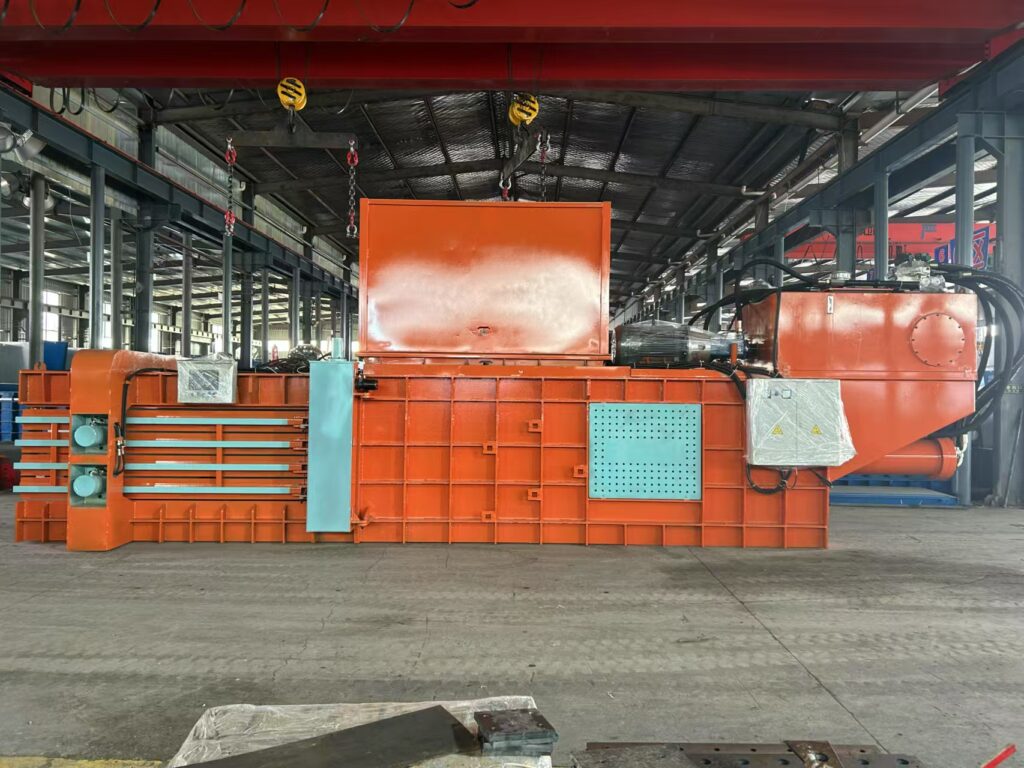
Operating a horizontal fully automatic waste paper baler is relatively simple, but it’s important to follow the manufacturer’s instructions for optimal performance. Here’s a general step-by-step guide to using the machine:
-
Setup and Initialization:
Begin by positioning the baler in the desired location on the production floor. Ensure there is sufficient space for both the loading area and the ejection area. Connect the machine to the power supply, and check that all systems are functional, including the hydraulic system and the control panel. -
Feeding the Waste Paper:
Waste paper or cardboard is loaded into the baler’s feed chute, typically using a conveyor system. The machine’s automatic feed system detects the paper and pulls it into the compression chamber. It’s important to ensure that the material is evenly distributed to prevent jams and ensure efficient compaction. -
Compression:
The horizontal baler uses a powerful hydraulic system to compress the waste paper into a compact form. The machine applies high pressure to the waste material, reducing its volume and making it easier to handle. -
Strapping:
Once the waste paper is compressed into a bale, the machine automatically applies straps around the bale to keep it tightly secured. The strapping material is typically made of steel, plastic, or polyester, depending on the specific requirements of the operation. -
Ejection:
After the bale is securely strapped, the horizontal baler ejects it onto the collection area or conveyor belt for further processing or storage. The machine is ready to begin the next cycle as soon as the bale is removed. -
Regular Maintenance:
Routine maintenance is essential for keeping the machine running smoothly. This includes cleaning the feed chute, checking hydraulic oil levels, inspecting the strapping mechanism, and ensuring the machine is free of any paper debris that could cause malfunctions.
How to Choose the Right Horizontal Fully Automatic Waste Paper Baler
Selecting the right model of horizontal fully automatic waste paper baler requires careful consideration of several factors to ensure the machine meets your production needs. Here are the most important factors to keep in mind:
-
Capacity and Throughput:
The first thing to consider when selecting a baler is its capacity. Different models have varying throughput capacities, measured in tons per hour or bales per day. If your facility generates a large amount of waste paper, you’ll need a baler with a higher throughput capacity. Choose a machine that matches your production volume to avoid bottlenecks and downtime. -
Bale Size and Weight:
Horizontal fully automatic balers can produce bales in various sizes and weights. Some models allow for adjustable bale sizes, which is beneficial if you have a variety of waste materials to process. Be sure to select a baler that can produce the right size and weight of bales that will be accepted by your recycling facility. -
Strapping Type:
The type of strapping material used by the machine is another important consideration. Most horizontal balers use either plastic or steel strapping, with steel straps offering more strength for heavier materials. Ensure that the strapping system is compatible with the type of waste paper you’re processing and that it meets your operational requirements. -
Energy Efficiency:
Horizontal fully automatic waste paper balers are heavy-duty machines that require a significant amount of power to operate. Look for models that offer energy-saving features, such as variable-speed motors or automatic shutdowns when not in use. These features help reduce energy consumption and lower operating costs. -
Ease of Use and Maintenance:
Choose a baler that is easy to operate, with a user-friendly control panel. Look for machines with automatic diagnostics and self-cleaning functions to minimize downtime and ensure easy maintenance. Additionally, consider the availability of spare parts and after-sales service to ensure that any issues can be addressed promptly. -
Space Considerations:
Depending on your available floor space, choose a baler with a suitable size and footprint. Horizontal balers are generally more compact than vertical models, but they still vary in size. Ensure that the machine fits within the designated area without obstructing other workflows. -
Price and Warranty:
Finally, consider the cost of the machine, including any additional costs for installation, training, and ongoing maintenance. While a horizontal fully automatic waste paper baler is an investment, it’s essential to select a model that fits your budget. Also, check the warranty period and support services provided by the manufacturer to ensure long-term reliability.
Conclusion: The Value of Investing in a Horizontal Fully Automatic Waste Paper Baler
Horizontal fully automatic waste paper balers are invaluable tools for industries looking to improve their waste management processes. These machines increase efficiency, reduce labor costs, ensure consistent bale quality, and contribute to environmental sustainability. By understanding the key features, benefits, and factors to consider when selecting a baler, you can ensure that your investment enhances both your operational efficiency and bottom line. With the right model, a horizontal fully automatic waste paper baler will be an essential component of your waste processing and recycling efforts.