
Introduction
In today’s fast-paced industrial world, efficiency, sustainability, and cost-effectiveness are more important than ever. One machine that plays a crucial role in achieving these goals is the Horizontal Fully Automatic Baler. Designed to compress recyclable materials such as cardboard, paper, plastics, and metals into compact bales, this machine helps factories, warehouses, and recycling centers save space, reduce transportation costs, and improve overall operational efficiency.
In this article, we will explore what a horizontal fully automatic baler is, why it is essential for modern industries, how it works, and provide a guide on selecting the right model for your needs.
What Is A Horizontal Fully Automatic Baler?
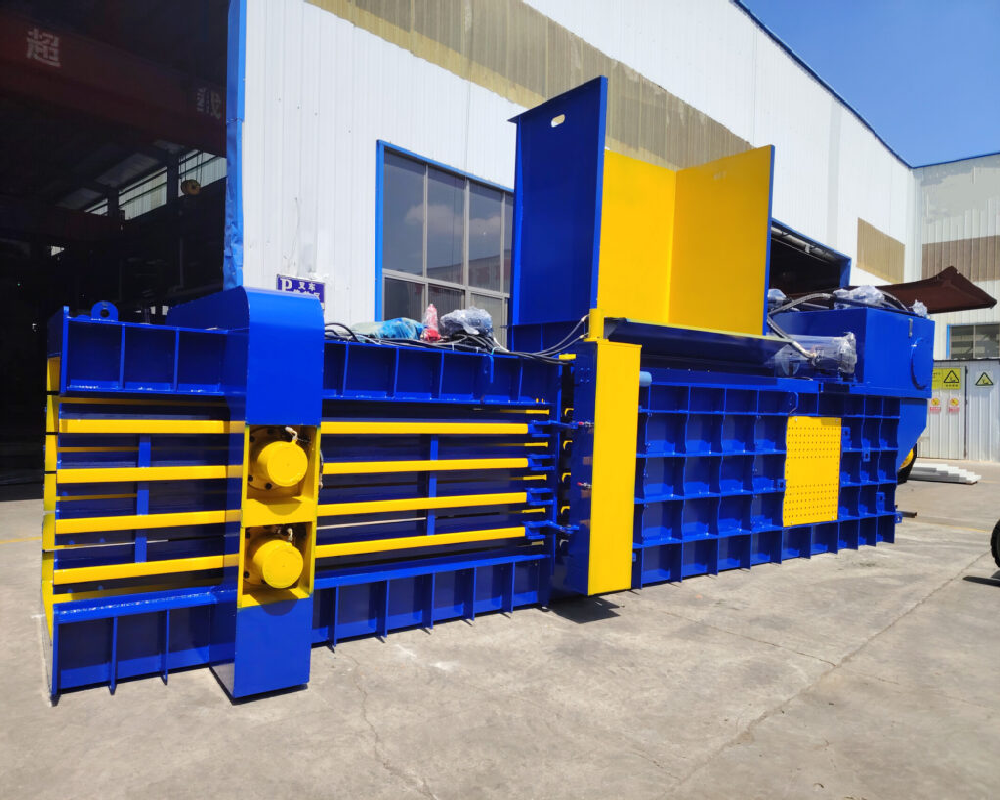
A Horizontal Fully Automatic Baler is an industrial machine that compresses loose materials into uniform, manageable bales. Unlike vertical balers, which typically require manual feeding and are better suited for smaller volumes, horizontal balers automate the entire baling process and handle large quantities continuously.
Key Features Include:
-
Automatic Feeding System: Materials are automatically loaded into the compression chamber.
-
Hydraulic Compression: Powerful hydraulic cylinders compress the materials into dense bales.
-
Automatic Tying: Modern models automatically tie the bales with wire or straps, reducing labor.
-
Continuous Operation: Capable of processing large volumes efficiently without frequent interruptions.
These features make horizontal fully automatic balers indispensable for businesses dealing with high-volume waste materials.
Why Use A Horizontal Fully Automatic Baler?
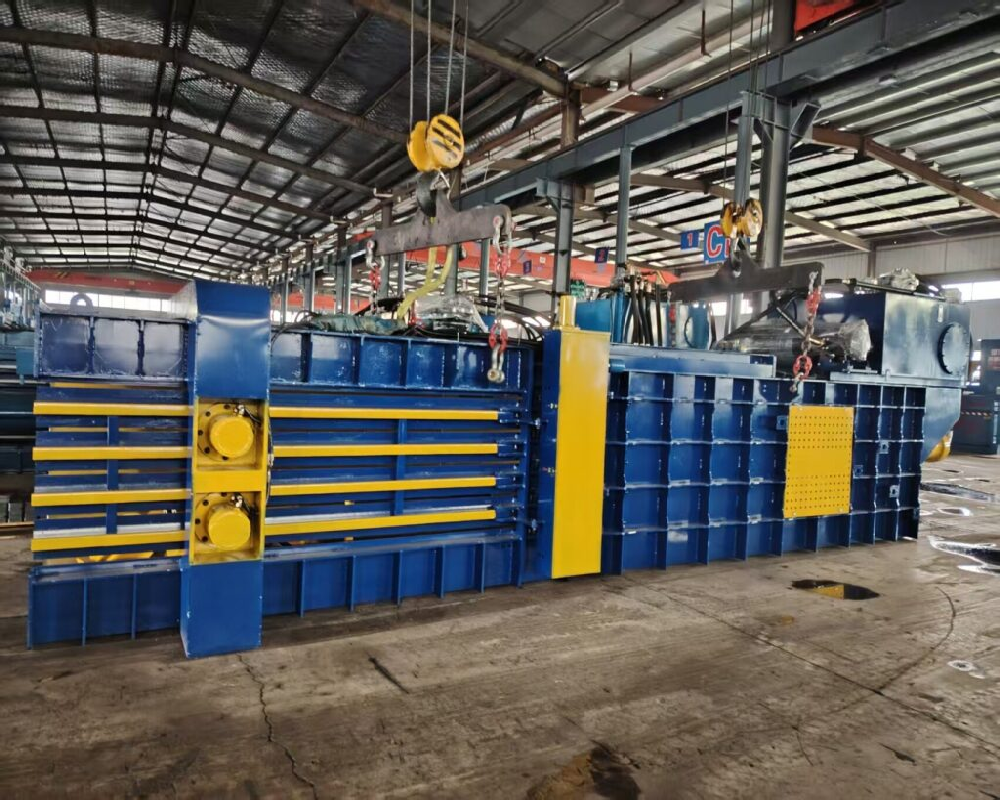
There are multiple reasons why investing in a horizontal fully automatic baler is a smart choice for modern industries:
1. Space Saving
Loose waste materials like cardboard, plastics, or scrap metal take up a significant amount of warehouse space. By compressing these materials into compact bales, businesses can optimize storage space and reduce clutter.
2. Reduced Transportation Costs
Compact bales mean fewer trips and lower fuel costs when transporting waste to recycling facilities. This reduction in logistics expenses can significantly improve operational efficiency.
3. Environmental Benefits
Recycling and proper waste management reduce landfill usage and minimize environmental impact. Using a horizontal baler ensures that materials are efficiently prepared for recycling, contributing to sustainability goals.
4. Labor Efficiency
Manual baling is labor-intensive and time-consuming. Fully automatic balers handle feeding, compressing, and tying automatically, freeing up staff to focus on other tasks.
5. Enhanced Safety
Modern horizontal balers are equipped with safety features such as emergency stops, sensors, and protective covers. This reduces the risk of accidents compared to manual baling processes.
How Does A Horizontal Fully Automatic Baler Work?
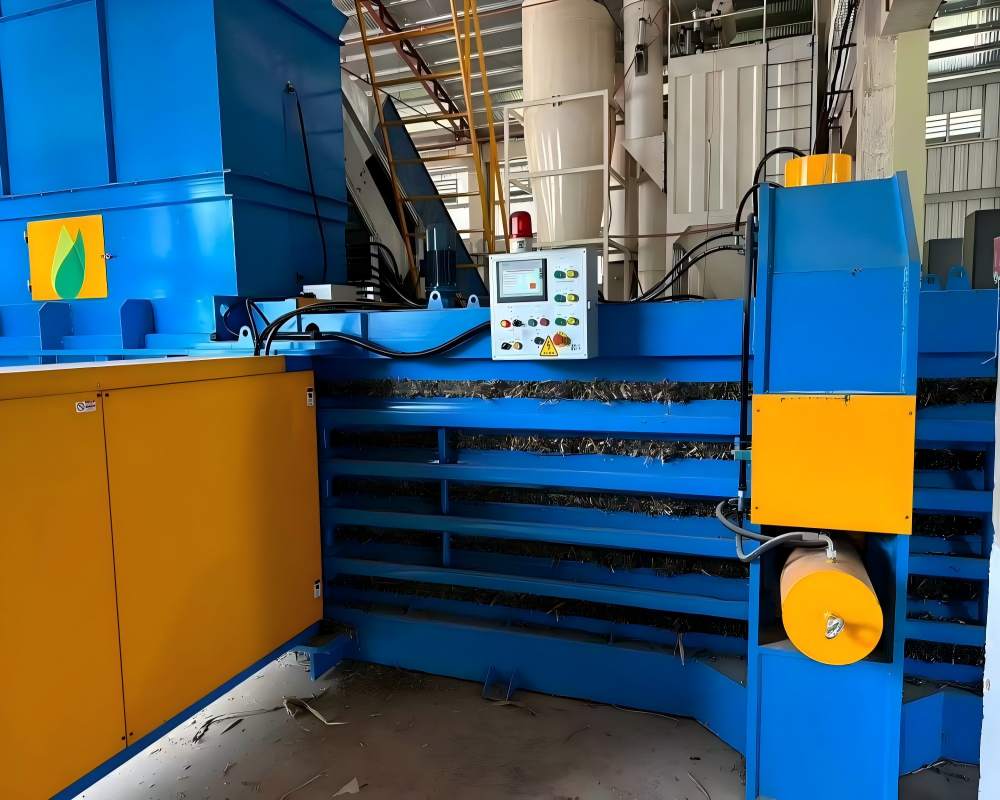
Understanding the working process helps operators maximize efficiency and lifespan of the machine. Here’s a step-by-step guide:
Step 1: Loading Materials
Materials such as cardboard, plastics, or metal scrap are fed into the machine via a conveyor belt or hopper. The automatic feeding system ensures a steady flow without manual intervention.
Step 2: Compression
Once loaded, hydraulic cylinders apply pressure to compress the materials into dense, uniform bales. Operators can adjust the pressure based on the material type to ensure optimal bale density.
Step 3: Tying
After compression, the machine automatically ties the bale using wire or straps. This step eliminates manual labor and ensures that bales remain intact during transportation.
Step 4: Ejection
The completed bale is ejected from the machine, ready for storage or transport. The system then resets to process the next batch of materials.
Step 5: Continuous Operation
Horizontal fully automatic balers are designed for continuous operation. Sensors monitor material levels and machine status, ensuring minimal downtime and consistent performance.
How To Choose The Right Horizontal Fully Automatic Baler
Selecting the right baler for your business is critical. Here are some key factors to consider:
1. Material Type
Different balers are designed for specific materials. Cardboard, paper, plastics, and metals vary in density and compressibility. Ensure the baler you choose is suitable for your primary material.
2. Production Capacity
Estimate your daily or weekly waste volume. Baler capacities are usually measured in tons per hour. Choosing a machine that meets your throughput ensures efficient operation without bottlenecks.
3. Bale Size And Weight
Bale dimensions and weight affect storage, transportation, and handling. Consider your warehouse space, truck capacity, and manual handling capabilities when selecting bale size.
4. Automation Level
Fully automatic balers offer maximum efficiency but may come at a higher upfront cost. Semi-automatic models may be suitable for smaller operations or lower budgets. Evaluate the trade-offs between automation and cost.
5. Power And Hydraulic System
Hydraulic pressure determines bale density. Higher pressure is needed for dense materials like metal or hard plastics, while lower pressure works for lightweight materials like cardboard.
6. Safety Features
Check for safety standards such as emergency stops, protective guards, and sensor-based automation. Ensuring safety protects your staff and reduces downtime due to accidents.
7. Maintenance And Service
Choose a manufacturer with reliable service and easy access to spare parts. Regular maintenance is essential to keep the baler running efficiently and extend its lifespan.
Benefits Summary
A horizontal fully automatic baler is a powerful investment for any business handling large volumes of recyclable or waste materials. It:
-
Saves storage space
-
Reduces transportation costs
-
Enhances workplace safety
-
Increases labor efficiency
-
Supports sustainable practices
With proper selection, operation, and maintenance, a horizontal fully automatic baler can become the backbone of an efficient recycling and waste management system.
Conclusion
In conclusion, horizontal fully automatic balers are essential machines for industries looking to optimize waste management and recycling processes. By automating feeding, compressing, and tying, these machines save time, reduce costs, and increase operational efficiency. Choosing the right model depends on your material type, production volume, and operational needs.
Whether you manage a recycling plant, warehouse, or manufacturing facility, investing in a horizontal fully automatic baler is not just a smart choice—it’s a strategic step toward a cleaner, safer, and more efficient operation.