
In the world of scrap metal recycling, efficiency and precision are vital. Hydraulic scrap metal shear machines provide a robust and effective solution for cutting large metal objects, such as car parts, industrial equipment, and scrap metal, into smaller, more manageable sizes. This blog will explain what hydraulic scrap metal shear machines are, why they are essential in metal processing, how to use them, and provide guidance on choosing the right model for your needs.
What Is A Hydraulic Scrap Metal Shear Machine?
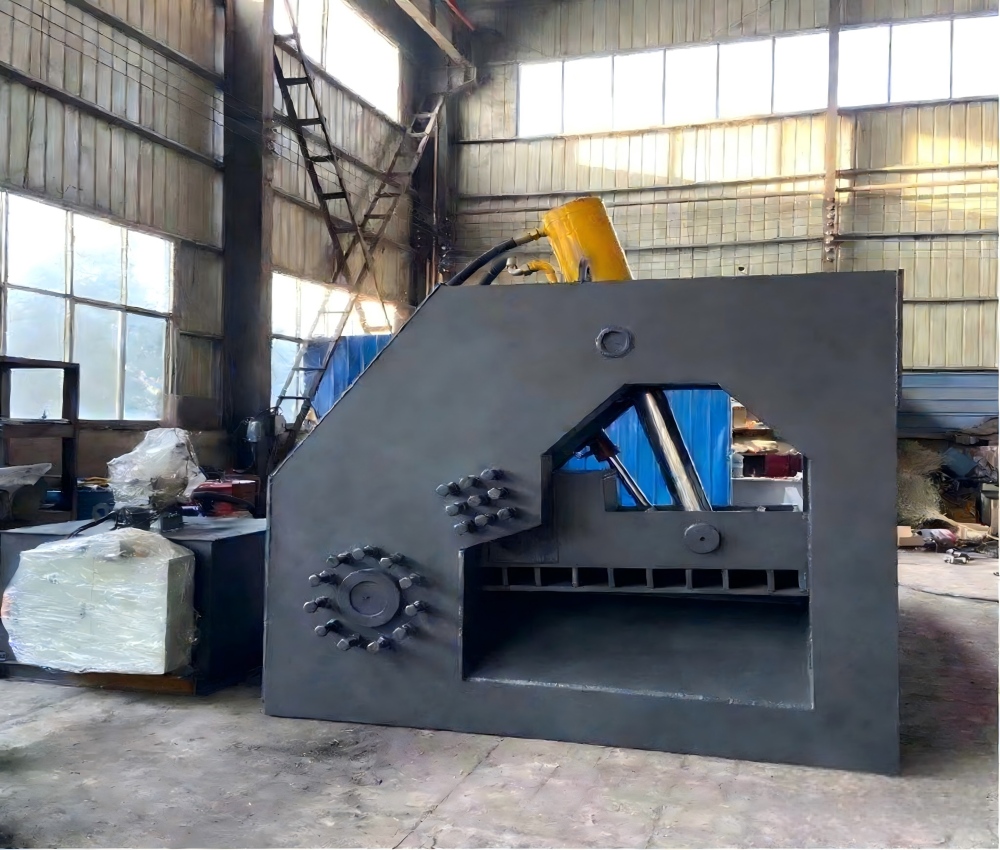
A hydraulic scrap metal shear machine is a specialized device designed to cut tough metal materials into smaller, more manageable pieces. It uses hydraulic power to drive a pair of sharp blades that can shear through various metals such as steel, aluminum, and copper. These machines are indispensable in scrap metal recycling because they efficiently process large metal pieces, making them suitable for transportation, sorting, or further recycling.
Key Components Of A Hydraulic Scrap Metal Shear Machine
-
Hydraulic System: The hydraulic system is the backbone of the machine, providing the necessary force to operate the shear blades. The hydraulic system uses fluid to generate pressure that drives the cutting process.
-
Blades: The blades of a hydraulic shear machine are typically made from high-strength steel and are designed to withstand extreme pressure while cutting through tough metals.
-
Frame: The frame is the structural foundation of the machine. It is made of heavy-duty steel to ensure stability during operation and to support the hydraulic components.
-
Control System: Modern hydraulic shear machines often come equipped with advanced digital or manual control systems that allow operators to adjust cutting force, speed, and blade positioning to meet the specific needs of the job.
Why Are Hydraulic Scrap Metal Shear Machines Important?

Hydraulic scrap metal shear machines play a critical role in metal recycling for several reasons. From increasing productivity to ensuring safety, here’s why these machines are indispensable in the scrap metal industry:
1. Increased Efficiency
Manual cutting methods are slow and labor-intensive, requiring considerable time and effort to process scrap metal. Hydraulic shear machines, on the other hand, use high-powered hydraulic force to quickly and efficiently cut large pieces of metal, significantly reducing processing time. This boost in efficiency allows recycling facilities to handle larger volumes of scrap metal in less time.
2. Improved Safety
Handling metal scraps manually can be dangerous, especially when working with large and heavy objects. Hydraulic shear machines come with built-in safety features, such as emergency shut-offs and protective shields, to minimize the risk of injury. The operation of the machine is also more controlled, reducing the chances of accidents compared to manual methods.
3. Precise Cutting
One of the main advantages of hydraulic shear machines is their ability to make precise cuts. Whether you need to reduce metal to a specific size or shape, these machines offer accuracy and consistency. This precision helps minimize waste and ensures that the cut metal can be reused or resold with minimal loss of material.
4. Cost-Effectiveness
Although hydraulic shear machines can be a significant initial investment, they offer long-term savings. They reduce the need for manual labor, decrease material wastage, and increase processing speed, all of which contribute to lowering operational costs. As a result, businesses can recoup their investment and see an increase in profitability over time.
How To Use A Hydraulic Scrap Metal Shear Machine

Operating a hydraulic scrap metal shear machine may seem daunting at first, but with proper guidance, it’s a straightforward process. Below is a step-by-step guide to using a hydraulic shear machine:
1. Prepare The Scrap Metal
Before starting the cutting process, ensure that the scrap metal is ready for cutting. This includes removing any non-metallic materials like plastic, wood, or rubber. Additionally, it’s essential to sort the metal by type and size to streamline the cutting process.
2. Inspect The Machine
-
Check Hydraulic Oil Levels: Ensure that the hydraulic fluid is at the proper level. Low hydraulic oil can affect the performance of the machine and may even lead to damage.
-
Examine Blades: Check the condition of the blades. Dull blades can reduce cutting efficiency and result in uneven cuts, which can damage the machine or lead to additional costs.
-
Adjust Settings: Many hydraulic shear machines offer adjustable settings. Set the cutting force and speed based on the type and thickness of the material to optimize the cutting process.
3. Position The Scrap Metal
Place the scrap metal into the cutting area, ensuring it is properly aligned with the blades. This ensures a clean and straight cut. Be mindful not to overload the machine, as this can strain the system and reduce efficiency.
4. Start The Machine
Activate the hydraulic system using the control panel, foot pedal, or remote control (depending on the machine model). The blades will move and begin cutting the metal. Be sure to monitor the process to ensure everything is functioning smoothly.
5. Monitor The Cutting Process
Stay close to the machine during operation to monitor its performance. Look for any unusual sounds, vibrations, or signs of overheating. If there are any issues, stop the machine immediately and troubleshoot the problem.
6. Perform Regular Maintenance
After the cutting job is complete, it’s essential to maintain the machine. Clean the machine to remove metal debris, check the hydraulic oil levels, and inspect the blades for wear and tear. Regular maintenance will help prolong the machine’s lifespan and maintain optimal performance.
How To Choose The Right Hydraulic Scrap Metal Shear Machine
Selecting the right hydraulic shear machine for your business is crucial. The wrong choice could lead to inefficiencies, higher costs, and even safety hazards. Here are some key factors to consider when selecting a machine:
1. Understand Your Cutting Requirements
Different types of hydraulic shear machines are designed for different cutting tasks. Consider the following factors when choosing a machine:
-
Metal Types: What types of metals will you be cutting? Some machines are better suited for aluminum, while others are designed for tougher materials like steel or copper.
-
Material Thickness: The thickness of the metal you intend to cut will influence the cutting power required. Make sure the machine you choose can handle the thickness of the materials you need to process.
-
Cutting Volume: If you expect to process large volumes of scrap metal, you’ll need a machine with higher cutting capacity and faster cycle times.
2. Consider Machine Size And Power
The size of the machine should be aligned with the amount of scrap metal you plan to process. Larger machines can handle more material, but they may require more space and higher power consumption. Evaluate the space available in your facility and ensure that the machine you select fits within your operational setup.
-
Small To Medium Machines: These are ideal for smaller businesses or operations that process lighter scrap metal.
-
Large Machines: These are suitable for high-volume processing in industrial scrap yards and large-scale recycling plants.
3. Evaluate The Hydraulic System
The hydraulic system is one of the most important components of the machine. Look for a machine with a reliable hydraulic system that can generate enough pressure to cut through your chosen metal. Ensure the system is robust and efficient, as hydraulic failures can lead to downtime and expensive repairs.
4. Safety Features
Safety should always be a priority when selecting machinery. Look for hydraulic shear machines that come with advanced safety features such as:
-
Emergency Stop Mechanism: Allows the machine to be quickly shut down in case of an emergency.
-
Protective Covers: Shields the operator from metal shards and debris.
-
Blockage Detection Sensors: Automatically stops the machine if any material becomes stuck, preventing potential damage.
5. Energy Efficiency
Energy consumption can significantly impact your operational costs. Choose a hydraulic shear machine that offers energy efficiency without compromising performance. Some modern machines come with energy-saving features that can lower operating costs over time.
6. Budget And Return On Investment (ROI)
While hydraulic shear machines can be expensive upfront, it’s important to assess the long-term benefits. A high-quality machine that offers increased efficiency, safety, and durability will pay for itself over time. Consider the total cost of ownership, including maintenance and energy consumption, to ensure a solid return on investment.
Conclusion
Hydraulic scrap metal shear machines are an invaluable asset in the scrap metal recycling industry. They offer increased efficiency, enhanced safety, and precise cutting, making them a must-have for any metal processing operation. By understanding the key components of these machines, how to use them, and how to choose the right model, you can significantly improve your operations and increase profitability.
Investing in the right hydraulic shear machine today will provide long-term benefits, allowing you to handle more scrap metal, reduce waste, and improve overall productivity. Make the right choice and optimize your metal recycling process!