
Introduction: Why Metal Recycling Needs Smarter Baling Solutions
Metal recycling has become a critical part of the global circular economy. From steel factories and scrap yards to automotive dismantling centers and metal processing plants, handling loose metal scrap efficiently is no longer optional — it is essential.
One of the most important machines in modern metal recycling systems is the Horizontal Metal Baler. Designed for high efficiency, large output, and stable performance, horizontal metal balers help companies reduce waste volume, lower transportation costs, and improve overall operational safety.
In this article, we will explain what a horizontal metal baler is, why it is widely used, how it works, and how to choose the right model for your business.
What Is A Horizontal Metal Baler
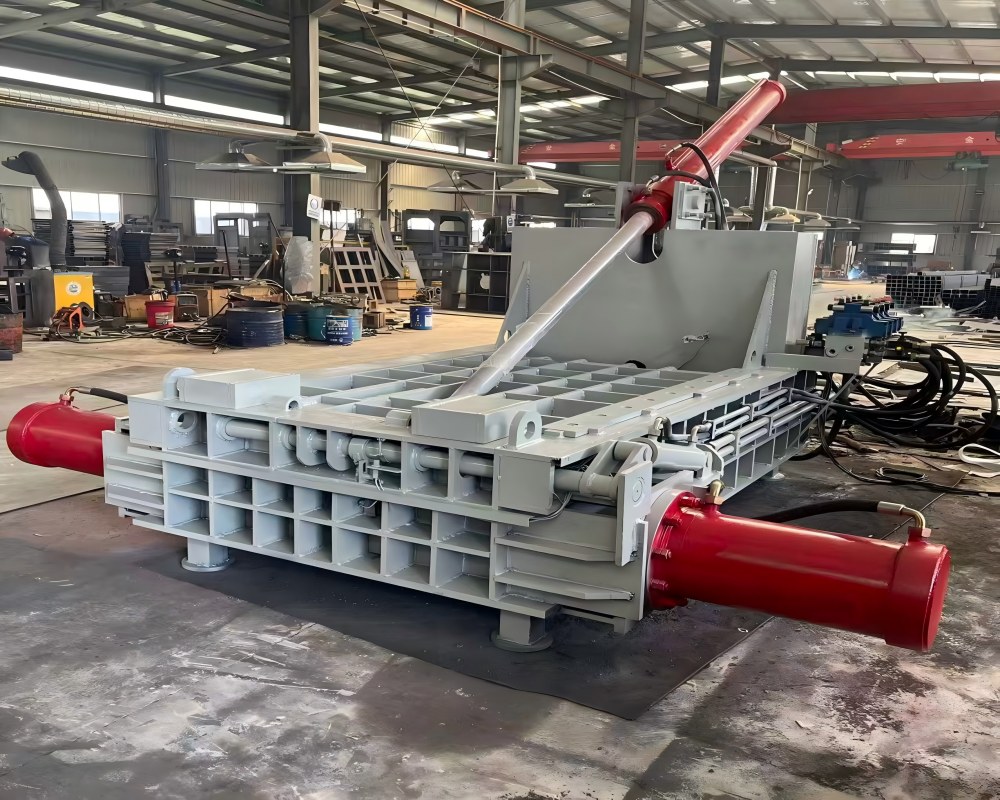
A Horizontal Metal Baler is an industrial hydraulic machine designed to compress loose metal scrap into dense, uniform bales using horizontal compression force.
Unlike vertical balers, horizontal metal balers feed material from the side or top and compress it horizontally through one or more hydraulic cylinders. This structure makes them especially suitable for large volumes of metal scrap and continuous operation.
Common Materials Processed
Horizontal metal balers are suitable for a wide range of metal materials, including:
-
Steel scrap
-
Aluminum scrap
-
Copper scrap
-
Stainless steel
-
Iron turnings
-
Sheet metal offcuts
-
Light metal structures
After compression, these materials are formed into compact bales that are easy to store, transport, and recycle.
Why Choose A Horizontal Metal Baler
Higher Efficiency For Large-Scale Operations
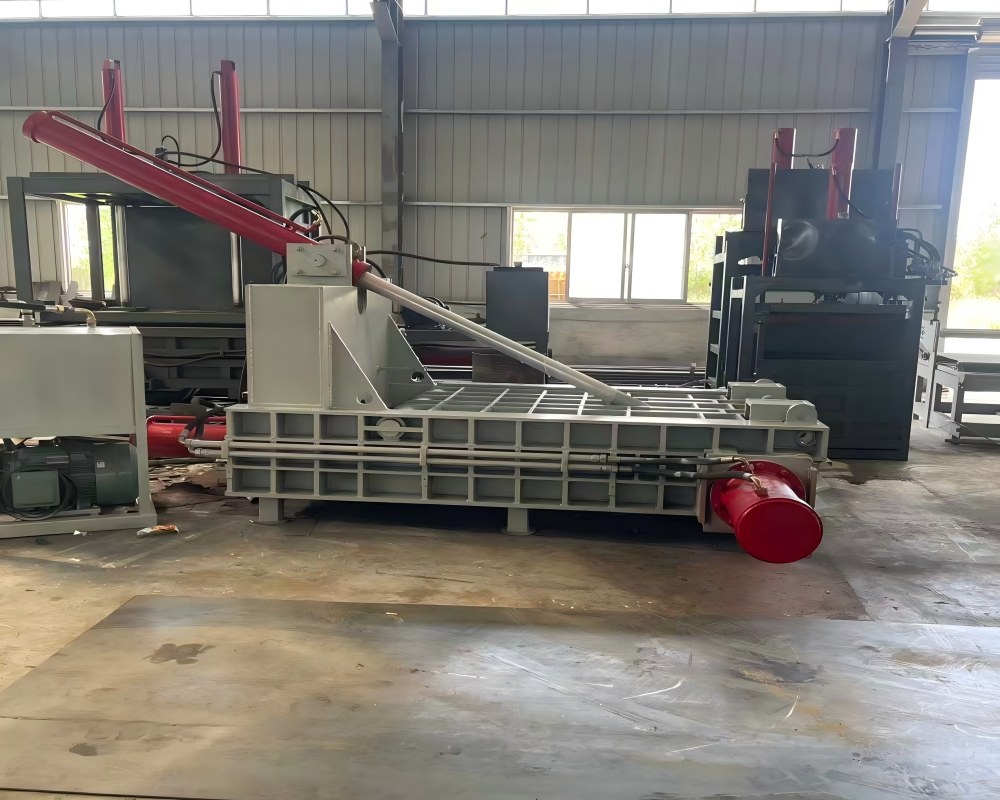
Horizontal metal balers are designed for high-throughput recycling environments. Compared with vertical balers, they allow continuous feeding and faster cycle times, making them ideal for scrap yards and industrial production lines.
Reduced Transportation And Storage Costs
Loose metal scrap occupies significant space. By compressing scrap into dense bales, a horizontal baler can reduce volume by up to 70–90%, dramatically lowering transportation and warehousing expenses.
Stable And Consistent Bale Quality
Horizontal balers produce uniform bale sizes and weights, which is crucial for downstream processes such as furnace charging, export shipping, and automated handling systems.
Enhanced Safety And Cleaner Work Environment
By eliminating loose scrap piles, horizontal metal balers help:
-
Reduce workplace hazards
-
Improve site organization
-
Lower fire risks
-
Create a cleaner, more professional working area
Automation And Labor Savings
Most modern horizontal metal balers support semi-automatic or fully automatic operation, significantly reducing labor costs and operator workload.
How A Horizontal Metal Baler Works
Step 1: Feeding The Material
Metal scrap is loaded into the feeding chamber manually, by conveyor, or using cranes and grabs. Horizontal balers are designed to accept large and irregular metal pieces.
Step 2: Hydraulic Compression
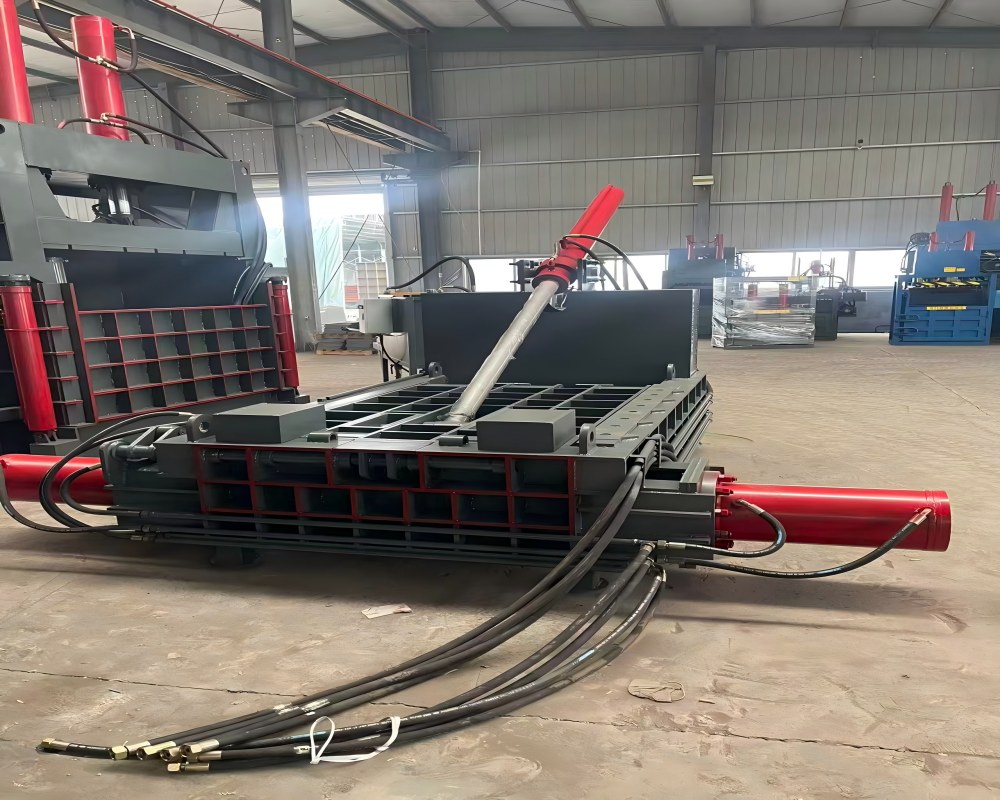
Once the chamber is filled, the hydraulic system activates. One or more powerful cylinders push the scrap horizontally, applying extremely high pressure to compress the material into a dense block.
Step 3: Bale Formation
The scrap is compacted into a pre-set bale size. Side compression or secondary cylinders may be used to increase bale density and stability.
Step 4: Bale Tying Or Locking
Depending on the model, bales can be secured using:
-
Steel wire
-
Manual strapping
-
Automatic tying systems
Step 5: Bale Discharge
The finished bale is automatically or manually pushed out of the chamber, ready for storage or transportation.
Key Components Of A Horizontal Metal Baler
Hydraulic System
The heart of the machine, responsible for delivering high-pressure compression. It includes hydraulic pumps, valves, cylinders, and oil tanks.
Compression Chamber
A reinforced steel chamber designed to withstand extreme pressure and abrasive metal materials.
Control System
Usually PLC-based, allowing operators to control compression cycles, bale size, and safety interlocks with ease.
Feeding System
Can be manual, conveyor-fed, or crane-assisted depending on the application.
Safety Protection System
Includes emergency stop buttons, safety doors, overload protection, and alarm systems to ensure safe operation.
How To Use A Horizontal Metal Baler Safely And Effectively
Operator Training Is Essential
Only trained operators should use the machine. Understanding hydraulic systems and safety procedures is critical.
Proper Material Sorting
Avoid feeding non-metal materials, sealed containers, or explosive items into the baler. Proper sorting improves bale quality and machine lifespan.
Regular Maintenance
-
Check hydraulic oil levels
-
Inspect hoses and seals
-
Lubricate moving parts
-
Clean the compression chamber
Routine maintenance ensures stable performance and prevents downtime.
Follow Load Capacity Guidelines
Overloading can damage the hydraulic system and reduce compression efficiency. Always follow the manufacturer’s recommended feeding limits.
How To Choose The Right Horizontal Metal Baler Model
Choosing the correct model is crucial for maximizing return on investment. Here are the key factors to consider:
Type Of Metal Material
Different metals require different compression forces. Light aluminum scrap needs less pressure than steel or stainless steel.
Daily Processing Capacity
Estimate how many tons of scrap you need to process per day. This determines the required hydraulic pressure and chamber size.
Bale Size And Weight Requirements
Some customers need bales that meet specific furnace or export container standards. Make sure the baler can produce the required bale dimensions.
Level Of Automation
-
Manual feeding: Lower cost, higher labor
-
Semi-automatic: Balanced solution
-
Fully automatic: Ideal for high-volume operations
Available Space And Installation Conditions
Horizontal balers require more floor space than vertical balers. Ensure your site layout supports the machine size and material flow.
Power Supply And Voltage
Confirm local power standards (voltage, frequency, phase) to avoid installation issues.
After-Sales Support And Spare Parts
Reliable technical support and spare parts availability are just as important as machine performance.
Typical Applications Of Horizontal Metal Balers
Horizontal metal balers are widely used in:
-
Scrap metal recycling plants
-
Steel mills
-
Aluminum processing factories
-
Automotive dismantling facilities
-
Shipyards
-
Metal fabrication workshops
-
Export-oriented recycling businesses
Future Trends In Horizontal Metal Baling Technology
With increasing environmental regulations and labor costs, modern horizontal metal balers are evolving toward:
-
Higher automation levels
-
Energy-saving hydraulic systems
-
Remote monitoring and smart controls
-
Stronger structural designs for heavy-duty scrap
These advancements make horizontal metal balers an even more valuable investment for long-term recycling operations.
Conclusion: A Smart Investment For Metal Recycling Businesses
A Horizontal Metal Baler is more than just a compression machine — it is a productivity tool that improves efficiency, safety, and profitability.
By understanding what it is, why it matters, how it works, and how to choose the right model, recycling businesses can make informed decisions and build more competitive operations.
If your business handles large volumes of metal scrap, investing in the right horizontal metal baler can be the key to long-term success.