
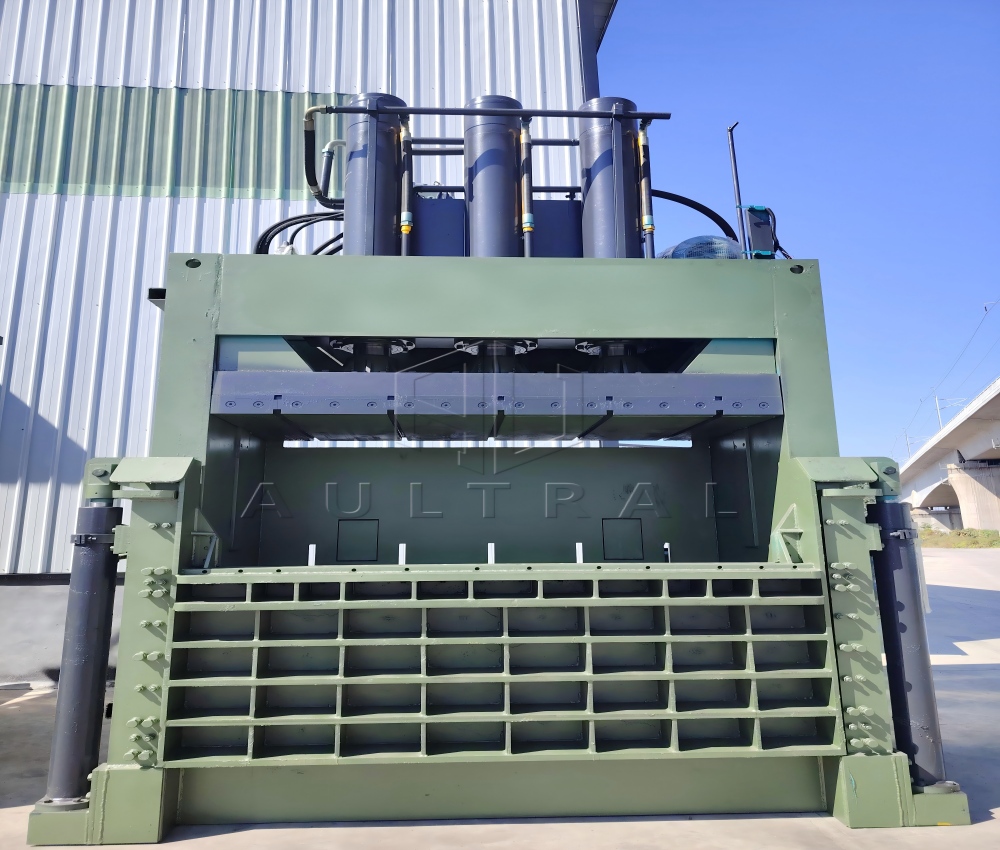
In the world of waste management, efficiency and space-saving solutions are critical. A vertical baler is a compact yet powerful machine designed to compress and package waste materials like cardboard, plastic, paper, and other recyclables into dense, manageable bales. Unlike horizontal balers, vertical balers take up less floor space, making them ideal for small to medium-sized businesses, warehouses, and even retail environments.
This machine works by using hydraulic pressure to compact the waste material into neat, compact bales, which can then be easily stored or transported. Vertical balers come in various sizes and capacities, ensuring there’s an option for every business, no matter the volume of waste they generate.
Why Should You Use a Vertical Baler?
-
Space-Saving and Efficient Waste Management
One of the primary reasons businesses choose vertical balers is their compact design. Unlike bulky horizontal balers, vertical models can be easily installed in tight spaces. They maximize floor space and help keep the workplace organized by minimizing clutter and waste piles. This makes them an excellent solution for businesses looking to reduce waste volume without sacrificing too much real estate.
-
Cost-Effective Waste Disposal
Using a vertical baler can reduce the cost of waste disposal. By compacting materials like cardboard and plastics into dense bales, businesses can minimize the volume of waste they send to landfills. This reduces waste removal fees, which are often charged based on the volume or weight of the material. Over time, the savings can significantly outweigh the initial investment in the machine.
-
Environmental Benefits
For companies that prioritize sustainability, vertical balers are a great investment. They help divert recyclable materials from landfills, promoting a circular economy. Additionally, many vertical balers are designed to work efficiently with minimal energy consumption, reducing your carbon footprint.
-
Improved Workplace Safety
A cleaner workplace is a safer workplace. By compressing waste into neat, manageable bales, vertical balers help reduce the risks of tripping hazards and make the workplace environment more pleasant. Baling materials also keeps them out of the way, preventing injuries caused by scattered debris.
-
Increase in Recycling Efficiency
Vertical balers not only help compress waste but also make recycling more efficient. The bales produced can be easily stacked, stored, and transported, enabling quicker and more efficient recycling processes. The compact nature of these bales also reduces handling time, further improving operational efficiency.
How to Use a Vertical Baler
-
Step 1: Understand Your Waste Volume
Before you start using a vertical baler, it’s essential to assess the amount and type of waste your business generates. This will help you determine the right size and capacity of the baler to meet your needs. Small-scale operations may only require a compact baler, while larger businesses may need a machine with a higher tonnage capacity to handle greater volumes of waste.
-
Step 2: Prepare the Materials
When using a vertical baler, you should ensure that the materials are prepared for baling. This means removing any non-recyclable or hazardous items, such as food waste, metals, or glass, that might interfere with the baling process. Most materials should be flattened to reduce volume before being fed into the machine, especially cardboard. This step is crucial for achieving optimal compaction and efficiency.
-
Step 3: Operating the Baler
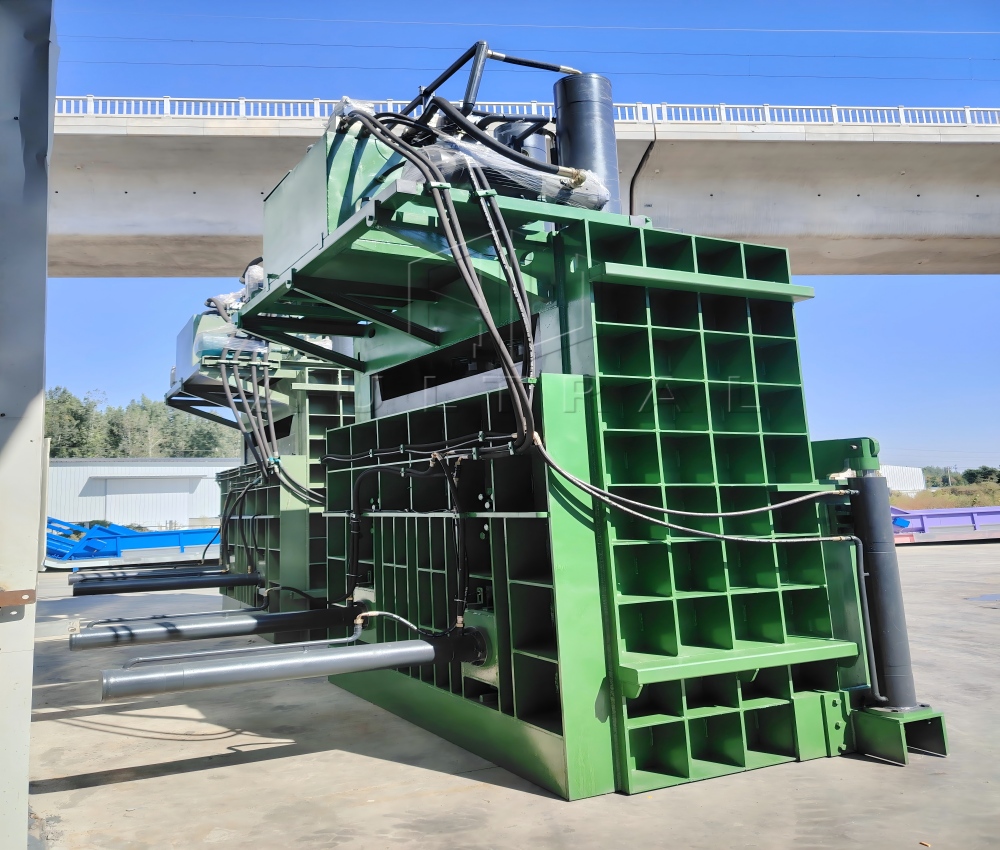
To operate a vertical baler, the user will typically load waste material into the chamber through an opening at the top or front of the machine. Once the materials are loaded, the machine’s hydraulic press will compact them into a dense bale. Many models come with automatic controls, allowing you to simply press a button to start the baling process. Some machines have manual controls, which require the operator to manually engage the baling cycle.
-
Step 4: Remove the Bale
Once the baling process is complete, the machine will release the compressed bale. The bale can then be tied off using wire or straps and removed from the chamber. Some balers feature an automatic ejection system, making it easier to remove the bale once the process is finished. The compact bales are now ready for storage, transport, or recycling.
-
Step 5: Maintenance and Safety
Regular maintenance is essential for ensuring that your vertical baler continues to operate smoothly. Check the hydraulic system, lubricate moving parts, and inspect the machine for any wear and tear. Always follow the manufacturer’s instructions for proper usage and maintenance. Safety features, such as emergency stop buttons and safety guards, should be used to prevent accidents.
How to Choose the Right Vertical Baler for Your Needs
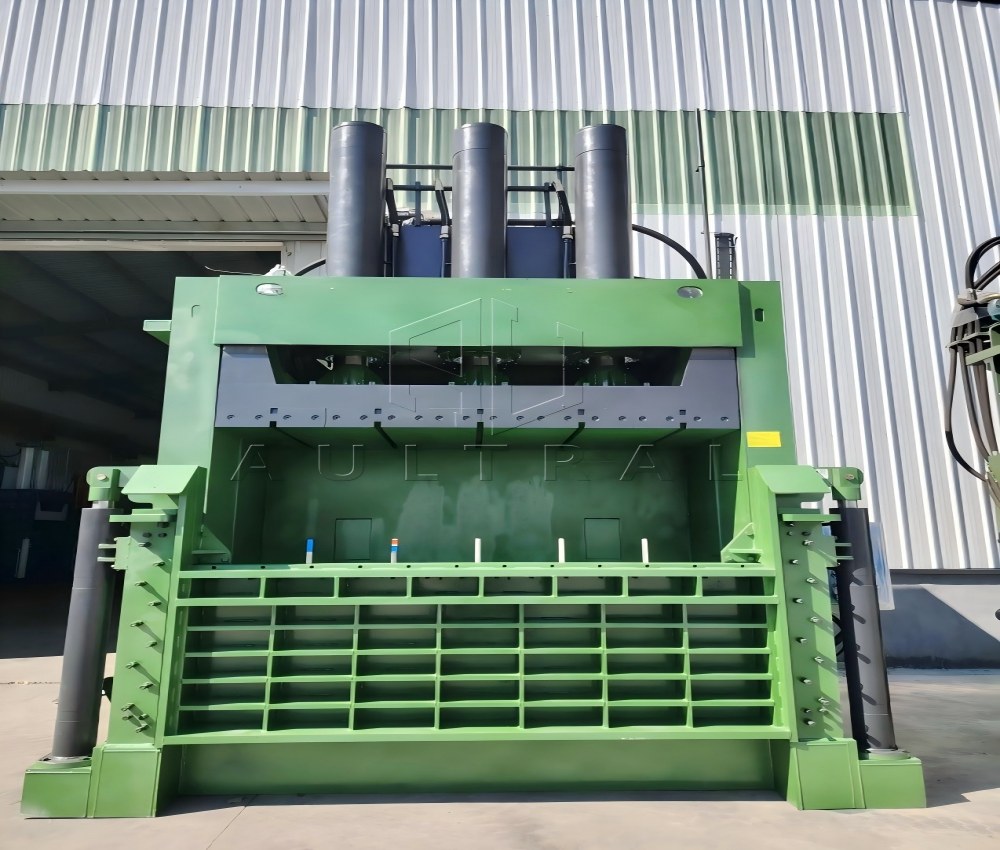
When selecting a vertical baler, it’s crucial to choose a model that matches your specific waste management needs. Here are a few tips to help guide your decision-making process:
-
Consider Your Waste Volume
If your business generates high volumes of recyclable materials, you may need a baler with a higher capacity. Smaller businesses or facilities with lower waste output can usually opt for a compact, entry-level model. Balers are available with capacities ranging from a few hundred pounds to several tons per bale, so it’s important to match the size of the machine to the amount of waste you generate.
-
Evaluate Material Types
Different types of waste materials require different baling techniques. Some balers are designed specifically for paper and cardboard, while others can handle plastic, aluminum, and other materials. Make sure the vertical baler you select is suitable for the materials you plan to process. Some machines come with adjustable settings to accommodate different types of waste.
-
Look for Energy Efficiency
Since vertical balers use hydraulic systems to compress materials, it’s important to select a model that’s energy-efficient. Look for machines with advanced hydraulic systems that reduce energy consumption without compromising performance. Some modern balers come equipped with features such as automatic shutdown when not in use, further saving energy.
-
Check Safety Features
Safety should always be a top priority when selecting a baler. Look for models that have emergency stop buttons, safety interlocks, and clear warning labels to prevent accidents. Some balers are designed with additional safety features, such as automatic door locks that ensure the machine cannot operate unless the door is securely closed.
-
Consider the Baler’s Ease of Use
Not all balers are created equal when it comes to user-friendliness. Choose a model with intuitive controls and easy-to-understand instructions. Automatic cycle systems and simple loading mechanisms can help streamline the process, reducing the learning curve for operators.
-
Space Requirements
Before selecting a baler, assess the amount of available space in your facility. Vertical balers are generally more space-efficient than horizontal models, but they still require enough clearance for proper operation. Make sure the machine fits within the designated area and leaves enough room for easy access to controls and safety features.
-
Budget Considerations
Vertical balers come in a range of prices depending on their size, features, and capacity. While it’s important to stick to your budget, don’t compromise on quality. A higher upfront cost can be worth the investment if it leads to long-term savings in waste management and disposal fees.
Conclusion: Maximizing Your Waste Management Efficiency
Investing in a vertical baler is an excellent choice for businesses looking to streamline their waste management process, reduce costs, and promote environmental sustainability. Whether you’re operating in a small office or a large warehouse, there’s a vertical baler that suits your specific needs. By understanding what a vertical baler is, why it’s beneficial, and how to use it properly, you can make an informed decision and improve your waste disposal practices.
Remember, selecting the right baler involves considering factors such as waste volume, material types, energy efficiency, and space requirements. With the right equipment in place, your business can enjoy a cleaner, more organized workspace and contribute to a greener, more sustainable world.