
In today’s fast-paced world, businesses are constantly seeking ways to optimize operations, reduce costs, and embrace sustainability. One often-overlooked solution lies in how we handle waste. Mountains of cardboard, plastics, and scrap materials can clutter warehouses, slow down processes, and increase disposal costs. That’s where Vertical Hydraulic Balers come into play. These machines transform bulky waste into compact, manageable bales, saving space, cutting expenses, and promoting recycling.
What Is A Vertical Hydraulic Baler?
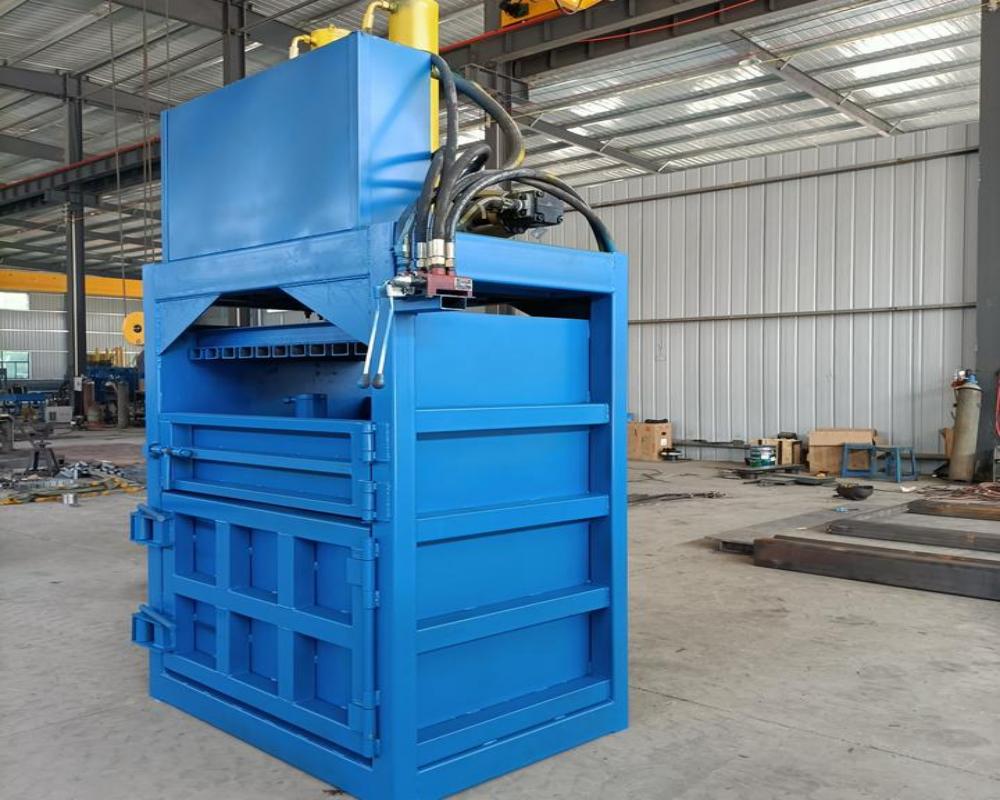
A Vertical Hydraulic Baler is a machine designed to compress waste materials, such as cardboard, paper, plastics, and metals, into dense, manageable bales. Unlike horizontal balers, vertical balers operate in an upright position, where materials are loaded from the top and compressed downward using hydraulic pressure.
The core components include:
-
Hydraulic Cylinder: Generates the pressure required to compress materials.
-
Bale Chamber: Where materials are loaded and compressed.
-
Hydraulic Pump & Motor: Powers the cylinder for high compression force.
-
Control Panel: Manages operations like start, stop, and emergency stop.
Vertical balers are widely used in warehouses, factories, retail stores, and recycling centers due to their compact footprint, efficiency, and ease of operation.
Why Use A Vertical Hydraulic Baler?
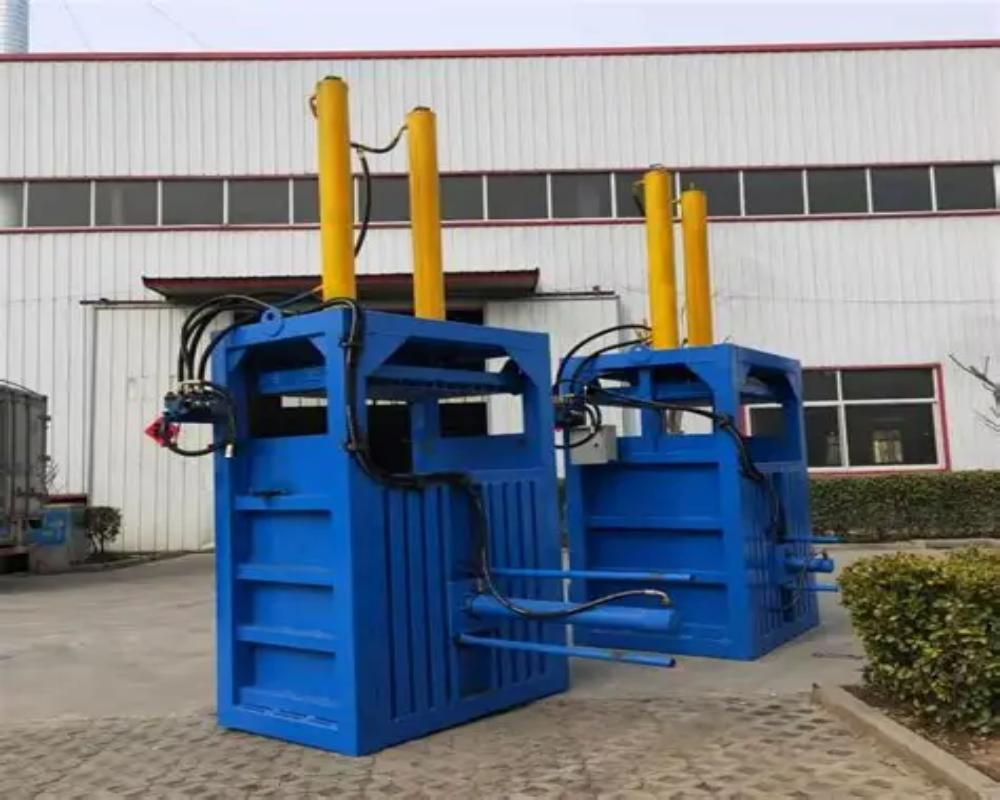
Implementing a vertical hydraulic baler offers several advantages for businesses and recycling facilities:
1. Space Saving
By compressing bulky waste materials into compact bales, vertical balers drastically reduce storage space requirements. This is particularly useful for facilities with limited floor space.
2. Cost Efficiency
Compact bales reduce the number of trips required for waste transportation, saving on logistics costs. Fewer trips also mean reduced fuel consumption and lower environmental impact.
3. Improved Waste Management
Organizing waste into neat bales simplifies recycling and disposal processes. It also helps maintain a cleaner, safer, and more organized facility.
4. Enhanced Sustainability
Compressing recyclables ensures materials are efficiently processed, promoting recycling and reducing landfill usage. Many companies use balers as part of their corporate social responsibility initiatives.
5. Versatility
Vertical balers can handle various materials, including:
-
Paper and cardboard
-
Plastic films, PET bottles, and HDPE containers
-
Aluminum and light metals
How To Use A Vertical Hydraulic Baler
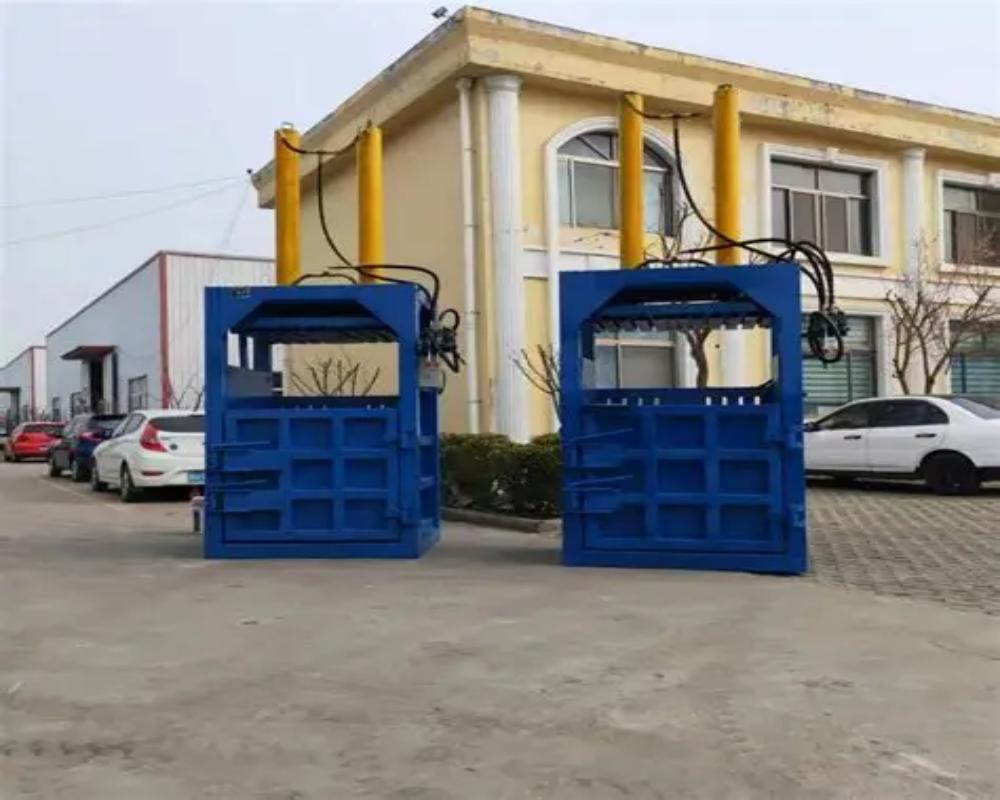
Operating a vertical baler is straightforward, but safety and proper technique are crucial. Here’s a step-by-step guide:
Step 1: Prepare The Materials
Ensure the materials to be baled are clean and free of hazardous substances. For example, plastics should be rinsed to remove contaminants, and cardboard should be flattened to maximize compression efficiency.
Step 2: Load The Baler
Open the top loading door and place materials evenly into the bale chamber. Avoid overloading to prevent mechanical strain.
Step 3: Close And Secure The Door
Close the loading door properly and ensure all safety locks are engaged. Most modern vertical balers come with safety interlocks to prevent operation if the door is open.
Step 4: Start Compression
Activate the hydraulic system via the control panel. The hydraulic cylinder will descend and compress the materials into a dense bale. Depending on the material type, compression may take 1–3 minutes per cycle.
Step 5: Tie The Bale
Once compression is complete, tie the bale using wires, straps, or twine. This secures the bale for safe handling and transportation.
Step 6: Remove The Bale
Open the door and eject the bale. Some models have a manual ejection system, while advanced versions provide automatic ejection.
Step 7: Repeat
Continue loading and compressing materials until the waste stockpile is processed.
Safety Tips For Using Vertical Balers
Safety is critical when operating heavy machinery. Follow these precautions:
-
Always wear protective gloves and eyewear.
-
Keep hands and feet away from the compression area.
-
Do not attempt to bypass safety interlocks.
-
Regularly inspect the hydraulic system for leaks or wear.
-
Train staff thoroughly before operation.
Choosing The Right Vertical Hydraulic Baler
Selecting the correct baler depends on your facility size, material type, and production volume. Consider the following factors:
1. Bale Size And Weight
-
Small Bales (50–100 kg): Suitable for retail stores or small workshops.
-
Medium Bales (150–300 kg): Ideal for warehouses and recycling centers.
-
Large Bales (400–600 kg): For high-volume industrial operations.
2. Motor Power And Pressure
-
Light-Duty Models: 5–15 tons of pressure, 2–5 kW motor.
-
Medium-Duty Models: 20–40 tons of pressure, 7.5–15 kW motor.
-
Heavy-Duty Models: 50–80 tons of pressure, 18–30 kW motor.
Stronger motors and higher pressure allow for denser bales and faster cycles.
3. Material Compatibility
-
Paper/Cardboard: Standard vertical balers work well.
-
Plastic Bottles/Films: Require models with higher pressure.
-
Light Metals: Heavy-duty balers with reinforced chambers are recommended.
4. Automation Level
-
Manual: Requires operator to tie and remove bales.
-
Semi-Automatic: Combines hydraulic compression with easier bale removal.
-
Fully Automatic: Offers continuous operation with minimal labor.
5. Space Constraints
Vertical balers are inherently space-saving, but consider door access, bale ejection, and maintenance space.
Maintenance And Longevity Tips
To ensure long-term performance of your vertical hydraulic baler:
-
Regularly lubricate moving parts.
-
Monitor hydraulic oil levels and replace as recommended.
-
Inspect electrical components and safety switches.
-
Clean the machine after each use to prevent buildup.
-
Schedule annual professional inspections for heavy-duty models.
Popular Applications Of Vertical Hydraulic Balers
Vertical balers are used across many industries:
-
Retail & Supermarkets: Compress cardboard boxes and plastic films.
-
Recycling Facilities: Sort and bale paper, plastics, and metals.
-
Manufacturing Plants: Reduce scrap materials and improve waste handling.
-
Warehouses & Distribution Centers: Maintain organized storage and reduce transport costs.
Advantages Over Horizontal Balers
While both vertical and horizontal balers compress waste, vertical balers offer unique benefits:
-
Smaller footprint for limited space facilities.
-
Lower initial investment.
-
Easier operation and maintenance.
-
Ideal for low to medium volume applications.
Horizontal balers, in contrast, are better suited for large-scale operations with continuous feeding requirements.
Final Thoughts
Vertical hydraulic balers are a vital asset for any business handling large amounts of recyclable materials. They save space, reduce costs, improve safety, and contribute to sustainability. By choosing the right model and following proper operation and maintenance practices, you can maximize the efficiency and longevity of your baler.
Whether you run a small retail shop or a large recycling facility, investing in a vertical hydraulic baler is a smart step toward cleaner, safer, and more efficient waste management.
Keywords For SEO & Engagement: Vertical Hydraulic Baler, Waste Management, Recycling Equipment, Compact Bales, Hydraulic Compression, Industrial Baler, Paper Baler, Plastic Baler