
What Is A Fully Automatic Horizontal Baler?
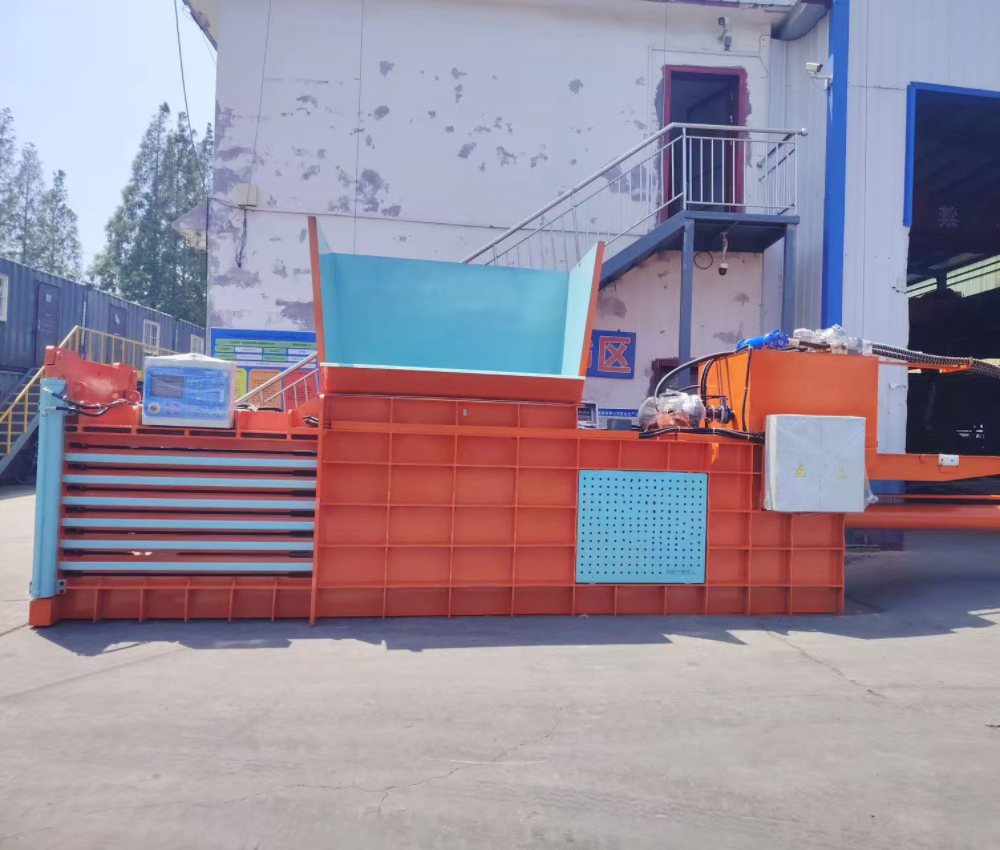
A Fully Automatic Horizontal Baler is a high-efficiency recycling and waste compaction machine designed for continuous, large-volume material processing. Unlike vertical balers that rely on manual feeding and operation, a fully automatic horizontal baler integrates automatic feeding, compression, tying, and bale discharge into one streamlined system.
These machines are typically installed with conveyor belts, hoppers, or air feeding systems, allowing materials to be fed continuously without interruption. The horizontal structure enables stable compression, higher output, and consistent bale density, making it ideal for industrial-scale recycling operations.
Fully automatic horizontal balers are widely used to process:
-
Waste paper and cardboard (OCC, ONP, mixed paper)
-
Plastic bottles (PET), plastic film, and rigid plastics
-
Aluminum cans and light metal scrap
-
Textile waste and industrial packaging materials
For businesses handling large daily volumes of recyclable waste, this type of baler is not just a machine — it is the backbone of an efficient recycling line.
Why Fully Automatic Horizontal Balers Are Essential For Large-Scale Recycling
Designed For High Throughput And Continuous Operation
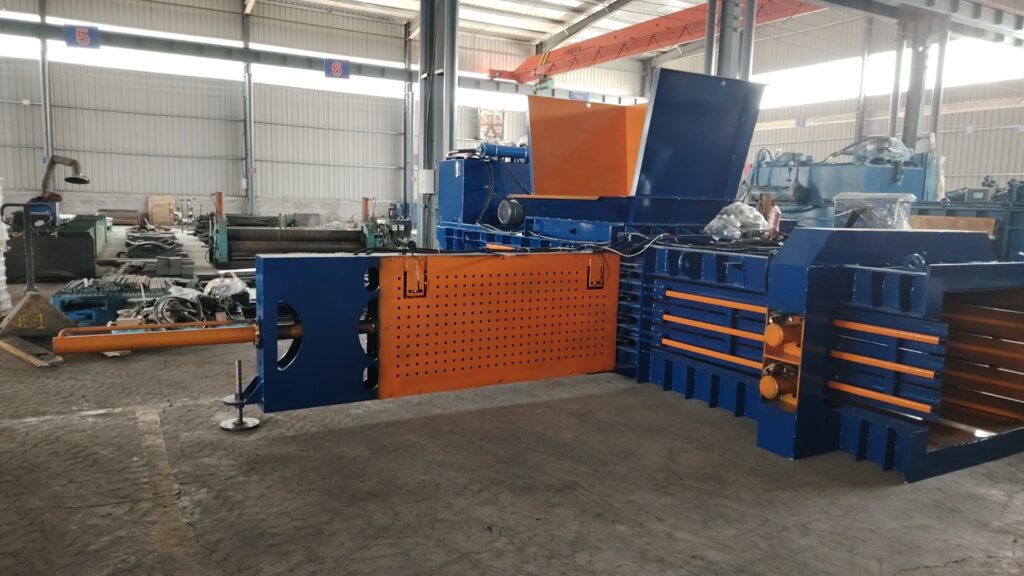
The biggest advantage of a fully automatic horizontal baler is its continuous working capability. Materials can be fed non-stop while the machine compresses, ties, and ejects finished bales automatically.
Compared with semi-automatic or vertical balers, this results in:
-
Much higher hourly output
-
Stable, repeatable bale quality
-
Minimal production interruption
This makes fully automatic balers ideal for recycling plants, paper mills, large factories, and waste management companies.
Reduce Labor Dependency And Operating Costs
Labor cost is a major concern in modern recycling operations. Fully automatic horizontal balers significantly reduce manpower requirements.
With automation:
-
Feeding is continuous and automated
-
Bale tying is automatic
-
Bale discharge requires minimal intervention
One operator can often manage the entire system, resulting in lower labor cost per ton and more predictable operating expenses.
Produce High-Density, Market-Ready Bales
Recycling buyers prefer dense, uniform, and well-tied bales. Fully automatic horizontal balers are designed to produce bales that meet international recycling standards.
High-density bales offer:
-
Better transportation efficiency
-
Easier stacking and storage
-
Higher resale value
In competitive recycling markets, bale quality directly affects profit margins.
Improve Site Safety And Cleanliness
Loose materials create safety hazards and reduce efficiency. Automated feeding and compression keep materials controlled within the system, reducing:
-
Manual handling risks
-
Fire hazards
-
Workplace congestion
A cleaner site also improves compliance with environmental and safety regulations.
How A Fully Automatic Horizontal Baler Works
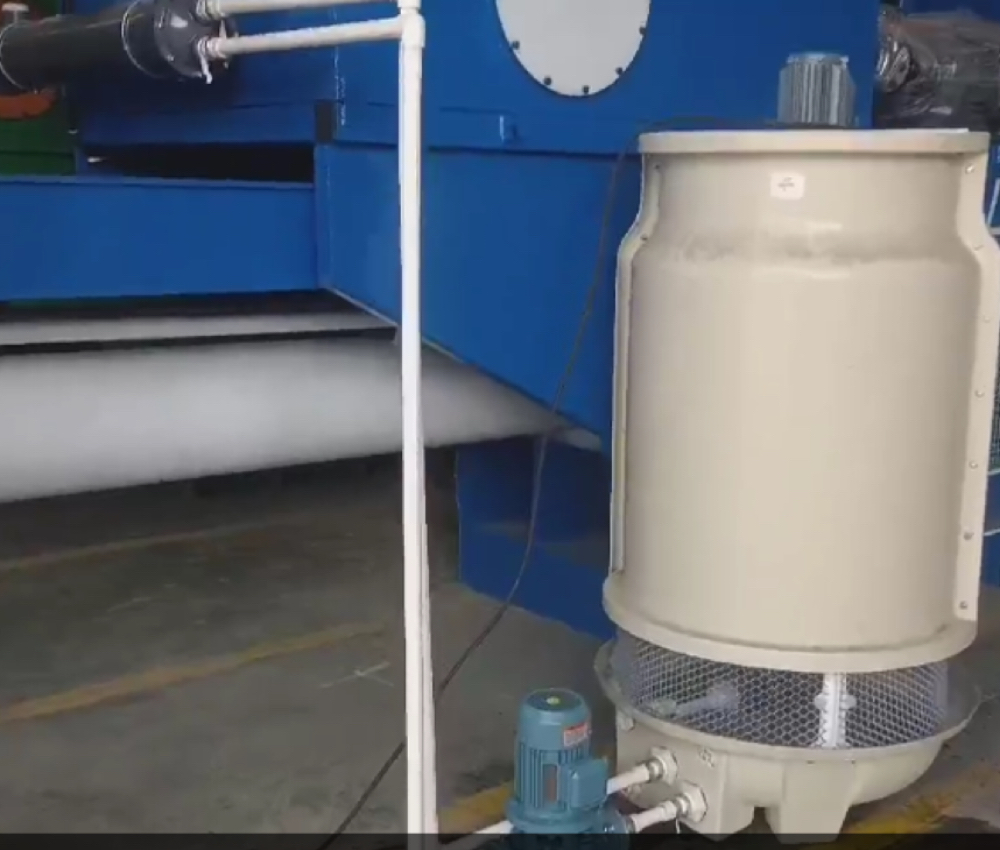
Despite its advanced appearance, the working principle is logical and reliable.
Step 1: Automatic Feeding System
Materials are fed into the baler through conveyor belts, chain conveyors, or air systems, depending on material type and plant layout.
Step 2: Horizontal Compression
A powerful hydraulic ram compresses the material horizontally inside the compression chamber. Continuous feeding allows material to accumulate and compress efficiently.
Step 3: Automatic Bale Length Control
Sensors and control systems monitor bale length and density, ensuring consistent bale size every cycle.
Step 4: Automatic Tying System
Once the bale reaches the preset size, the machine automatically ties the bale using steel wire or PET strapping without stopping the system.
Step 5: Automatic Bale Discharge
The finished bale is pushed out automatically and transferred to storage or further processing.
This fully automated cycle maximizes productivity while maintaining stable performance.
How To Use A Fully Automatic Horizontal Baler Efficiently
Pre-Operation Checks
Before starting the machine:
-
Confirm correct voltage and power supply
-
Check hydraulic oil level and quality
-
Inspect wire or strapping supply
-
Ensure safety guards and emergency stops are functional
Proper preparation prevents downtime and damage.
Daily Operation Best Practices
-
Feed materials evenly for stable bale density
-
Avoid feeding oversized or prohibited materials
-
Monitor control panel parameters regularly
-
Keep feeding conveyors clean and unobstructed
Automation does not eliminate responsibility — skilled supervision ensures peak performance.
Routine Maintenance Guidelines
Regular maintenance includes:
-
Checking hydraulic system for leaks
-
Lubricating moving components
-
Inspecting tying system and sensors
-
Cleaning dust and debris
Preventive maintenance significantly extends machine lifespan and reduces repair costs.
Applications Of Fully Automatic Horizontal Balers
These machines are commonly used in:
-
Large recycling plants
-
Paper mills and packaging factories
-
Municipal waste sorting centers
-
Logistics and distribution hubs
-
Plastic recycling lines
-
Industrial waste management facilities
Any operation handling high daily volumes of recyclable materials benefits from a fully automatic horizontal baler.
How To Choose The Right Fully Automatic Horizontal Baler Model
Selecting the right model is critical for performance, cost control, and long-term reliability.
Processing Capacity Requirement
Capacity is usually measured in tons per hour.
Consider:
-
Average daily material volume
-
Peak production periods
-
Future expansion plans
Choosing a machine with slight capacity margin prevents bottlenecks as business grows.
Compression Force And Bale Density
Compression force typically ranges from 80 tons to over 200 tons.
-
Lower tonnage: paper and plastic film
-
Medium tonnage: PET bottles and mixed plastics
-
Higher tonnage: aluminum cans and light metal scrap
Higher density means better transportation efficiency and higher resale value.
Bale Size And Weight Standards
Different markets require different bale dimensions.
Before choosing:
-
Confirm bale size requirements with buyers
-
Ensure bale weight matches forklift and truck capacity
-
Consider international export standards if applicable
Consistency is key for downstream processing.
Feeding Method And Material Type
Material characteristics determine feeding design:
-
Loose paper and film: conveyor or air feeding
-
Bottles and rigid plastics: belt or chain conveyors
-
Mixed waste: hopper feeding systems
A poorly matched feeding system limits performance regardless of baler power.
Power Supply And Control System
Fully automatic horizontal balers require stable industrial power supply.
Key considerations:
-
Voltage and frequency compatibility
-
Motor power (commonly 30–90 kW or higher)
-
PLC control system reliability
A modern control system improves efficiency, diagnostics, and safety.
Build Quality And Component Selection
A high-quality baler should feature:
-
Heavy-duty steel structure
-
Reliable hydraulic components
-
Durable tying system
-
Trusted electrical brands
Build quality determines long-term operating stability and resale value.
Fully Automatic Horizontal Balers Vs Semi-Automatic Balers
Many buyers hesitate between fully automatic and semi-automatic models.
Fully Automatic Balers Are Best When:
-
Daily volume is high
-
Labor cost is significant
-
Continuous operation is required
-
Bale consistency is critical
Semi-Automatic Balers Are Suitable When:
-
Volume is moderate
-
Budget is limited
-
Manual tying is acceptable
For professional recycling operations, full automation is usually the more economical choice in the long run.
Long-Term Value And Return On Investment
Although fully automatic horizontal balers require higher initial investment, their long-term benefits are clear:
-
Lower labor costs
-
Higher throughput
-
Better bale prices
-
Reduced downtime
In many cases, the return on investment is achieved within a few years, especially in high-volume operations.
Final Thoughts: Is A Fully Automatic Horizontal Baler Right For You?
A fully automatic horizontal baler is not designed for small-scale recycling — it is built for businesses that value efficiency, consistency, and scalability.
If your operation handles large volumes of recyclable materials daily and aims to optimize cost, labor, and logistics, investing in a fully automatic horizontal baler is a strategic decision that delivers long-term competitive advantage.
Understanding what the machine is, why it matters, how it works, and how to choose the right model allows you to invest with confidence and clarity.