
What Is A Metal Briquetting Machine
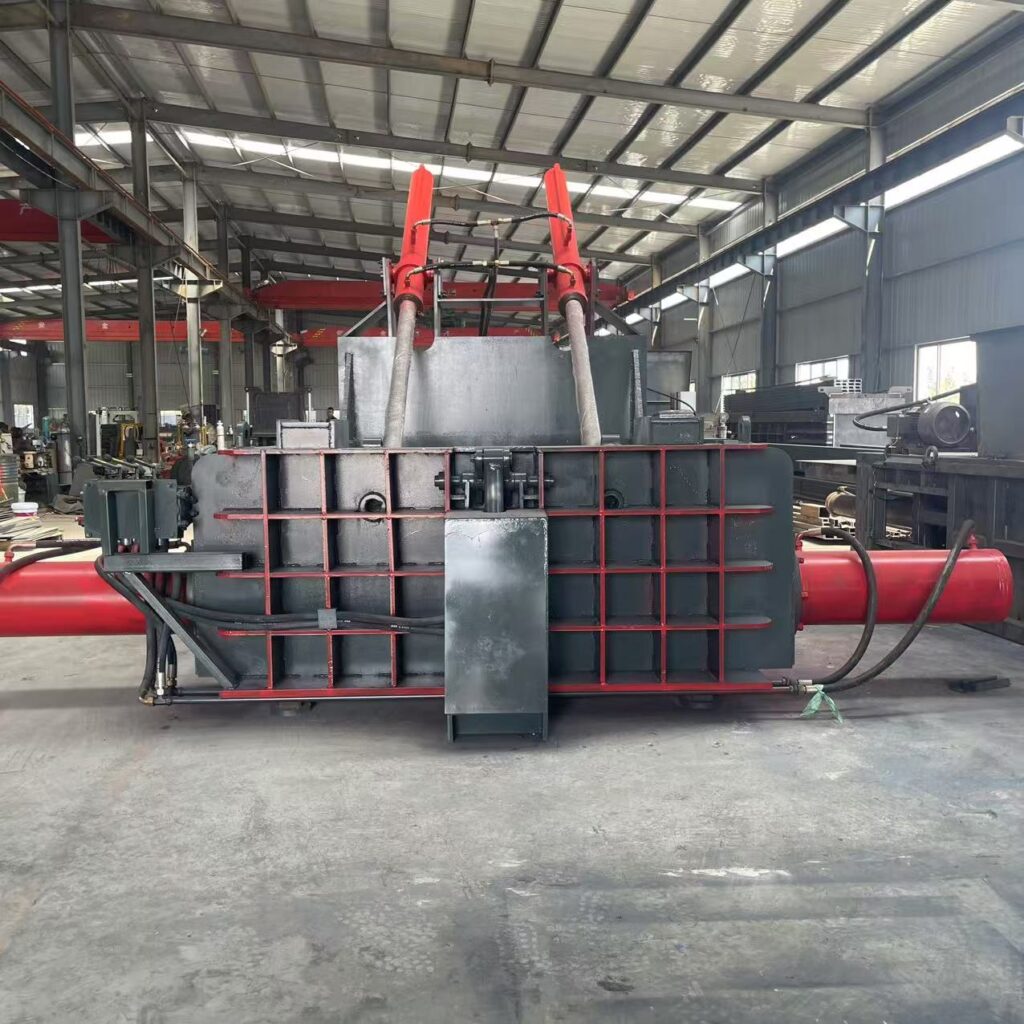
Definition And Basic Concept
A Metal Briquetting Machine is an industrial machine designed to compress loose metal waste into dense, compact briquettes under high pressure. These metal scraps may include aluminum chips, steel turnings, cast iron filings, copper shavings, brass swarf, and other metal residues generated during machining, cutting, milling, or turning processes.
Instead of storing, transporting, or disposing of loose metal waste, a briquetting machine transforms it into solid blocks with uniform shape and high density. These briquettes are easier to handle, safer to store, and more valuable for recycling or re-melting.
Types Of Metal Materials Suitable For Briquetting
Metal briquetting machines are widely used across various industries and can process a wide range of metal materials, including:
-
Aluminum chips and shavings
-
Steel turnings and swarf
-
Cast iron chips
-
Copper and brass scraps
-
Magnesium alloys
-
Stainless steel residues
Whether the material is dry or slightly oily, modern metal briquetting machines are designed to handle different conditions efficiently.
Main Components Of A Metal Briquetting Machine
A standard metal briquetting machine usually consists of the following main parts:
-
Feeding hopper
-
Hydraulic system
-
Compression chamber
-
Main pressing cylinder
-
Electrical control system
-
Automatic discharge system
Each component works together to ensure stable operation, high pressure output, and consistent briquette quality.
Why Choose A Metal Briquetting Machine

Reduce Metal Waste Volume Significantly
Loose metal scraps occupy a large amount of space in workshops and warehouses. By using a metal briquetting machine, the volume of metal waste can be reduced by up to 80–90%. This helps factories free up valuable floor space and improve workshop organization.
Increase Recycling Value And Profit
Compressed metal briquettes have a much higher recycling value compared to loose chips. Recycling companies and smelters prefer dense briquettes because they are easier to transport, store, and re-melt. In many cases, briquetted metal can be sold at a higher price, directly increasing your return on investment.
Reduce Transportation And Storage Costs
Loose metal waste is expensive to transport due to low density and high volume. Briquettes are compact and stackable, which greatly reduces logistics costs. More material can be loaded into each container or truck, resulting in fewer shipments and lower transportation expenses.
Improve Safety And Workplace Cleanliness
Metal chips often have sharp edges and may contain oil or coolant, posing safety risks to workers. Briquetting helps eliminate scattered metal scraps, reducing the risk of injuries, slips, and contamination. A cleaner workshop also improves overall production efficiency and corporate image.
Support Environmental Protection And Sustainability
Metal briquetting is an environmentally friendly solution. It reduces waste, minimizes oil leakage, and supports circular economy practices. Many companies adopt metal briquetting machines to meet environmental regulations and demonstrate their commitment to sustainable manufacturing.
Recover Cutting Fluids And Oils
During the briquetting process, excess cutting fluids and oils are squeezed out of the metal chips. These fluids can be collected, filtered, and reused in the production process, reducing coolant consumption and lowering operating costs.
How A Metal Briquetting Machine Works
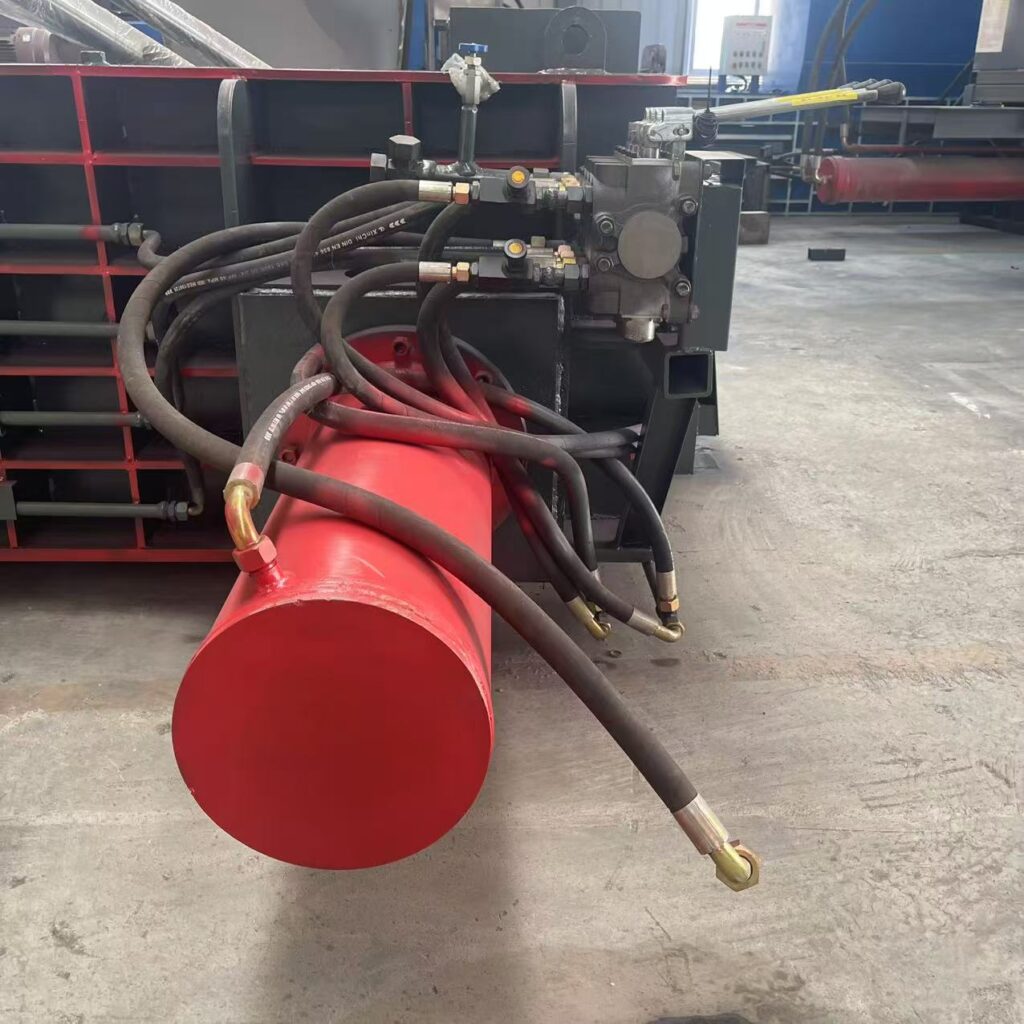
Feeding The Metal Scrap
Metal waste is fed into the machine through a hopper or conveyor system. Depending on the production line design, feeding can be manual or fully automatic. The machine can be integrated with existing machining equipment for continuous operation.
High-Pressure Compression Process
Once the metal scrap enters the compression chamber, the hydraulic system activates the main pressing cylinder. Under extremely high pressure, the metal chips are compressed into a solid briquette. This process removes air gaps and excess liquids, forming a dense and stable block.
Briquette Formation And Discharge
After reaching the preset pressure and holding time, the finished briquette is automatically pushed out of the chamber. The briquettes have consistent size, shape, and density, making them suitable for direct storage or transportation.
Control And Automation System
Modern metal briquetting machines are equipped with advanced electrical control systems. Operators can easily adjust parameters such as pressure, briquette size, and cycle time. Automatic alarm and protection systems ensure safe and reliable operation.
How To Use A Metal Briquetting Machine Correctly
Step One: Prepare The Raw Materials
Before briquetting, ensure that the metal scraps are free from large impurities such as plastic, wood, or stones. Although the machine can handle oily materials, excessive liquid should be drained if necessary to achieve better briquette quality.
Step Two: Adjust Machine Parameters
Set the appropriate pressure, compression time, and discharge speed according to the type of metal material. Different metals require different pressure levels to achieve optimal density.
Step Three: Start The Machine Operation
Turn on the power supply and hydraulic system. Feed the metal scraps into the hopper and monitor the first few briquettes to ensure proper shape and density. Adjust parameters if needed.
Step Four: Collect And Store Briquettes
Finished briquettes should be collected and stored in a dry and organized area. They can be directly sold to recycling companies or reused in internal melting processes.
Step Five: Daily Maintenance And Inspection
Regular maintenance ensures long-term machine performance. Check hydraulic oil levels, inspect seals and hoses, and keep the machine clean. Scheduled maintenance helps prevent downtime and extends equipment lifespan.
Applications Of Metal Briquetting Machines
Metal Processing And Machining Factories
CNC machining centers, turning workshops, and milling factories generate large amounts of metal chips daily. Briquetting machines are ideal for managing this waste efficiently.
Foundries And Smelting Plants
Metal briquettes are easier to charge into furnaces and melt more evenly, improving smelting efficiency and reducing material loss.
Automotive And Aerospace Industries
High-value metal scraps from automotive and aerospace manufacturing can be recycled efficiently using briquetting machines, maximizing material utilization.
Recycling And Waste Management Companies
Recycling companies use metal briquetting machines to process collected metal scraps, increase material density, and improve transportation efficiency.
Key Advantages Of Investing In A Metal Briquetting Machine
Long-Term Cost Savings
Although the initial investment may seem significant, the long-term savings from reduced waste handling, lower transport costs, and higher recycling revenue make the machine highly cost-effective.
Customizable Solutions For Different Needs
Metal briquetting machines are available in various models, capacities, and pressure ranges. Machines can be customized based on material type, output requirement, and workshop layout.
Reliable Performance And Long Service Life
High-quality metal briquetting machines are built with robust frames, durable hydraulic components, and reliable control systems, ensuring stable operation even in demanding industrial environments.
Conclusion: A Smart Solution For Modern Metal Waste Management
A Metal Briquetting Machine is more than just a waste handling device—it is a strategic investment for modern manufacturing and recycling operations. By converting loose metal waste into compact, valuable briquettes, companies can reduce costs, improve efficiency, enhance safety, and support environmental sustainability.
Whether you are a machining factory, a recycling company, or a metal processing plant, a metal briquetting machine provides a practical, efficient, and profitable solution for managing metal waste and turning it into a reusable resource.