
What Is A Metal Briquetting Machine
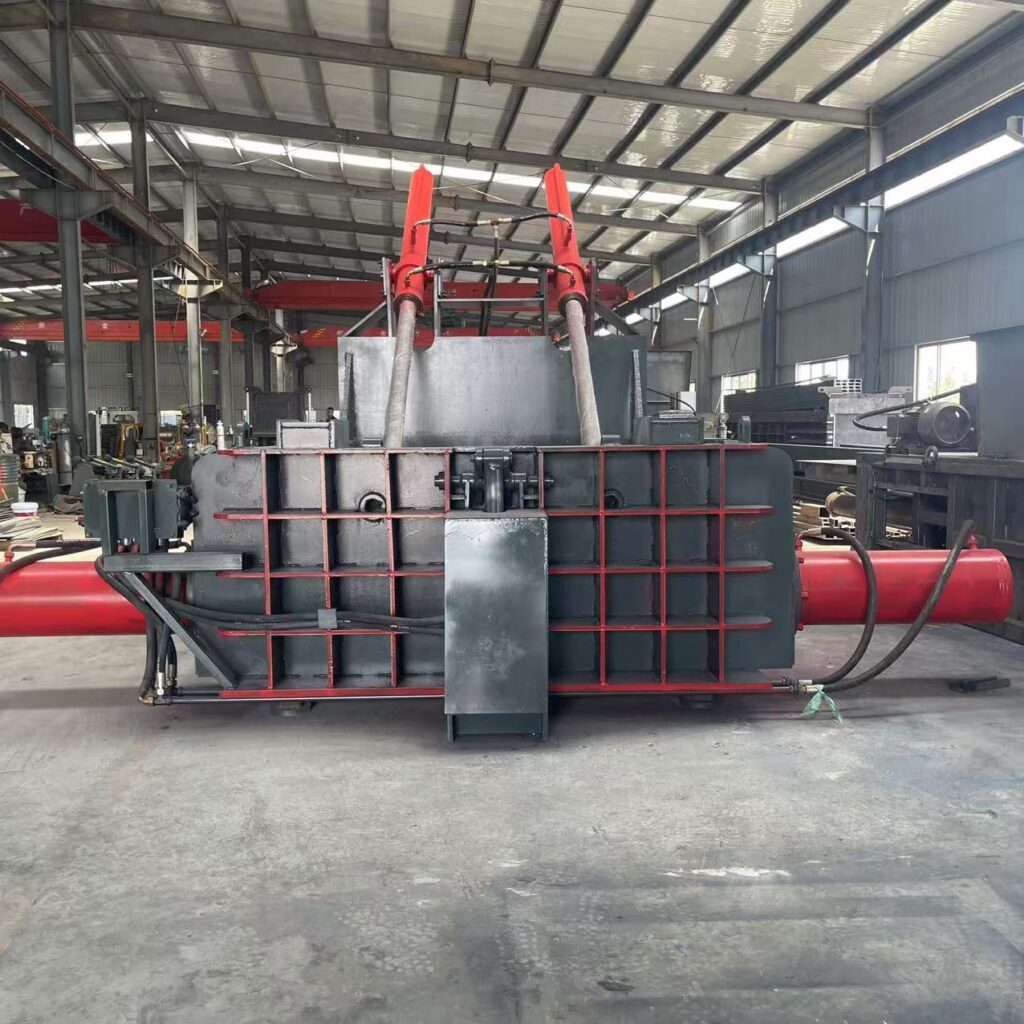
A metal briquetting machine, also known as a metal briquette press or metal compactor, is an industrial recycling machine designed to compress loose metal waste into dense, uniform briquettes. These briquettes are easy to store, transport, and reuse, making the machine an essential solution for modern metal recycling and waste management.
During metal processing, machining, or manufacturing, large amounts of metal scraps are generated. These scraps can include steel chips, aluminum turnings, copper shavings, cast iron swarf, and other metal residues. Without proper treatment, such materials occupy significant space, pose safety risks, and lead to material loss. A metal briquetting machine solves this problem by applying high hydraulic pressure to compress metal waste into solid blocks.
Metal briquetting machines are widely used in industries such as metal machining workshops, foundries, aluminum plants, steel mills, automotive manufacturing, aerospace factories, and recycling centers. Depending on the material type and production capacity, machines can be vertical or horizontal, manual or fully automatic, and customized to meet different operational needs.
Why Use A Metal Briquetting Machine
Reduce Storage Space And Transportation Costs
Loose metal scraps take up a large amount of space and are difficult to stack or store efficiently. After briquetting, the volume of metal waste can be reduced by up to 90%. This allows companies to store more material in less space and significantly reduce transportation costs.
Dense briquettes are easier to load, unload, and transport compared to loose chips or shavings. This is especially important for factories with limited warehouse space or high scrap generation rates.
Increase Scrap Value And Recycling Efficiency
Loose metal scraps often contain cutting fluids, oil, or moisture, which lowers their recycling value. A metal briquetting machine squeezes out most of the liquid content during compression, resulting in cleaner and drier briquettes.
Because briquettes have higher density and lower contamination, recycling companies and smelters are willing to pay higher prices for them. In many cases, using a metal briquetting machine can directly increase scrap resale revenue.
Improve Workplace Safety And Cleanliness
Metal chips and turnings can be sharp and hazardous. When scattered on the factory floor, they increase the risk of injuries and accidents. Briquetting helps keep the workshop clean and organized by consolidating waste into manageable blocks.
In addition, the recovery of cutting fluids during briquetting reduces oil leakage and improves environmental compliance, creating a safer and more sustainable working environment.
Support Environmental Protection And Sustainability
Metal recycling plays a crucial role in reducing raw material consumption and energy usage. Briquetting metal waste helps close the recycling loop by enabling efficient reuse of metal scraps.
By reducing waste volume, minimizing fluid loss, and improving recycling quality, metal briquetting machines support green manufacturing practices and help companies meet environmental regulations and sustainability goals.
How Does A Metal Briquetting Machine Work
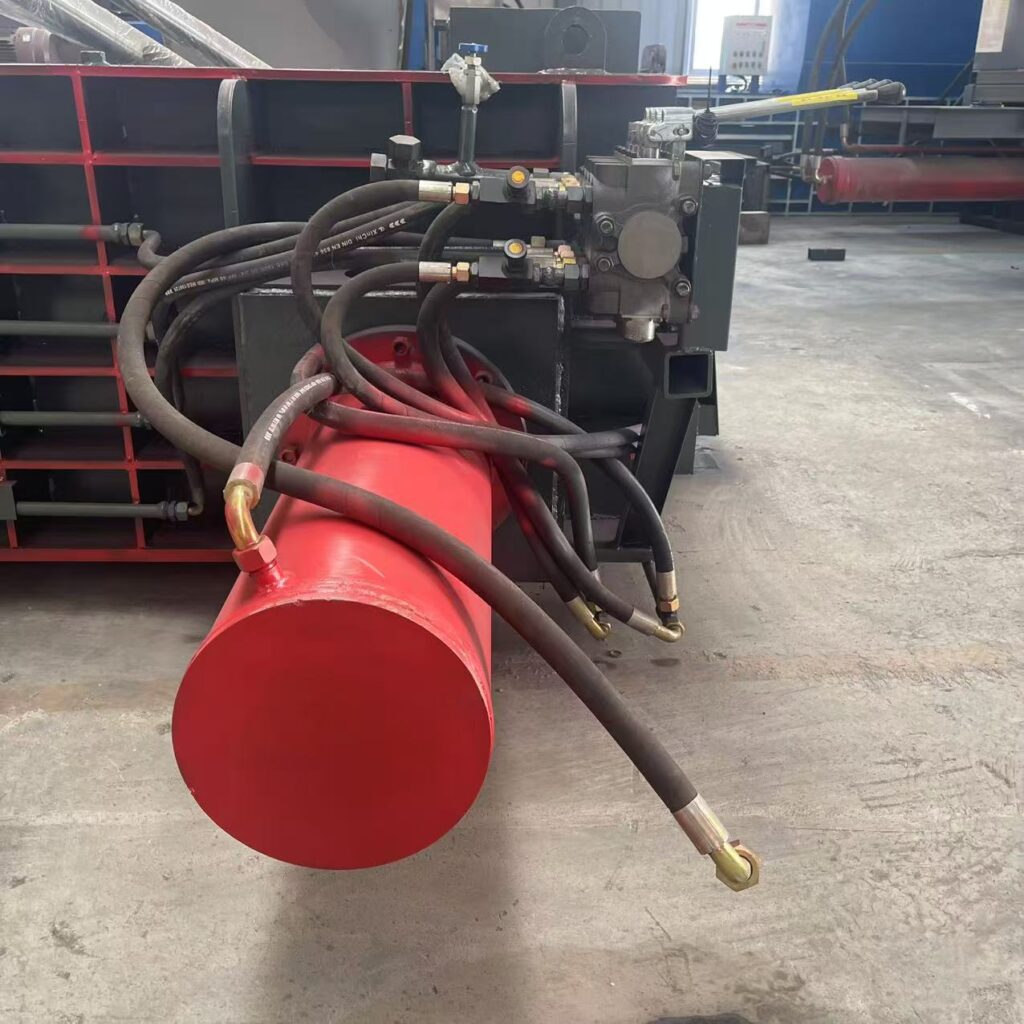
A metal briquetting machine operates using hydraulic pressure to compress metal waste into solid briquettes. The process is straightforward but highly efficient.
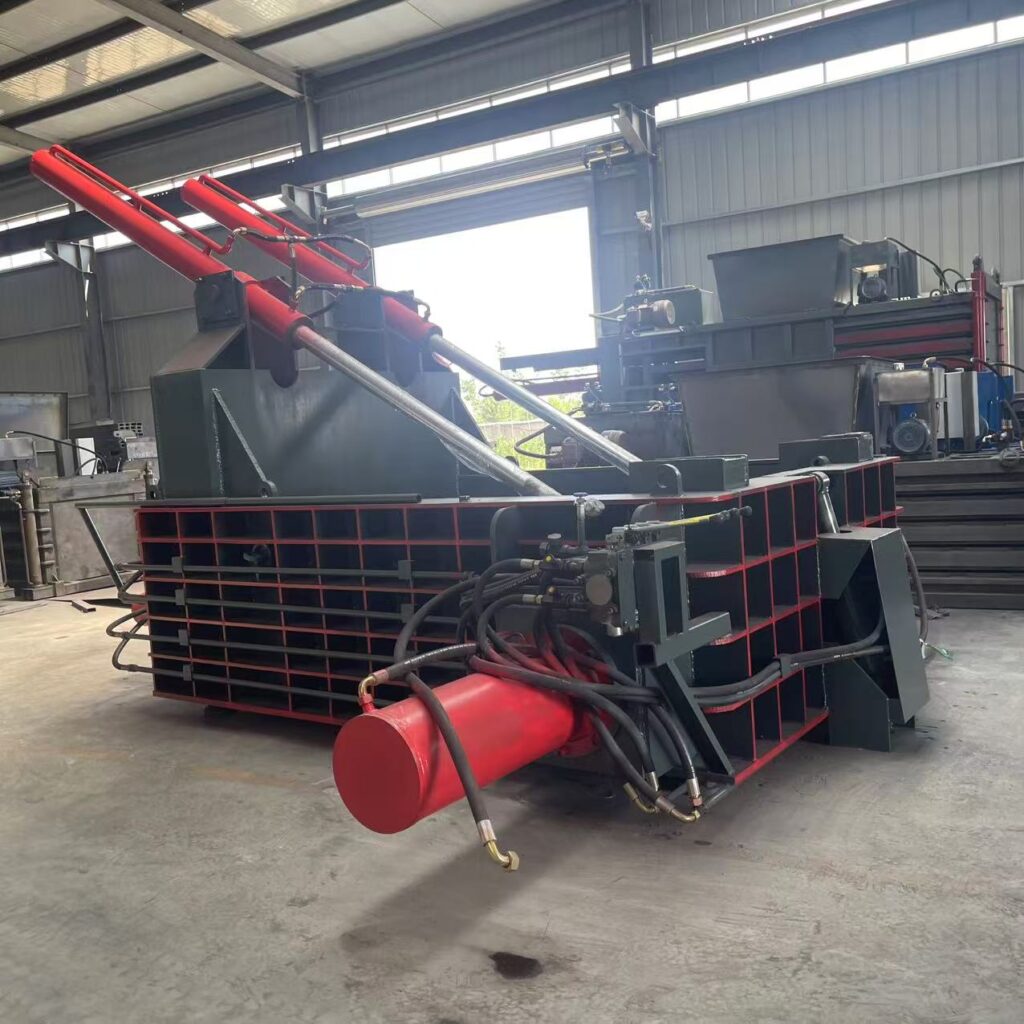
First, metal scraps are fed into the feeding chamber, either manually or through an automatic conveyor system. Once the chamber is filled, the hydraulic system activates and applies high pressure to compress the material.
During compression, oils and cutting fluids are separated from the metal and collected in a drainage system for reuse or proper disposal. After reaching the preset pressure and briquette density, the compressed block is ejected from the discharge outlet.
The entire process can be controlled manually or automatically, depending on the machine configuration. Advanced models feature PLC control systems, touch screens, and automatic feeding for continuous operation.
How To Use A Metal Briquetting Machine Step By Step
Step One Prepare The Metal Scrap
Before briquetting, ensure that the metal scraps are suitable for compression. Remove large impurities, non-metal materials, or oversized pieces that may damage the machine. Most machines can handle mixed sizes of chips and turnings, but preparation improves efficiency.
Step Two Load The Material
Load the metal waste into the feeding hopper or chamber. Depending on the machine type, this can be done manually, by crane, or using a conveyor system. Ensure the loading process is even to avoid machine imbalance.
Step Three Set The Operating Parameters
Adjust parameters such as pressure, compression time, and briquette size according to the metal type. Aluminum, steel, copper, and cast iron each require different pressure levels to achieve optimal density.
Step Four Start The Compression Process
Activate the machine. The hydraulic cylinder applies pressure and compresses the metal into a dense briquette. During this stage, liquids are expelled and collected.
Step Five Discharge And Collect Briquettes
Once compression is complete, the briquette is automatically pushed out. Collect the finished briquettes and store them for transport, reuse, or resale.
Applications Of Metal Briquetting Machines
Metal briquetting machines are used across a wide range of industries. Machining workshops use them to manage daily metal chip waste. Foundries recycle briquettes directly into melting furnaces, reducing melting loss and energy consumption.
Aluminum processing plants benefit greatly from briquetting, as aluminum chips are lightweight and difficult to handle when loose. Steel and cast iron factories use briquettes to reduce oxidation loss during remelting.
Recycling centers also use briquetting machines to process mixed metal waste into standardized products for downstream buyers.
Key Factors To Consider When Choosing A Metal Briquetting Machine
When selecting a metal briquetting machine, consider factors such as material type, production capacity, briquette size, automation level, and available space. Hydraulic pressure and machine structure should match the hardness and volume of the metal scrap.
It is also important to choose a reliable manufacturer that offers technical support, spare parts, and customization options. A well-designed machine ensures stable operation and long-term return on investment.
Conclusion Why A Metal Briquetting Machine Is A Smart Investment
A metal briquetting machine is more than just a waste management tool. It is a strategic investment that reduces costs, increases scrap value, improves workplace safety, and supports sustainable manufacturing.
As metal recycling becomes increasingly important worldwide, briquetting technology offers an efficient and practical solution for handling metal waste. Whether for small workshops or large industrial plants, a metal briquetting machine helps turn waste into valuable resources.