
Introduction: Revolutionizing Metal Recycling with Horizontal Balers
The recycling industry is evolving rapidly, driven by the increasing demand for sustainable practices and efficient waste management. One machine that plays a crucial role in this revolution is the Horizontal Metal Baler. Used extensively in scrap metal yards, recycling centers, and manufacturing plants, these machines compress metal waste into compact bales, making storage and transportation easier. But what exactly is a horizontal metal baler, and why is it so important? In this guide, we’ll delve into what horizontal metal balers are, why they are essential for metal recycling, how to use them effectively, and tips for selecting the right model for your needs.
What Is A Horizontal Metal Baler?
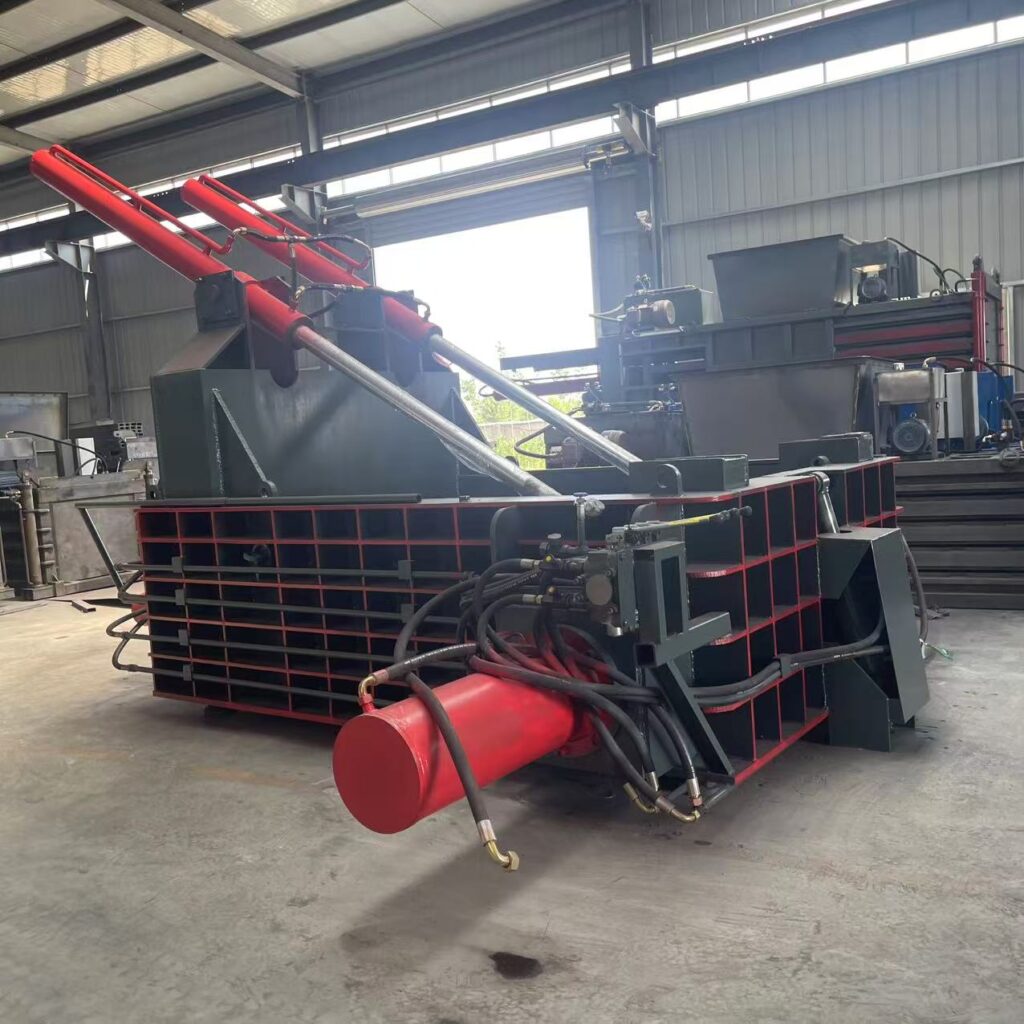
A Horizontal Metal Baler is an industrial machine designed to compress large quantities of scrap metal into compact, manageable bales. These machines are ideal for handling materials like aluminum, steel, copper, and other metals that need to be processed before recycling or reselling.
Key Features of Horizontal Metal Balers:
-
Horizontal Operation: The materials are fed horizontally into the machine, making it suitable for large-scale operations with a steady flow of scrap metal.
-
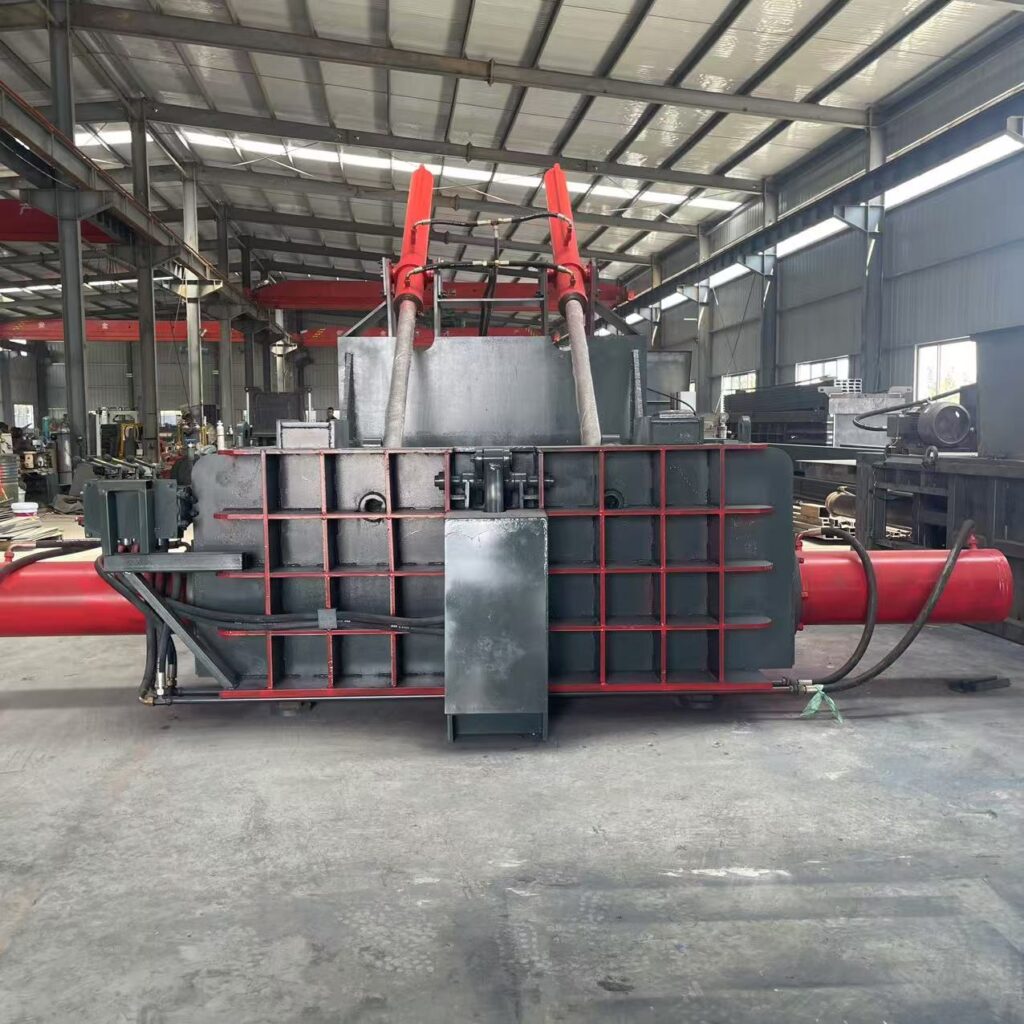
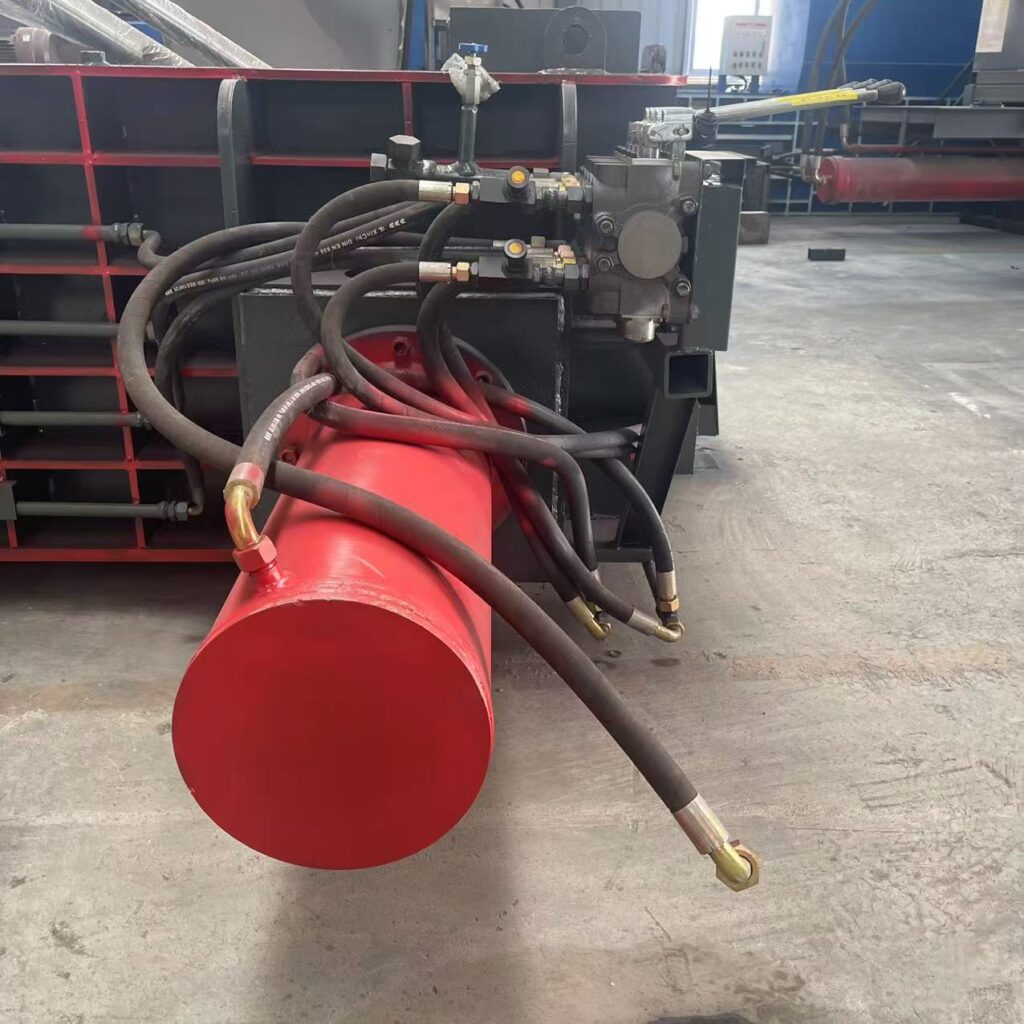
Hydraulic Compression: Horizontal balers use hydraulic systems to apply pressure, efficiently compressing the material into bales.
-
High Throughput: These balers can handle high volumes of scrap metal, making them perfect for busy recycling facilities.
-
Automatic or Semi-Automatic: Many horizontal balers come with automatic feeding and tying systems, reducing the need for manual labor.
-
Adjustable Bale Size: Most horizontal balers allow you to adjust the bale size, giving you flexibility depending on your processing needs.
Why Should You Use A Horizontal Metal Baler?
1. Improved Efficiency
A horizontal metal baler significantly improves the efficiency of metal recycling operations. By compressing metal waste into compact bales, the baler reduces the volume of materials by up to 90%. This allows for easier storage, handling, and transportation, ultimately saving both time and space.
2. Cost Savings
While the initial investment in a horizontal baler may seem high, the long-term savings are substantial. The increased efficiency leads to lower transportation costs because the bales are denser and take up less space. Additionally, the machine minimizes the need for manual labor, reducing overall operating costs.
3. Environmental Benefits
Horizontal metal balers contribute to environmental sustainability by promoting metal recycling. The compressed metal bales are easier to transport to recycling centers, where they can be melted down and repurposed into new products. This reduces the demand for raw materials and lowers the overall environmental impact.
4. Enhanced Safety
Handling scrap metal manually can be dangerous, especially when dealing with sharp edges or heavy materials. A horizontal metal baler minimizes human interaction with the material, significantly reducing the risk of workplace injuries.
How to Use A Horizontal Metal Baler
Using a horizontal metal baler is relatively straightforward, but there are important steps to follow to ensure safe and efficient operation.
Step 1: Prepare the Material
Before feeding metal scrap into the baler, it’s important to sort and remove any contaminants or non-metal materials (like wood, plastic, or rubber). This ensures that only metal is compressed, and prevents damage to the machine.
Step 2: Load the Baler
Place the scrap metal into the feeding area. Many horizontal balers are equipped with a conveyor system that automatically feeds the material into the baler. If your baler is semi-automatic, you may need to load the material manually.
Step 3: Set Bale Size and Pressure
Adjust the settings to determine the size of the bales and the compression pressure. Bale sizes typically range from small (around 30 cm x 30 cm) to large (over 100 cm x 120 cm), depending on the model and requirements. Ensure that the pressure is set high enough to efficiently compress the metal but not so high that it strains the hydraulic system.
Step 4: Start the Baling Process
Once the machine is set up, start the baling process. The baler will apply pressure to the metal, compressing it into a dense, compact bale. In many modern machines, this process is fully automated.
Step 5: Tie the Bale
Once the bale is formed, the machine will automatically tie it using wire or straps. Some models feature a fully automated system, while others require manual intervention.
Step 6: Remove and Stack the Bales
After the bale is tied, it will be pushed out of the machine and ready for transport or storage. Use a forklift or crane to move the bales to a designated area.
How to Choose the Right Horizontal Metal Baler
Choosing the right horizontal metal baler depends on several factors related to your specific needs. Here are some tips for selecting the perfect model for your business:
1. Material Type
Different metals require different levels of compression and force. For instance:
-
Aluminum: Requires less pressure compared to steel or copper.
-
Copper and Steel: These materials are denser and require higher compression force to form compact bales.
Ensure that the baler you choose is capable of handling the types of scrap metal you regularly process.
2. Production Capacity
Consider your daily or hourly production requirements. If you process large volumes of scrap metal, you’ll need a machine with a higher throughput (measured in tons per hour). Horizontal balers typically range from 1 ton per hour to 15 tons per hour, so choose a model that matches your capacity needs.
3. Bale Size and Weight
Bale size is crucial, especially if you have specific storage or transportation requirements. If you need smaller, more manageable bales, choose a baler that allows for adjustable bale sizes. Larger bales are ideal for high-volume operations but may require additional handling equipment.
4. Automation and Features
Look for a baler with automation features if you want to reduce manual labor. Features like automatic feeding, compression, and bale tying can significantly boost productivity. Some models even come with sensors to detect when the bale is ready, making the process even more efficient.
5. Energy Efficiency
Check the energy consumption of the machine. Modern horizontal balers are designed to be energy-efficient, reducing operating costs over time. Make sure that the power requirements align with your facility’s existing electrical system.
6. Maintenance and Durability
Choose a baler made from high-quality, durable materials (preferably stainless steel for resistance to corrosion). Check the warranty and ensure that spare parts are readily available. A well-maintained machine can last for many years, providing long-term value.
Conclusion: Invest in a Horizontal Metal Baler for Maximum Efficiency
Horizontal metal balers are essential tools in modern recycling operations, offering numerous benefits including increased efficiency, cost savings, environmental sustainability, and improved safety. By carefully selecting the right model based on material type, capacity, bale size, and automation features, you can enhance your business’s productivity and profitability.
Whether you’re dealing with aluminum, copper, or steel scrap, investing in a high-quality horizontal metal baler is a step toward a more efficient and environmentally friendly metal recycling process.
Ready to streamline your metal recycling process? Don’t hesitate to explore different models and find the perfect horizontal metal baler for your business needs!